Look, I've spent the last fifteen years knee-deep in dust and concrete, watching projects rise from the ground. And if there’s one thing that consistently makes or breaks a build, it's efficient material handling. That's where the importance of a reliable pull rod push rod system comes in. It's not glamorous, but it’s the backbone of keeping things moving, on schedule, and within budget. Forget fancy tech – a solid pull rod push rod setup can save you headaches you haven’t even imagined yet.
We're talking about more than just moving stuff around. It’s about precision, safety, and minimizing downtime. The days of relying on brute force and a lot of yelling are gone. Modern construction demands a systematic approach to material flow, and that means investing in the right tools – starting with a robust pull rod push rod solution. I've seen projects stalled for days waiting on deliveries or struggling to reposition heavy components. It adds up.
I’ve seen a lot of systems come and go, and frankly, many are over-engineered and expensive. What I look for – and what I recommend – is something durable, adaptable, and easy for the crew to use. Because if it's not user-friendly, it won't get used. It’ll end up gathering dust in the yard while guys go back to their old ways. This is why understanding the nuances of a pull rod push rod system is critical.
The Importance of Pull Rod Push Rod Systems
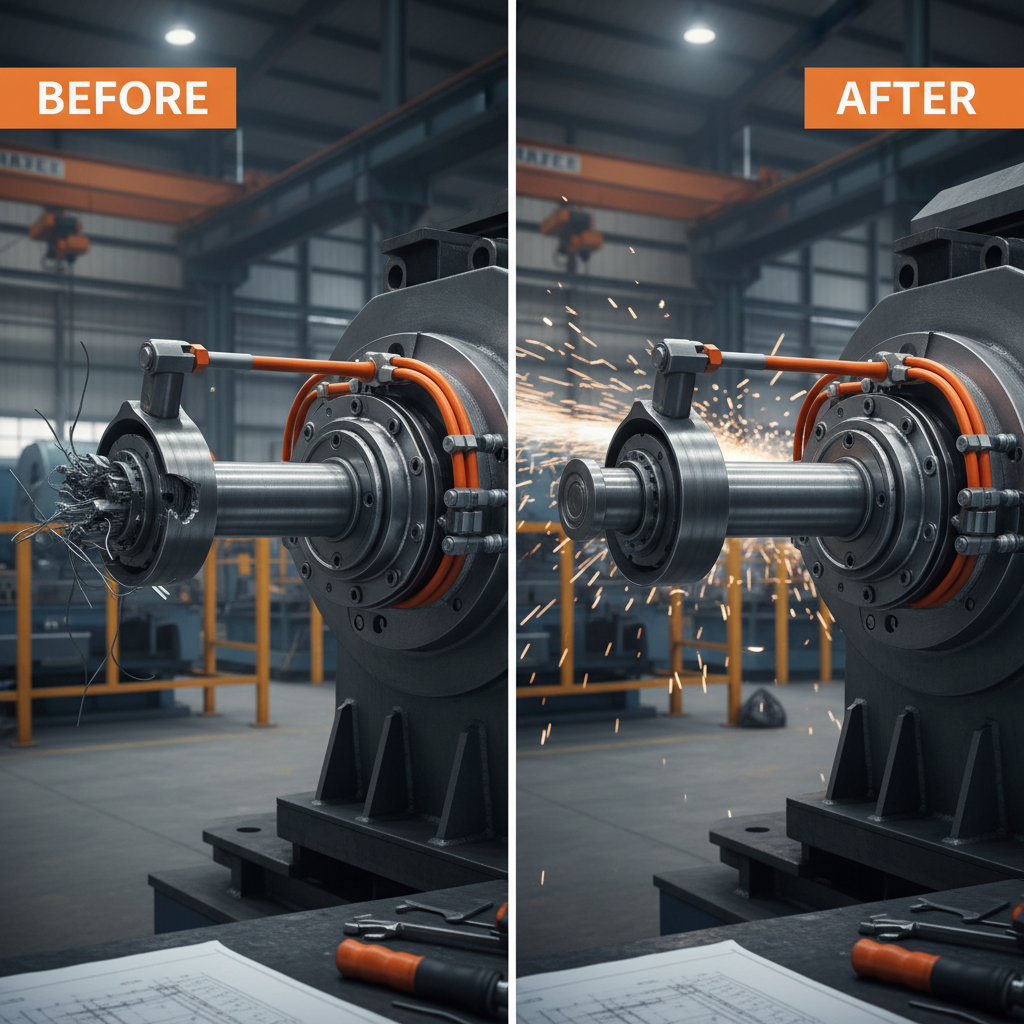
Honestly, a good pull rod push rod system is the unsung hero of any construction site. It's not about replacing manpower; it's about augmenting it. It allows you to maneuver heavy materials with greater precision and, critically, with a much lower risk of injury. We’re talking about reducing strain, eliminating awkward lifts, and preventing dropped loads. That translates directly into a safer workplace and fewer insurance claims.
Beyond safety, it's about efficiency. Time is money on a job site. A well-designed system minimizes the number of steps required to position materials, reducing cycle times and keeping the project flowing. You’re not waiting around for things to be moved; you’re building. And that’s what everyone wants.
Understanding Pull Rod Push Rod Mechanics
At its core, a pull rod push rod system relies on a relatively simple principle: controlled force. You're using leverage and a solid connection to move an object without direct physical contact that might strain workers or damage the material itself. Different systems employ varying mechanisms – hydraulic, pneumatic, or even purely mechanical – but the goal is the same: precise, reliable movement.
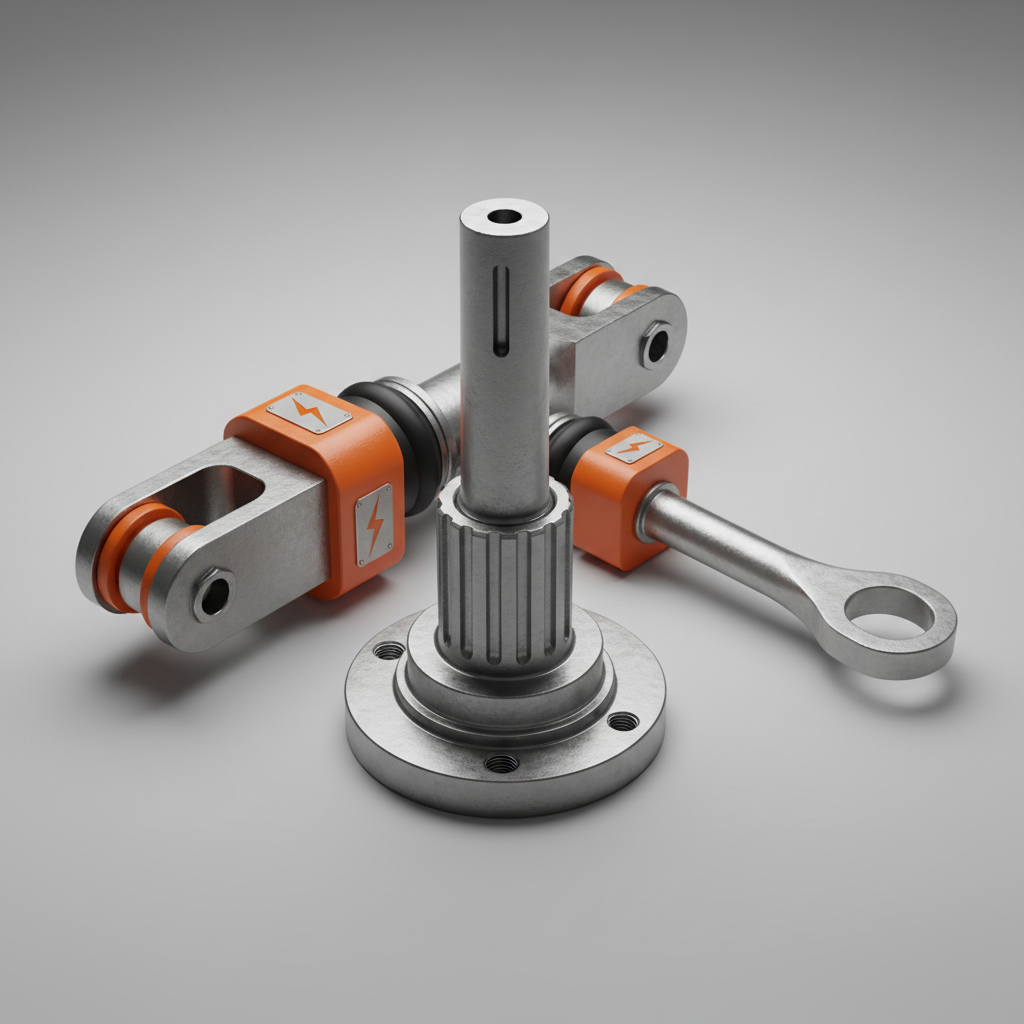
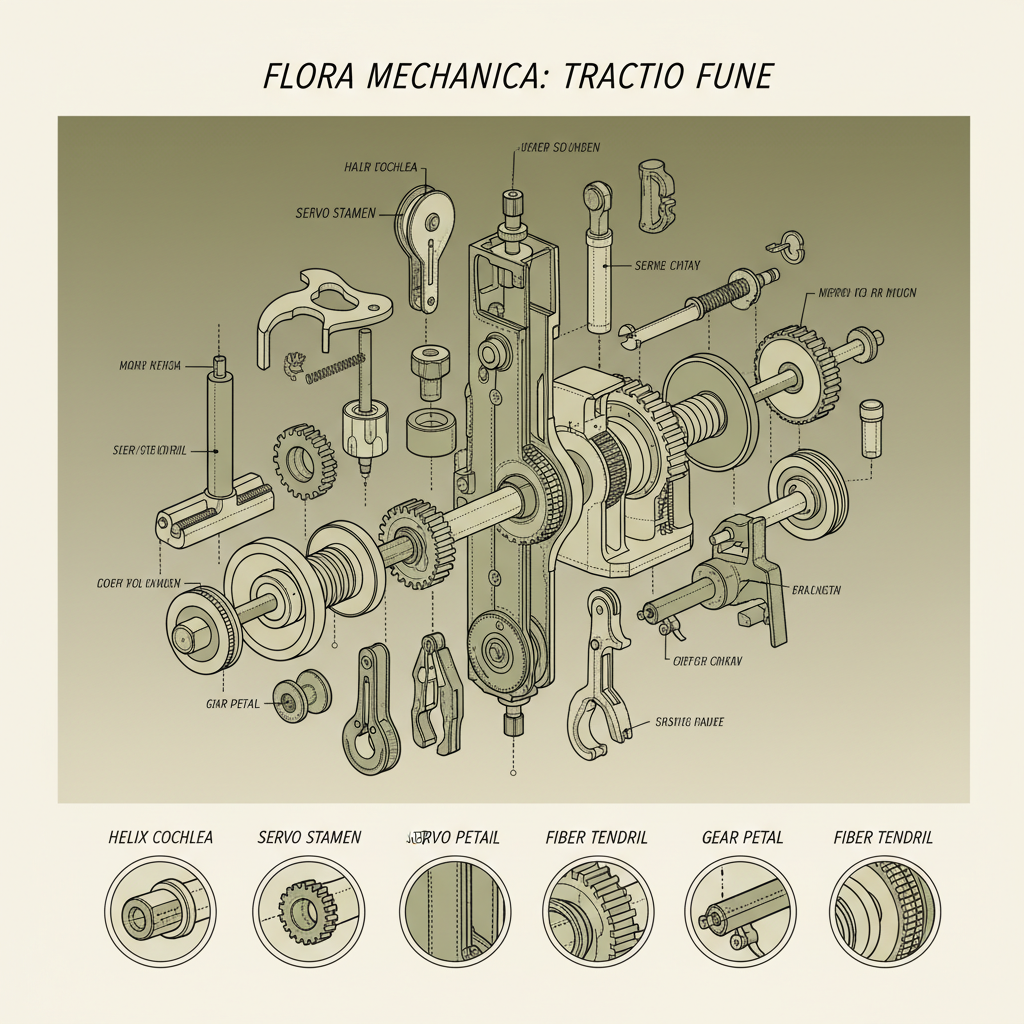
The key components are the rods themselves, the connection points (often specialized grips or clamps), and the power source – whether it's a hand pump, an air compressor, or an electric motor. The quality of these components is paramount. Cheap rods bend, clamps slip, and unreliable power sources create frustration and downtime.
It's also important to understand load limits. Every pull rod push rod system has a maximum weight capacity. Exceeding that limit isn't just dangerous; it's a surefire way to damage the equipment and potentially cause a serious accident. Always check the manufacturer’s specifications and ensure you’re using the right system for the job.
Key Factors in Pull Rod Push Rod Selection
When I'm spec'ing out a system, there are a few things I always consider. First is the weight and dimensions of the materials you’ll be moving. You need a system with enough capacity to handle the heaviest loads, but also one that's agile enough to maneuver in tight spaces.
Durability is another huge factor. Construction sites are harsh environments. Equipment gets dropped, rained on, and generally abused. You need a system built to withstand that kind of treatment. Look for heavy-duty materials, corrosion-resistant coatings, and robust construction.
Finally, ease of use is critical. If the system is complicated to set up and operate, it won't get used. Look for intuitive controls, quick-connect fittings, and clear operating instructions. A system that minimizes training time and maximizes efficiency is a win.
Global Applications of Pull Rod Push Rod Systems
These aren’t just for high-rise buildings, you know? I've seen pull rod push rod systems used in everything from bridge construction to tunnel boring. In post-disaster relief operations, they’re invaluable for clearing debris and positioning temporary shelters. Even in shipbuilding, they’re used to align and position large hull sections.
I worked on a project in the Middle East where we were building a large-scale solar farm. The sheer volume of materials – panels, racking, transformers – was enormous. A robust pull rod push rod system was the only way to keep things moving efficiently across the vast site.
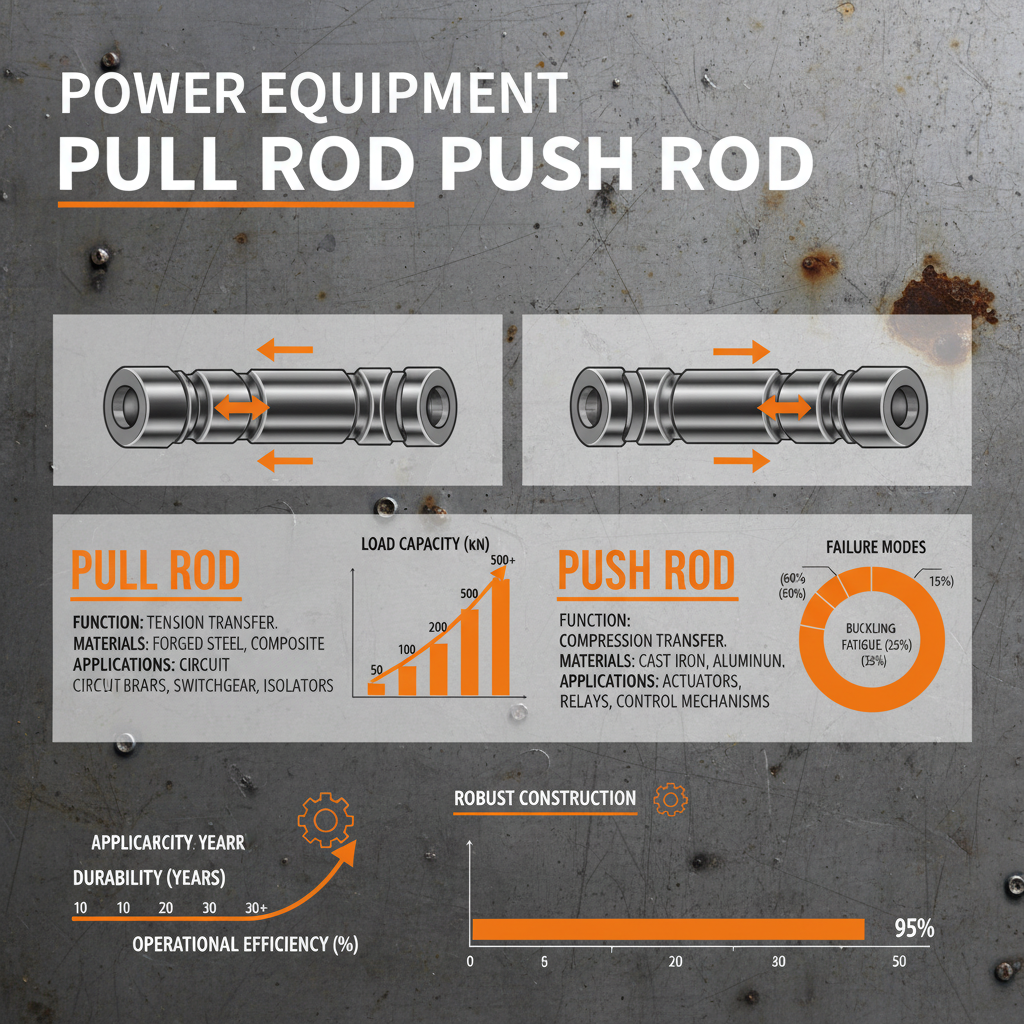
Pull Rod Push Rod System Performance Metrics
Advantages and Long-Term Value
The initial investment in a quality pull rod push rod system pays dividends over the long haul. Reduced labor costs, fewer injuries, and minimized downtime all contribute to a lower total cost of ownership.
But it's not just about the bottom line. It's about building a reputation for safety and reliability. Clients appreciate a contractor who prioritizes these things. And a safe, efficient job site is a more productive job site.
Future Trends and Innovations
We're starting to see more integration of smart technology into these systems. Remote monitoring, load sensors, and automated controls are becoming increasingly common. This allows for greater precision, improved safety, and better data collection.
There's also a growing focus on sustainable materials and energy-efficient designs. Manufacturers are exploring lighter-weight, more durable materials, as well as hydraulic systems that use biodegradable fluids.
Challenges and Solutions
One of the biggest challenges is adapting existing systems to new and unusual situations. Every job site is different. Often, you need to modify or customize the system to meet specific needs.
The solution is to work with a manufacturer that offers a wide range of accessories and customization options. Also, proper training is crucial. Your crew needs to understand how to safely and effectively use the system in all kinds of scenarios.
Another issue is maintenance. These systems require regular inspection and upkeep to ensure they’re functioning properly. A proactive maintenance program can prevent costly breakdowns and extend the lifespan of the equipment.
Summary of Pull Rod Push Rod System Assessment
| System Component |
Durability Score (1-10) |
Ease of Use Score (1-10) |
Cost-Effectiveness (1-10) |
| Hydraulic Pull Rods |
9 |
7 |
8 |
| Pneumatic Push Rods |
7 |
8 |
9 |
| Mechanical Pull/Push Rods |
8 |
6 |
7 |
| Heavy-Duty Grips |
10 |
9 |
6 |
| Lightweight Rod Extensions |
6 |
8 |
7 |
| Remote Control Systems |
8 |
7 |
5 |
FAQS
Honestly, it's underestimating the weight they need to move. Guys will think, "Oh, it’s just a few panels," but those panels add up. Always overestimate rather than underestimate. It’s also a common error to ignore the job site environment – tight spaces, uneven terrain, exposure to the elements. You need a system that’s adaptable.
At the beginning of every shift, minimum. Check for any signs of damage – cracks, bends, leaks. Pay close attention to the connection points and the power source. A quick visual inspection can prevent a major incident. Also, keep a log of inspections and maintenance.
It depends on your needs. Hydraulics offer more power and precision, but they’re also heavier and more complex. Pneumatics are lighter and easier to maintain, but they may not have the same lifting capacity. Consider the weight of the materials, the space available, and the level of control you need.
Proper training is non-negotiable. Your crew needs to understand how to safely operate the system, how to inspect it for damage, and what to do in case of a malfunction. Hands-on training with a qualified instructor is the best approach.
Yes, but you need to choose the right system and take extra precautions. Look for compact designs and lightweight materials. Ensure adequate ventilation and follow all safety protocols for working in confined spaces.
Store it in a clean, dry place, protected from the elements. Keep the rods and accessories organized and readily accessible. Regularly inspect the system even when it’s in storage to ensure it’s still in good condition.
Conclusion
Ultimately, a well-chosen and properly maintained pull rod push rod system isn’t just about moving materials; it’s about building smarter, safer, and more efficiently. It's about respecting the physical demands of the job and investing in tools that protect your crew and keep your project on track. It’s a fundamental element of modern construction.
Don't fall into the trap of thinking it’s just another expense. It's an investment in your people, your project, and your reputation. Take the time to research your options, choose a quality system, and provide your crew with the training they need. You'll be glad you did. For reliable solutions and expert advice, visit our website: www.bilopowtel.com.