The global demand for efficient material handling systems is steadily increasing, with a significant portion of this demand centered around components like cable rollers. The cable roller price is a crucial factor influencing project budgets and operational costs across various industries, from manufacturing and logistics to infrastructure development. Understanding the nuances of this pricing, and the factors that contribute to it, is essential for informed decision-making and optimized resource allocation.
Fluctuations in raw material costs, coupled with evolving manufacturing technologies and global supply chain dynamics, directly impact the cable roller price. Industries reliant on these rollers – such as those employing conveyor systems for moving goods – must proactively monitor these trends. Consequently, effective cost management and strategic sourcing become paramount to maintaining profitability and competitiveness in the current market landscape.
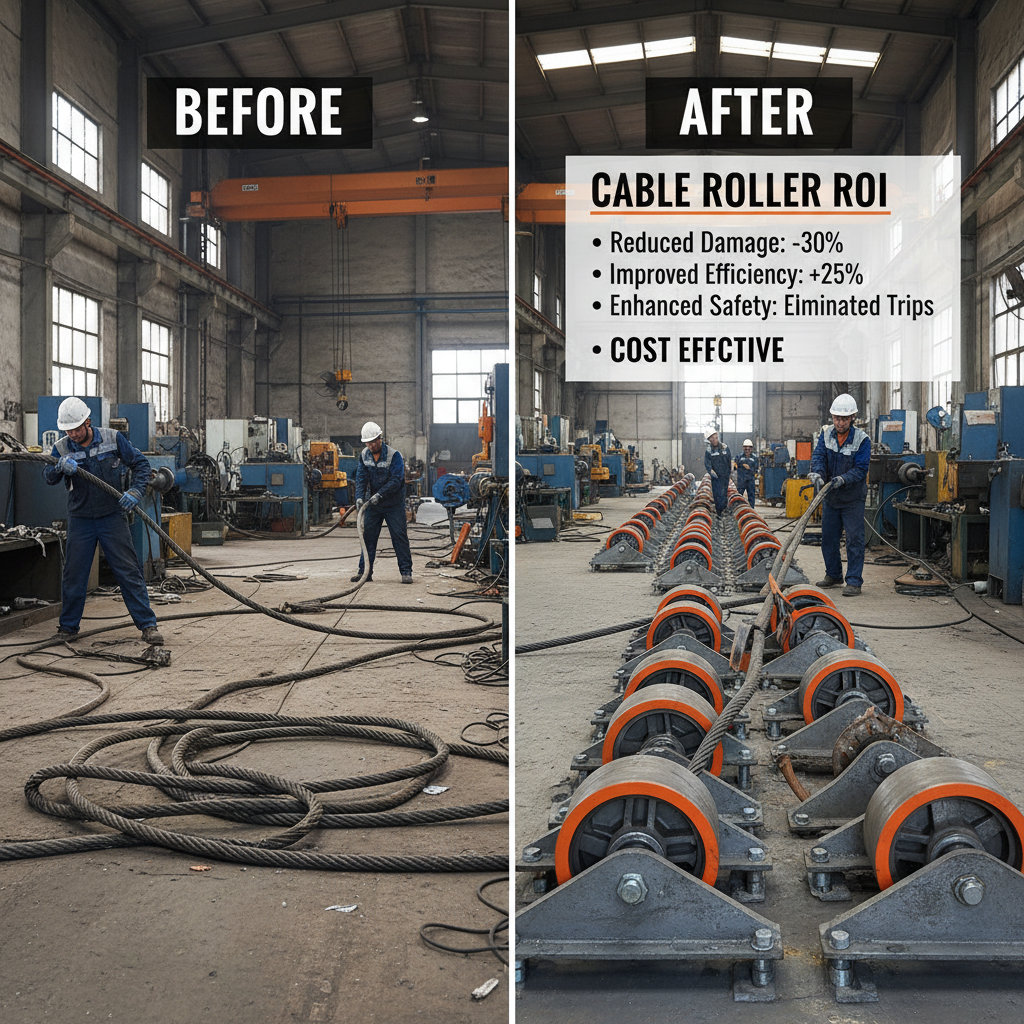
A comprehensive understanding of the cable roller price isn’t just about minimizing expenditure; it's also about ensuring quality and reliability. Investing in high-quality rollers, even if they come with a slightly higher initial cost, can prevent costly downtime, reduce maintenance expenses, and ultimately contribute to increased operational efficiency and safety.
The Importance of Understanding Cable Roller Pricing
Accurately assessing the cable roller price is more than just a budgetary exercise. It’s a critical component of total cost of ownership (TCO) calculations for any system employing conveyor technology. Overlooking this aspect can lead to unexpected expenses related to premature failure, frequent replacements, and lost productivity.
The cable roller price is affected by market conditions, manufacturer capabilities, and the specific requirements of the application. A thorough evaluation helps in selecting the most suitable rollers—balancing cost, performance, and longevity—resulting in a more effective long-term investment.
Defining Cable Roller Price
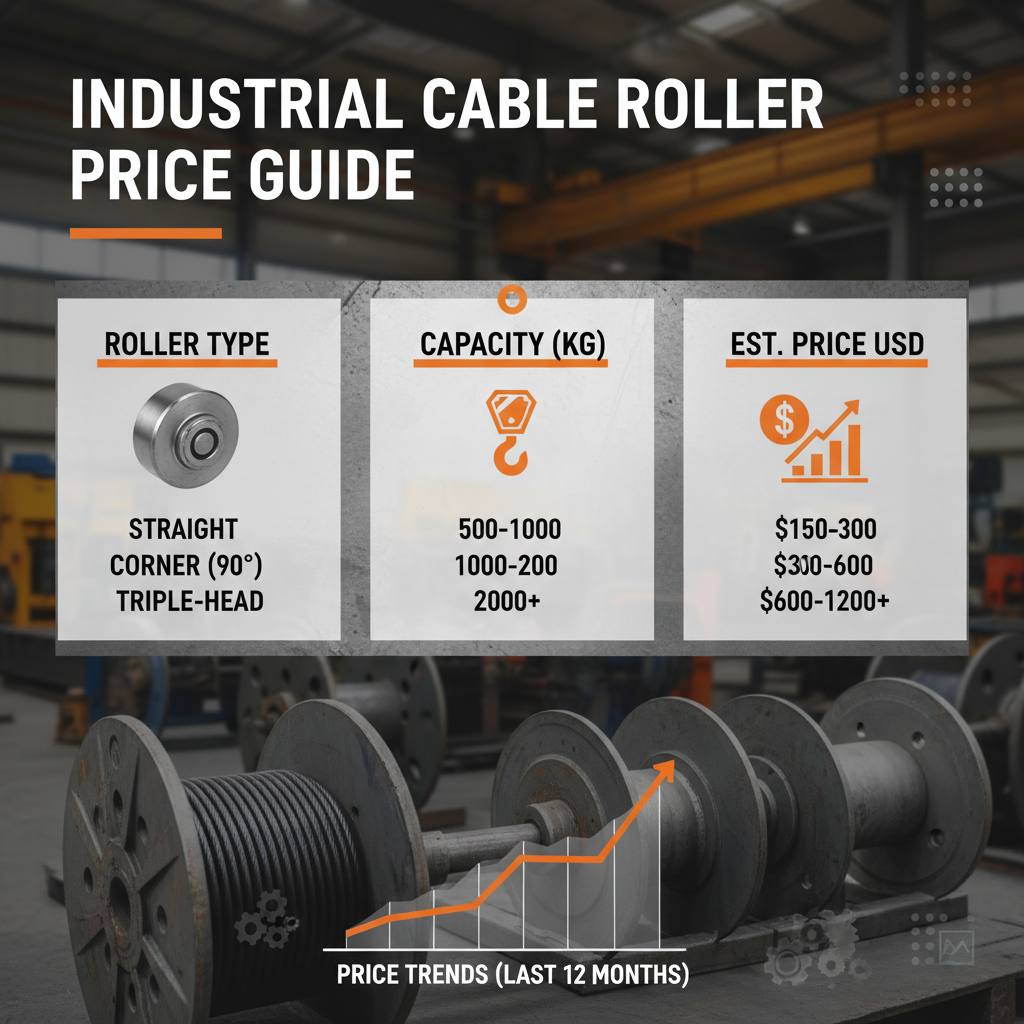
The cable roller price refers to the monetary value assigned to a single cable roller unit or a batch of rollers. This price isn’t static; it encompasses several cost elements, including raw material costs (steel, polymers, bearings), manufacturing processes, labor, transportation, and vendor profit margins. It also takes into account factors such as the roller’s load capacity, diameter, length, and any specialized features.
A comprehensive understanding of this price breakdown is crucial for negotiating favorable terms with suppliers. Furthermore, it allows for accurate budgeting and forecasting of maintenance and replacement costs, minimizing financial surprises and optimizing operational efficiency. Variations in the cable roller price can also indicate differences in quality or materials used, highlighting the importance of due diligence.
Essentially, the cable roller price is a key indicator of the overall value proposition—balancing cost with performance, durability, and reliability—within a broader material handling system.
Key Factors Influencing Cable Roller Price
Several core elements directly influence the cable roller price. Raw material costs, particularly steel and high-performance polymers, fluctuate based on global market conditions. The complexity of the manufacturing process, including precision machining and quality control procedures, also contributes significantly to the final cost.
The type of bearings used within the rollers plays a vital role – sealed bearings generally command a higher price but offer superior durability and reduced maintenance requirements. Additionally, factors such as order volume, customization requests, and shipping distances all contribute to the overall cable roller price. Economies of scale typically result in lower unit costs for larger orders.
Supplier reputation and the level of technical support offered also contribute to the price. Established manufacturers with a proven track record of quality and reliability often charge a premium, but this can be offset by reduced downtime and increased operational lifespan.
Global Applications and Industry Impact
Cable rollers are ubiquitous across a wide range of industries. In the logistics and warehousing sector, they are essential components of conveyor systems used for sorting, transporting, and distributing goods. Mining and aggregate industries rely on heavy-duty cable rollers to move materials efficiently. Manufacturing plants utilize them in assembly lines and material handling processes.
These rollers also find application in power plants, recycling facilities, and even agricultural processing. Geographically, demand is highest in industrialized nations with robust manufacturing and logistics sectors, such as China, the United States, Germany, and Japan. Emerging economies in Southeast Asia and South America are also experiencing growing demand as their industrial capabilities expand.
In post-disaster relief operations, portable conveyor systems utilizing cable rollers are employed to quickly move essential supplies and equipment. Similarly, in remote industrial zones lacking established infrastructure, these systems provide a cost-effective solution for material handling.
Comparison of Cable Roller Price Based on Application
Advantages of Strategic Cable Roller Price Management
Proactive management of the cable roller price yields numerous benefits. Cost savings are the most immediate advantage, stemming from optimized sourcing, bulk purchasing, and negotiated contracts. Reducing downtime due to roller failures also translates to significant financial gains.
Investing in high-quality rollers with extended lifespans reduces the frequency of replacements, lowering maintenance costs and minimizing disruptions to operations. Moreover, reliable rollers contribute to improved safety by minimizing the risk of system malfunctions and accidents.
Future Trends in Cable Roller Technology and Pricing
The future of cable roller technology is likely to be shaped by several key trends. The integration of smart sensors and IoT (Internet of Things) technology will enable real-time monitoring of roller performance, predicting potential failures and optimizing maintenance schedules. Advances in materials science are leading to the development of lighter, stronger, and more durable roller materials, potentially impacting the cable roller price.
The increasing emphasis on sustainability is driving demand for eco-friendly roller materials and manufacturing processes. Digital twins—virtual representations of physical rollers—will be used to simulate performance, optimize designs, and predict lifespans. These technological advancements will likely lead to a shift towards performance-based pricing models, where the cost is tied to the roller's operational lifespan and efficiency.
Challenges and Solutions in Cable Roller Procurement
Sourcing cable rollers presents several challenges. Fluctuating raw material costs, supply chain disruptions, and the presence of counterfeit or substandard products can all impact procurement. Identifying reliable suppliers with consistent quality control is crucial.
Establishing strong relationships with multiple suppliers mitigates the risk of disruptions. Implementing a rigorous quality assurance program, including material testing and performance validation, safeguards against substandard products. Utilizing digital procurement platforms can streamline the sourcing process and improve transparency.
Employing life cycle cost analysis – considering not only the initial cable roller price, but also maintenance, replacement, and downtime costs—enables informed decision-making and optimized long-term value.
Summary of Key Challenges and Potential Solutions in Cable Roller Procurement
| Challenge |
Impact on Cable Roller Price |
Potential Solution |
Implementation Cost (1-10) |
| Raw Material Volatility |
Increased and unpredictable fluctuations in cable roller price. |
Long-term contracts with fixed pricing or index-linked agreements. |
6 |
| Supply Chain Disruptions |
Lead time increases and potential price hikes. |
Diversifying supplier base and maintaining safety stock. |
7 |
| Counterfeit Products |
Lower initial cable roller price, but compromised quality and lifespan. |
Stringent supplier vetting and product testing. |
8 |
| Lack of Transparency |
Difficulty in understanding cost breakdowns and negotiating fair prices. |
Utilizing digital procurement platforms and requesting detailed quotes. |
5 |
| Quality Control Issues |
Increased failure rates and maintenance costs, impacting long-term cable roller price. |
Implementing a robust quality assurance program with regular inspections. |
9 |
| Limited Supplier Options |
Reduced negotiating power and potentially higher prices. |
Actively searching for and qualifying new suppliers. |
4 |
FAQS
The primary drivers of cable roller price fluctuations are the cost of raw materials (particularly steel and polymers), energy prices, transportation costs, and global economic conditions. Demand and supply dynamics within specific industries also play a role. Geopolitical events can disrupt supply chains and impact pricing as well. Consistent monitoring of these factors is crucial for forecasting price trends.
To secure a competitive cable roller price, obtain quotes from multiple qualified suppliers. Clearly define your specifications and quantity requirements. Negotiate based on volume discounts and long-term contracts. Consider total cost of ownership, not just the initial price, including maintenance, lifespan, and potential downtime. A thorough supplier evaluation process is essential.
Standard cable rollers, available in common sizes and materials, generally have lower prices due to economies of scale in manufacturing. Custom rollers, tailored to specific application requirements (e.g., load capacity, dimensions, materials), command a higher price due to increased engineering costs, specialized tooling, and lower production volumes. The increased performance of a custom roller often justifies the extra cost.
The type of bearing significantly influences the cable roller price. Sealed bearings, offering superior protection from contaminants and reduced maintenance, are typically more expensive than open bearings. Precision bearings with tighter tolerances and higher load capacities also increase the cost. Selecting the appropriate bearing type is critical for balancing performance and budget.
Beyond the initial cable roller price, consider potential hidden costs such as shipping, installation, maintenance, and the cost of downtime due to failures. Low-quality rollers may require more frequent replacements, increasing overall expenses. A comprehensive cost analysis should factor in these considerations.
A reliable supplier ensures consistent product quality, on-time delivery, and responsive technical support. They are more likely to offer competitive pricing, adhere to industry standards, and provide warranties. A strong supplier relationship minimizes risks associated with substandard products, delays, and unexpected costs, leading to a more stable and efficient operation.
Conclusion
Understanding the dynamics of the cable roller price is vital for efficient operations across diverse industries. This analysis has highlighted the key factors influencing pricing, the advantages of strategic procurement, and emerging trends that will shape the future of this crucial component. Proactive management and informed decision-making are critical for optimizing cost, ensuring reliability, and maximizing return on investment.
Looking ahead, the integration of smart technologies and a growing emphasis on sustainability will continue to drive innovation in cable roller design and materials. By staying informed about these developments and adopting a proactive approach to procurement, businesses can unlock significant benefits and maintain a competitive edge. Visit our website at www.bilopowtel.com to explore our range of high-quality cable rollers and learn how we can help optimize your material handling systems.