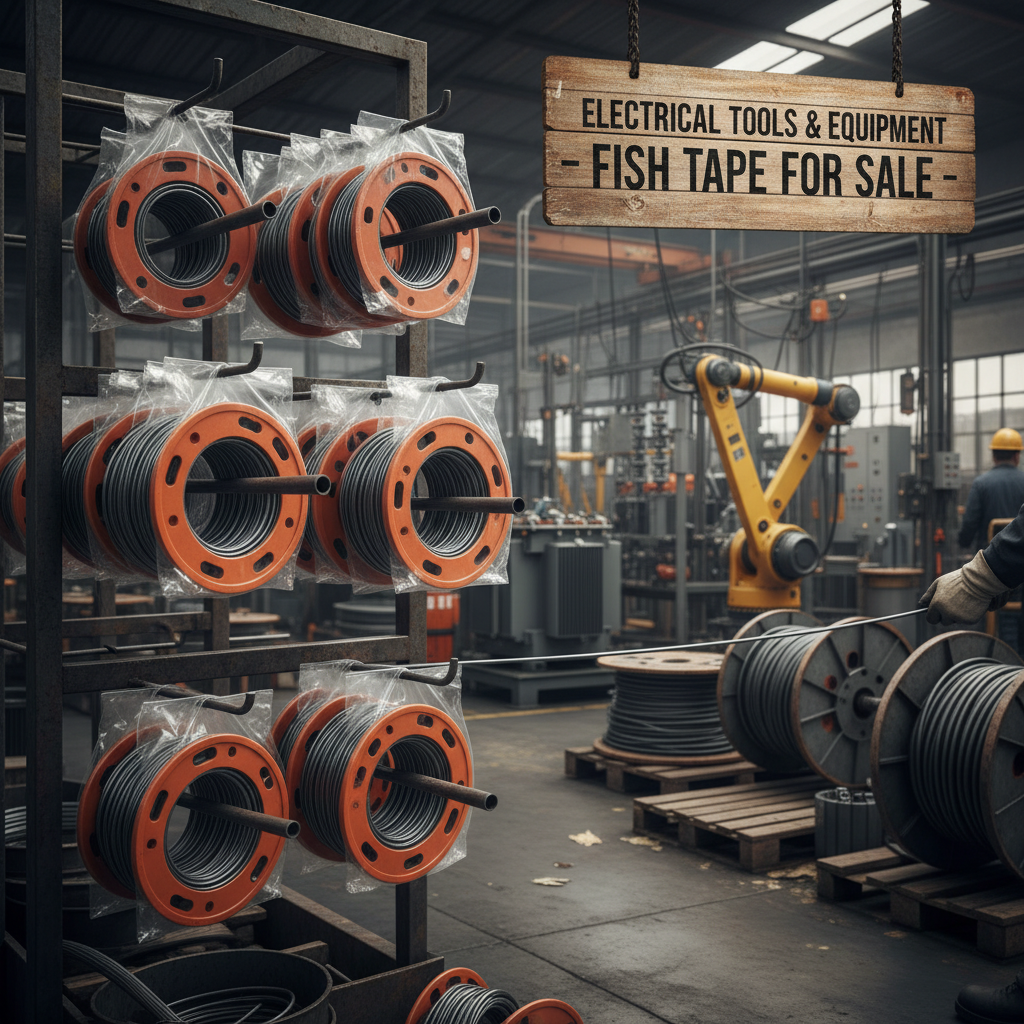
Fish tape for sale is a critical component in electrical conduit installation, playing a vital role across numerous industries globally. Its primary function – pulling electrical wires through conduit – is essential for safe and efficient power distribution in buildings, infrastructure, and industrial settings. Demand for reliable and durable fish tape is consistently high, driven by ongoing construction, infrastructure upgrades, and the increasing complexity of electrical systems. Understanding the nuances of fish tape, from materials to deployment techniques, is crucial for professionals ensuring code compliance and operational safety.
The global market for fish tape for sale is influenced by factors such as building regulations, urbanization rates, and the growth of renewable energy projects. Emerging economies experiencing rapid infrastructure development often exhibit a strong demand. ISO standards and industry best practices heavily influence product quality and safety protocols. Concerns surrounding worker safety and the need for efficient installation methods are driving innovations in fish tape design, focusing on features like increased strength, abrasion resistance, and ease of use.
Investing in high-quality fish tape for sale translates to reduced project timelines, minimized downtime, and enhanced safety on the job site. Selecting the appropriate fish tape for a given application is vital, considering factors like conduit length, diameter, and the number/type of wires being pulled. This ensures a smooth, efficient, and compliant installation process, ultimately contributing to the longevity and reliability of the electrical infrastructure.
Understanding Fish Tape for Sale
The availability of fish tape for sale is directly tied to the health of the construction and electrical industries. From small-scale residential projects to large-scale commercial and industrial installations, a consistent supply of dependable fish tape is paramount. Different types of fish tape cater to specific needs, ranging from steel fish tape for heavier duty applications to fiberglass fish tape for non-metallic conduit.
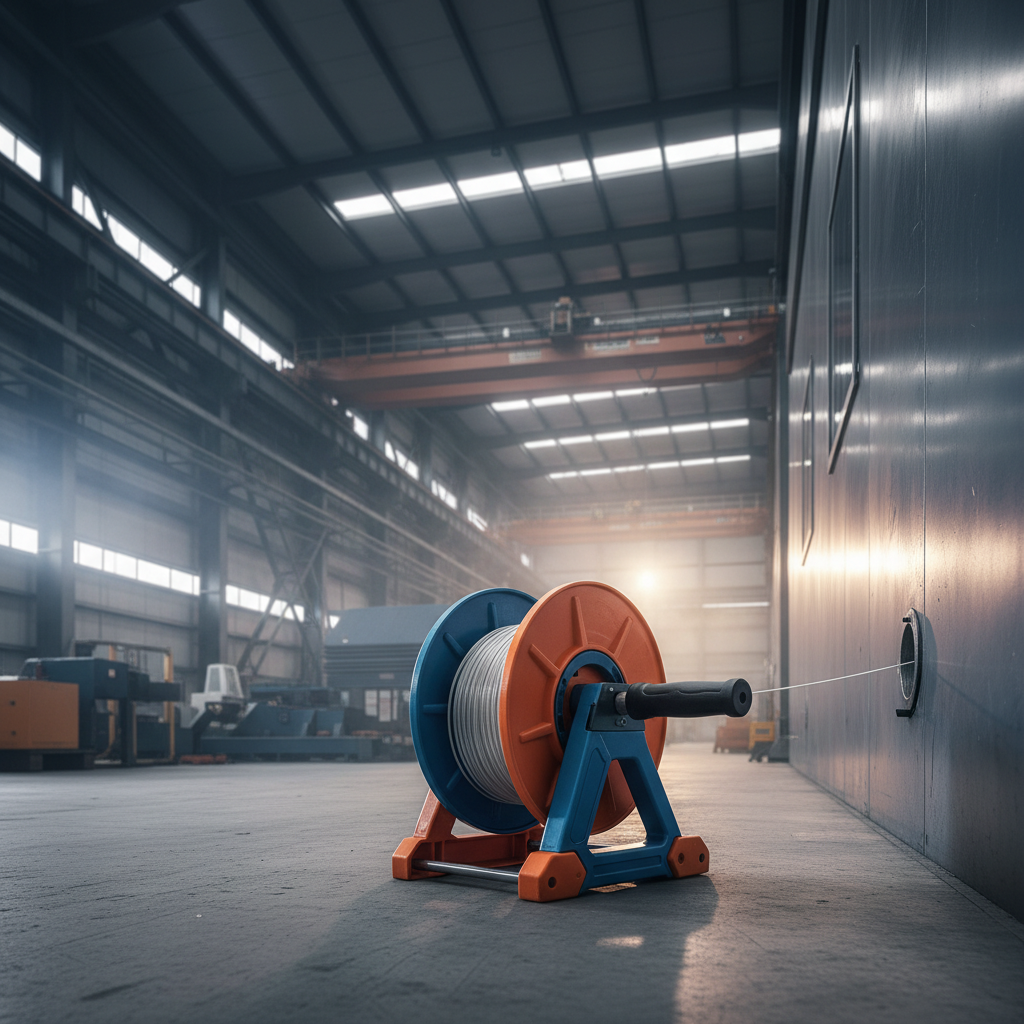
When looking to purchase fish tape for sale, it’s important to consider the material, length, width, and case type. A robust case provides protection during transport and storage, preventing kinks and damage that could compromise its performance. Understanding these fundamental factors allows professionals to make informed decisions, ensuring they select the best tool for the job. You can find a great selection of fish tape for sale to meet your needs.
Global Relevance and Industry Context
The demand for fish tape for sale is intrinsically linked to global construction activity and electrical infrastructure development. Regions experiencing rapid urbanization and economic growth, such as Asia-Pacific and parts of Africa, are witnessing a significant increase in demand for electrical installation tools, including fish tape. According to a report by the UN, over half the world’s population currently lives in urban areas, a figure projected to rise to 68% by 2050, driving the need for expanded electrical grids.
The electrical contracting industry, a major consumer of fish tape for sale, is also subject to increasing regulatory scrutiny regarding safety and compliance. Stringent building codes and safety standards necessitate the use of high-quality tools that meet specified performance criteria. Furthermore, the burgeoning renewable energy sector, with its reliance on extensive cabling for solar farms and wind turbines, contributes significantly to the global demand for fish tape.
This demand extends beyond large-scale projects. The consistent need for electrical repairs, renovations, and upgrades in residential and commercial buildings maintains a stable baseline demand for fish tape for sale across the globe. The challenge lies in ensuring a reliable supply chain and access to innovative products that address the evolving needs of the electrical industry.
Defining Fish Tape for Sale
Fish tape for sale, also known as fish tape or pull tape, is a slender, flexible tool used by electricians to pull electrical wires and cables through conduit. Typically made from steel, fiberglass, or a composite material, it's designed to navigate bends and obstacles within the conduit, facilitating the installation process. The term 'fish tape' originates from its resemblance to a fishing line used to guide the wires.
In modern industry, fish tape plays a critical role in ensuring safe and efficient electrical installations. Without it, running wires through enclosed spaces would be significantly more difficult and time-consuming. The tool supports compliance with electrical codes and standards, contributing to the overall reliability and safety of electrical systems. Modern humanitarian efforts, such as restoring power to disaster-stricken areas, also depend on the availability of fish tape.
The core function of fish tape for sale is to overcome the friction and physical challenges inherent in conduit systems. Its flexibility allows it to follow the conduit’s path, even through complex bends, ensuring that wires are correctly positioned and protected. The quality of the fish tape directly impacts the ease and speed of the installation, minimizing labor costs and potential complications.
Key Factors in Fish Tape Selection
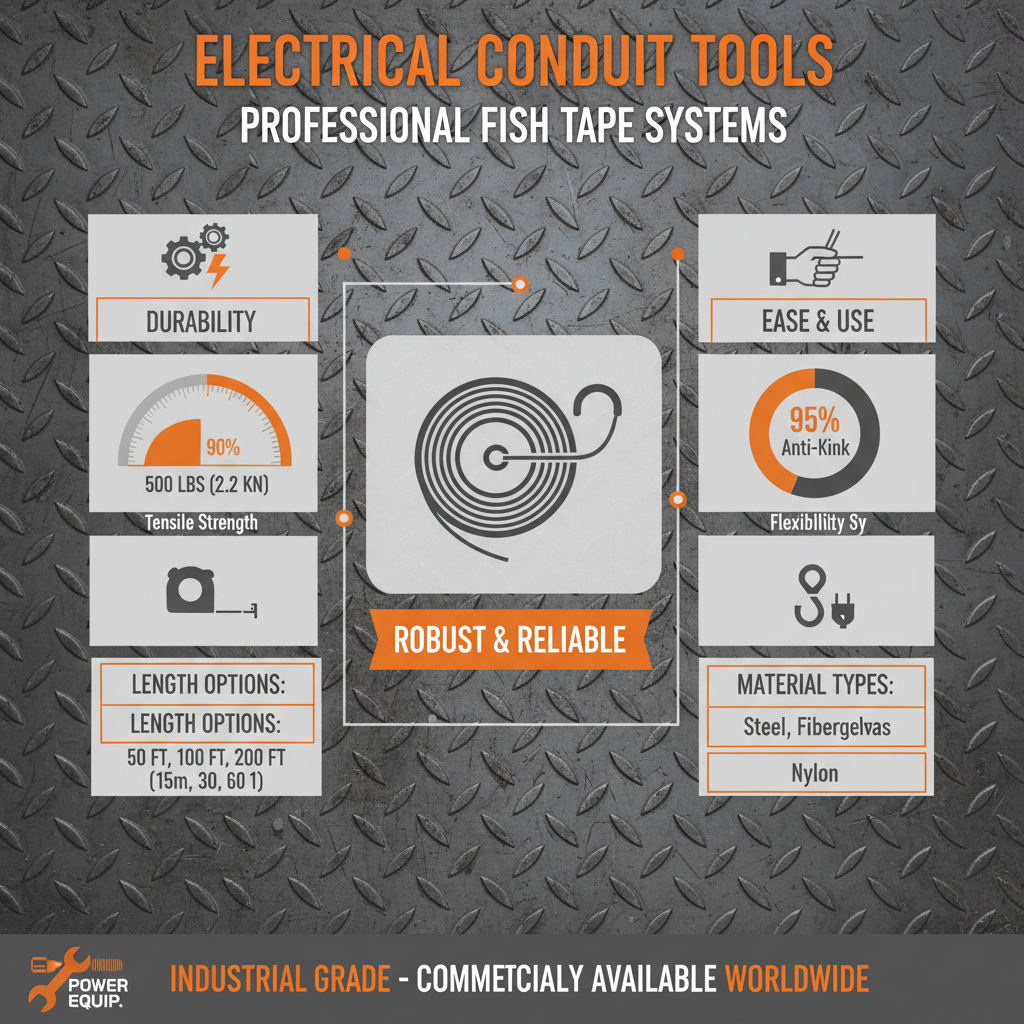
Choosing the right fish tape for sale involves considering several critical factors. First, Durability is paramount. A high-quality fish tape must withstand repeated use, resist kinking, and maintain its flexibility even after being subjected to various environmental conditions. Materials like hardened steel or fiberglass are known for their resilience.
Second, Strength is essential, especially when pulling heavier gauge wires or navigating long conduit runs. Tensile strength is a key specification to consider. Third, Material matters; steel fish tape offers excellent strength but isn't ideal for non-metallic conduit, while fiberglass is non-conductive and suitable for all types. Fourth, Length should match the anticipated conduit run. Finally, Case Design affects portability and protection, with options ranging from simple hand-crank cases to more robust wheeled carriers.
Fish Tape for Sale Performance Comparison
Global Applications & Use Cases
Fish tape for sale finds application in a vast array of settings. In residential construction, it's essential for wiring new homes and remodeling existing structures. Commercial buildings, with their complex electrical systems, rely heavily on fish tape during construction and maintenance. Industrial facilities, often requiring extensive cabling for machinery and control systems, represent a significant market.
In post-disaster relief operations, quick restoration of power is critical, and fish tape is often used to rapidly repair damaged electrical lines. In remote industrial zones, where access to specialized equipment may be limited, fish tape provides a practical and reliable solution for electrical installations. Furthermore, the renewable energy sector, particularly solar and wind farms, utilizes fish tape extensively for cabling installations.
Across all these applications, the common thread is the need for a reliable and efficient way to run electrical wires through conduits. Whether it's a small repair job or a large-scale infrastructure project, fish tape for sale remains an indispensable tool for electricians worldwide.
Advantages and Long-Term Value
The advantages of using high-quality fish tape for sale extend beyond simply facilitating wire installation. The primary benefit is Cost Efficiency: reducing installation time translates to lower labor costs. Secondly, Reliability ensures a secure and lasting electrical connection, minimizing the risk of future failures and costly repairs. Investing in durable fish tape reduces the need for frequent replacements.
Safety is another key advantage. Using the right fish tape reduces the risk of wire damage, shorts, and electrical hazards. The peace of mind that comes from knowing a job is done correctly and safely is invaluable. Finally, choosing a reputable brand known for innovation and quality demonstrates a commitment to professionalism and trust.
Future Trends and Innovations
The future of fish tape for sale is likely to be shaped by several emerging trends. Innovations in materials science are leading to the development of stronger, more flexible, and more durable fish tapes. The integration of digital technology, such as sensors and data logging, could provide insights into conduit conditions and installation performance.
Sustainability is also becoming a key consideration, with manufacturers exploring eco-friendly materials and production processes. Automation and robotics are increasingly being used in electrical installations, and fish tape designed for use with automated systems is likely to become more prevalent. The demand for fish tape compatible with the latest conduit materials and wiring technologies will continue to drive innovation.
Challenges & Solutions
One common challenge with fish tape for sale is kinking or twisting, particularly during long conduit runs. This can hinder the pulling process and potentially damage the wires. Solutions include using fish tape with a specialized coating or a more robust case design to prevent tangling. Another challenge is abrasion resistance, especially when navigating rough or damaged conduit.
Selecting fish tape made from abrasion-resistant materials like braided steel or fiberglass can mitigate this issue. Furthermore, proper lubrication of the conduit can reduce friction and ease the pulling process. Finally, ensuring that electricians receive adequate training on proper fish tape handling and maintenance is crucial for maximizing its lifespan and performance.
Addressing these challenges through innovative design and best practices ensures that fish tape continues to be a reliable and efficient tool for electrical professionals. A reliable vendor of fish tape for sale will offer solutions to these common problems.
Summary of Fish Tape Features and Benefits
| Material Type |
Strength Rating (1-10) |
Typical Applications |
Cost (USD) |
| Steel |
9 |
Heavy-duty conduit runs, industrial applications |
$25-$50 |
| Fiberglass |
7 |
Non-metallic conduit, residential wiring |
$15-$30 |
| Braided Steel |
10 |
Long runs, complex bends |
$40-$70 |
| Steel with Coating |
8 |
Corrosive environments, wet locations |
$30-$55 |
| Composite |
6 |
Light-duty applications, quick repairs |
$10-$20 |
| Fiberglass Braided |
7.5 |
Combining durability of braided with non conductivity. |
$20-$40 |
FAQS
For harsh environments with corrosive elements, fiberglass fish tape is generally the best choice. It's non-conductive, won’t rust or corrode, and offers excellent resistance to chemicals and moisture. While steel offers higher tensile strength, it’s susceptible to corrosion, potentially leading to failure and safety hazards in such conditions. Consider a braided fiberglass tape for enhanced durability.
To prevent kinking, choose fish tape with a robust case that allows for smooth winding and unwinding. Avoid yanking or forcing the tape during use. Instead, apply steady, controlled pressure. For longer runs, consider using a fish tape with a rotating handle or a powered reel. Proper storage – fully wound in its case – is also crucial to prevent tangling.
The ideal length depends on the typical conduit runs you'll encounter. As a general rule, it’s better to have a slightly longer tape than needed. For residential work, 50-100 feet may suffice, while commercial and industrial applications often require 150-300 feet or even more. Always factor in bends and obstacles when estimating the necessary length.
Always wear appropriate personal protective equipment (PPE), including safety glasses and gloves. Never use fish tape near live electrical circuits. Before starting, de-energize the circuit and verify it's safe using a voltage tester. Avoid overexerting the tape, and never pull on a damaged or frayed tape. Regular inspection of the tape for wear and tear is essential for safe operation.
Steel fish tape offers superior tensile strength, making it suitable for heavy-duty applications. However, it's conductive and can corrode. Fiberglass fish tape is non-conductive, rust-proof, and ideal for use in non-metallic conduit. It’s also safer around live circuits. Steel is generally less expensive, while fiberglass is more resistant to harsh environments.
The lifespan of fish tape depends on usage and maintenance. Inspect the tape regularly for signs of wear, fraying, or damage. If you notice any issues, replace it immediately. As a general guideline, replace steel fish tape if it becomes corroded or significantly bent. Fiberglass tape should be replaced if it shows signs of cracking or delamination. Regular cleaning and proper storage can extend its lifespan.
Conclusion
In conclusion, fish tape for sale remains an essential tool for electrical professionals worldwide. Its role in ensuring safe, efficient, and compliant electrical installations is paramount, and its demand is intrinsically linked to global infrastructure development. Understanding the different types of fish tape available, their respective strengths and weaknesses, and proper usage techniques is crucial for maximizing performance and safety.
Looking ahead, innovations in materials science and design will continue to drive improvements in fish tape technology. By embracing these advancements and prioritizing safety and sustainability, the electrical industry can ensure that fish tape remains a reliable and indispensable tool for years to come. For a comprehensive selection of high-quality fish tape for sale, visit our website: www.bilopowtel.com.