Look, I’ve spent years in the trenches – literally. I've seen a lot of tools come and go, but a good fish tape wire puller is something you always need. It’s not glamorous, but it’s the backbone of getting electrical work done, and done right. From residential wiring to massive commercial projects, the ability to quickly and reliably pull wire through conduit is critical to staying on schedule and under budget. It's about more than just getting the job done; it's about minimizing downtime and frustration for the whole crew.
I've seen crews wrestle with cheap, flimsy tapes that kink, break, or just can't handle the bends. That’s lost time, damaged wire, and a lot of swearing. A quality fish tape wire puller isn’t just a convenience, it’s a safety measure. Frustrated workers rushing a job are more likely to make mistakes. A solid piece of equipment builds confidence and lets the electrician focus on the task at hand. The bottom line? Reliable infrastructure begins with reliable tools.
And it's not just about electrical work anymore. HVAC, low-voltage systems, even data cabling – they all rely on the same principle of getting lines through tight spaces. The demand for efficient and dependable wire pulling solutions is only growing, especially as buildings become more complex and technology advances. That’s why understanding what makes a fish tape wire puller truly effective is crucial for anyone in the construction industry.
The Essential Role of fish tape wire puller
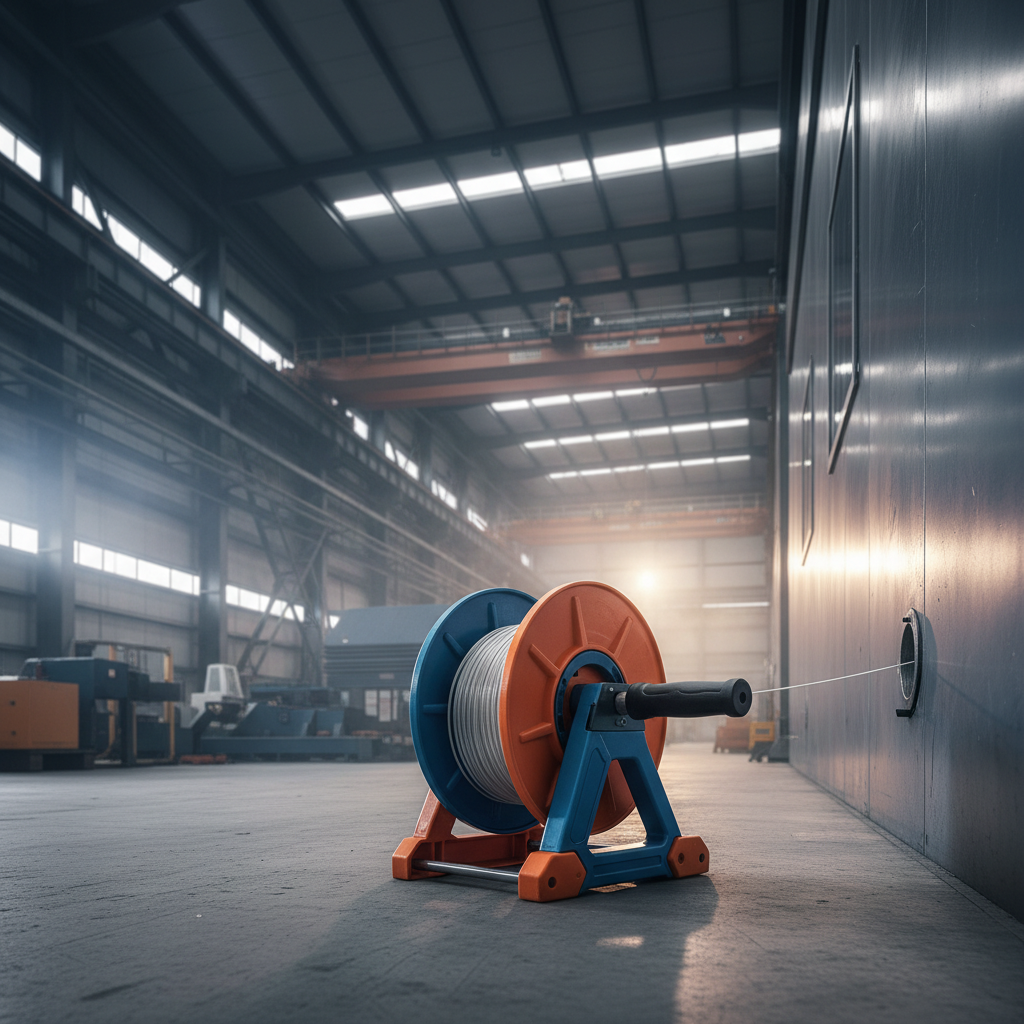
A fish tape wire puller is a fundamental tool for any electrician or installer. It's a flexible tool, typically made of steel or fiberglass, used to route electrical wires through conduit. It's the unsung hero of pretty much every wiring job. I've seen guys try to get by with coat hangers and other makeshift tools, but it's a false economy. A dedicated fish tape wire puller saves time, reduces damage to wires, and minimizes frustration.
What you might not realize is just how prevalent this need is. It’s not limited to new construction. Renovations, repairs, and even adding a single outlet often require running new wire, meaning a fish tape wire puller is a must-have. The demand extends globally, from the smallest residential projects to massive infrastructure builds.
Understanding fish tape wire puller in Modern Construction
Modern construction is all about efficiency and precision. Building Information Modeling (BIM) and prefabricated components are becoming standard, but they still rely on solid electrical connections. A fish tape wire puller fits into this workflow by ensuring that wiring is installed quickly and correctly, even in complex building designs. We’re seeing more crowded conduits, tighter spaces, and a greater need for specialized tapes to handle different wire types.
The ISO standards for electrical installations are also driving a demand for reliable tools. Compliance requires documented quality control, and using a durable, dependable fish tape wire puller is part of that process. It's not just about making a connection; it’s about making a connection that lasts and meets regulatory requirements.
The rise of smart buildings and the Internet of Things (IoT) is further increasing the need for extensive wiring infrastructure. More devices mean more cables, which means more reliance on efficient wire pulling techniques.
Key Components of a High-Quality fish tape wire puller
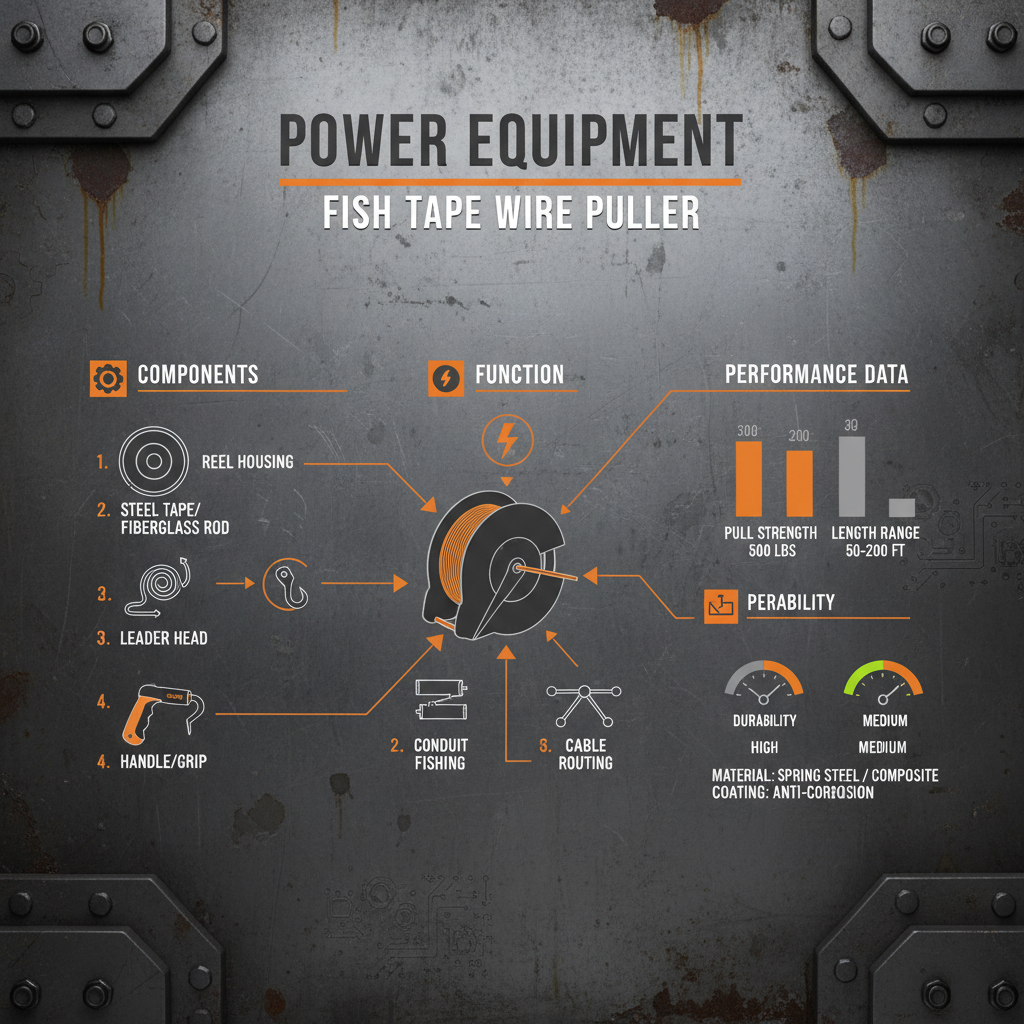
Let’s talk brass tacks. What makes a good fish tape wire puller? First, the material. Steel tapes are strong but can kink and lose their flexibility. Fiberglass is more flexible and non-conductive (a huge safety bonus), but can be more expensive. The coating is also crucial; it should be smooth to minimize friction and resistant to abrasion.
The handle and case matter too. A comfortable grip is essential for extended use, and a durable case protects the tape when it's not in use. Look for a case that can withstand being dropped or tossed around on a job site – because it will happen. And consider the length of the tape. You need enough to reach across long conduit runs, but not so much that it becomes unwieldy.
Finally, think about the end attachment. Some tapes have a simple loop, while others have more sophisticated attachments for connecting to wire grips or pulling eyes. The right attachment can make a huge difference in efficiency and ease of use.
Performance Metrics for fish tape wire puller
When I'm evaluating a fish tape wire puller, I’m looking at a few key things beyond just the price. Tensile strength is critical – how much pull force can the tape withstand before breaking? Flexibility is also important, especially for navigating tight bends. I like to measure how easily the tape moves through a standardized conduit run.
Durability is a big one. I'll deliberately try to kink and bend the tape to see how well it holds up. And finally, the coefficient of friction – how smoothly the tape slides through the conduit. Lower friction means less effort and faster wire pulls.
fish tape wire puller Performance Comparison
Global Applications of fish tape wire puller
The need for fish tape wire pullers isn't limited by geography. In rapidly developing nations, where infrastructure is being built at an incredible pace, these tools are essential for expanding access to electricity. In remote areas, where getting supplies is challenging, a durable fish tape wire puller can be a lifesaver.
I’ve worked on projects everywhere from sprawling urban centers to isolated rural communities, and the need is always the same. Whether it's wiring a new hospital in Africa or upgrading the power grid in Europe, a reliable fish tape wire puller is a common denominator.
The Long-Term Value of Investing in a Reliable fish tape wire puller
Look, I get it. It's tempting to go with the cheapest option. But trust me, you get what you pay for. A cheap fish tape wire puller will likely break quickly, costing you time and money in the long run. A high-quality tape might cost more upfront, but it will last longer, perform better, and reduce the risk of costly downtime.
Investing in a reliable fish tape wire puller is an investment in your crew's safety, productivity, and the overall quality of your work. It’s a small price to pay for peace of mind.
Future Trends in fish tape wire puller Technology
We’re starting to see some interesting innovations in fish tape wire puller technology. New materials are being developed that offer even greater strength and flexibility. Some manufacturers are incorporating features like integrated LED lights to improve visibility in dark conduits. We're also seeing more ergonomic designs for increased comfort and reduced fatigue.
The push for sustainability is also driving innovation. Manufacturers are exploring the use of recycled materials and developing more durable tapes that last longer, reducing waste. And with the rise of automation, we might even see robotic systems that can automatically pull wire through conduit.
Summary of fish tape wire puller Advancement and Application
| Advancement Area |
Current Status |
Impact on fish tape wire puller Performance |
Future Outlook |
| Material Science |
Fiberglass and High-Strength Steel |
Enhanced Durability and Flexibility |
Carbon Fiber Integration |
| Ergonomic Design |
Improved Grip and Comfort |
Reduced Fatigue and Increased Efficiency |
Adaptive Grip Technology |
| Lighting Integration |
LED Illumination for Dark Conduits |
Improved Visibility and Accuracy |
Adjustable Light Intensity |
| Coating Technology |
Low-Friction Polymer Coatings |
Reduced Drag and Easier Wire Pulling |
Self-Lubricating Coatings |
| Automation Integration |
Limited Automation in Wire Pulling |
Potential for Increased Speed and Efficiency |
Robotic Wire Pulling Systems |
| Sustainability |
Limited Use of Recycled Materials |
Reduced Environmental Impact |
Bio-Based and Recycled Materials |
FAQS
That depends on the job. Steel is strong, but fiberglass offers superior flexibility and is non-conductive, making it safer for working around live wires. For general use, fiberglass is a great all-around choice. If you're dealing with extremely heavy-duty pulls and aren't concerned about conductivity, steel can be a good option.
Kinking is a common problem, especially with steel tapes. Always coil the tape loosely when storing it, and avoid sharp bends when pulling. A good case with a rotating handle can also help prevent kinking. Lubricating the tape with a silicone-based lubricant can also reduce friction and make it less likely to kink.
Measure the longest run you'll encounter, and add a few extra feet for good measure. It's better to have too much tape than not enough. Consider the complexity of the run as well. More bends and obstacles will require a longer tape.
Always prioritize safety! If possible, de-energize the circuit before pulling wire. If that's not possible, use a fiberglass fish tape wire puller, as it's non-conductive. Wear appropriate personal protective equipment (PPE), including gloves and eye protection.
After each use, wipe the tape clean with a cloth to remove any dirt or debris. For stubborn grime, you can use a mild detergent and water. Make sure the tape is completely dry before storing it. Avoid using harsh chemicals or abrasive cleaners.
It depends on how often you use it and how well you maintain it. Inspect the tape regularly for signs of damage, such as kinks, fraying, or corrosion. If the tape is damaged, replace it immediately. A well-maintained fish tape wire puller can last for years, but it's important to be proactive about replacement.
Conclusion
A fish tape wire puller may seem like a simple tool, but it’s a critical component of any successful electrical or installation project. From ensuring safety and efficiency to maintaining project timelines and budgets, a high-quality wire puller is an invaluable asset. Understanding the different materials, features, and performance metrics allows you to choose the right tool for the job, leading to better results and fewer headaches.
Looking ahead, the future of fish tape wire pullers will be shaped by innovation in materials, ergonomics, and automation. Investing in a reliable fish tape wire puller isn't just about getting the job done today; it's about preparing for the challenges and opportunities of tomorrow.