You know, lately everyone’s talking about “smart” fiber pullers. Not really smart, mind you, more like… automated. It’s a trend, definitely. Folks are trying to cut down on labor costs, speed things up. But honestly, a lot of these “smart” features just add complexity. I've seen guys spend more time troubleshooting the automation than actually pulling fiber. To be honest, most of the time a good, experienced crew can outpace anything with flashing lights.
What really gets me is when designers forget about the field. They’re sitting in an office, thinking about theoretical tensile strength, and completely miss the fact that the cable’s gonna be covered in mud half the time. It’s a classic. Have you noticed how many pullers have these tiny, delicate rollers? Dirt gets in there, and you’re stuck. The best ones? Big, chunky rollers that can handle a little grit. Simple is always better, especially when you’re dealing with unpredictable environments.
We're using a lot of high-density polyethylene for the cable jackets these days. Feels… waxy, almost. Smells faintly of plastic, but not offensively so. It’s surprisingly tough stuff, but it will kink if you're not careful. And the steel conduit? Galvanized, mostly. You can tell a good piece of galvanized steel by the weight, and the slightly rough texture. A smooth finish usually means corners were cut somewhere. Anyway, I think.
The Growing Demand for fiber puller for sale
The demand for fiber optic infrastructure is exploding, right? 5G, data centers, everything. That means more and more cable needs to be pulled, and it needs to be pulled fast. I encountered this at a data center build in Northern Virginia last time – the pressure to get the fiber installed was insane. They were running three shifts just to keep up. This drives the need for reliable, efficient fiber puller for sale.
And it's not just about speed. It's about reducing damage to the fiber itself. A damaged fiber run means downtime, re-work, and unhappy customers. A good fiber puller minimizes that risk. Strangely, a lot of companies still skimp on this part, thinking they can get away with cheaper options. They usually regret it.
Defining fiber puller for sale and its Relevance
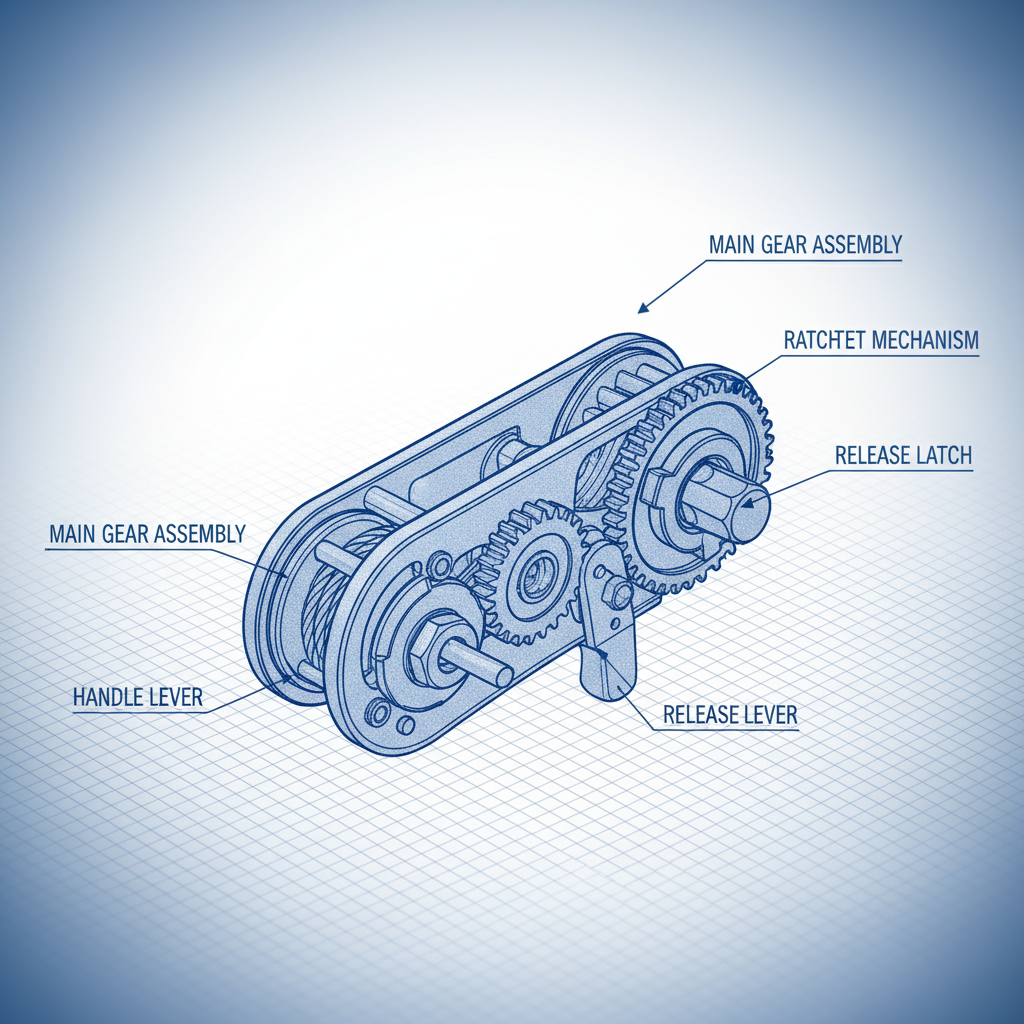
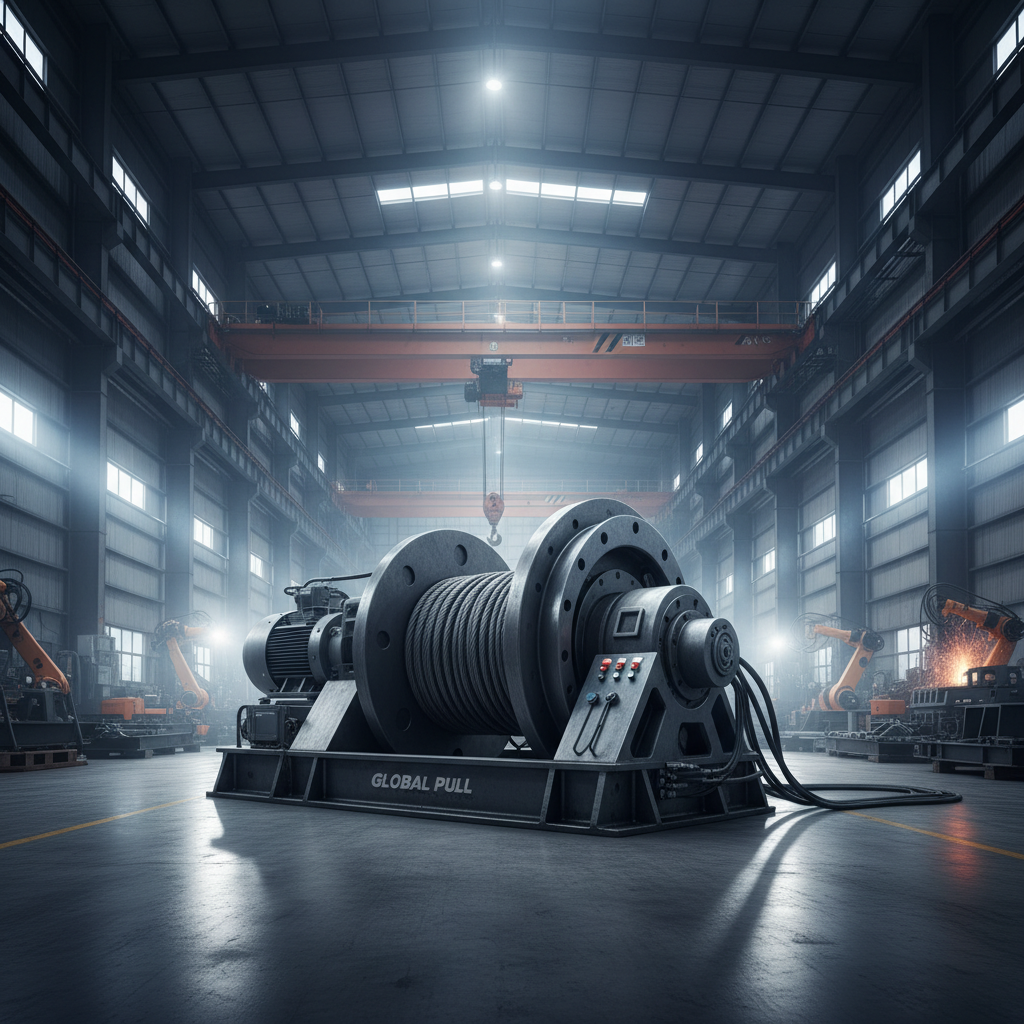
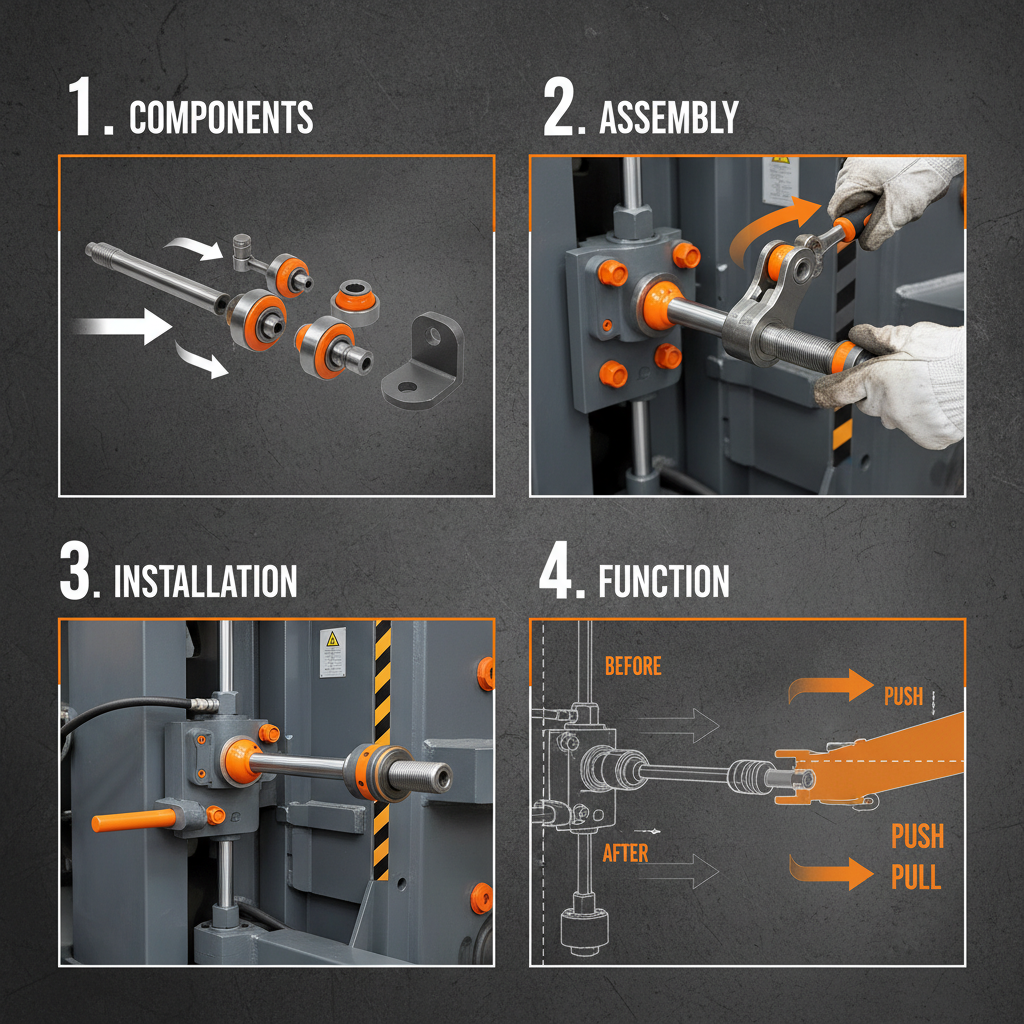
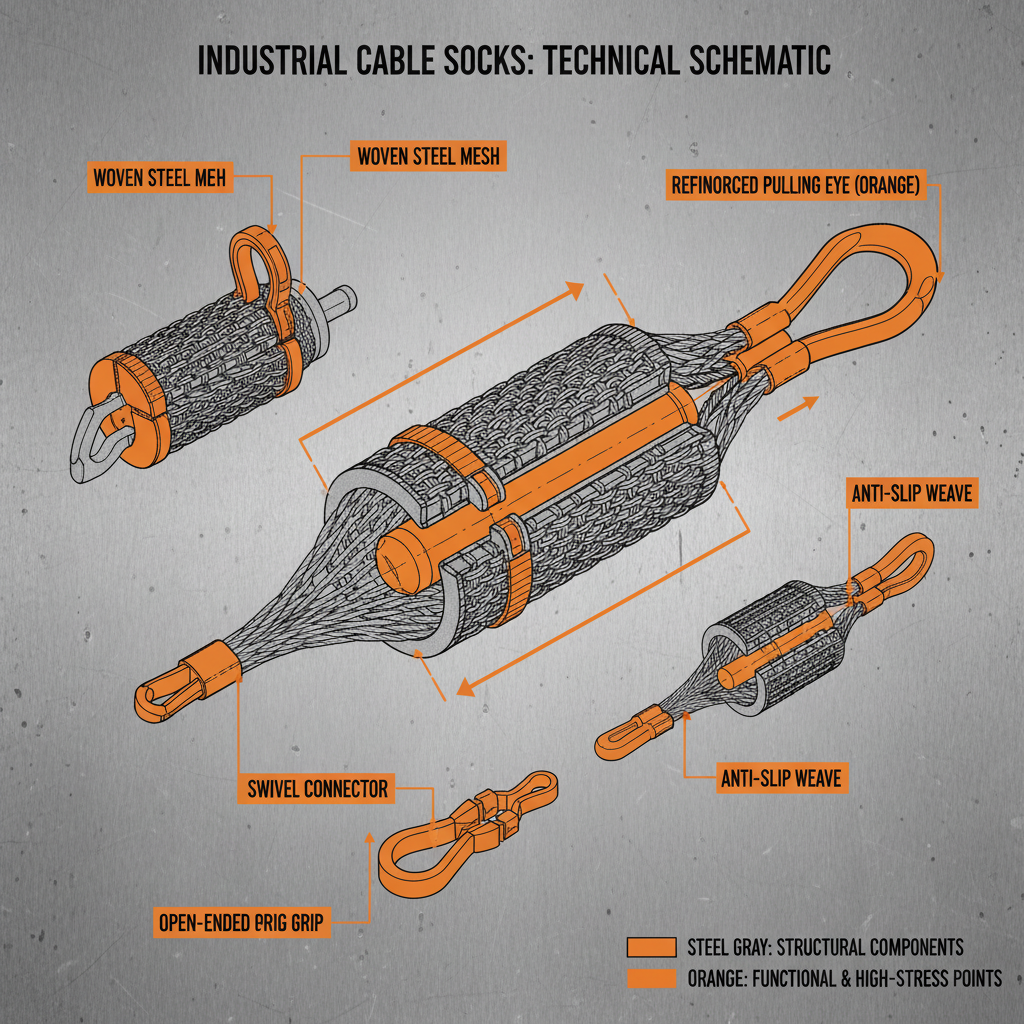
Okay, so what is a fiber puller? Simply put, it's a machine designed to safely and efficiently pull fiber optic cable through conduit. They range from basic manual units to sophisticated, computer-controlled systems. The relevance is obvious: without them, installing large-scale fiber networks would be a nightmare. It’d be all back-breaking labor and a huge risk of damaging the cable.
These aren’t just for telecom companies, either. Data centers, industrial facilities, even residential developments are relying on fiber optics more and more. The demand for bandwidth is never going to decrease, so this isn’t a fad. It’s a fundamental shift in how we connect.
And it ties into larger infrastructure projects worldwide. The UN’s sustainable development goals, for example, rely heavily on improved connectivity, and that means more fiber.
Key Factors in Choosing a fiber puller for sale
When you’re looking at a fiber puller for sale, there are a few key things to consider. First, the pulling capacity – how much force can it exert? Second, the type of cable it can handle – single-mode, multi-mode, different diameters. Third, the speed and control – can you adjust the pulling speed to prevent damage?
Durability is huge. These things get thrown around on construction sites. They get rained on, covered in dust, and generally abused. You want something built to last. I’ve seen too many flimsy models fall apart after just a few weeks. It’s a false economy to buy cheap.
Finally, think about portability. Are you going to be using it in tight spaces? Do you need something that’s easy to move around? Some of these units are massive, while others are relatively compact.
Global Applications of fiber puller for sale
These aren’t just used in developed countries. In post-disaster relief operations, getting communication lines back up is critical, and fiber pullers are essential for that. I’ve seen them used extensively in earthquake zones and hurricane-affected areas. The speed of deployment is a lifesaver.
In remote industrial zones, like mining operations or oil fields, reliable communication is vital for safety and efficiency. Fiber offers the bandwidth and security they need, and fiber pullers make the installation feasible.
And, of course, the biggest demand is in expanding urban fiber networks. Cities around the world are upgrading their infrastructure to support smart city initiatives and increased internet usage.
Fiber Puller Performance Comparison
Advantages and Long-Term Value of fiber puller for sale
The biggest advantage is reduced labor costs and faster installation times. That translates to significant savings on large projects. A good fiber puller pays for itself quickly. But it’s not just about money. It’s about safety, too. Less manual pulling means less strain and fewer injuries for the workers.
The long-term value is in the reliability of the network. Properly installed fiber, using the right tools, will last for decades. It's a durable investment. And frankly, a well-maintained fiber puller will also last for years, reducing the need for frequent replacements.
Future Trends and Innovations in fiber puller for sale
I’m seeing more and more integration of IoT technology into fiber pullers. Remote monitoring, predictive maintenance… that sort of thing. It’s still early days, but it has the potential to significantly improve efficiency and reduce downtime. I’m not sure how much of it is actually useful, to be honest. Seems like a lot of bells and whistles.
There’s also a push towards more automated systems, capable of handling longer runs and more complex configurations. And, unsurprisingly, everyone's trying to make them lighter and more portable. The goal is to get a powerful puller that can fit in a tight space.
Challenges and Solutions in Utilizing fiber puller for sale
One of the biggest challenges is dealing with existing infrastructure. Trying to pull fiber through old, congested conduits can be a nightmare. You need the right attachments, the right lubricant, and a lot of patience. And sometimes, you just have to accept that you need to replace the conduit altogether.
Another issue is training. These machines aren’t intuitive. You need to train your crew properly to avoid damaging the fiber or the equipment. We do a lot of on-site training for our customers, which helps.
The table below summarizes common challenges and proposed solutions.
Common Challenges and Solutions with Fiber Puller Deployment
| Challenge |
Impact |
Solution |
Cost Estimate |
| Conduit Obstructions |
Cable damage, installation delays |
Use conduit lubricant, specialized pull heads |
$50 - $200 |
| Fiber Kinking |
Signal loss, network downtime |
Controlled pulling speed, fiber buffer protection |
$10 - $50 |
| Equipment Malfunction |
Project delays, repair costs |
Regular maintenance, operator training |
$100 - $500 (annual) |
| Incorrect Cable Selection |
Poor performance, compatibility issues |
Thorough planning, material specification |
$0 (preventative) |
| Limited Access |
Difficult maneuverability, time consumption |
Compact fiber puller models, strategic planning |
$200 - $800 (equipment upgrade) |
| Lack of Operator Skill |
Damage to cables, inefficient operation |
Comprehensive training programs, certification |
$300 - $1000 (per operator) |
FAQS
A well-maintained fiber puller, even a heavy-duty one, should last anywhere from 5 to 10 years. It really depends on how often it’s used and the conditions it's exposed to. Regular lubrication, cleaning, and prompt repairs are key. Don’t ignore those little squeaks – they usually turn into big problems.
That depends on the length of the run, the type of cable, and the number of bends in the conduit. Too little force, and you’ll get stuck. Too much, and you risk damaging the cable. A good rule of thumb is to start with a lower force and gradually increase it until you feel resistance. Always refer to the cable manufacturer’s specifications.
Most modern fiber pullers are designed to handle a wide range of cable types, including single-mode, multi-mode, and various jacket materials. However, it’s crucial to check the manufacturer’s specifications to ensure compatibility. Some pullers have specialized attachments for delicate cables or smaller conduits.
Safety first! Always wear appropriate personal protective equipment, including gloves and safety glasses. Make sure the work area is clear of obstacles and that everyone is aware of the operation. Never exceed the puller's rated capacity, and always follow the manufacturer’s instructions. And be mindful of pinch points.
Hydraulic pullers offer more consistent and controlled pulling force compared to manual or electric models. They are ideal for long runs and challenging installations. They also tend to be more durable and reliable. The downside is they’re usually heavier and more expensive.
Absolutely. Ignoring preventative maintenance is a recipe for disaster. Regular cleaning, lubrication, and inspection can prevent costly breakdowns and extend the life of the machine. Think of it like your truck – you wouldn’t drive it for years without an oil change, would you? Same principle applies here.
Conclusion
Ultimately, a good fiber puller for sale is an investment in efficiency, safety, and long-term network reliability. It's about more than just pulling a cable through a pipe; it's about ensuring a consistent, high-quality connection that will serve its purpose for years to come. There’s a lot of hype around fancy features, but the core principles remain the same: durability, control, and ease of use.
So, do your research, choose wisely, and don’t be afraid to ask questions. Because ultimately, whether this thing works or not, the worker will know the moment he tightens the screw. And if he’s cursing under his breath, you probably bought the wrong one.