TEL:0086-311-88862036


English

Email:info@bilopowtel.com


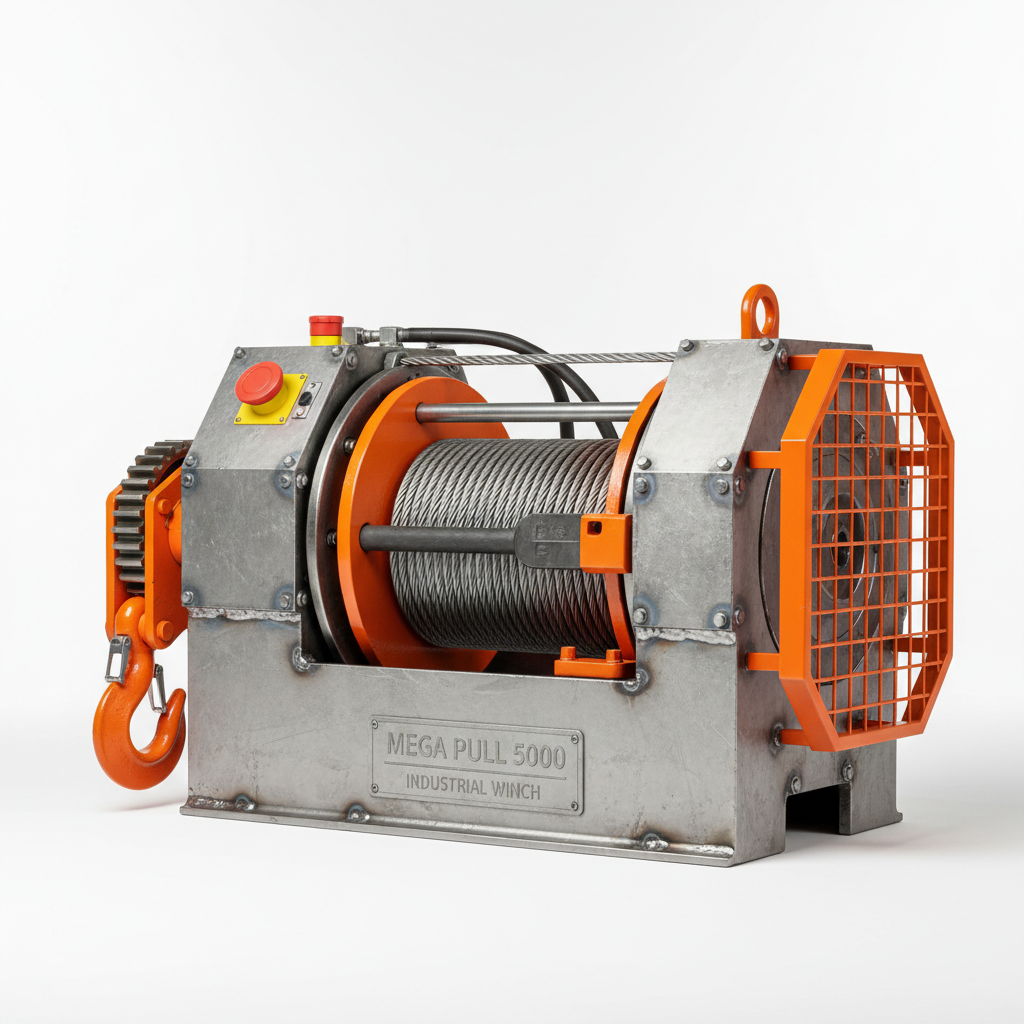
You know, these days everyone’s talking about automation, remote control, IoT… honestly, it feels like a whole new world compared to when I started. I remember lugging around manuals thicker than my arm just to troubleshoot a simple winch. Now, they want everything controlled by an app. It's faster, sure, but… sometimes I miss the simplicity. These cable hauling winch for sale are getting more sophisticated, that’s for certain. And the demand is up. A lot of infrastructure projects, especially in Asia and Africa, are driving the market. The UN even put out a report last year about the need for robust material handling equipment in disaster relief zones. It’s not just construction anymore.
But here’s the thing, you can’t just slap a bunch of electronics onto a winch and call it progress. I've seen too many designs that look good on paper but fall apart the second you get them on a muddy job site. The biggest issue I've noticed is underestimating the vibration. These things shake – a lot. It rattles components loose, screws back out… it’s a nightmare. We’ve had to completely redesign vibration dampening systems more times than I can count. And don’t even get me started on the software glitches when it’s freezing outside.
It all comes down to understanding where these winches will actually be used. It's easy to sit in an office and spec out a perfect machine, but it’s a completely different story when you're standing in the rain trying to get it working.
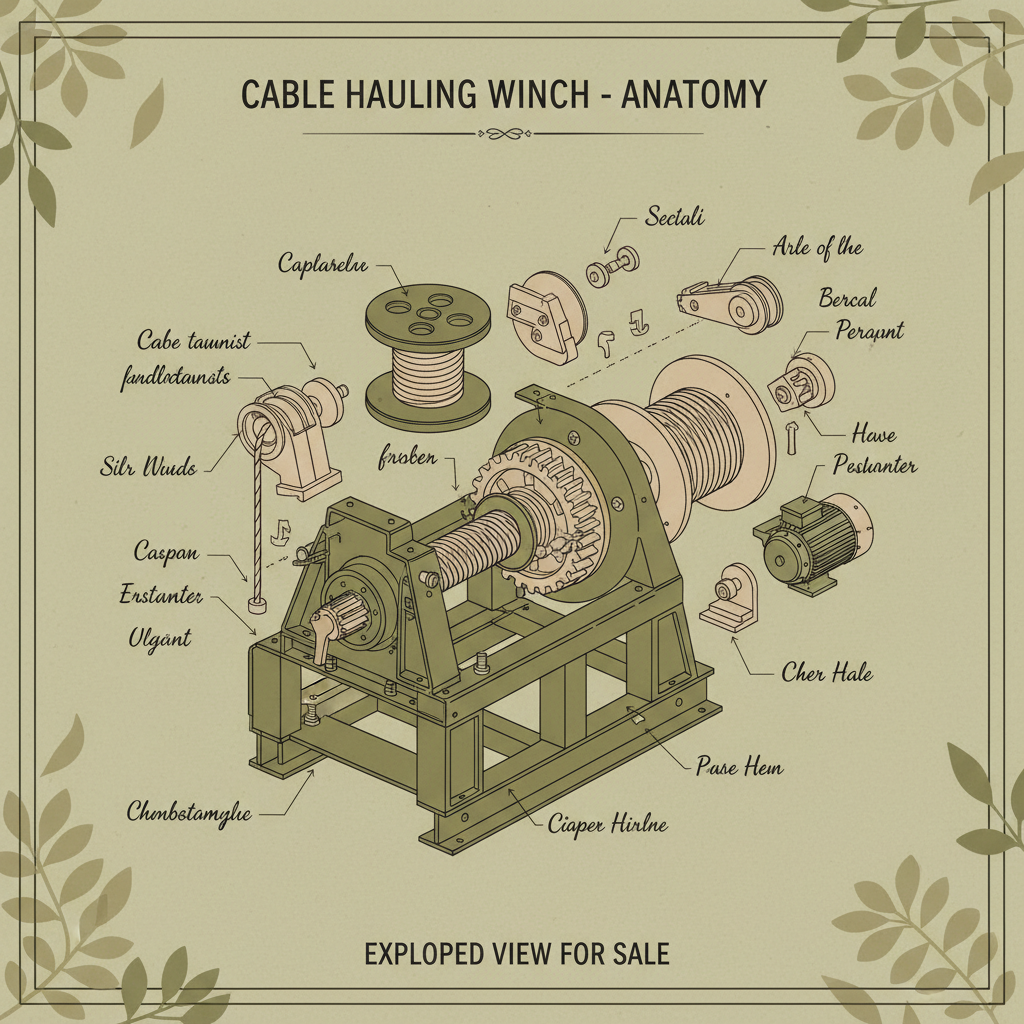
To be honest, the biggest trend right now is miniaturization and power-to-weight ratio. Everyone wants a winch that can pull a ton but weighs next to nothing. It's a noble goal, but it leads to compromises. Especially with the gearing. You start shaving off material, and suddenly you’re dealing with premature wear and tear. Have you noticed how many companies are advertising ‘high-strength alloys’? It’s all marketing fluff until you actually put it through the paces.
A common pitfall is focusing too much on peak pulling force and not enough on sustained torque. A winch might say it can pull 10,000 lbs, but if it overheats after five minutes, what good is that? We’re seeing more demand for variable speed control too – crucial for precision work, but adds another layer of complexity.
That’s a tricky one. It really depends on the conditions and how well it's maintained. But, realistically, with consistent servicing – oiling, checking cables, replacing worn parts – you’re looking at a solid 5-7 years, sometimes longer. But push it too hard, neglect maintenance, and you'll be replacing it sooner. We've seen some last over a decade with exceptional care, but that's rare.
Overload protection is critical. You want a winch that automatically stops if the load exceeds its capacity. Also, look for a robust braking system – a failing brake is a recipe for disaster. And a good cable guide is essential to prevent the cable from kinking or fraying. Finally, make sure it has clear and visible operating instructions and warning labels.
Regular lubrication of all moving parts is key. Check the cable for fraying or damage and replace it if necessary. Inspect the braking system and ensure it's functioning properly. Also, check the hydraulic fluid levels (if applicable) and top them up as needed. A thorough inspection at least once a month is a good starting point.
Some can, but it depends on the model. Look for winches with sealed components and corrosion-resistant coatings. Extreme temperatures – both hot and cold – can affect performance, so check the manufacturer's specifications. Operating in freezing conditions might require using synthetic lubricants to prevent them from thickening.
Hydraulic winches offer more raw power, making them ideal for heavy-duty applications. They’re generally more reliable in harsh environments. Electric winches are cleaner, quieter, and easier to control, but they may not have the same pulling power. The best choice depends on the specific application and your requirements.
Steel cable is the most common choice for its strength and durability. Synthetic rope, like Dyneema, is lighter and more flexible, but it may not have the same load capacity. For marine applications, stainless steel cable is a must to prevent corrosion. The right cable material depends on the load, the environment, and the desired level of flexibility.
Ultimately, these cable hauling winch for sale aren't just about horsepower and pulling force. It’s about reliability, durability, and understanding the real-world conditions they'll be operating in. It’s a balance between innovation and practicality. A shiny new feature is useless if it breaks down on the first job.
The future, I think, is in smarter winches – machines that can self-diagnose problems, adjust settings automatically, and even predict maintenance needs. But even with all the fancy tech, remember this: ultimately, whether this thing works or not, the worker will know the moment he tightens the screw.