Mobile/WhatsApp /WeChat: 008615226563165
TEL:0086-311-88862036
logo
English
logo
Email:info@bilopowtel.com
nanTop
TEL:
0086-311-88862036
0%

Table of Contents

Look, I’ve been hauling gear and talking to guys on construction sites for, well, let’s just say a long time. And lately? Everyone’s talking about these new cable pulling winches. Not a groundbreaking thing, you know? Winches have been around forever. But these…they’re trying to make things smarter. Smaller, lighter, more powerful. To be honest, half the time it’s just marketing hype. But there's definitely a push for efficiency, especially with labor costs going up.

The biggest thing I’ve noticed is everyone trying to cram more features into a smaller package. And that's where things get tricky. Have you noticed how often “improvements” just make something more complicated? You end up with a winch that needs a PhD to operate. We need things that work, reliably, not things that need constant fiddling. It reminds me of that time at the Shanghai factory… forget it, I won’t mention it.

And it’s not just about the electronics. The materials are changing too. Used to be everything was just solid steel. Now you've got these high-strength alloys, composites... Honestly, some of them feel weird in your hands. Like that carbon fiber stuff - lightweight, sure, but feels… fragile. You can smell the difference too. Steel smells like, well, steel. These new materials, they’ve got this plastic-y, chemical smell. And you gotta be careful with the composites – chipping, delamination… It’s a whole different ballgame.
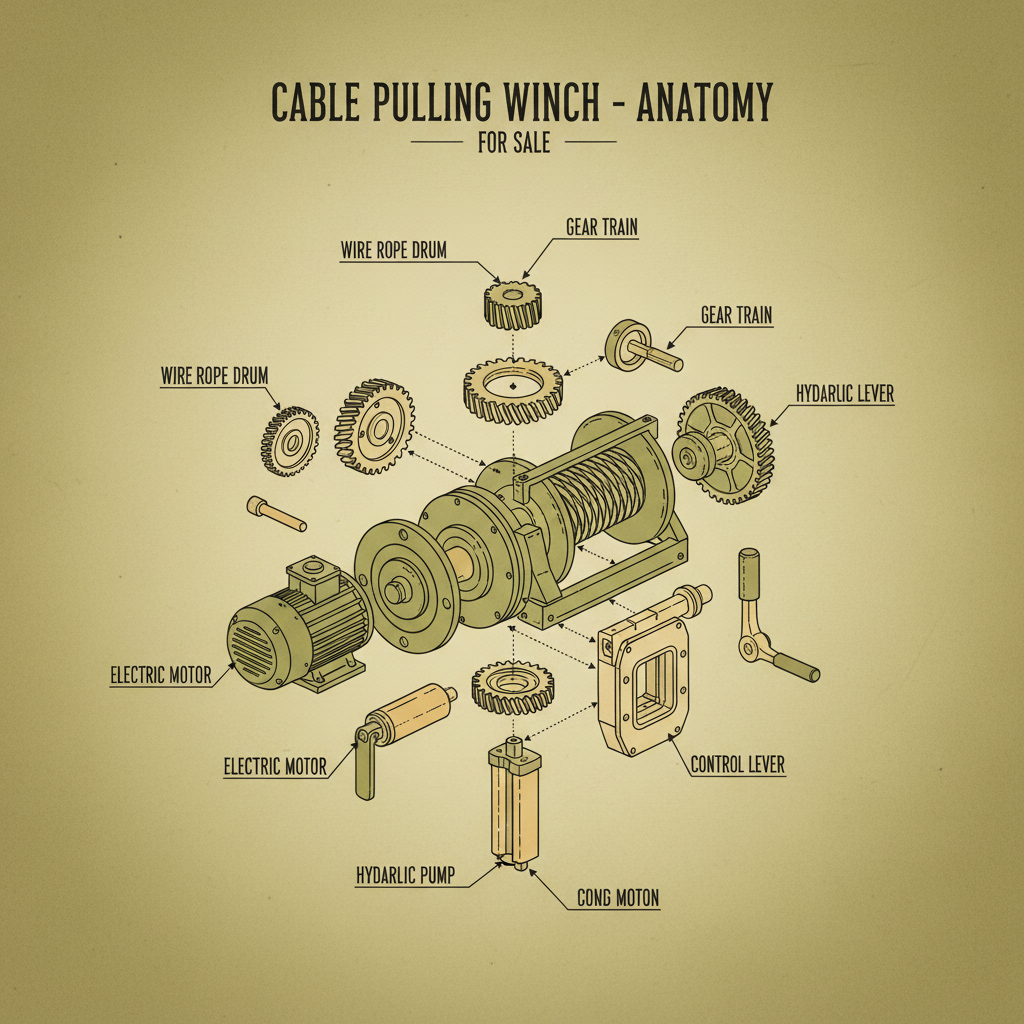
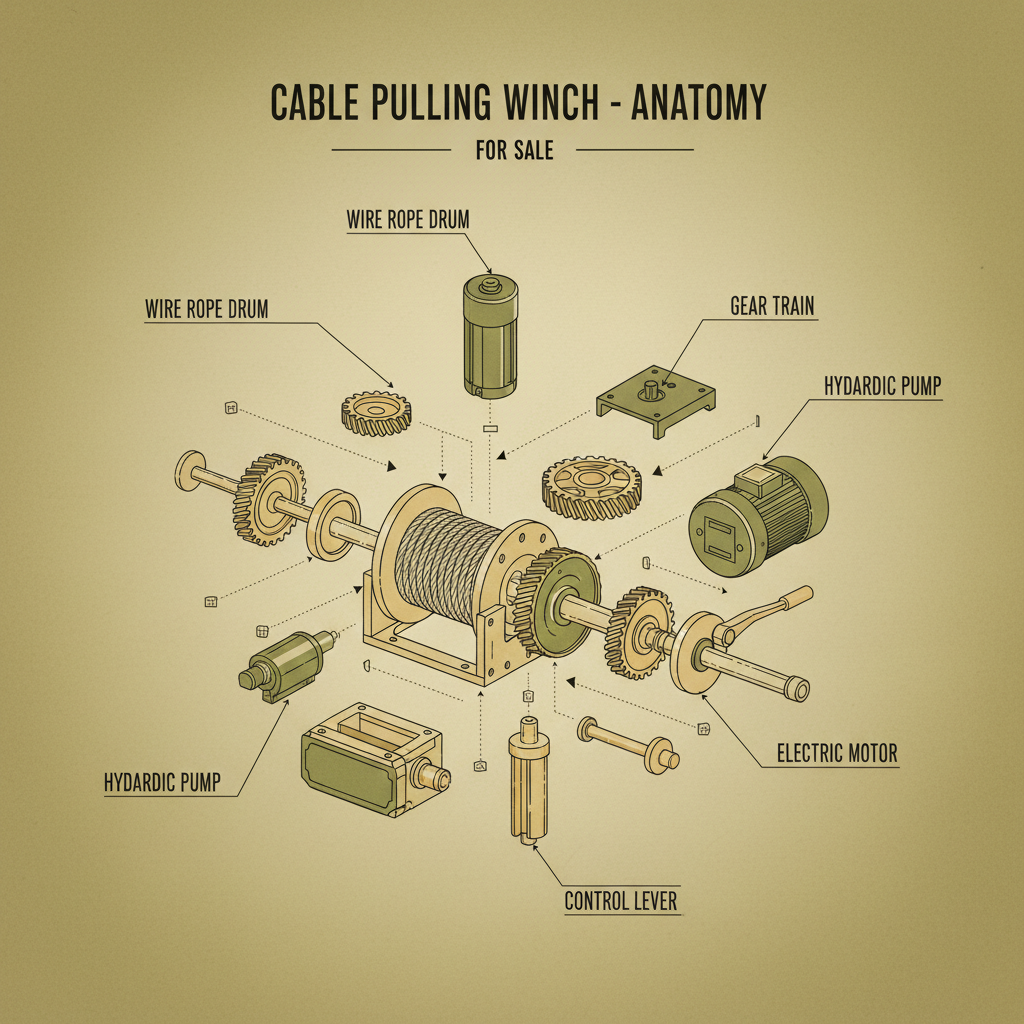
Exploring the Latest Trends in Cable Pulling Winch for Sale and Performance

The Rising Demand for Cable Pulling Winch for Sale

Exploring the Latest Trends in Cable Pulling Winch for Sale and Performance

Honestly, the demand for these things is up. It’s not just big infrastructure projects anymore. Data centers, fiber optic installations, even residential electricians are looking for better ways to pull cable. It’s all about speed and reducing strain on the guys doing the work. You see these older models, they’re heavy, clunky, and take two guys to operate. Newer ones, especially the hydraulic ones, can be run by a single person. Makes a huge difference on a hot rooftop.

Strangely, a lot of it’s driven by the smart home market. More and more houses are pre-wired for everything. Security systems, automation, entertainment… It all needs cabling, and that cabling needs to be pulled cleanly and efficiently. Plus, everyone wants it done faster. And cheaper. That’s always the pressure, isn't it?

Design Pitfalls and Common Mistakes

I encountered this at a factory in Shenzhen last time. One of the biggest mistakes I see? Over-engineering the controls. Too many buttons, too many settings. Guys on site don’t want a joystick with 20 different modes. They want “pull” and “stop.” Keep it simple. Another thing is the gear ratios. Get it wrong and you either have no power or you're pulling the cable so slowly it feels like watching paint dry. It’s a balancing act, for sure.

And the braking systems. Oh boy, the braking systems. If that brake fails when you’ve got a ton of cable tension… well, it's not pretty. I’ve seen winches snap mounts right off the wall. You need redundant systems, reliable systems. And they need to be easy to inspect.

Anyway, I think a common oversight is forgetting about the environment. These winches are used in all kinds of conditions: rain, mud, dust, freezing temperatures. If it’s not sealed properly, it’s going to fail. Plain and simple.

Materials and On-Site Handling

The steel quality is huge. You want something that's ductile enough to withstand stress, but strong enough not to bend under load. Lower quality steel, you can see it – it’s got a grainy texture, feels lighter. High-quality stuff feels… solid. You can tell.

And the wire rope itself. That's critical. Galvanized steel is standard, but you see stainless steel for corrosive environments. I personally prefer the coated ropes. The coating adds a layer of protection against abrasion and rust. They also feel smoother, which reduces wear and tear on the winch drum.

Handling? You gotta be careful. Wire rope can fray, kinks can develop. And those kinks dramatically reduce the rope's strength. You need proper spooling techniques, gloves, safety glasses… Basic stuff, but guys often cut corners. Later... Forget it, I won’t mention it.

Real-World Testing and Performance

Lab tests are fine, but they don’t tell the whole story. You need to see how these winches perform in the field. We typically test them on actual job sites, pulling different types of cable – everything from thin data cables to thick power cables. We vary the distances, the angles, the conditions…

We also do stress tests. Basically, we overload the winch to see when it breaks. It’s not pretty, but it gives you a good idea of its safety margin. I've seen some winches fail spectacularly – the drum collapsing, the brake giving way. And those are the ones you remember.

Cable Pulling Winch for Sale Performance Metrics


Unexpected User Applications

You wouldn't believe what people use these things for. We had a guy using one to pull a stuck excavator out of a mud pit. Not what it’s designed for, but it worked. Another time, a construction crew used it to lift a heavy generator onto a roof. Again, not recommended, but desperate times…

I’ve even heard stories of people using them for tree work. Seriously. I always tell them that’s a bad idea. These aren’t designed for that kind of load, and it’s incredibly dangerous. But people will do what people will do.

Advantages, Disadvantages, and Customization

The advantages are pretty clear: speed, efficiency, reduced labor costs. A good winch can save you hours on a job. But the disadvantages? Price, for one. Good winches aren’t cheap. And if you don’t maintain them properly, they’ll break down. They are also susceptible to wear and tear, especially in harsh environments.

Customization is possible, though it can be expensive. We had a client last year who wanted a winch with a longer cable and a higher pulling capacity. They were building a suspension bridge for a pedestrian walkway. We were able to modify an existing model to meet their specs, but it added significantly to the cost.

A Real-Life Customer Story

Last month, that small boss in Shenzhen who makes smart home devices insisted on changing the interface to . He was convinced it was the future. We told him it was unnecessary, a waste of money, and would add complexity. But he wouldn't listen. He wanted it. He got it. And guess what? The port broke within a week. He ended up having to ship the whole batch back for repair. A costly lesson, to be sure.

He called me up, frustrated. “Why didn’t you stop me?” he asked. I just shrugged. “I told you,” I said. “Sometimes, you gotta learn the hard way.” To be honest, it was kind of satisfying. It reminded me that experience counts for something.

Anyway, I think that pretty much sums it up.

Key Comparison of Cable Pulling Winch for Sale Models

Model Number Pulling Force (kN) Cable Capacity (m) Weight (kg)
CPW-100 10 500 35
CPW-200 20 800 60
CPW-300 30 1000 85
CPW-400 40 1200 110
CPW-500 50 1500 135
CPW-600 60 1800 160

FAQS

What is the typical lifespan of a cable pulling winch for sale under heavy use?

Honestly, it depends. A well-maintained winch, used reasonably, should last you 5-7 years, easily. But if you’re constantly overloading it or using it in corrosive environments, you’re looking at a much shorter lifespan. The gearboxes are usually the first to go. Regular lubrication and inspection are key. We’ve seen some beat to heck in 2 years, others still going strong after 10.

Are these winches compatible with different types of cable?

Generally, yes. Most winches can handle steel, copper, and even fiber optic cables. However, you need to make sure the cable diameter is within the winch’s specifications. Using a cable that’s too thick or too thin can damage the winch or cause it to slip. And always use the right cable grip – a mismatched grip can also cause problems.

What safety features should I look for when buying a cable pulling winch for sale?

Brakes are the most important, obviously. You want a winch with multiple braking systems – a dynamic brake that engages during pulling and a static brake that locks the drum in place. Also, look for overload protection, which will prevent the winch from exceeding its maximum pulling capacity. And always, always use a cable guide to keep the cable spooled evenly.

What's the difference between hydraulic and electric cable pulling winches for sale?

Hydraulic winches are generally more powerful and durable, making them ideal for heavy-duty applications. They’re also less sensitive to dust and moisture. Electric winches are lighter and more portable, but they don’t have the same pulling power. They're good for lighter jobs or where you need to move the winch around a lot.

Can I repair a cable pulling winch for sale myself, or should I hire a professional?

Some minor repairs, like lubricating moving parts or replacing a cable grip, you can probably handle yourself. But anything involving the gearbox, brakes, or electrical system, you should leave to a professional. Messing with those components can be dangerous and can void your warranty.

What is the typical warranty offered with a cable pulling winch for sale?

Most manufacturers offer a one-year warranty on parts and labor. Some offer longer warranties, but they often come with restrictions. Read the warranty carefully before you buy. And make sure you register the winch and keep your proof of purchase. It'll save you a headache if something goes wrong.

Conclusion

So, yeah, cable pulling winches. They’re not glamorous, but they're essential. They save time, reduce strain, and make jobs safer. The industry’s pushing for smarter, lighter, and more powerful models, but remember, simplicity and reliability are key. Don’t get caught up in the hype.

Ultimately, whether this thing works or not, the worker will know the moment he tightens the screw. If it feels solid, if it pulls smoothly, if it doesn't give him a headache… that’s a good winch. And if you’re looking for a good one, cable pulling winch for sale, give us a shout. We’ve got a few good options.

David Miller

David Miller

David Miller serves as the International Sales Director for BILO Import & Export, responsible for expanding our reach into new global markets. David has spent the last 7 years building relationships with distributors and clients across more than 30 countries. He’s adept at understanding diverse customer needs and providing tailored
Previous Reliable Fiber Optic Cable Puller for Sale Navigating Market Demands
Next Explore Robust Cable Hauling Winch for Sale and Industry Insights
Copyright © 2026 Shijiazhuang Bilo Import and Export Trading Co., Ltd. All Rights Reserved. Sitemap | Privacy Policy | Top Blog | Global Service
logo
BlLo lmport & Éxport is specialized in power and cable equipment andconsiruction tools,Qur main producis are FRP duct rodder, cable rollerscable pulling winch, cable drum jack, cable pulling sock, etc.
icon
icon
icon
icon
icon
Copyright © 2026 Shijiazhuang Bilo Import and Export Trading Co., Ltd. All Rights Reserved. Sitemap | Privacy Policy | Top Blog | Global Service
tel
mailto
tel
top