TEL:0086-311-88862036


English

Email:info@bilopowtel.com


Look, the fiber optic cable puller market? It’s gotten… interesting. Everyone’s chasing automation, naturally. Bigger pulls, longer distances, less manpower. Which, honestly, sounds good on paper. But I’ve been on enough sites to know fancy gadgets don’t solve everything. We’re seeing a lot of demand for units that can handle micro-cables now, too - those data centers are cramming more and more fiber into less space. It’s a whole new ballgame compared to the big trunk lines we were dealing with ten years ago.
To be honest, a lot of these designs… they look great in the brochure. But they haven't spent a day in the dirt. I encountered a unit at the Huizhou factory last time that was supposed to have this ‘self-adjusting tension’ feature. Sounded brilliant. But the mechanics were so delicate, any bit of mud or grit and the whole thing jammed. You need something robust, something you can actually rely on when you’re hanging 50 feet in the air. It's not about bells and whistles, it's about getting the job done.
And don't even get me started on materials. They’re always trying to shave costs. But cheap steel is cheap steel. You want high-tensile alloys, something that won't bend under stress. And the wheels? Don't cheap out on the wheels. Polyurethane is the way to go, absorbs vibration, doesn’t leave marks on the cable jacket. I remember one time… never mind, it's a long story involving a very angry fiber optic technician and a scratched cable.


Have you noticed how much everything relies on fiber now? It’s not just internet anymore, it's everything. Smart cities, industrial automation, even agricultural sensors. That means more cable, more installs, and more need for reliable pulling equipment. And it’s not just about laying new cable, it's about upgrades, repairs, and rerouting. This whole 'future-proofing' thing keeps everyone busy.
Demand is up, globally. China, India, Southeast Asia… they’re all building out their infrastructure. Even in places you wouldn’t expect, like some of the smaller African nations, they're leaping straight to fiber. Which means a solid demand for a good fiber optic cable puller for sale.
Honestly, proper cable handling is 90% of it. Use the right grips, avoid sharp bends, and maintain consistent tension. Also, pre-lubricating the cable, especially for long pulls, can make a huge difference. We recommend a silicone-based lubricant – it won’t damage the jacket. And always, always inspect the cable for damage before and after the pull. You don't want to find a microbend later on!
That depends on the model, obviously. But generally, we’re talking anywhere from 500kg to 2000kg pulling force. It’s not just about the weight, though. It’s about the friction. The longer the pull, the more friction you have to overcome. That's why you need a puller with variable speed control, so you can start slow and gradually increase the tension.
Some are better than others. We offer models with full weatherproofing – IP67 rating or higher. But even with those, you need to be careful. Mud and water can still get into the gears and cause problems. Regular cleaning and lubrication are essential. I've seen pullers seized up solid after a day in the rain, it wasn't a pretty sight.
At a minimum, operators should be trained on the machine’s specific features, safety procedures, and proper cable handling techniques. We offer on-site training programs, which I highly recommend. It's not just about knowing how to use the machine, it’s about understanding the potential hazards and how to avoid them. And it’s important to have a designated safety officer on site during the pull.
Rushing. Seriously. They try to get the job done too quickly, and they skip important steps like checking the cable path or properly securing the puller. That’s when accidents happen. Slow and steady wins the race. Take your time, be careful, and double-check everything. A few extra minutes of preparation can save you hours of cleanup later on.
Absolutely. We offer a range of customization options, including different cable grips, wheel configurations, and control systems. We can even paint the puller to match your company colors! We worked with a client in Dubai who wanted a puller with a remote control system, so they could operate it from a safe distance in the heat. It’s doable, as long as it’s safe and practical.
So, yeah, the fiber optic cable puller market is changing. It's becoming more complex, more demanding, and more competitive. But at the end of the day, it all comes down to getting the cable from point A to point B safely and efficiently. It's about choosing the right equipment, using it properly, and understanding the challenges of the job.
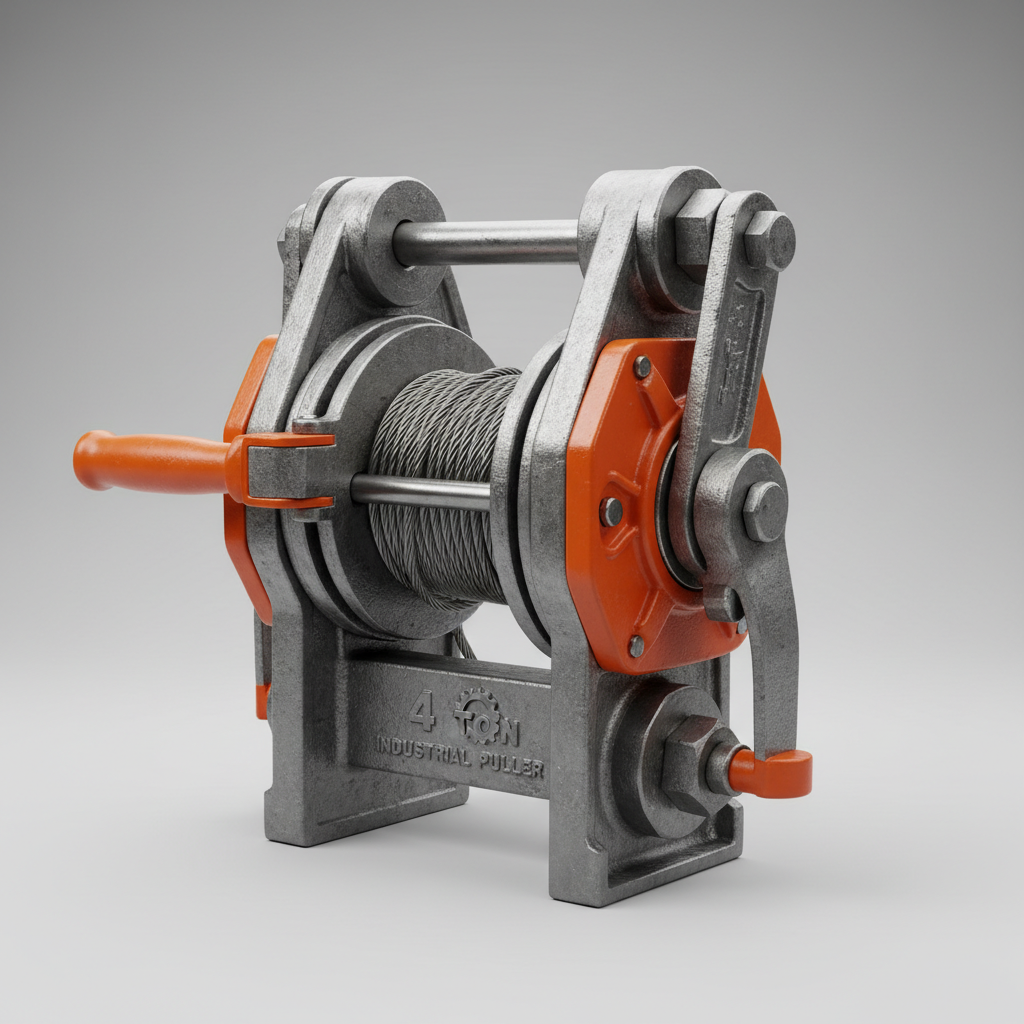
Ultimately, whether this thing works or not, the worker will know the moment he tightens the screw. That’s the real test. If you're looking for a fiber optic cable puller for sale that can stand up to the rigors of real-world use, give us a call. We’ll point you in the right direction.