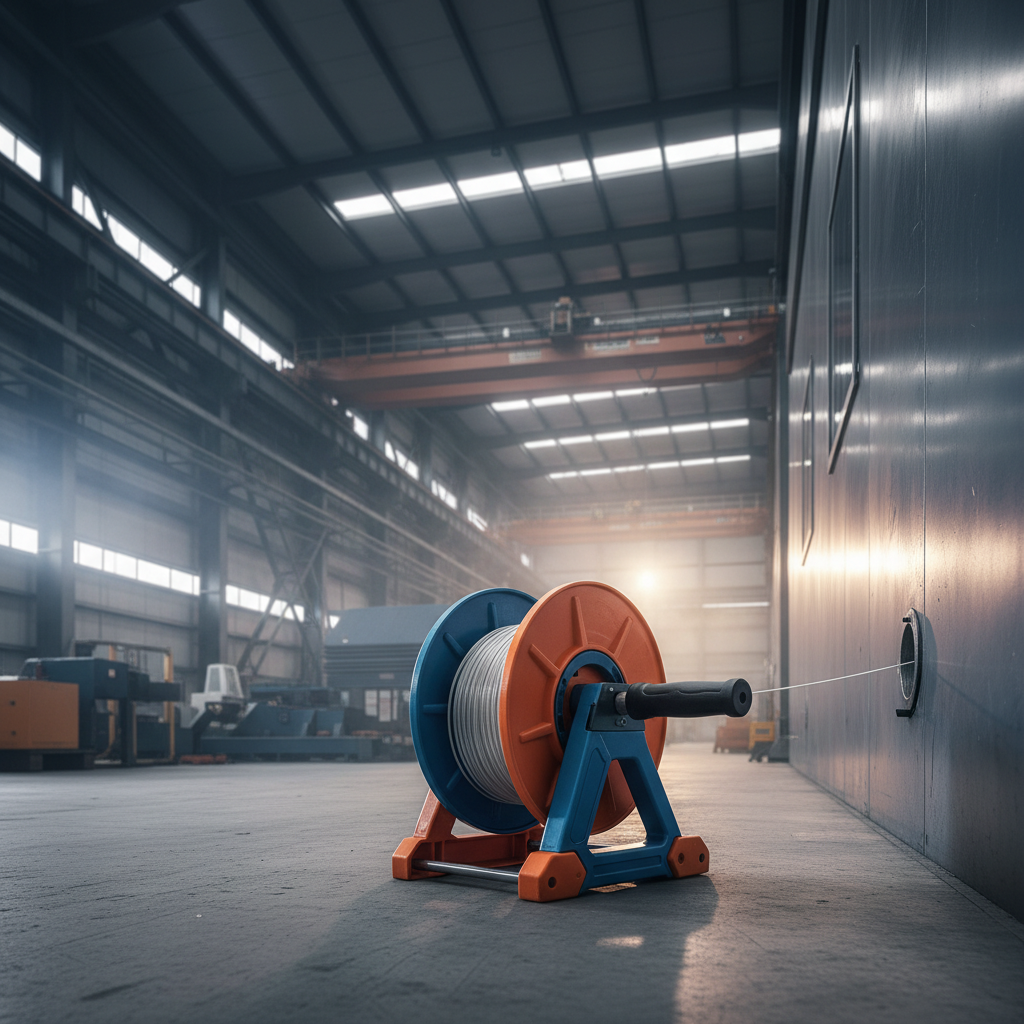
Push rod and pull rod systems are integral components in a vast array of industries, from infrastructure development and utility maintenance to specialized manufacturing and emergency response. These seemingly simple tools facilitate crucial tasks like cable installation, pipeline repair, and equipment assembly, often in challenging or inaccessible environments. Understanding their capabilities and applications is paramount for optimizing operational efficiency and ensuring project success.
Globally, the demand for robust and reliable push rod and pull rod solutions is steadily increasing, driven by expanding infrastructure projects, aging utility networks requiring upgrades, and a growing emphasis on preventative maintenance. This demand necessitates continuous innovation in materials, design, and functionality to meet evolving industry needs and address specific application challenges. The availability of high-quality push rod and pull rod systems directly impacts the cost-effectiveness and timeline of critical projects worldwide.
The efficient deployment of critical infrastructure relies heavily on tools like push rod and pull rod systems. Their ability to navigate complex pathways and exert precise force makes them indispensable for modern construction and maintenance operations. As the world modernizes, the need for these tools will only continue to grow, demanding greater performance and adaptability.
The Importance of Push Rod and Pull Rod Systems
Push rod and pull rod systems aren’t merely tools; they’re enablers of progress in industries reliant on precise maneuvering and force application. Their importance lies in their versatility—capable of operating in confined spaces, navigating obstacles, and delivering consistent performance in diverse environments. Without these systems, many critical tasks would be significantly more complex, time-consuming, and costly.
The underlying principle of push rod and pull rod technology is rooted in the transfer of force. This allows for applications ranging from simple cable pulling to complex pipeline installations, offering a scalable solution for a wide range of project requirements. Their impact is often unseen but fundamentally essential to the smooth functioning of modern infrastructure.
Defining Push Rod and Pull Rod Technologies
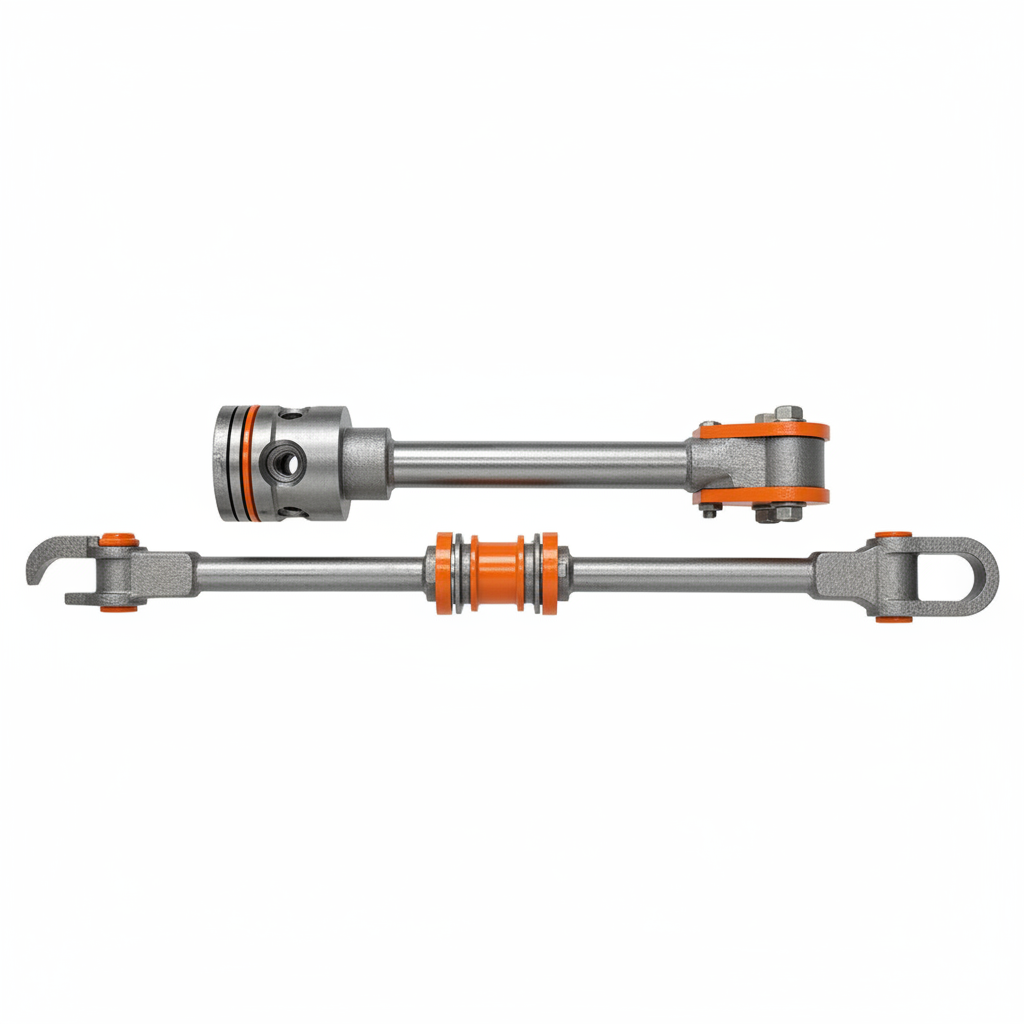
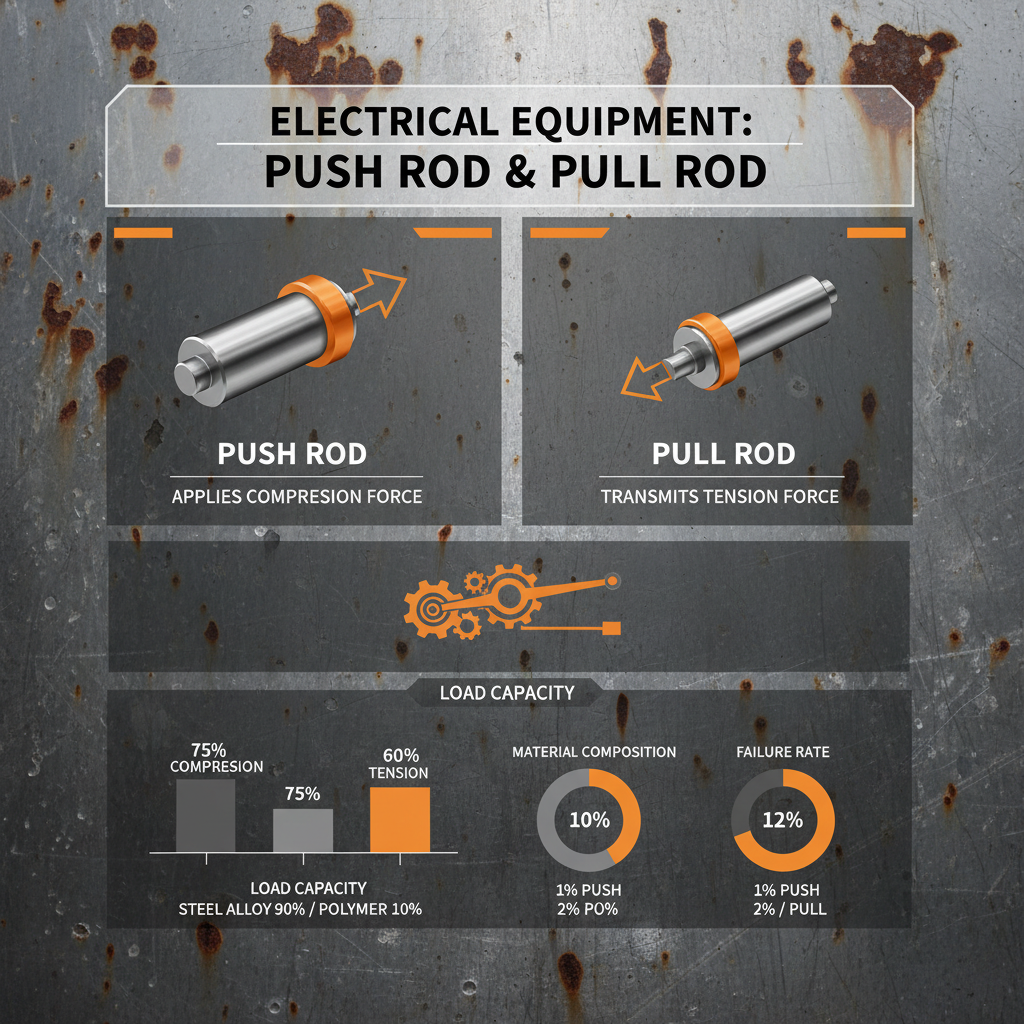
At its core, a push rod is a rigid, often segmented, rod designed to transmit a compressive force, effectively “pushing” an object from one point to another. These are typically used for applications requiring direct force, such as inserting cables into conduits or positioning components during assembly. Their strength and rigidity are critical to their effectiveness.
Conversely, a pull rod is engineered to apply tensile force, “pulling” objects towards the operator. These systems frequently incorporate gripping mechanisms or connectors to securely hold the target object during the pulling process. Pull rods are indispensable in scenarios like retrieving cables, extracting pipes, and tightening components in tight spaces.
The distinction between push and pull rods lies in the direction of applied force. However, many modern systems combine both functionalities, offering greater versatility. This convergence represents an evolution in the field, streamlining operations and reducing the need for multiple specialized tools. The connection to modern industry lies in the need for efficiency and precision in infrastructure development and maintenance.
Core Components and Key Performance Factors
Several key factors determine the performance and reliability of push rod and pull rod systems. Durability is paramount, as these tools often operate in harsh conditions and under significant stress. The materials used – typically high-strength steel alloys or composite materials – must resist corrosion, fatigue, and wear. A robust construction ensures longevity and minimizes downtime.
Load Capacity refers to the maximum force the rod can withstand without deformation or failure. This is a critical specification, particularly for heavy-duty applications like pipeline installation. Selecting a rod with an appropriate load capacity is essential for ensuring safe and effective operation. Proper push rod and pull rod selection is crucial here.
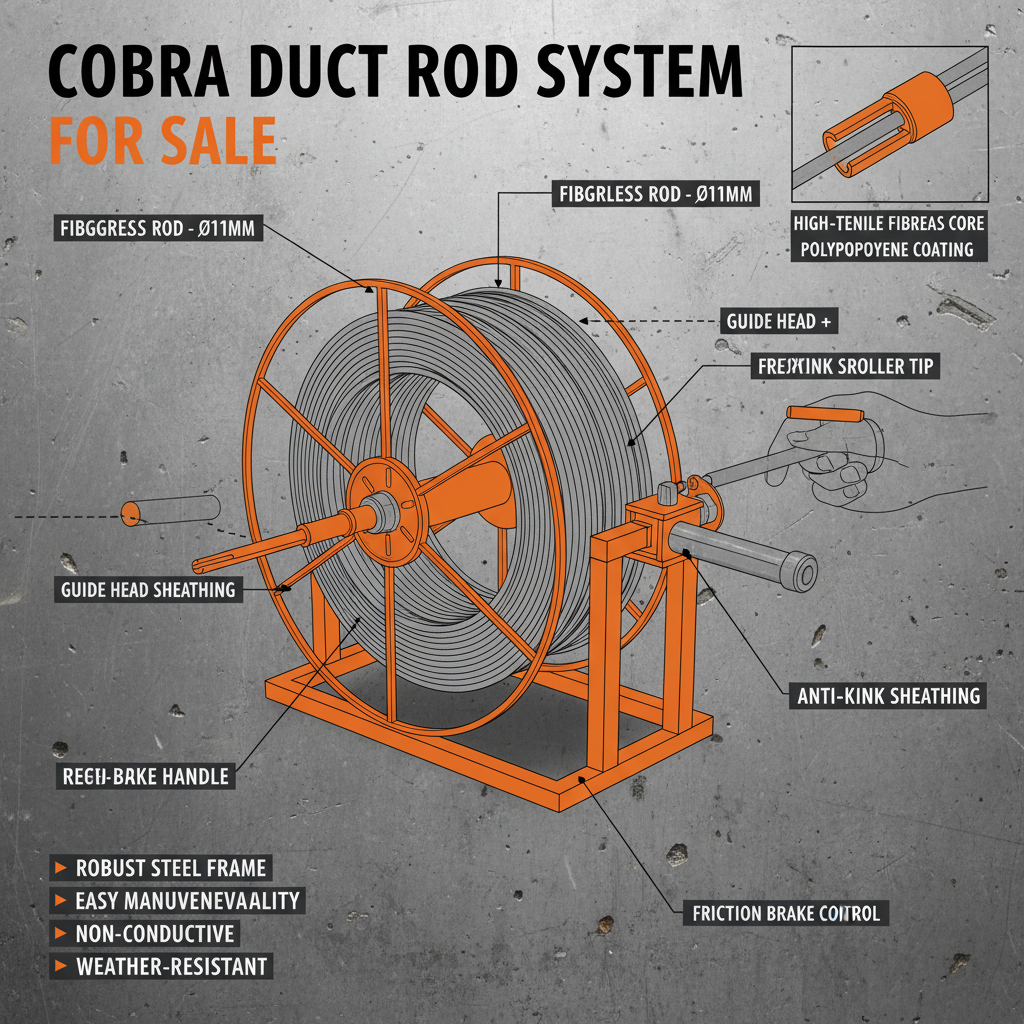
Flexibility and Maneuverability are crucial for navigating complex pathways and tight spaces. Segmented rods, offering increased articulation, excel in these environments. The ability to bend and conform to the surrounding structure without losing integrity significantly expands the range of possible applications. Corrosion Resistance is also important, particularly in marine or chemically exposed environments. Special coatings and materials can significantly extend the lifespan of the equipment.
Global Applications of Push Rod and Pull Rods
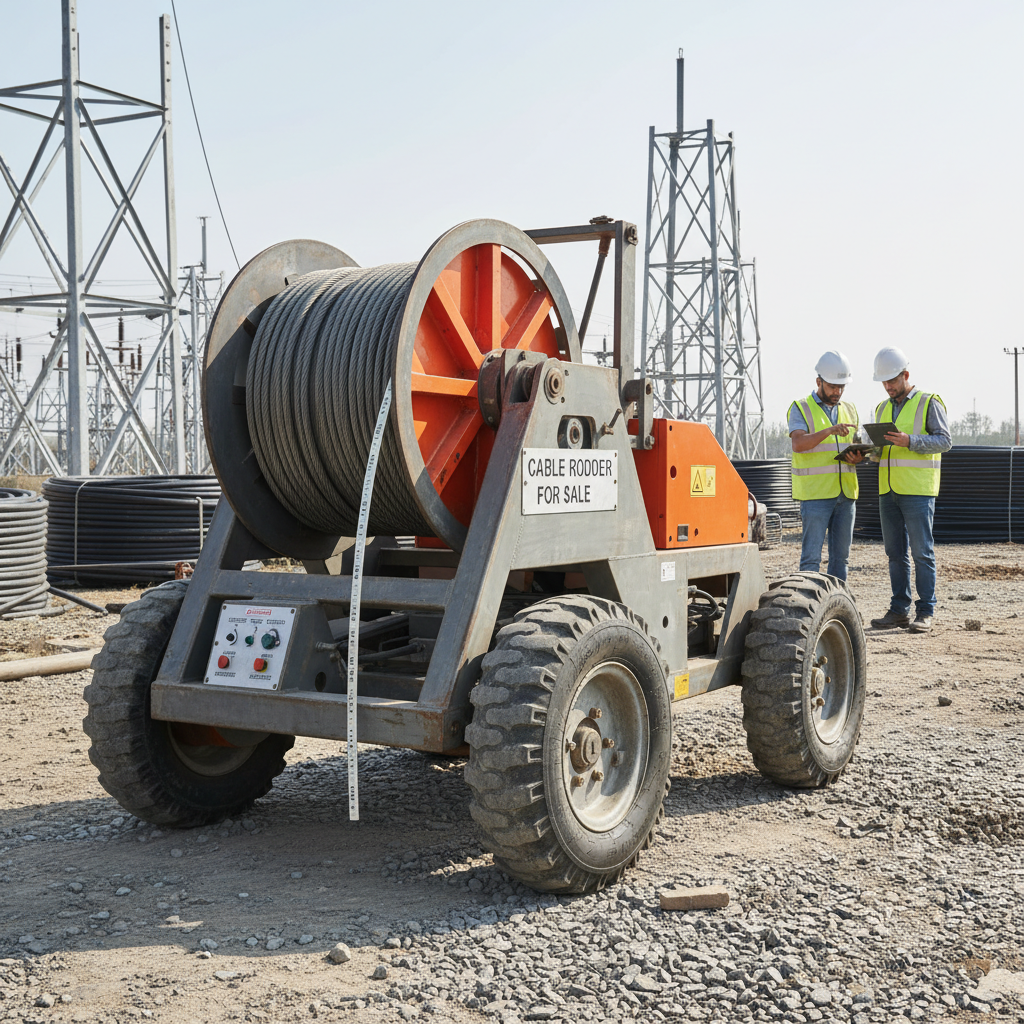
Push rod and pull rod systems are extensively used in the telecommunications industry for cable laying, both underground and aerial. They are vital for installing fiber optic cables, coaxial cables, and power lines, ensuring reliable communication networks across continents. In Europe, for instance, significant investments in fiber optic infrastructure rely heavily on these tools.
The construction sector utilizes these systems for installing conduits, reinforcing bars (rebar), and other structural elements. They are particularly useful in tunneling projects, bridge construction, and high-rise building assembly. In rapidly developing urban centers like those in Asia, these tools are critical to building the necessary infrastructure.
Furthermore, utility companies employ push and pull rods for pipeline repair and maintenance, enabling quick and efficient intervention in critical infrastructure. In post-disaster relief operations, they can be deployed to rapidly restore essential services by facilitating the repair of damaged utilities. In remote industrial zones like those found in Northern Canada or Siberia, their reliability and adaptability are invaluable.
Application Distribution of Push Rod and Pull Rod Systems
The Advantages and Long-Term Value Proposition
Investing in high-quality push rod and pull rod systems delivers significant long-term cost savings. Their durability reduces the frequency of replacements, minimizing downtime and associated expenses. The efficiency gains realized through faster installation and repair times translate directly into increased productivity and profitability.
From a sustainability perspective, these tools contribute to resource conservation. By facilitating precise installations and minimizing waste, they support environmentally responsible practices. Moreover, their reliability enhances infrastructure resilience, reducing the risk of costly failures and environmental damage.
Future Trends and Innovation in Rod Technology
The future of push rod and pull rod technology is focused on integration with digital tools. Smart rods equipped with sensors and data analytics capabilities will provide real-time feedback on force applied, distance traveled, and potential obstacles, enhancing precision and control.
Furthermore, the development of lightweight and high-strength composite materials will lead to more maneuverable and durable systems. Automation, incorporating robotic arms and control systems, promises to streamline operations and reduce human effort in challenging environments. These innovations are essential to meeting the evolving demands of modern infrastructure projects.
Challenges and Solutions in Implementing Push/Pull Systems
One common challenge is navigating extremely congested underground infrastructure. Utilizing advanced mapping technologies and precise locating equipment can mitigate this risk. Another issue is dealing with unexpectedly rigid conduits or obstructions. Employing rods with enhanced articulation and robust gripping mechanisms can overcome these obstacles.
Proper training and adherence to safety protocols are also critical. Comprehensive training programs that emphasize correct operating procedures and hazard awareness are essential for preventing accidents and ensuring optimal performance. Regular inspection and maintenance of the rods are crucial for identifying and addressing potential issues before they escalate.
Choosing the right system for a specific application is paramount. Careful consideration of the load requirements, environmental conditions, and pathway complexity will ensure the selection of the most effective and reliable solution. Collaboration with experienced suppliers like Bilopowtel is invaluable in optimizing system selection and implementation.
Summary of Challenges and Solutions for Push/Pull System Implementation
| Challenge |
Severity (1-10) |
Potential Solution |
Implementation Cost (Estimate) |
| Congested Underground Infrastructure |
8 |
Advanced Mapping & Locating Equipment |
$5,000 - $15,000 |
| Rigid Conduits & Obstructions |
7 |
Rods with Enhanced Articulation & Gripping |
$2,000 - $8,000 |
| Lack of Operator Training |
9 |
Comprehensive Training Programs |
$1,000 - $3,000 per operator |
| Equipment Maintenance Neglect |
6 |
Regular Inspection & Preventative Maintenance Schedules |
$500 - $2,000 per year |
| Incorrect System Selection |
7 |
Expert Consultation & Application Assessment |
$500 - $1,500 |
| Corrosion in Harsh Environments |
5 |
Corrosion-Resistant Materials & Coatings |
$1,000 - $5,000 |
FAQS
The lifespan of a well-maintained push rod and pull rod system can range from 5 to 15 years, depending on usage frequency, environmental conditions, and the quality of materials. Regular inspection, cleaning, and lubrication are crucial for maximizing longevity. Investing in durable materials and corrosion-resistant coatings further extends the service life, ensuring a strong return on investment.
Choosing the correct push rod length requires careful consideration of the distance you need to cover, the complexity of the pathway, and any potential obstacles. It’s generally advisable to select a rod that is slightly longer than the measured distance to allow for maneuvering and flexibility. Segmented rods offer adjustability and are ideal for navigating confined spaces. Consult with a specialist to determine the optimal length for your specific requirements.
Safety is paramount when operating these tools. Always wear appropriate personal protective equipment (PPE), including gloves, safety glasses, and hard hats. Ensure the work area is clear of obstructions and hazards. Never exceed the rated load capacity of the rod. Follow all manufacturer’s instructions and receive proper training before operation. Regularly inspect the equipment for any signs of damage or wear.
Yes, with proper precautions. For environments with flammable gases or explosive materials, intrinsically safe rods constructed from non-sparking materials are essential. In corrosive environments, using rods with corrosion-resistant coatings or materials is critical to prevent degradation. Always adhere to relevant safety standards and regulations when operating in hazardous locations.
Regular maintenance is vital for ensuring optimal performance and longevity. This includes cleaning the rods after each use, lubricating moving parts, inspecting for signs of wear or damage, and replacing worn components promptly. Store the rods in a dry, protected environment to prevent corrosion. Following the manufacturer’s recommended maintenance schedule is highly advisable.
Segmented rods offer greater flexibility and maneuverability, making them ideal for navigating complex pathways and tight spaces. Solid rods provide higher rigidity and are better suited for applications requiring direct force transmission. The choice between the two depends on the specific application requirements and the nature of the environment. Segmented rods are often preferred for intricate installations, while solid rods excel in straight-line applications.
Conclusion
Push rod and pull rod systems represent an essential, yet often overlooked, component of modern infrastructure development and maintenance. Their versatility, reliability, and cost-effectiveness make them invaluable tools for a wide range of applications, from telecommunications and construction to utility repair and emergency response. Understanding their core principles, key performance factors, and future trends is crucial for optimizing their implementation and maximizing their benefits.
As technology continues to advance, we can expect to see even more innovative solutions emerge in this field, including smart rods with integrated sensors and automation capabilities. Embracing these advancements will enable us to build more resilient, efficient, and sustainable infrastructure for the future. Visit our website at Bilopowtel to learn more about our comprehensive range of push rod and pull rod solutions.