Push rod pull rod systems are crucial components in various industries, particularly those involving cable installation and underground infrastructure maintenance. These systems offer a reliable and efficient method for navigating obstacles and ensuring precise placement of cables, pipes, or other conduits. Understanding the applications and benefits of push rod pull rod technology is essential for professionals seeking to optimize their operations and reduce project costs.
Globally, the demand for robust and adaptable infrastructure solutions is constantly increasing, driven by urbanization, technological advancements, and the need for improved utility networks. Push rod pull rod systems directly address this need by providing a streamlined approach to infrastructure installation and repair, minimizing disruption and maximizing efficiency in diverse environments. Their versatility makes them valuable assets in projects ranging from telecommunications to power distribution.
The increasing complexity of modern infrastructure projects requires tools that can adapt to challenging conditions. Push rod pull rod systems provide a solution for navigating congested underground spaces and ensuring accurate cable or pipe placement, reducing the risk of damage and costly rework. This translates to significant time and cost savings for contractors and utility companies worldwide, ultimately improving the reliability of critical infrastructure.
Introduction to Push Rod Pull Rod Systems
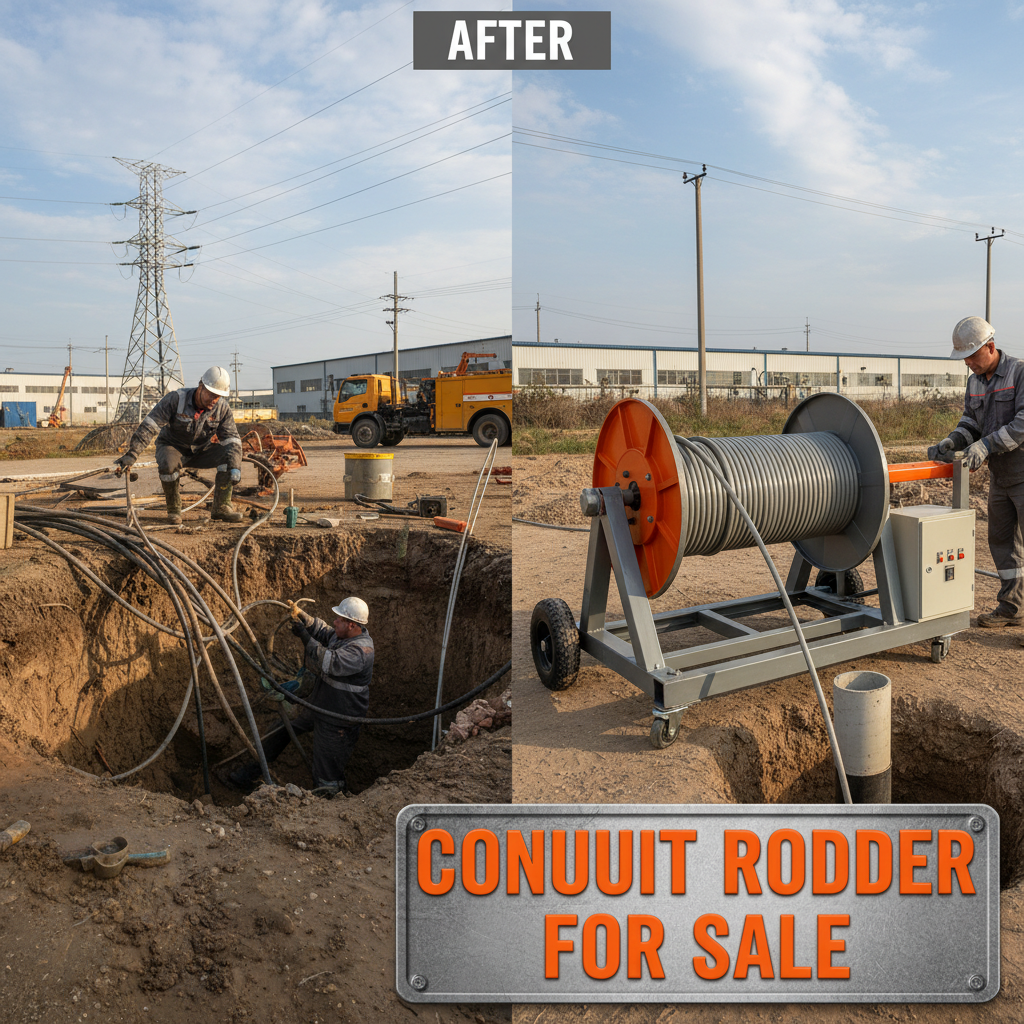
Push rod pull rod systems are specialized tools designed to facilitate the installation and retrieval of cables, conduits, and other materials through pre-existing pathways. They are frequently employed in situations where direct access is limited or impossible, such as underground installations or within the walls of buildings. push rod pull rod systems offer a non-invasive and cost-effective alternative to traditional excavation or extensive construction.
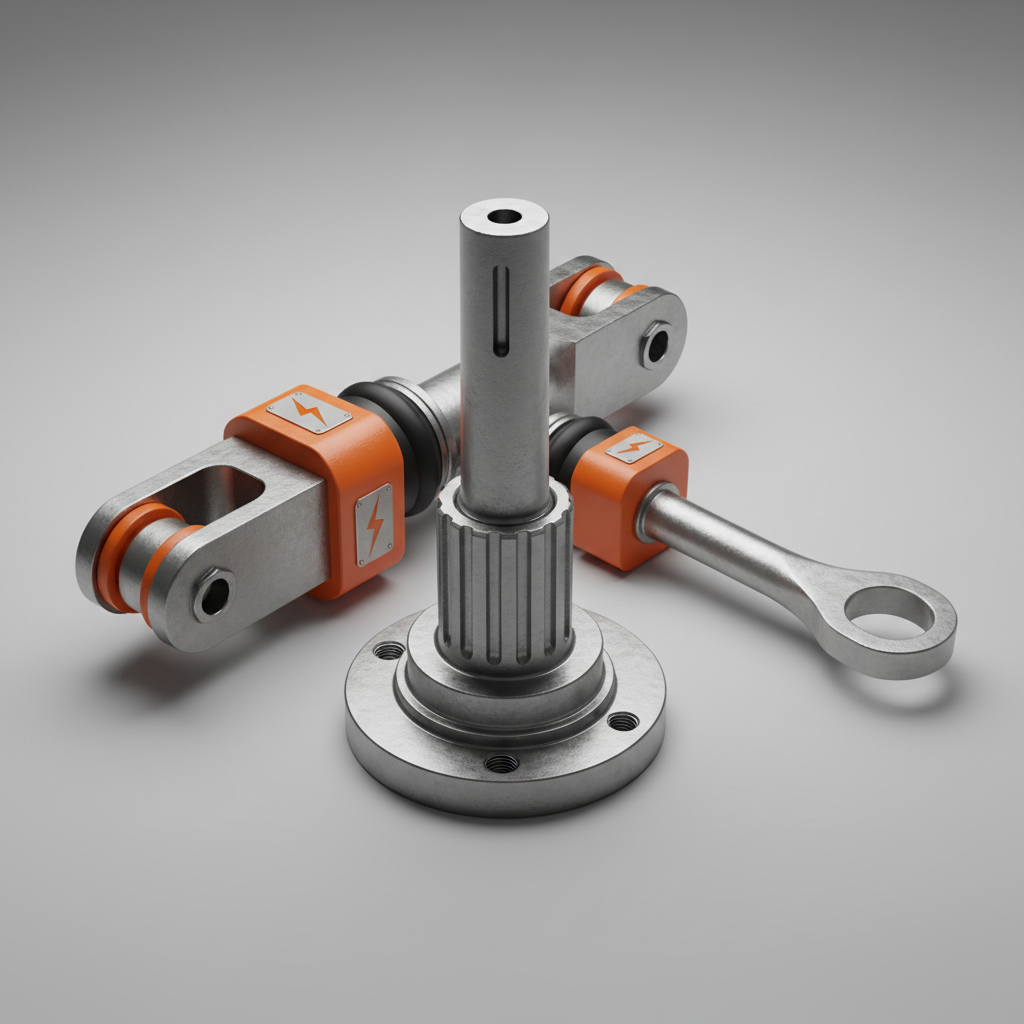
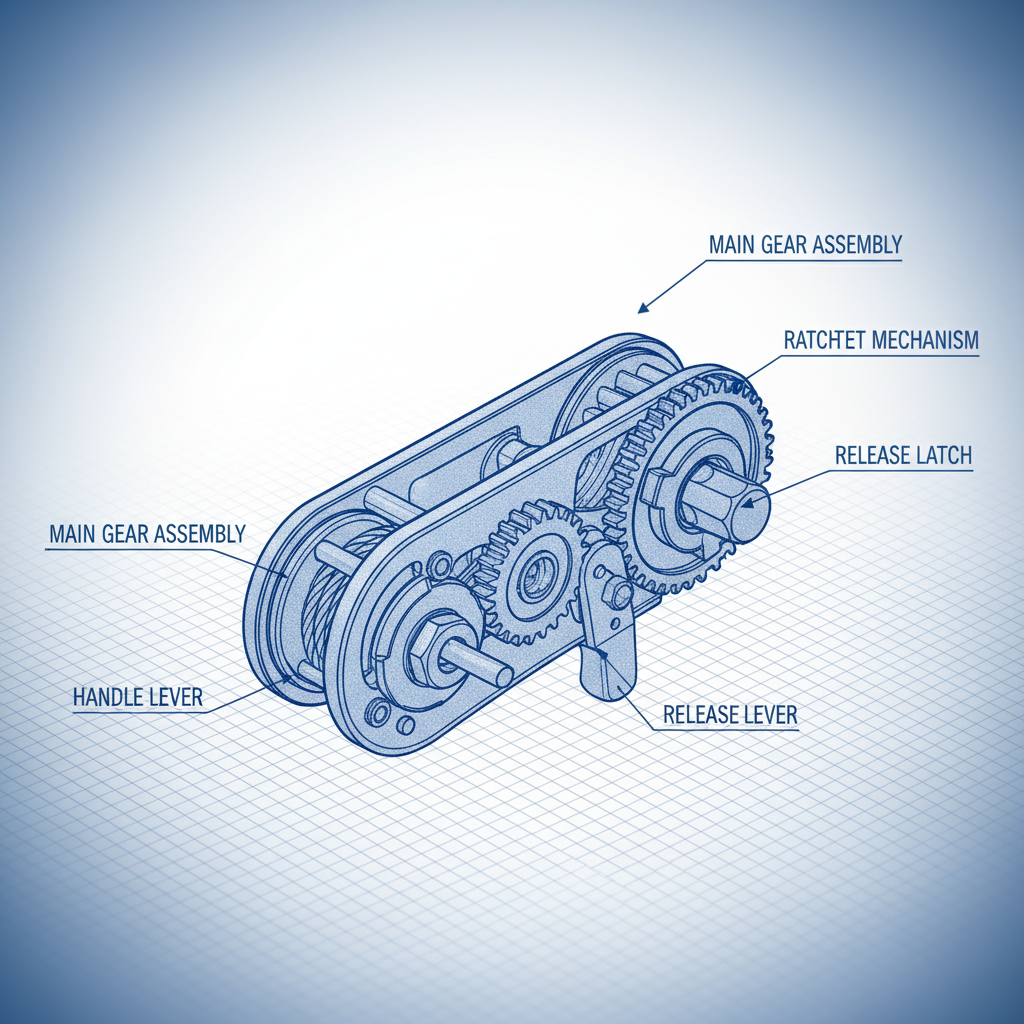
These systems typically consist of a series of interconnected rods, a pushing mechanism, and a pulling mechanism. The rods are fed through the desired pathway, and the pushing mechanism propels them forward, while the pulling mechanism allows for controlled retrieval. This process minimizes disruption and ensures accurate placement, making them essential for a wide range of industrial and utility applications.
Defining Push Rod Pull Rod Technology
At its core, push rod pull rod technology is a method for remotely navigating obstacles and installing or extracting materials within confined spaces. It leverages the principles of mechanical force and controlled manipulation to overcome resistance and achieve precise positioning. This technology transcends simple pushing and pulling; it’s about engineered precision and minimizing impact on surrounding infrastructure.
The concept stems from the need to efficiently deploy cables and conduits without resorting to disruptive excavation or complex routing. Modern push rod pull rod systems have evolved to incorporate advanced materials, ergonomic designs, and features that enhance control and reduce operator fatigue. They’re vital for maintaining the integrity of existing infrastructure while introducing new utilities.
This technology's connection to modern industry extends to critical infrastructure sectors like telecommunications, power distribution, and water management. The ability to efficiently upgrade or repair these systems with minimal downtime is paramount, and push rod pull rod technology provides a key solution to achieving this goal, ensuring continued service and reliability.
Key Components and Operational Factors
Several key factors contribute to the effective operation of push rod pull rod systems. Rod material plays a critical role – fiberglass rods are popular for their non-conductive properties and high tensile strength, while steel rods offer superior durability in demanding applications. push rod pull rod systems are also characterized by their specialized connectors, which ensure seamless rod integration and prevent slippage during operation.
The design of the pushing and pulling mechanisms is also crucial. Hydraulic systems provide consistent and powerful force, while manual systems offer greater control in delicate situations. The selection of the appropriate mechanism depends on the specific application and the level of resistance encountered. Moreover, proper lubrication of the rods and connectors is essential for minimizing friction and ensuring smooth operation.
Operational factors such as bend radius, pathway obstructions, and cable/conduit weight significantly impact the success of a push rod pull rod operation. Careful planning and a thorough assessment of the installation environment are essential for identifying potential challenges and implementing appropriate mitigation strategies. Proper training for operators is equally important, ensuring they understand the system's capabilities and limitations.
Global Applications of Push Rod Pull Rod
Push rod pull rod systems find applications across a diverse range of industries and geographical locations. In telecommunications, they’re used to install fiber optic cables in congested urban environments, minimizing disruption to traffic and businesses. In the energy sector, they facilitate the installation of power cables in underground tunnels and ducts, ensuring reliable electricity distribution.
These systems are extensively used in post-disaster relief operations, allowing for the rapid restoration of communication and power lines. In remote industrial zones, where access is limited, push rod pull rod systems provide a practical solution for installing and maintaining critical infrastructure. push rod pull rod are used by utility companies across North America, Europe, and Asia to streamline their operations and reduce costs.
Push Rod Pull Rod Application Breakdown
Advantages and Long-Term Value Proposition
The advantages of utilizing push rod pull rod systems are substantial. Cost efficiency is a primary benefit, as they reduce the need for extensive excavation and labor. Furthermore, they enhance safety by minimizing exposure to hazardous environments and reducing the risk of accidental damage to existing infrastructure.
From a sustainability perspective, these systems minimize environmental impact by reducing disruption to ecosystems and conserving resources. Their reliability ensures long-term performance and reduces the need for frequent repairs or replacements. This contributes to a lower total cost of ownership and a more resilient infrastructure network.
Future Trends and Innovations in the Field
The future of push rod pull rod technology is likely to be shaped by several key trends. The integration of digital monitoring systems will provide real-time data on rod tension, pathway obstructions, and overall system performance. This data will enable operators to optimize their techniques and prevent potential issues.
Advances in materials science are leading to the development of lighter, stronger, and more durable rods. Automation is also playing a role, with the development of robotic systems capable of autonomously navigating pathways and installing cables or conduits. These innovations promise to further enhance efficiency, safety, and reliability.
The increasing emphasis on sustainability will drive the development of eco-friendly materials and processes. Furthermore, the adoption of Building Information Modeling (BIM) and digital twin technologies will enable more precise planning and execution of push rod pull rod operations, optimizing resource allocation and minimizing waste.
Challenges and Solutions in Push Rod Pull Rod Implementation
Despite their numerous benefits, push rod pull rod systems can present certain challenges. Navigating complex pathways with tight bends or numerous obstructions can be difficult, requiring careful planning and specialized techniques. The risk of rod breakage or damage is also a concern, particularly in demanding applications.
To overcome these challenges, several solutions are available. Utilizing advanced pathway mapping tools and employing experienced operators can minimize the risk of encountering unexpected obstructions. Selecting rods made from high-strength materials and implementing proper lubrication protocols can prevent breakage.
Investing in training programs for operators and providing them with access to the latest technologies and techniques is crucial for ensuring successful implementation. Furthermore, collaborating with experienced consultants and leveraging their expertise can help organizations navigate complex projects and maximize the benefits of push rod pull rod technology.
Summary of Common Push Rod Pull Rod Challenges and Mitigation Strategies
| Challenge |
Severity (1-5) |
Mitigation Strategy |
Implementation Cost (USD) |
| Pathway Obstructions |
4 |
Detailed Pathway Mapping & Experienced Operator |
$500 - $2000 |
| Rod Breakage |
3 |
High-Strength Rods & Proper Lubrication |
$200 - $1000 |
| Tight Bend Radius |
2 |
Flexible Rods & Reduced Pulling Force |
$100 - $500 |
| Operator Fatigue |
2 |
Ergonomic System Design & Job Rotation |
$0 - $300 |
| Incorrect Rod Selection |
3 |
Detailed Application Assessment & Material Expertise |
$100 - $400 |
| Lack of Training |
4 |
Comprehensive Operator Training Program |
$500 - $1500 |
FAQS
Push rod pull rod systems offer several key advantages over excavation. They are significantly less disruptive to existing infrastructure and the surrounding environment, reducing traffic congestion and minimizing damage to landscaping. They are also generally faster and more cost-effective, as they require less labor and equipment. Finally, they enhance safety by reducing the risk of cave-ins and exposure to underground hazards.
A wide range of materials can be installed using push rod pull rod systems, including telecommunications cables (fiber optic, copper), electrical conduits, plumbing pipes (PVC, PEX), and even small-diameter ductwork. The specific materials suitable for installation depend on the system's capacity and the characteristics of the pathway, such as diameter and bend radius.
Selecting the correct rod size and material is crucial for success. Consider the length and complexity of the pathway, the weight of the material being installed, and the presence of any obstacles. Fiberglass rods are ideal for non-conductive applications, while steel rods offer higher tensile strength for heavier loads. Consult with a qualified vendor to determine the optimal configuration for your specific needs.
Regular maintenance is essential for extending the life of your push rod pull rod system. This includes cleaning the rods after each use to remove dirt and debris, lubricating the connectors to minimize friction, and inspecting the rods for any signs of damage or wear. Proper storage in a clean, dry environment is also important.
Safety should always be a top priority. Wear appropriate personal protective equipment (PPE), including gloves, safety glasses, and a hard hat. Ensure the pathway is clear of obstructions and that all personnel are aware of the operation. Avoid exceeding the system's weight capacity and follow the manufacturer's instructions carefully.
Push rod pull rod technology promotes sustainability by minimizing disruption to the environment and reducing the need for extensive excavation. This lowers carbon emissions associated with heavy machinery and conserves valuable resources. By enabling the repair and upgrade of existing infrastructure, it extends its lifespan and reduces the demand for new construction, further contributing to a more sustainable approach.
Conclusion
Push rod pull rod systems represent a significant advancement in infrastructure installation and maintenance technology. Their versatility, efficiency, and cost-effectiveness make them invaluable tools for a wide range of applications, from telecommunications to power distribution. Understanding the core principles and best practices associated with these systems is crucial for maximizing their benefits and ensuring successful project outcomes.
Looking ahead, the integration of digital technologies and advancements in materials science will further enhance the capabilities of push rod pull rod systems. Investing in training, embracing innovation, and prioritizing safety will be key to unlocking their full potential and building a more resilient and sustainable infrastructure for the future. For reliable and cutting-edge push rod pull rod solutions, visit our website today.