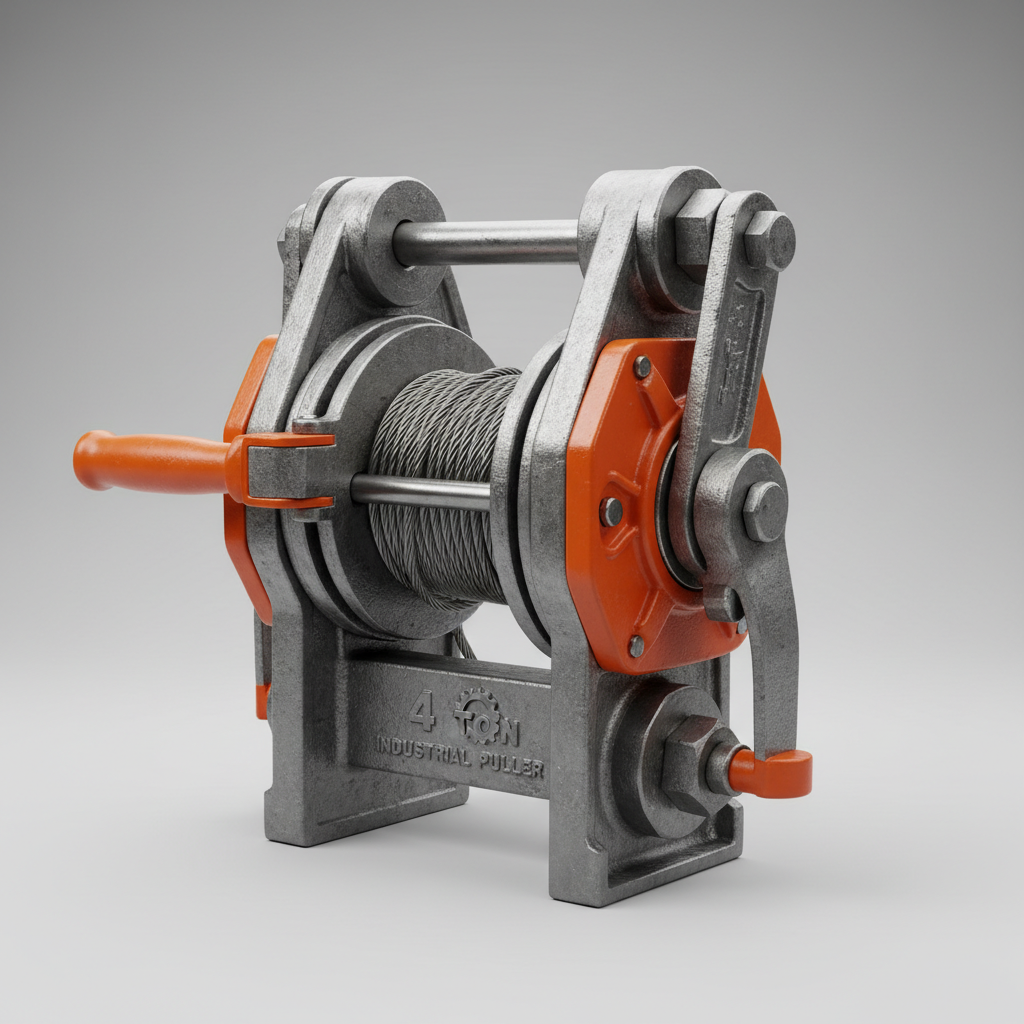
Core Components and Material Durability
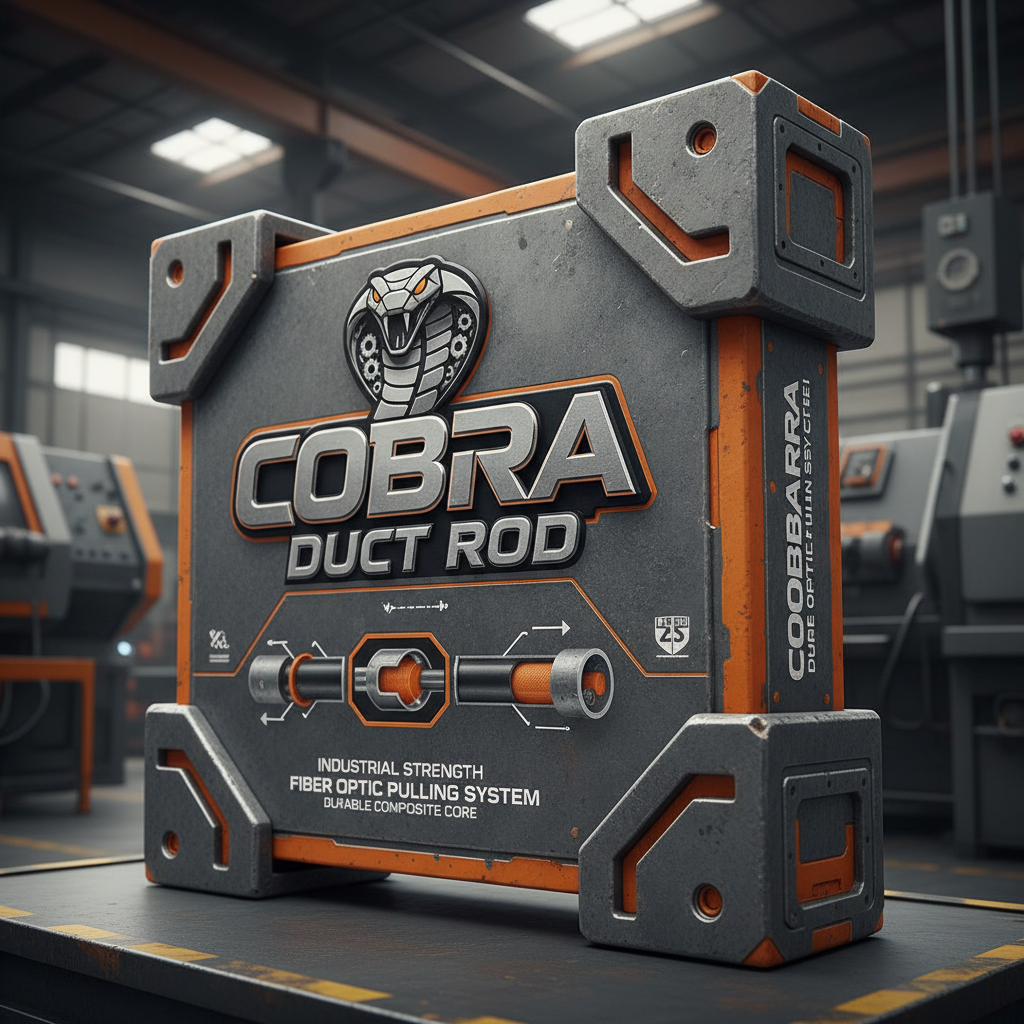
At the heart of every high-performance cobra duct rod is a composite core, typically consisting of high-grade fiberglass reinforced with a thermoplastic matrix. This combination ensures that the rod is non-conductive, which is a critical safety requirement when working in environments where live electrical cables may be present. The durability of these materials ensures that the rods do not degrade when exposed to moisture, alkaline soil, or mild chemical contaminants common in urban drainage systems.
Another vital component is the guidance head, often referred to as the "bullet" or "navigator." These heads are meticulously shaped to deflect off obstacles rather than snagging on them. Depending on the application, these can be swapped for different profiles to better suit the specific diameter of the duct. The connection between the rod body and the head is reinforced to prevent detachment during high-tension pulls, ensuring a continuous workflow.
Finally, the storage and deployment mechanism—the reel—plays a significant role in the tool's longevity. A well-designed reel prevents the cobra duct rod from developing "memory" or permanent coils, which could lead to instability during the pushing phase. By maintaining the rod's straightness, the reel extends the tool's operational life and ensures consistent performance across hundreds of deployments.
Operational Efficiency in Cable Laying
Implementing the cobra duct rod into a standard workflow immediately reduces the labor hours required for cable installation. By providing a clear, unobstructed path, technicians can avoid the tedious process of repeatedly attempting to "fish" a line through a blocked conduit, which often involves guesswork and multiple trips between access points.
The true advantage of the cobra duct rod is seen during the transition from rod to cable. Once the rod has successfully traversed the duct, a pull-string or "jet-line" is attached to the lead head. This allows the heavy-duty cable to be pulled through with minimal friction, protecting the delicate outer jackets of fiber optic cables from abrasions and stress fractures.
Furthermore, the versatility of the cobra duct rod allows it to be used in various diameters of piping, from small 20mm conduits to larger utility mains. This scalability means that a single set of tools can cover a wide range of project requirements, reducing the need for specialized equipment for every different pipe size on a job site.
Performance Metrics and Comparative Analysis
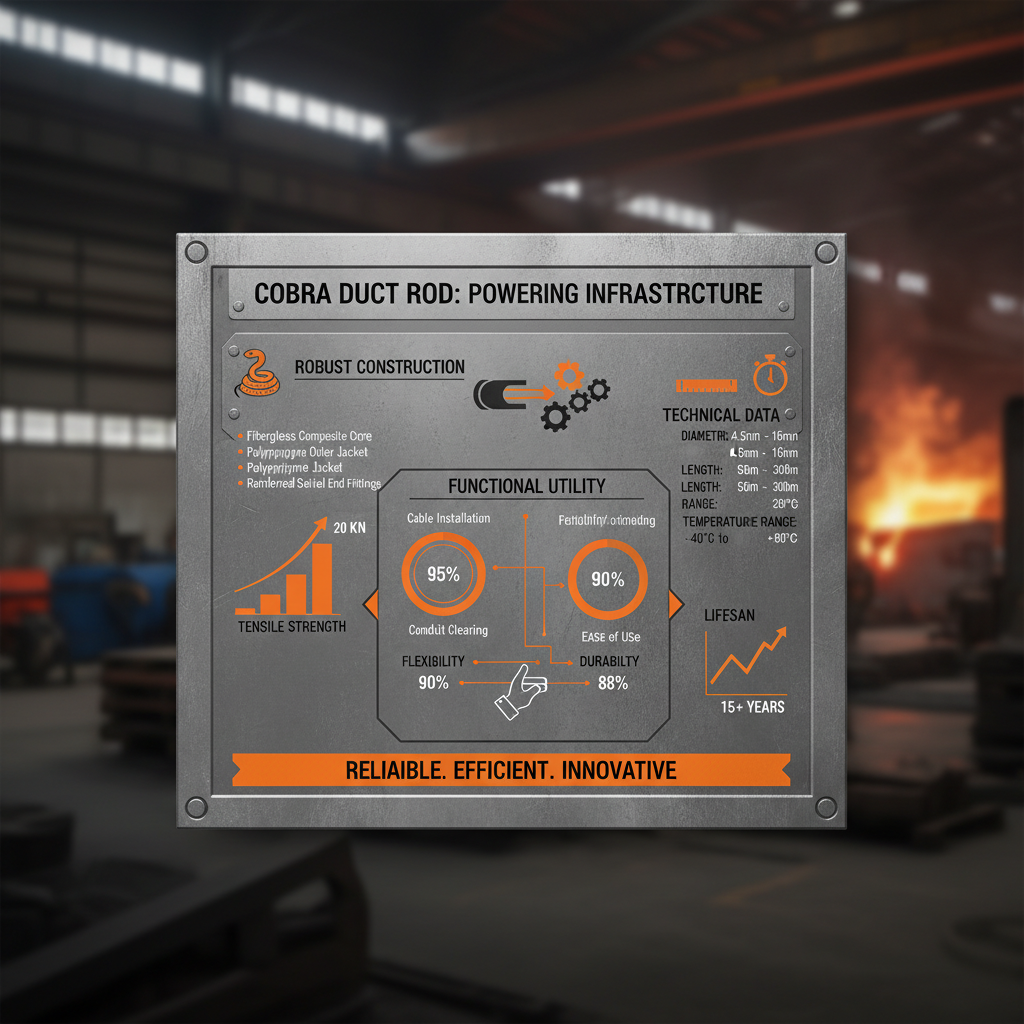
When evaluating the effectiveness of the cobra duct rod, industry professionals look at several key performance indicators (KPIs), including push-distance capacity, bend radius tolerance, and tensile strength. Compared to traditional steel tapes, composite rods offer a higher strength-to-weight ratio, allowing for longer runs without the tool sagging or collapsing under its own weight.
To better visualize the performance gap, it is helpful to look at how different rod configurations handle typical site challenges. For instance, a reinforced fiberglass version may excel in straight, long-distance runs, while a high-flexibility polymer version is superior for navigating the tight corners of legacy urban infrastructure.
Performance Rating of Cobra Duct Rod Variants
Global Applications Across Utility Sectors
The application of the cobra duct rod spans various continents and industries. In North America and Europe, these tools are primarily used for the "last mile" of fiber-to-the-home (FTTH) installations, where navigating tight residential conduits is a daily requirement. In these contexts, the speed of deployment is directly tied to the contractor's profitability, making the rod's efficiency a commercial necessity.
In emerging markets, such as Southeast Asia and Africa, the cobra duct rod is often employed in the rapid expansion of mobile network towers. In remote industrial zones or post-disaster recovery areas, where infrastructure may be damaged or non-standard, the rod's ability to probe and clear conduits is invaluable for restoring critical communication links.
Long-Term Value and Economic Impact
Investing in a professional-grade cobra duct rod offers significant long-term financial advantages. While the initial cost may be higher than basic fish tapes, the reduction in labor costs and the prevention of cable damage provide a rapid return on investment (ROI). For large-scale utility companies, a 10% reduction in installation time across thousands of kilometers of cabling translates into millions of dollars in savings.
Beyond the balance sheet, there is the element of workforce safety and dignity. Using ergonomically designed tools reduces the physical strain on technicians, lowering the risk of repetitive strain injuries. When a crew can confidently push a cobra duct rod through a difficult run without needing to dig up the road to find a blockage, it enhances the professional standing of the contractor and ensures a cleaner urban environment.
Furthermore, the sustainability aspect cannot be overlooked. By utilizing durable, long-lasting composite rods, companies reduce the frequency of tool replacement and the subsequent waste sent to landfills. The reliability of the rod also ensures that conduits are utilized to their full capacity, reducing the need for redundant drilling and trenching, which minimizes the ecological footprint of utility expansion.
Future Innovations in Conduit Technology
The evolution of the cobra duct rod is moving toward the integration of "smart" technology. Future iterations are expected to feature embedded sensors in the lead head that can transmit data back to the operator regarding the internal diameter of the pipe or the exact location of a blockage. This digital transformation will turn a simple pushing tool into a diagnostic device, allowing for precision mapping of underground assets.
Material science is also playing a role, with the introduction of carbon-fiber reinforced polymers that offer even greater rigidity without increasing weight. These "ultra-rods" will enable cable laying over even longer distances without the need for intermediate access points. Additionally, the development of biodegradable composites may soon address the environmental concerns associated with fiberglass disposal.
As automation enters the utility sector, we may see robotic "cobra" systems that can autonomously navigate ducts, detecting obstacles and clearing them using integrated sonic or mechanical tools. This synergy of robotics and traditional duct rod mechanics will redefine the speed at which global connectivity is deployed.
Comparison of Cobra Duct Rod Material Specifications
| Material Type |
Flexibility Score (1-10) |
Tensile Strength (kN) |
Common Application |
| Standard Fiberglass |
6 |
2.5 |
Residential Fiber |
| Polymer Composite |
9 |
1.8 |
Tight Urban Bends |
| Carbon-Reinforced |
5 |
5.0 |
Industrial Long-Haul |
| Hybrid Glass/Poly |
8 |
3.2 |
General Utility |
| Steel-Core Fiber |
4 |
7.5 |
Heavy Power Cabling |
| Teflon-Coated Poly |
9 |
1.5 |
Low-Friction Specialized |
FAQS
Unlike steel fish tapes, which are prone to kinking and can be conductive (posing a safety risk), the cobra duct rod is typically made from non-conductive fiberglass or polymer composites. This provides a superior balance of rigidity for pushing and flexibility for navigating bends, while ensuring the safety of the operator in electrical environments.
To prevent kinking, ensure you are using a rod with the appropriate stiffness for your duct diameter. Always push the rod steadily and avoid sudden, jerky movements. Using a properly tensioned reel and ensuring the lead head is correctly seated will also help the rod maintain a linear path through the conduit.
Yes, they are specifically designed for this. The flexible nature of the cobra duct rod allows it to navigate the unpredictable offsets and slight collapses often found in older municipal piping. However, it is recommended to use a high-flexibility polymer variant for legacy systems to maximize the chance of success.
Most cobra duct rods feature a lead head with a pre-drilled hole or a threaded attachment point. Once the rod emerges from the target manhole, you can tie a high-strength jet-line or pull-string securely to this head using a knot or a specialized connector, then pull the rod back out to leave the string in place.
With proper care—including cleaning the rod after use and storing it on a quality reel—a professional cobra duct rod can last for several years. The main wear points are the lead head and the outer coating; replacing the lead head periodically can significantly extend the overall life of the tool.
For distances over 100 meters, we recommend reinforced hybrid or carbon-fiber variants. These materials reduce "bowing" and ensure that the pushing force is transmitted effectively over long spans. For extremely long distances, ensure that there are intermediate access points to assist the push.
Conclusion
The cobra duct rod represents the intersection of material science and practical utility, transforming a traditionally frustrating task into a streamlined process. By prioritizing non-conductive materials, ergonomic design, and high-tensile strength, these tools not only accelerate the deployment of global communication networks but also enhance the safety and efficiency of the technicians on the front lines of infrastructure.
As we move toward a more connected future, the demand for reliable cable laying tools will only grow. Investing in high-quality conduit solutions is no longer optional but a strategic necessity for any firm aiming for operational excellence. To ensure your projects are equipped with the best technology available, we invite you to explore our full range of professional tools. Visit our website: www.bilopowtel.com