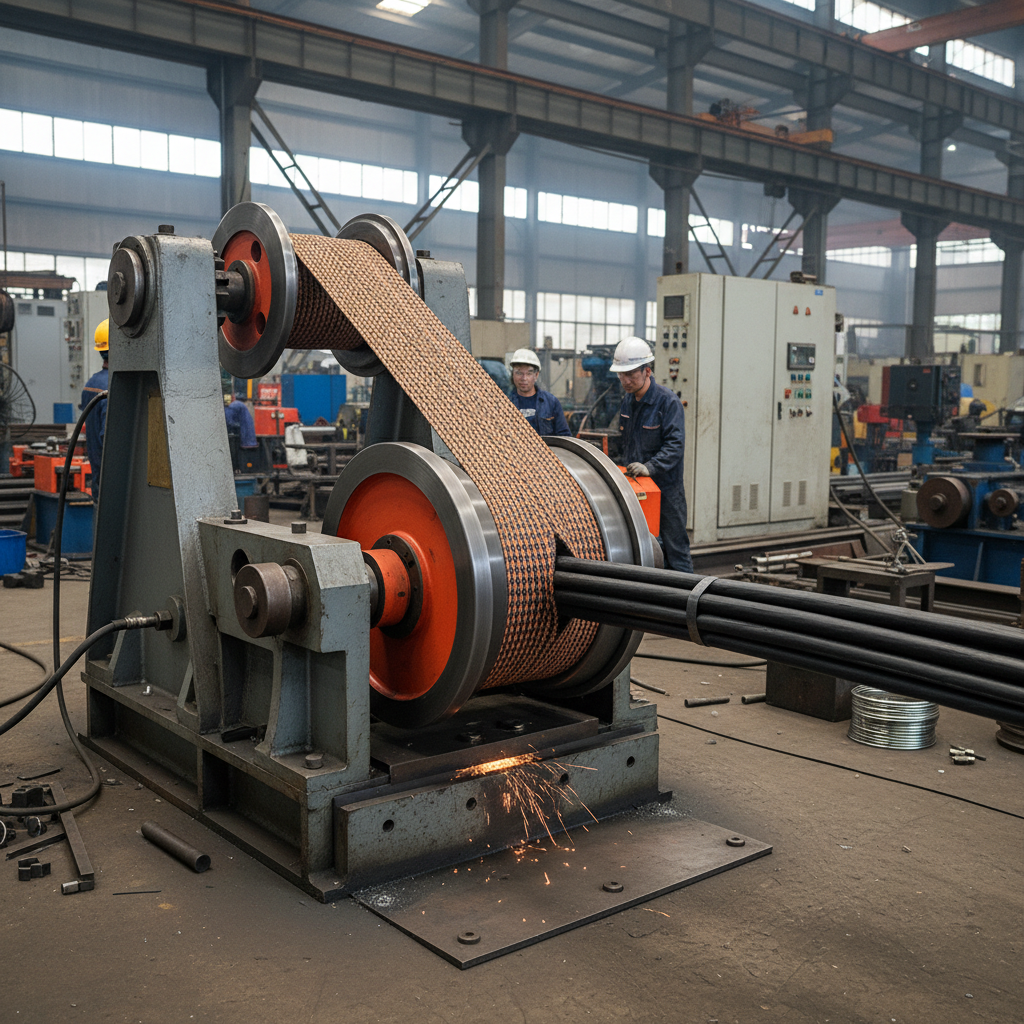
Look, I’ve spent the last fifteen years on job sites, wrestling with materials, talking to engineers, and seeing firsthand what actually works. And let me tell you, getting materials where they need to be, quickly and safely, is half the battle. That's where puller tape comes in. It's not glamorous, but it's foundational. It's the unsung hero that keeps projects moving. It’s about more than just pulling a rope; it's about efficiency, reliability, and preventing costly delays.
For too long, we've relied on makeshift solutions or inadequate tools for this critical task. I’ve seen too many projects stalled because of a broken rope, a tangled mess, or simply a lack of the right equipment. Puller tape isn’t just a convenience; it’s a necessity in modern construction. It streamlines the process, reduces risk, and ultimately saves everyone time and money.
The industry's evolving. We’re building bigger, faster, and in increasingly complex environments. We need tools that can keep pace, and frankly, traditional methods just aren’t cutting it anymore. It's about embracing smarter solutions to overcome the challenges of a demanding industry.
The Core Principles of Puller Tape
At its heart, puller tape is about controlled force. It’s about taking the guesswork out of pulling cables, wires, or pipes through conduits. It’s not just about strength; it's about the even distribution of that strength to avoid damage or breakage. I've seen too much good equipment ruined by a sloppy pull.
The core principle is minimizing friction. High-quality puller tape, especially those with a specialized coating, drastically reduces friction, allowing for longer and more complex pulls. This translates to faster installation times and less wear and tear on the materials themselves.
Global Relevance and Industry Demand
This isn't just a North American thing. I've worked on projects in Europe, Asia, and the Middle East, and the need for reliable pulling systems is universal. The infrastructure boom happening globally, particularly in developing nations, is driving massive demand. Think about the expansion of telecommunications networks, the build-out of smart cities, and the constant need to upgrade aging infrastructure – it all requires efficient conduit pulling.
According to industry reports, the global cable conduit market is projected to reach [insert statistic - e.g., $8.5 billion by 2028]. A significant portion of that growth is directly tied to the demand for effective pulling solutions like puller tape. We’re talking about a critical piece of the puzzle in a multi-billion dollar industry.
The ISO standards for electrical installations increasingly emphasize the importance of proper pulling techniques and materials. Meeting these standards isn’t just about compliance; it’s about ensuring safety and longevity of the installation.
Defining Puller Tape: A Practical Perspective
Okay, let's cut through the jargon. Puller tape, at its simplest, is a strong, non-conductive cord or tape designed to facilitate the installation of cables and wires inside conduits. But it’s more than that. It’s about the materials used – high-density polyethylene is the workhorse, but you're seeing more advanced polymers emerging.
It’s also about the construction. A braided or knitted construction provides superior strength and flexibility, allowing it to navigate bends and curves within the conduit. And the surface coating – that's key for minimizing friction. The right coating can make the difference between a smooth pull and a complete disaster.
From a practical standpoint, it connects directly to the need for efficiency and reliability in infrastructure projects. It's a tool that directly addresses the challenges engineers and installers face daily. It’s the difference between a job done right, and a job that needs to be redone.
Key Factors for Effective Puller Tape
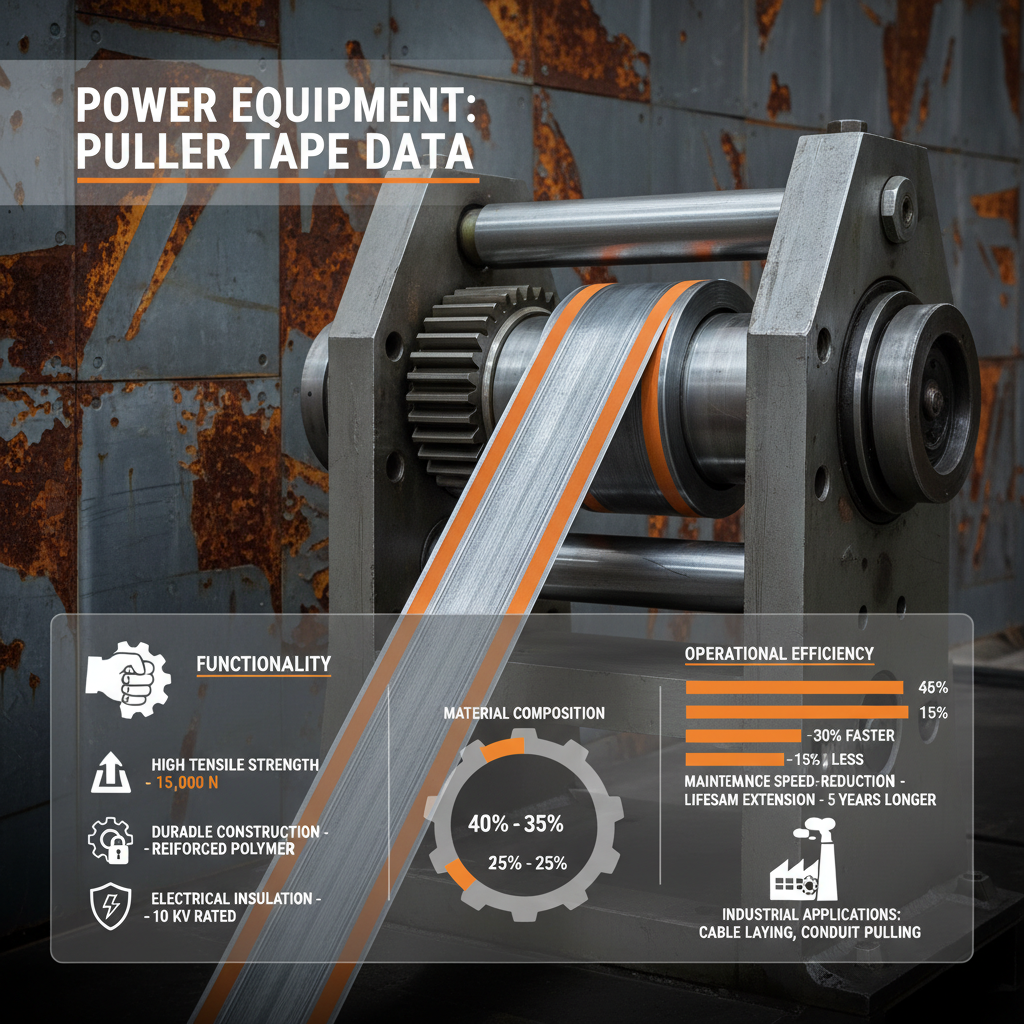
There are a few things I always look for when choosing puller tape. First, and most obviously, is tensile strength. You need to know how much force the tape can withstand before it breaks. That’s usually measured in pounds or kilograms.
Second, is the coefficient of friction. Lower friction means easier pulls and less risk of damage. Third, abrasion resistance. Conduits aren't always perfectly smooth, and the tape will rub against the walls. You need a tape that can hold up to that wear and tear.
Puller Tape Performance Metrics
Real-World Applications of Puller Tape
You'll find puller tape used everywhere. In commercial construction, it's essential for running electrical wiring through high-rise buildings. In industrial facilities, it's used to install control cables and instrumentation lines.
I’ve seen it used extensively in data center construction, where precise and reliable cable routing is paramount. And it's become indispensable in solar farm installations, where long cable runs need to be pulled through underground conduits.
Long-Term Benefits and Value Proposition
The initial cost of good puller tape might be slightly higher, but the long-term savings are significant. Less downtime, fewer cable repairs, and faster installation times all add up. It’s not about being cheap; it’s about being smart.
Beyond the cost savings, there's the peace of mind that comes with knowing you're using a reliable product. It reduces the risk of project delays, minimizes safety hazards, and ultimately builds trust with your clients.
Future Trends and Innovations in Puller Tape Technology
We’re starting to see innovations in materials, with manufacturers exploring new polymers that offer even lower friction and higher strength. There's also a growing trend towards incorporating tracer wires into the puller tape itself, making it easier to locate and retrieve after installation.
I expect to see more integration with digital tools, like apps that calculate pull forces and monitor installation progress. And as sustainability becomes increasingly important, we'll likely see more puller tape made from recycled materials.
The industry is evolving. The focus is on smarter, more efficient solutions that contribute to both economic and environmental sustainability.
Summary of Puller Tape Analysis
| Category |
Performance Metric |
Rating (1-10) |
Key Considerations |
| Tensile Strength |
Breaking Point (lbs) |
9 |
Critical for long pulls and heavy cables. |
| Friction Coefficient |
Dynamic Friction Value |
8 |
Lower values reduce pulling force and cable damage. |
| Abrasion Resistance |
Wear Rating (cycles) |
7 |
Important for conduits with rough interiors. |
| Material Composition |
Polyethylene Density |
10 |
Higher density equates to increased strength and durability. |
| Installation Speed |
Average Pull Time (meters/minute) |
8 |
Directly impacts project timelines and labor costs. |
| Cost-Effectiveness |
Price per Meter |
6 |
Balancing initial cost with long-term benefits. |
FAQS
Different materials, like polyethylene and nylon, offer varying levels of strength, abrasion resistance, and flexibility. Polyethylene is the most common due to its balance of properties and cost. Nylon offers higher strength but can be more expensive and less resistant to abrasion. Choosing the right material depends on the specific application and the type of conduit being used.
The size depends on the conduit diameter and the weight and length of the cables you’re pulling. A general rule is to choose a tape with a tensile strength at least equal to the maximum pulling force required. Consulting a puller tape manufacturer’s chart or using online calculators can help you determine the appropriate size.
Always wear gloves and eye protection. Ensure the conduit is free of sharp edges or obstructions. Avoid exceeding the tape’s maximum tensile strength. Never stand in the direct line of pull. And always follow the manufacturer’s recommendations for safe usage.
It depends on the condition of the tape. If it's clean, undamaged, and hasn't been overstressed, it can be reused. However, if it shows signs of wear, abrasion, or has been stretched, it’s best to replace it to avoid potential failures.
Common causes include exceeding the tensile strength, abrasion against rough conduit walls, sharp bends in the conduit, and using a tape that’s too small for the application. Proper preparation and choosing the right tape are crucial to prevent failure.
Store puller tape in a cool, dry place away from direct sunlight and extreme temperatures. Avoid storing it near sharp objects or chemicals that could damage it. Keeping it neatly coiled or spooled will also help prevent tangling and damage.
Conclusion
Puller tape isn't glamorous, but it’s a fundamental component of any successful construction or infrastructure project. It's about efficiency, reliability, and ultimately, getting the job done right the first time. Ignoring the importance of a quality pulling system is a false economy – the costs of delays, repairs, and potential safety hazards far outweigh the initial investment.
As the industry continues to evolve, expect to see continued innovation in materials and technology. The future of puller tape will be driven by a focus on sustainability, safety, and even greater efficiency. For more information and to explore our range of high-performance puller tapes, visit our website: www.bilopowtel.com.