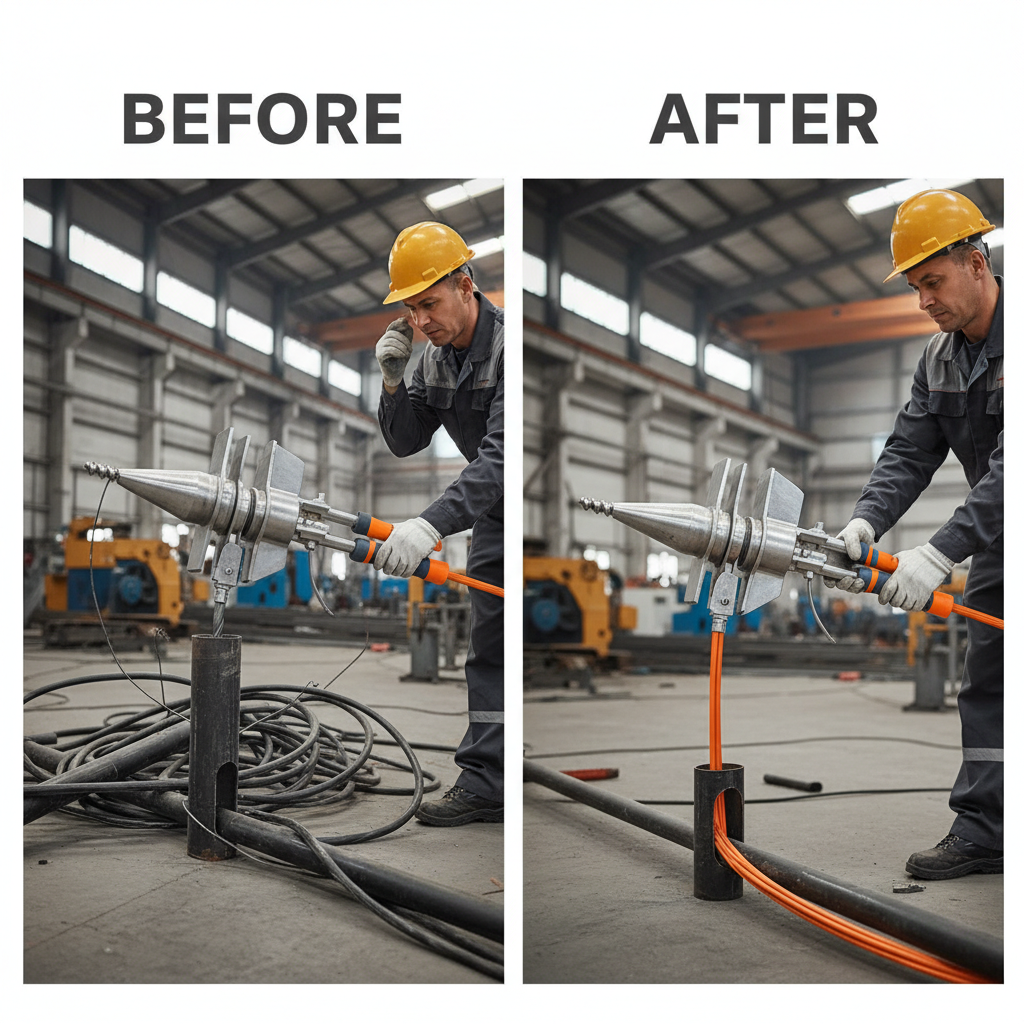
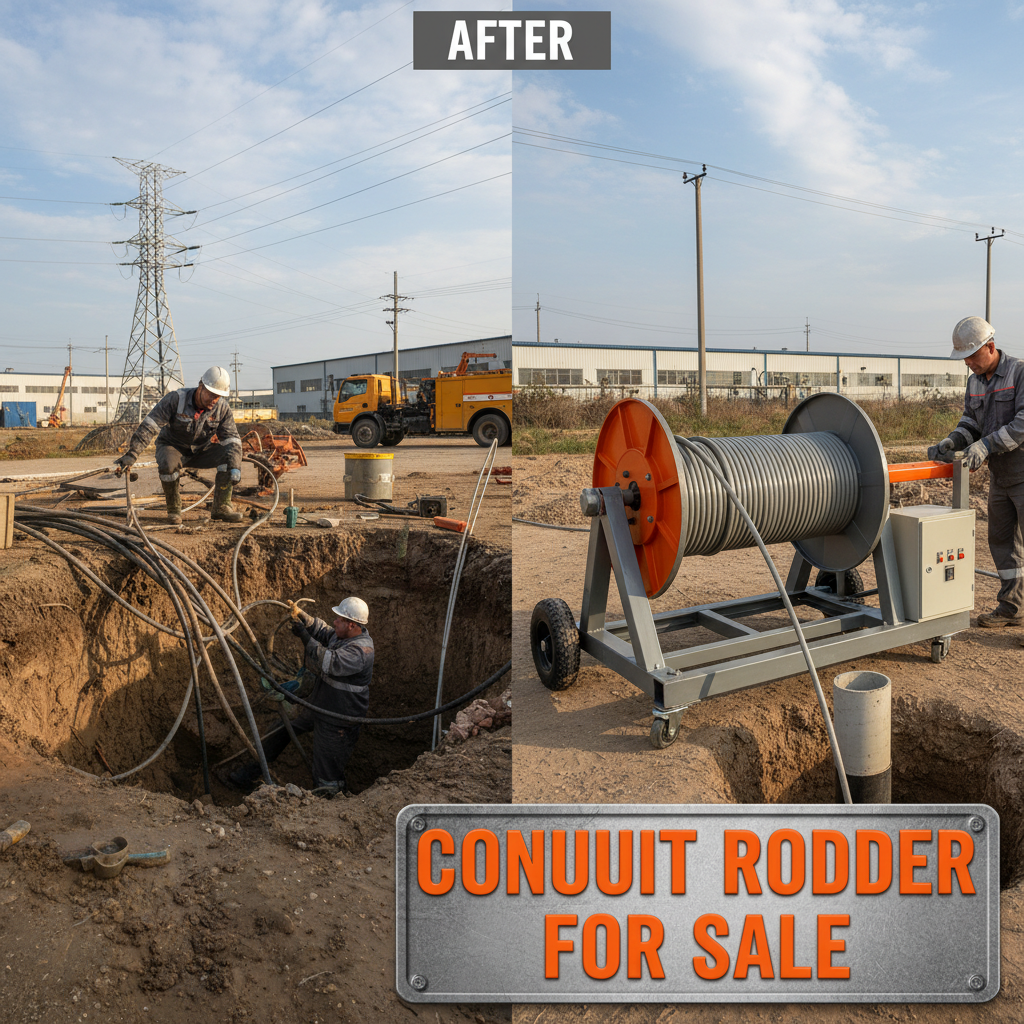
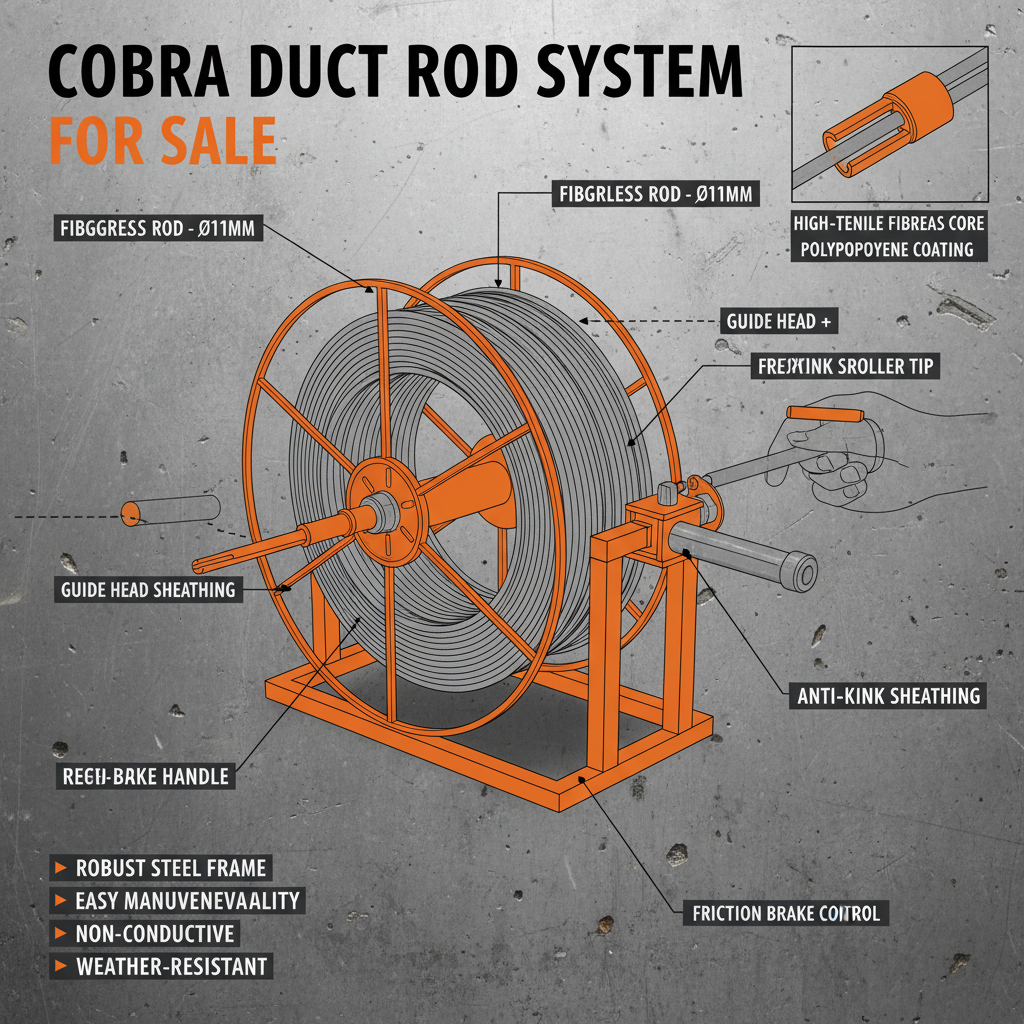
Let's talk puller fish. Not the kind you find in the ocean, but the kind that's changing how we approach temporary infrastructure. For years, I’ve been on sites wrestling with the limitations of traditional temporary structures - the constant headaches of sourcing materials, the delays, the sheer cost of it all. Puller fish – we’re talking about rapidly deployable, modular systems – are finally offering a real alternative. It's not just about speed, it’s about solving practical problems on the ground, and frankly, it’s about getting projects finished on time and under budget.
I've seen firsthand how a project’s timeline can be crippled by waiting on site offices, workshops, or even just secure storage. Puller fish solutions address this directly. We’re moving away from lengthy build times and complex foundations. These systems are designed to be transported easily, assembled quickly with minimal skilled labor, and repurposed when the project phase is complete. It’s a game changer, especially in remote or challenging locations.
The industry's been slow to adopt, I'll admit. There's a natural resistance to change, and a lot of skepticism about the durability of these systems. But I’ve been impressed with the advancements in materials and engineering. These aren’t flimsy containers – they’re robust, adaptable structures that can withstand harsh environments. And honestly, after years of dealing with mud, rain, and tight deadlines, anything that makes my job easier is worth a serious look.
The Core Principles of Puller Fish Implementation
From my experience, successful puller fish implementation boils down to two things: proper planning and understanding the limitations. You can’t just show up with a container and expect everything to magically fall into place. Site preparation is critical. Level ground, access for delivery vehicles – these are non-negotiable. And you need to think through the logistical challenges upfront: power, water, waste disposal.
Equally important is recognizing what puller fish aren’t. They’re not a replacement for permanent structures in all cases. They excel in temporary or semi-permanent applications – remote construction sites, disaster relief, temporary accommodation for work crews. Knowing when to deploy them, and when to opt for a traditional build, is key to maximizing their value.
Puller Fish and Global Infrastructure Needs
The demand for rapid deployment infrastructure is only going to increase. We're seeing more frequent natural disasters, increasing geopolitical instability, and a growing need for agile solutions in remote areas. Consider post-disaster relief - getting shelter, medical facilities, and operational bases established quickly is often a matter of life and death. Puller fish systems cut through the red tape and logistical nightmares that often plague traditional aid efforts.
Beyond disaster relief, there's a significant opportunity in resource extraction and infrastructure development in remote regions. Think mining camps in the Arctic, oil and gas operations in the desert, or construction projects in developing countries. Getting personnel and equipment in place quickly and efficiently is crucial, and puller fish provide a viable solution. The UN and various NGOs are starting to recognize this potential, and I expect to see wider adoption in the coming years.
Even in developed countries, there’s a growing need for flexible infrastructure. Temporary hospitals during peak pandemic periods, mobile testing centers, or even pop-up schools are all examples of applications where puller fish can provide a cost-effective and efficient solution. The ability to adapt to changing needs is becoming increasingly important, and puller fish deliver on that front.
Defining Puller Fish: A Practical Perspective
"Puller fish," as I use the term, refers to modular, prefabricated structures designed for rapid assembly and disassembly. These aren’t just shipping containers slapped together. These are engineered systems with integrated features like insulation, electrical wiring, plumbing, and climate control. They're designed to be stackable, configurable, and transportable.
The key differentiator is speed and ease of deployment. Traditional construction requires foundations, framing, roofing – all of which take time and skilled labor. Puller fish systems minimize or eliminate these requirements. You’re essentially snapping together pre-built components, and in many cases, can have a functional structure up and running in a matter of hours.
There's a spectrum of puller fish solutions available. Some are based on repurposed shipping containers, while others are purpose-built modular units. The best option depends on the specific application and budget. What matters most is that the system meets the required standards for safety, durability, and functionality.
Key Factors in Puller Fish System Performance
I’ve broken down system performance into four main areas: Durability, Portability, Customizability, and Cost. Durability is critical – these structures need to withstand harsh weather conditions, transportation stress, and the wear and tear of repeated assembly and disassembly.
Portability dictates how easily the system can be moved and deployed. Weight, dimensions, and ease of handling are all important considerations. Customizability allows for tailoring the structure to specific needs, whether it's adding extra insulation, incorporating specialized equipment, or creating a unique layout.
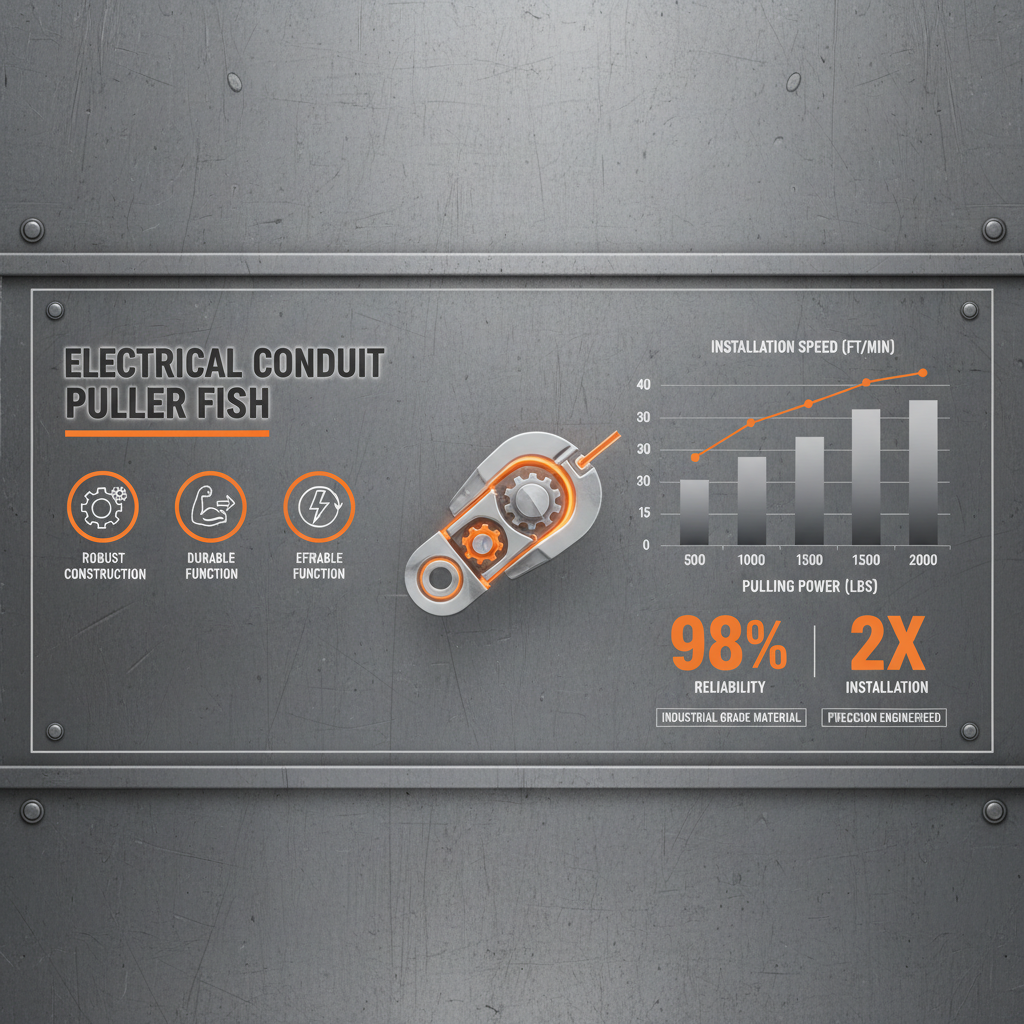
Puller Fish System Performance Metrics
Global Applications and Real-World Use Cases
I recently worked on a project in the Australian Outback where we used puller fish to establish a remote construction camp. The logistics of transporting materials and personnel to that location were a nightmare. With puller fish, we were able to get a fully functional camp up and running in a fraction of the time it would have taken with traditional methods.
Another example is in post-disaster relief in Haiti. Organizations are using puller fish to create temporary medical clinics and shelters. The speed of deployment is critical in these situations, and the ability to transport the structures by truck or even helicopter is a huge advantage.
Long-Term Value and Tangible Benefits of Puller Fish
The initial cost of a puller fish system might be higher than traditional temporary structures, but the long-term value proposition is compelling. Reduced labor costs, faster deployment times, and the ability to repurpose the structures multiple times all contribute to significant cost savings over the lifecycle of the project.
Beyond cost, there are important sustainability benefits. By minimizing waste and reducing the need for on-site construction, puller fish systems have a smaller environmental footprint. And from a social impact perspective, they provide safe, comfortable, and dignified accommodations for workers and those affected by disasters.
Future Trends and Innovations in Puller Fish Technology
We're seeing a lot of innovation in materials science – lighter, stronger, and more sustainable materials are constantly being developed. Integration of smart technologies – sensors, remote monitoring systems, and automated controls – will further enhance the functionality and efficiency of puller fish systems.
I also anticipate a greater focus on customization and modularity. The ability to easily adapt the structures to specific needs will be crucial. And as 3D printing technology matures, we may see puller fish systems incorporating 3D-printed components for increased flexibility and design freedom.
The push for more sustainable construction practices will also drive innovation in this space. Expect to see more puller fish systems incorporating recycled materials, renewable energy sources, and water conservation technologies.
Analysis of Puller Fish System Deployment Challenges and Mitigation Strategies
| Challenge Category |
Specific Challenge |
Mitigation Strategy |
Impact Level (1-5, 5 being highest) |
| Logistics |
Transportation to Remote Sites |
Utilize multi-modal transport; plan routes carefully; employ local logistics partners. |
4 |
| Site Preparation |
Uneven or Unstable Ground |
Implement ground stabilization techniques; use adjustable foundation systems. |
3 |
| Regulatory Compliance |
Varying Building Codes |
Ensure systems meet local standards; obtain necessary permits and approvals. |
5 |
| Skilled Labor |
Limited Availability of Trained Personnel |
Provide on-site training; utilize simplified assembly procedures; pre-assemble components. |
4 |
| Environmental Factors |
Extreme Weather Conditions |
Select systems designed for harsh environments; implement weather protection measures. |
3 |
| Security |
Vandalism or Theft |
Implement security measures; utilize durable materials; monitor access points. |
2 |
FAQS
Puller fish solutions drastically reduce setup time and costs. Forget about lengthy construction processes and permits. They offer a quick, adaptable solution that’s particularly useful in remote locations or time-sensitive projects. Plus, the modular design means they can be easily reconfigured or relocated as project needs change. I've seen projects saved weeks – and a significant amount of money – by going this route.
It really depends on the specific system. Higher-quality puller fish units are engineered to withstand a range of harsh environments, including high winds, heavy snow, and extreme temperatures. Look for systems with robust insulation, reinforced structures, and weather-resistant coatings. Proper site preparation is also essential – ensuring adequate drainage and anchoring is crucial for stability. Always check the manufacturer's specifications for weather resistance ratings.
One of the biggest advantages is minimal skill requirements. Most puller fish systems are designed for relatively easy assembly, often requiring just a few people and basic tools. Manufacturers typically provide detailed instructions and, in some cases, on-site training. While a skilled tradesperson can certainly speed up the process, it's not usually necessary.
Generally, yes. Compared to traditional construction, puller fish systems generate less waste and have a smaller carbon footprint. Many manufacturers are now incorporating recycled materials into their designs. Plus, the ability to reuse and repurpose the structures multiple times contributes to sustainability. However, it’s important to consider the entire lifecycle of the system, including transportation and disposal, to fully assess its environmental impact.
Permitting can be tricky and varies significantly by location. It's crucial to check with local authorities before deploying any puller fish structure. Requirements can range from building permits and zoning approvals to fire safety inspections and electrical certifications. Some areas may treat them as temporary structures, while others may require them to meet the same standards as permanent buildings. Don't skip this step – it can save you a lot of headaches down the road.
The upfront cost can sometimes be higher than a basic temporary structure. However, when you factor in the total cost of ownership – including labor, transportation, setup time, and the ability to reuse the system – puller fish often prove to be more cost-effective in the long run. Plus, the speed of deployment can save you significant money on project timelines and potential delays.
Conclusion
Puller fish represent a significant shift in how we approach temporary infrastructure. They offer a compelling combination of speed, flexibility, and cost-effectiveness that’s transforming industries from construction to disaster relief. They’re not a magic bullet, and careful planning is essential, but the benefits are clear.
The future of puller fish is bright. Continued innovation in materials, design, and technology will further enhance their performance and expand their applications. I encourage anyone involved in project management, site development, or emergency response to explore the potential of these systems. To learn more and discuss how puller fish can benefit your next project, visit our website: puller fish.