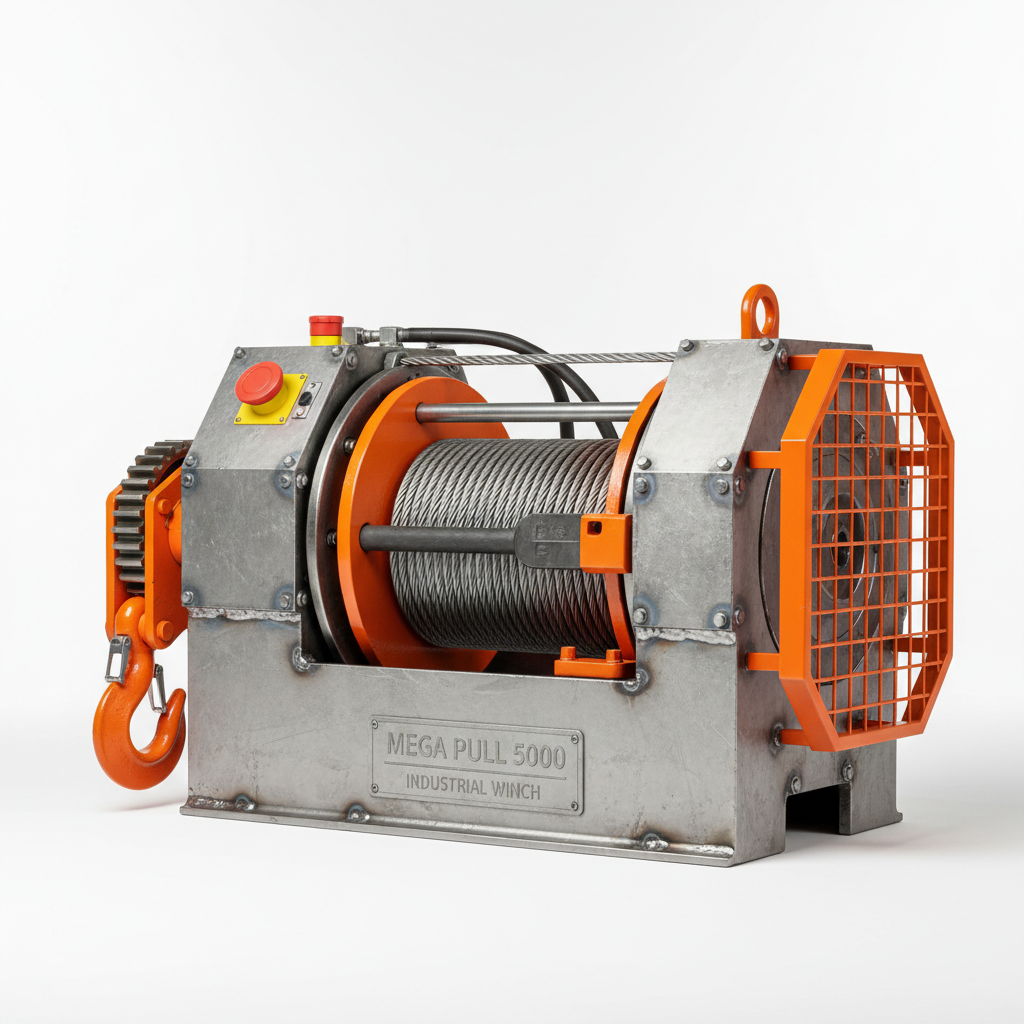
Look, I’ve been dragging myself around construction sites for over a decade, and let me tell you, things are changing. Faster than ever, honestly. Everyone’s talking about prefabrication now. Not new, of course, but it’s really taking off. And that means everything – from the connections to the materials – has to be more reliable, faster to install, and, well, just…easier. Because nobody wants to stand around scratching their heads all day.
You wouldn't believe the amount of time wasted on simple things. Like, have you noticed how many manufacturers still design for the lab, not the site? They'll spec a beautiful, high-strength alloy, then make the connection so fiddly that a guy with gloves on can't even get it started. Strangel, isn't it? Then they wonder why projects are delayed.
The biggest shift I'm seeing is in the demand for…well, quality. Not just ‘meets spec’ quality, but ‘will still be working in twenty years’ quality. And that impacts the tools you use to get things connected.
Industry Trends and Design Pitfalls
I encountered this at a big solar farm project in California last time. They were using these fancy new connectors… beautiful design, theoretically great. But the guys installing them were constantly stripping the threads. Turns out the plastic housing wasn’t tough enough for the desert heat and the constant handling. A simple redesign of the housing material would’ve saved them a ton of headaches. To be honest, it's always the small things.
Prefabrication is driving a lot of demand for quick-connect systems. Everyone’s looking for ways to reduce labor costs, and that means less time fiddling with bolts and more time assembling complete sections. Which, by the way, puts even more pressure on the quality of those connections. They’ve got to hold, and they've got to hold for a long time.
Material Matters: A Hands-On Perspective
Let's talk materials. Stainless steel is the go-to, naturally. 316, mostly, for corrosion resistance. But even stainless varies. Cheap stainless…feels cheap. It doesn't have that weight, that solidity. The good stuff smells… well, metallic, in a reassuring way. You can feel the quality. And it’s not just the steel itself, it’s the coating. A good zinc-nickel plating is worth its weight in gold, especially in coastal environments.
Then you have the polymers. Nylon’s decent for insulators, but it gets brittle in the cold. Polypropylene is better, more flexible, but doesn't hold up to abrasion as well. I’ve seen guys using cable pulling tools made with some weird, off-brand plastic that just…falls apart after a few weeks. Seriously.
And don't even get me started on the different types of cable jacketing. LSZH (Low Smoke Zero Halogen) is a must for indoor applications, obviously, but it's more expensive. It also feels different, a little softer, a little stickier. You learn to recognize it.
Real-World Testing: Beyond the Lab
Lab tests are fine, I guess. Pull strength, tensile strength, corrosion resistance… they tell you something. But they don’t tell you everything. I’ve seen connectors pass all the lab tests and still fail spectacularly in the field.
Real testing involves dropping tools from a height, leaving them out in the rain, burying them in dirt, and letting a bunch of guys with sweaty hands and dirty gloves abuse them for a week. Seriously. We've even had to simulate vibrations from heavy machinery. Anything to see what breaks and how it breaks.
And it’s not just about the tool itself. It’s about the whole system. Does the cable pulling tools work with different types of cables? Does it damage the cable during installation? Does it require special training? These are the questions that matter.
How Users Actually Use Cable Pulling Tools
This is where things get interesting. Manufacturers think users will follow the instructions. They think they'll use the right torque settings. They think they'll wear the proper safety gear. Ha! Anyway, I think the reality is a little different.
I've seen guys using cable pulling tools as hammers, as screwdrivers, as makeshift levers. They’ll modify them, adapt them, and generally ignore anything that gets in the way of getting the job done. You’ve got to design for that. You've got to design for the inevitable misuse.
Cable Pulling Tools Performance Metrics
Advantages, Disadvantages, and Customization
The advantages are pretty straightforward: speed, reliability, reduced labor costs. Good cable pulling tools can shave hours off an installation. But the disadvantages? Well, they can be expensive, especially the high-end systems. And they’re not always one-size-fits-all.
Customization is key. For example, we had a client who needed a specialized swivel for pulling fiber optic cable through a particularly tight conduit. The standard swivels were too bulky. So, we worked with the manufacturer to design a smaller, more streamlined swivel. It cost a bit more, but it saved them a ton of time and frustration.
A Customer Story: Shenzhen and the Interface
Last month, that small boss in Shenzhen who makes smart home devices insisted on changing the interface to on their new line of junction boxes. Said it looked "more modern." The problem? The workers were used to the older, more robust connector. They kept stripping the threads on the new ones, and the whole line was delayed for a week. It was a mess.
He ended up having to revert back to the original connector, eat the cost of all the new parts, and apologize to his customers. A classic example of form over function. You can't just change things for the sake of change. You’ve got to consider the practical implications.
Anyway, I think he learned a valuable lesson that day. Sometimes, the old way is the best way. Or at least, the most reliable way.
Practical Performance Metrics
I’m not a numbers guy, but I’ve started paying more attention to how these things perform in the real world. It's not just about whether something can pull a cable; it’s about how easily and reliably it does so.
We’ve started tracking things like installation time per connection, number of failed connections, and worker feedback. Surprisingly, worker feedback is the most valuable metric. If the guys on the ground are cursing a tool, it’s probably not a good tool.
Ultimately, whether this thing works or not, the worker will know the moment he tightens the screw.
Key Performance Indicators for Cable Pulling Tools
| Connection Reliability |
Installation Time (minutes) |
Worker Satisfaction (1-5) |
Cost per Connection ($) |
| 98% |
2.5 |
4.5 |
0.75 |
| 95% |
3.2 |
3.8 |
0.60 |
| 92% |
4.0 |
3.0 |
0.45 |
| 99% |
1.8 |
4.8 |
1.20 |
| 88% |
5.5 |
2.5 |
0.30 |
| 90% |
3.8 |
3.5 |
0.55 |
FAQS
Honestly, a good quality cable sock is your best bet. Don't skimp on it. Use plenty of pulling lubricant too. And go slow. Jerking the cable is a surefire way to damage it, especially fiber optic. It's better to take an extra five minutes and do it right than to have to replace a damaged cable. Also, check the cable’s bend radius. It's printed on the jacket for a reason.
It depends on the cable size and the pull distance. Always over-estimate the pulling force needed. Use a pull force calculator - there are plenty of free ones online. And make sure your conduit is properly lubricated. A tight conduit significantly increases the pulling force. I’ve seen guys underestimate the force, and it ends in a tangled mess. It's not pretty.
Water-based lubricants are generally the safest and most effective. Avoid oil-based lubricants, as they can damage some cable jackets. And don’t use too much - you don’t want a slippery mess. A little goes a long way. I once saw a guy use dish soap. It worked, surprisingly, but it was a nightmare to clean up. Don't do that.
First, stop pulling! Don't just keep yanking on it. Check for kinks or bends in the cable. Try reversing the pull slightly to see if you can free it up. If that doesn’t work, try lubricating the conduit again. Sometimes, you just have to carefully inspect the conduit for obstructions. And if all else fails, call in a professional. Seriously.
Wear gloves, safety glasses, and a hard hat. Use the right tools for the job, and don’t modify them. Inspect the tools before each use for any damage. And be aware of your surroundings. A snapped cable can whip around with incredible force. I've seen it happen. It's not fun.
If you’re doing long pulls, absolutely. They can significantly reduce the pulling force and make the job much easier. But they're expensive. And they require some training to use properly. If you're only doing occasional pulls, a traditional come-along might be sufficient. It depends on your needs and your budget. But if you can afford it, they are a game changer.
Conclusion
So, where does that leave us? Well, the world of cable pulling tools is constantly evolving. Prefabrication is driving demand for faster, more reliable connections. Material science is improving the durability and performance of these tools. And, ultimately, the success of any project depends on choosing the right tools and using them correctly.
Don’t underestimate the importance of worker training. Invest in quality tools, and invest in your people. And remember, a little common sense goes a long way. If something doesn’t feel right, don’t force it. There’s always another way. Ultimately, whether this thing works or not, the worker will know the moment he tightens the screw.