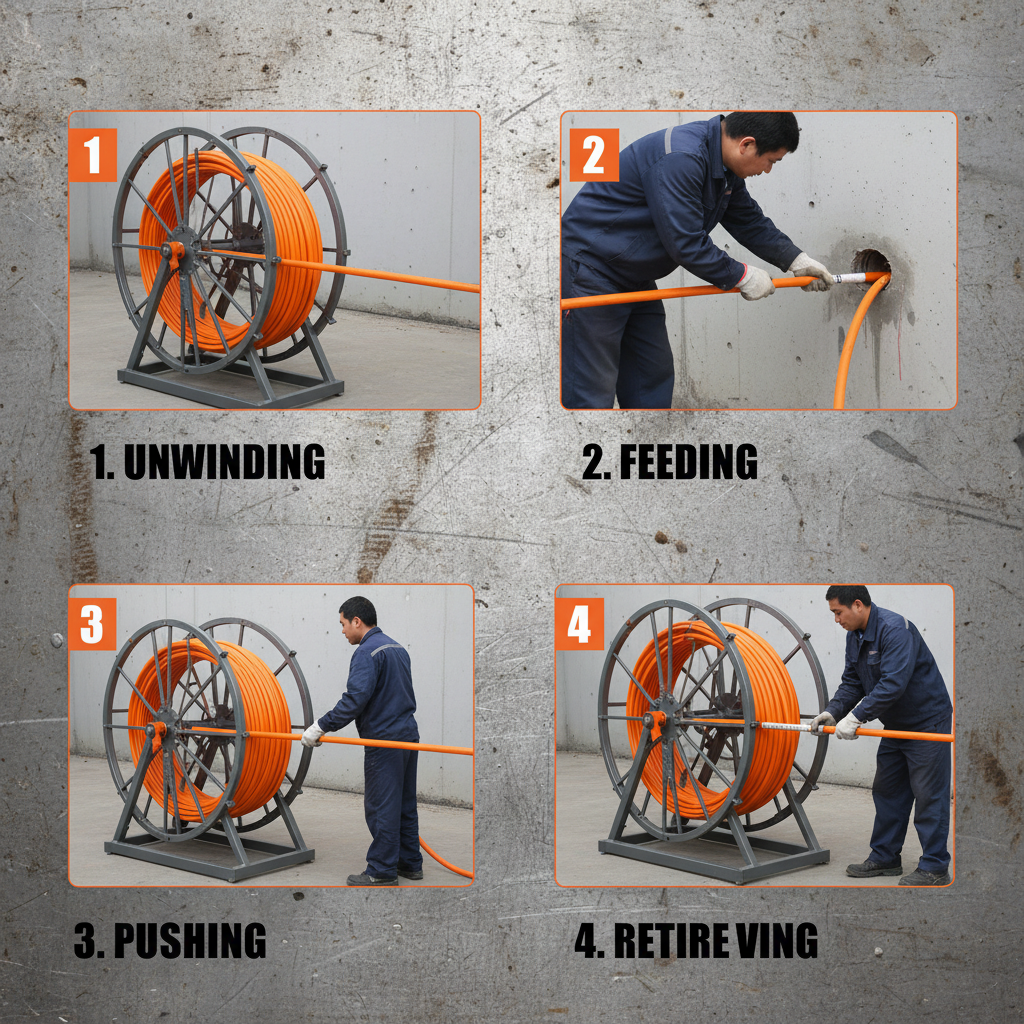
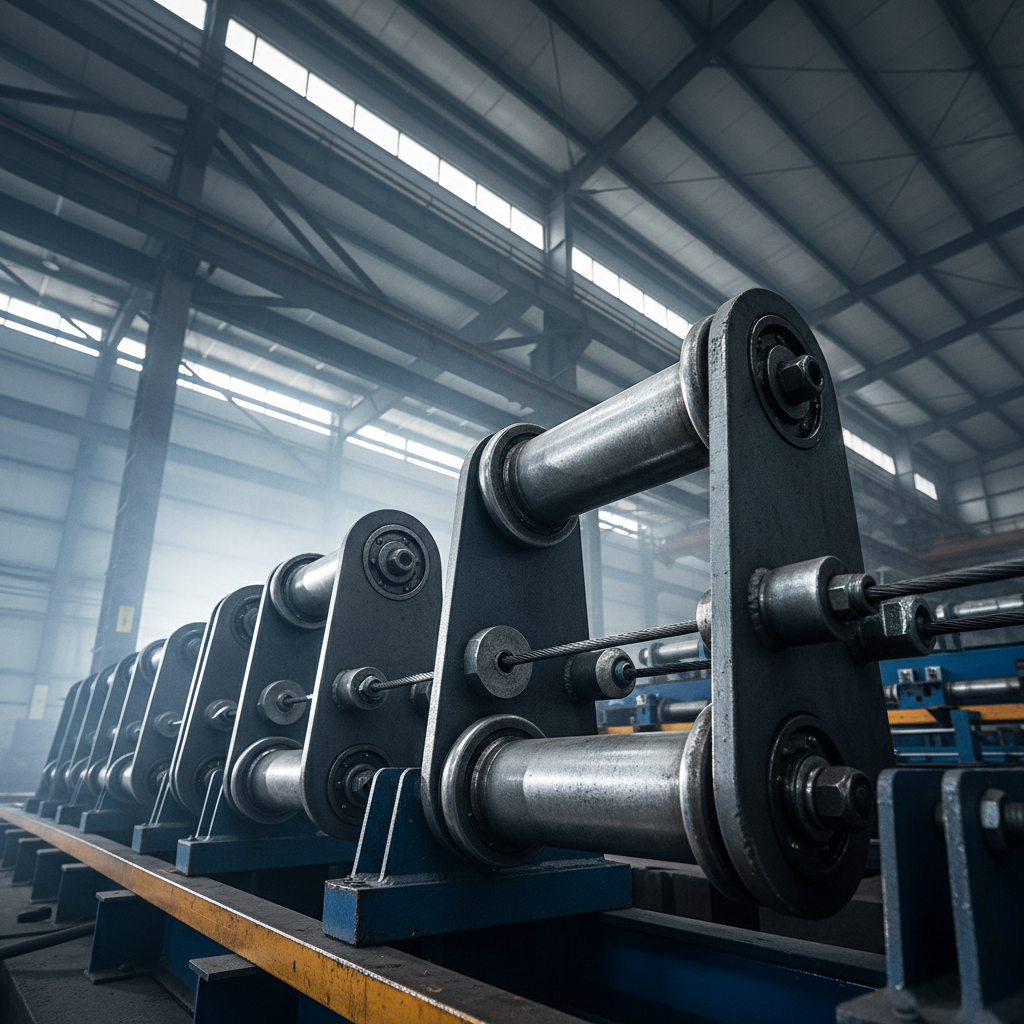
Cable pulling rollers are essential components in a wide range of industries, facilitating the safe and efficient installation of cables across various terrains and infrastructure projects. From power transmission and telecommunications to construction and mining, these rollers dramatically reduce friction and strain during cable laying, minimizing damage and maximizing productivity. Understanding their principles and applications is critical for professionals seeking to optimize cable installation processes and ensure long-term system reliability.
The global demand for efficient cable infrastructure is constantly increasing, driven by expanding urbanization, the growth of renewable energy sources, and the ever-increasing reliance on digital connectivity. This escalating demand places a significant emphasis on tools and technologies like cable pulling rollers that streamline installation, reduce costs, and enhance the overall lifespan of critical cable networks. Investment in these technologies is now a strategic imperative for businesses and governments worldwide.
Beyond mere convenience, effective cable pulling systems contribute directly to economic development and public safety. Reliable power and communication networks are the backbone of modern society, and cable pulling rollers play a crucial role in maintaining and expanding these essential services. Their proper selection and use ensure the integrity of infrastructure, preventing costly outages and safeguarding critical operations.
Introduction to Cable Pulling Rollers
The effective deployment of cables relies heavily on minimizing friction during the pulling process. Cable pulling rollers are specifically designed to address this challenge, providing a low-friction surface that allows cables to be drawn smoothly across distances. This is particularly vital in complex installations where bends, changes in elevation, and varying terrain create significant resistance.
The benefits extend beyond simple ease of installation. Reducing friction translates directly into less stress on the cable itself, mitigating the risk of damage and ensuring the longevity of the entire system. Properly implemented cable pulling rollers contribute to a more reliable and durable infrastructure, reducing the need for costly repairs and replacements down the line.
Defining Cable Pulling Rollers
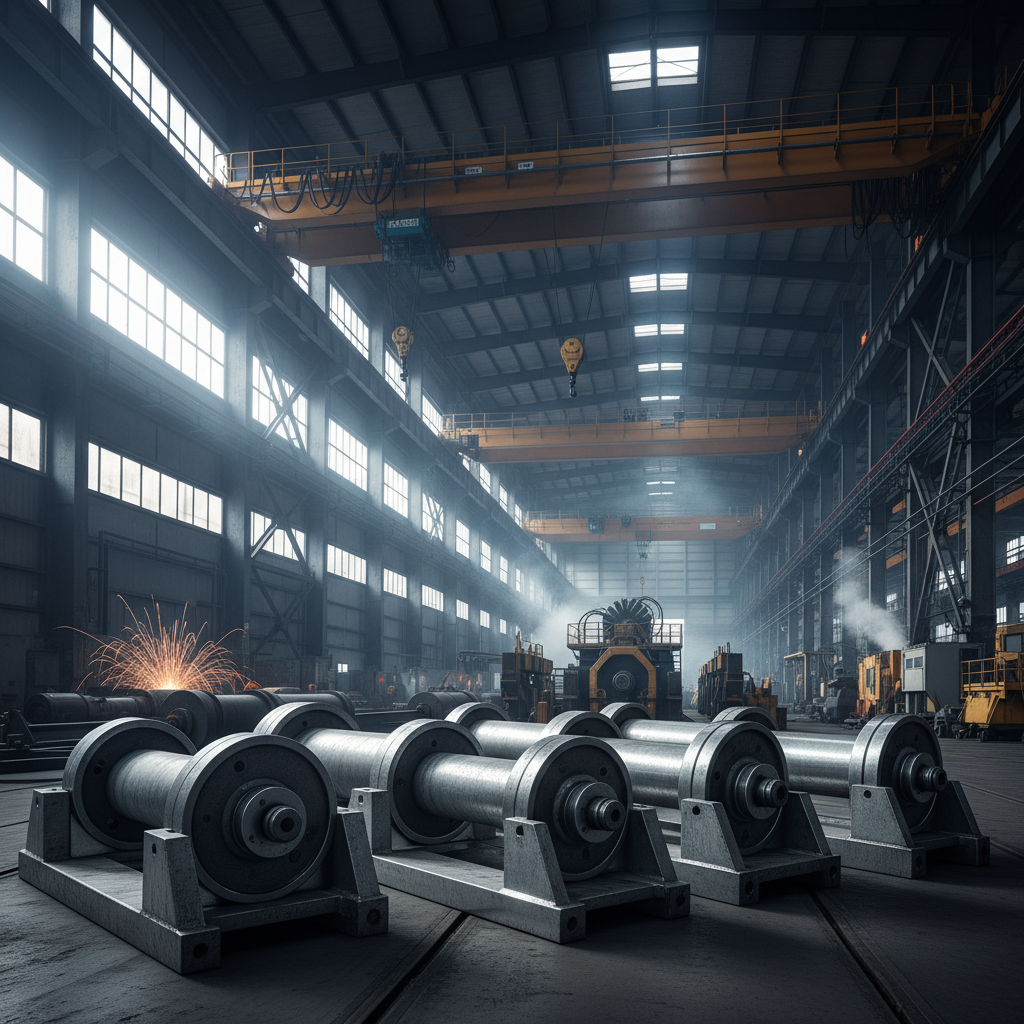
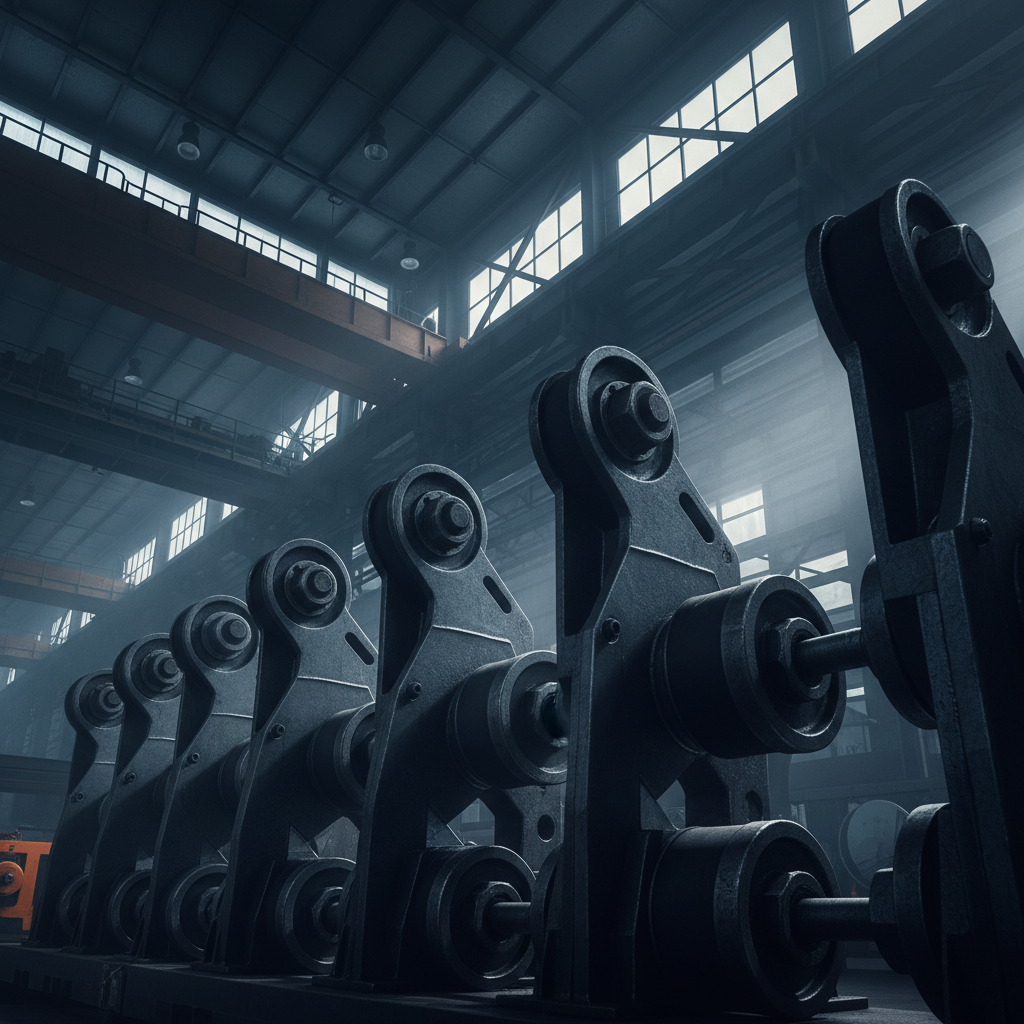
Cable pulling rollers are typically grooved wheels or sets of wheels strategically positioned along the cable pathway during installation. They are crafted from durable materials like high-density polyethylene (HDPE), nylon, or steel, chosen for their low friction coefficient and ability to withstand significant loads. Their primary function is to support the cable, reduce bending stress, and enable smooth, controlled pulling.
In essence, they act as a conduit, minimizing direct contact between the cable and potentially abrasive surfaces. This is critical for protecting the cable’s insulation and conductors, preserving its performance characteristics over time. Different types of rollers cater to specific cable sizes, weights, and installation environments.
The application of cable pulling rollers isn’t limited to traditional electrical or telecommunications cables. They are increasingly utilized in the installation of fiber optic cables, pipelines, and even large-diameter conduits, demonstrating their versatility and importance in modern infrastructure projects.
Core Components & Factors
Several key factors determine the effectiveness of cable pulling rollers. Durability is paramount; rollers must withstand repeated use, exposure to harsh weather conditions, and the weight of the cables they support. The material composition directly influences durability, with high-quality polymers and hardened steels offering superior resistance to wear and tear.
Load capacity is another critical aspect. Rollers must be rated to handle the maximum weight of the cable being installed, accounting for potential dynamic loads during the pulling process. Selecting rollers with an insufficient load capacity can lead to deformation, failure, and potentially hazardous situations. Scalability, or the ability to adapt to varying cable sizes and installation configurations, is also vital. Systems with adjustable rollers or a variety of roller sizes offer greater flexibility.
Cost-efficiency must be considered. While investing in high-quality rollers might represent a higher upfront cost, the long-term benefits of reduced cable damage, improved installation times, and minimized maintenance expenses often outweigh the initial investment. Finally, ease of installation and maintenance are important factors contributing to overall project efficiency. Rollers that are simple to deploy and maintain reduce downtime and labor costs.
Global Applications and Use Cases
The application of cable pulling rollers spans the globe, supporting infrastructure projects in diverse environments. In the energy sector, they are fundamental to the construction of power transmission lines, facilitating the installation of high-voltage cables across vast distances. Similarly, in the telecommunications industry, they are essential for laying fiber optic networks that underpin modern communication systems.
In post-disaster relief operations, cable pulling rollers can expedite the restoration of critical infrastructure, enabling the rapid deployment of temporary power and communication lines. In remote industrial zones, such as mining operations or oil and gas fields, they simplify cable installation in challenging terrains, reducing logistical complexities and improving operational efficiency.
The demand is particularly strong in rapidly developing nations where infrastructure investments are accelerating. From expanding urban power grids to connecting rural communities to the internet, cable pulling rollers are playing a pivotal role in bridging the digital divide and fostering economic growth.
Cable Pulling Roller Performance Metrics
Advantages and Long-Term Value
The advantages of utilizing cable pulling rollers extend beyond immediate installation efficiency. Cost savings are significant, stemming from reduced cable damage, lower labor requirements, and minimized downtime. By protecting the cable from abrasion and stress, these rollers contribute to a longer service life, decreasing the frequency of costly replacements.
Sustainability is another key benefit. Reducing cable damage minimizes waste and conserves resources. Moreover, efficient cable installation facilitated by rollers contributes to lower energy consumption during the process itself. These factors align with the growing global emphasis on environmentally responsible practices.
Future Trends & Innovations
The future of cable pulling rollers is likely to be shaped by advancements in materials science and automation. The development of lighter, more durable polymers with even lower friction coefficients is an ongoing area of research. Integration with robotic systems for automated cable laying promises to further enhance efficiency and safety.
The growing demand for renewable energy infrastructure is also driving innovation. Rollers designed specifically for the installation of large-diameter subsea cables, for example, are becoming increasingly sophisticated. Furthermore, the integration of sensors and data analytics into roller systems will allow for real-time monitoring of cable tension and stress, enabling proactive adjustments to optimize installation processes.
Challenges & Solutions
Despite their benefits, cable pulling rollers face certain challenges. Uneven terrain and complex cable pathways can still pose difficulties, requiring careful planning and strategic roller placement. Selecting the appropriate roller type for specific cable characteristics and environmental conditions is crucial.
Innovative solutions include the development of self-adjusting rollers that automatically adapt to variations in terrain. The use of advanced modeling software to simulate cable pulling scenarios can help identify potential stress points and optimize roller configurations. Training programs for installation crews can ensure proper roller usage and maximize their effectiveness.
Finally, addressing the risk of roller slippage in certain conditions requires the implementation of effective locking mechanisms and surface preparation techniques. A proactive approach to these challenges ensures the continued reliable performance of cable pulling rollers in demanding environments.
Summary of Cable Pulling Roller Challenges and Solutions
| Challenge |
Impact on Cable Installation |
Potential Solution |
Implementation Cost (1-10) |
| Uneven Terrain |
Increased Cable Stress & Friction |
Self-Adjusting Roller Systems |
7 |
| Incorrect Roller Selection |
Damage to Cable Insulation |
Comprehensive Cable/Roller Compatibility Chart |
3 |
| Roller Slippage |
Loss of Control During Pull |
Enhanced Locking Mechanisms & Surface Prep |
5 |
| Complex Cable Pathways |
Increased Installation Time |
3D Modeling & Route Optimization |
6 |
| Roller Wear and Tear |
Reduced Efficiency & Potential Failure |
Regular Inspection & Replacement Program |
4 |
| Lack of Trained Personnel |
Improper Installation & Increased Risk |
Comprehensive Training Programs |
2 |
FAQS
When selecting cable pulling rollers, prioritize cable diameter and weight, the installation environment (terrain, weather), and the roller’s load capacity. Consider the material composition for durability and friction coefficient. A high-quality roller system designed for your specific application will minimize cable damage and improve installation efficiency.
Using properly rated cable pulling rollers is paramount. Ensure the rollers are clean and free of debris. Avoid sharp bends or abrupt changes in cable direction. Maintain consistent pulling tension and monitor the cable for signs of stress. Properly planned routing and skilled installation crews are also critical.
Common materials include high-density polyethylene (HDPE) – known for its low friction and durability – nylon for its strength and wear resistance, and steel for heavy-duty applications. The choice of material depends on the cable weight, installation environment, and budget. HDPE is often favored for its balance of performance and cost.
The number of rollers required depends on the length of the pull, the cable weight, and the terrain. A general rule is to space rollers at intervals approximately 10-15 times the cable diameter. Complex routes with bends or elevation changes will require more rollers. Consult with a cable installation specialist for precise recommendations.
Regular inspection is key. Check for cracks, wear, or damage to the rollers. Clean them to remove any dirt or debris that could increase friction. Lubricate moving parts as needed. Replace rollers that are significantly worn or damaged to ensure optimal performance and prevent cable damage.
Always wear appropriate personal protective equipment (PPE), including gloves, safety glasses, and sturdy footwear. Ensure the cable pulling area is clear of obstructions. Never exceed the roller’s load capacity. Follow manufacturer’s instructions carefully. Proper training and adherence to safety protocols are essential.
Conclusion
In conclusion, cable pulling rollers are indispensable tools for modern infrastructure development, providing a cost-effective and reliable solution for cable installation across diverse environments. Their ability to minimize friction, protect cable integrity, and enhance installation efficiency translates into significant long-term benefits for businesses and communities alike. From power grids to telecommunications networks, cable pulling rollers are fundamental to maintaining a connected and sustainable world.
Looking ahead, continued innovation in materials science, automation, and data analytics will further optimize the performance and applicability of these critical components. By embracing these advancements and prioritizing best practices in installation and maintenance, we can ensure the continued reliability and longevity of our essential cable infrastructure for generations to come. Visit our website at www.bilopowtel.com to learn more.