The world relies on efficient infrastructure, and cable pulling is a fundamental aspect of installing and maintaining electrical, telecommunications, and data networks. A cobra cable puller is a specialized tool designed to streamline this process, offering significant advantages over traditional manual methods. Understanding its applications and benefits is crucial for professionals across numerous industries, impacting project timelines, safety, and overall cost-effectiveness.
The demand for robust and reliable cable installation solutions is globally increasing, driven by rapid urbanization, expanding digital infrastructure, and the need for resilient power grids. According to the International Energy Agency, global electricity demand is projected to grow by 60% by 2050. Meeting this demand, alongside the expansion of communication networks, necessitates efficient and safe cable pulling methods, making tools like the cobra cable puller increasingly vital.
Challenges such as congested conduits, long cable runs, and the need to minimize downtime are addressed effectively by employing a cobra cable puller. This technology represents a significant advancement in cable installation, offering precision, power, and control that contribute to a more sustainable and efficient infrastructure landscape.
Introduction to the Cobra Cable Puller
The cobra cable puller represents a significant advancement in the field of cable installation technology. Its design, inspired by the striking nature of a cobra snake, allows for exceptional maneuverability and grip within complex conduit systems. This translates to reduced installation times, minimized cable damage, and improved worker safety.
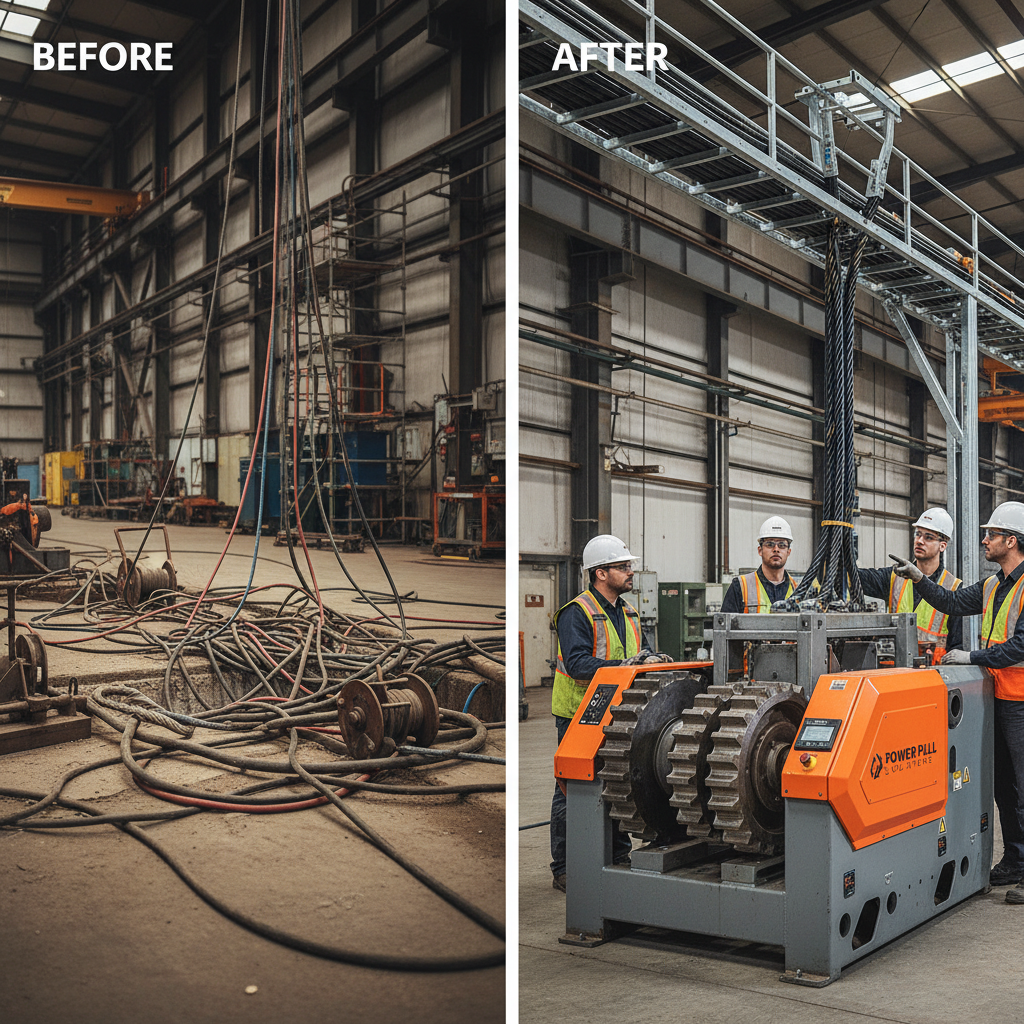
Unlike traditional methods that often rely on manual labor and can be prone to errors or cable damage, the cobra cable puller provides a controlled and powerful pulling force. This makes it ideal for handling a wide range of cable types and sizes, even in challenging environments. The precision offered by this tool is becoming increasingly essential as infrastructure demands grow more complex.
Defining the Cobra Cable Puller
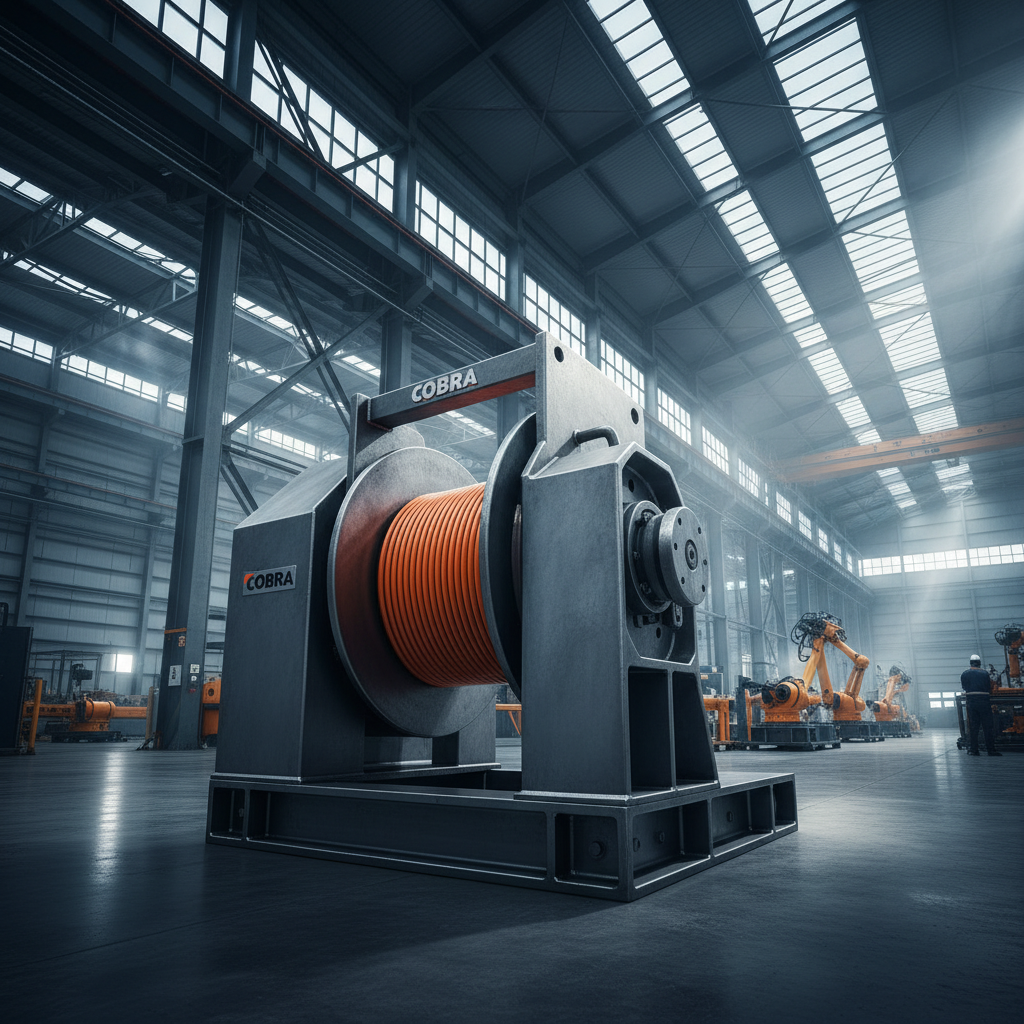
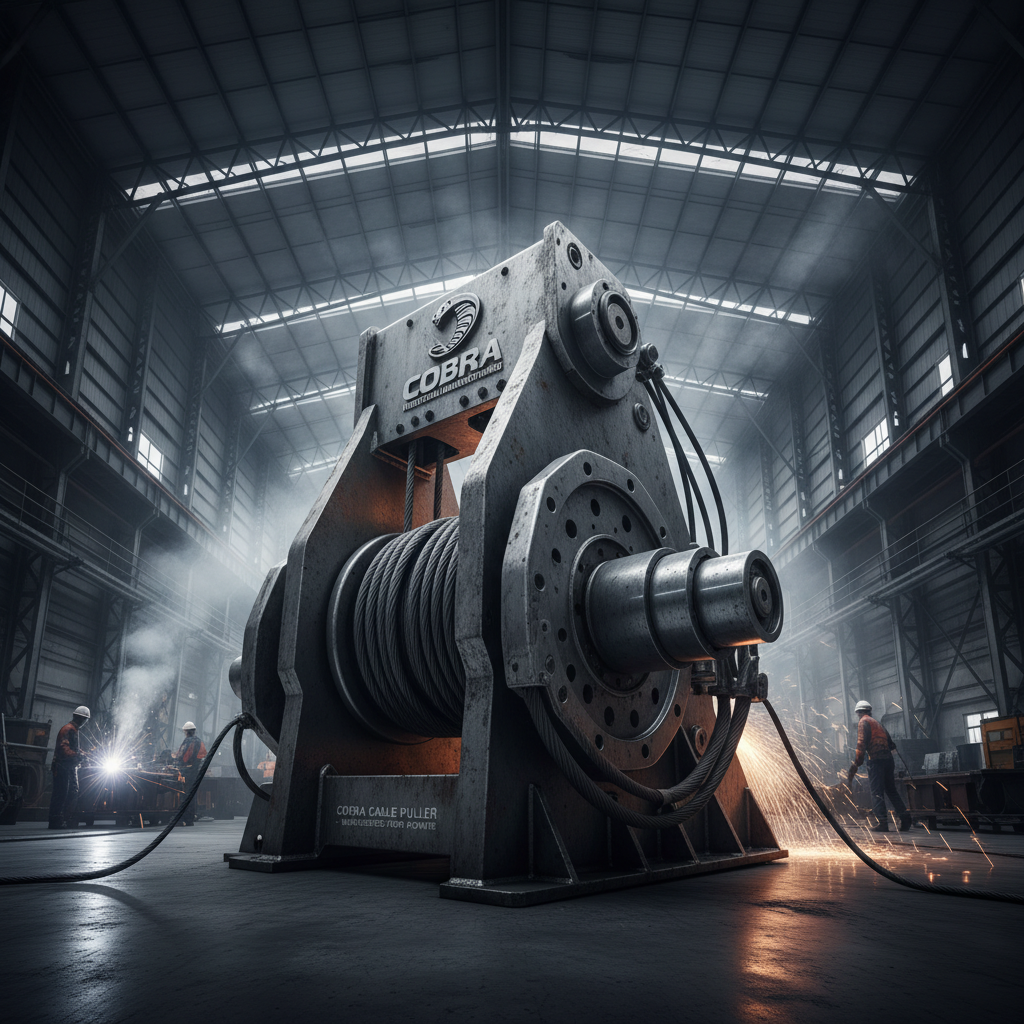
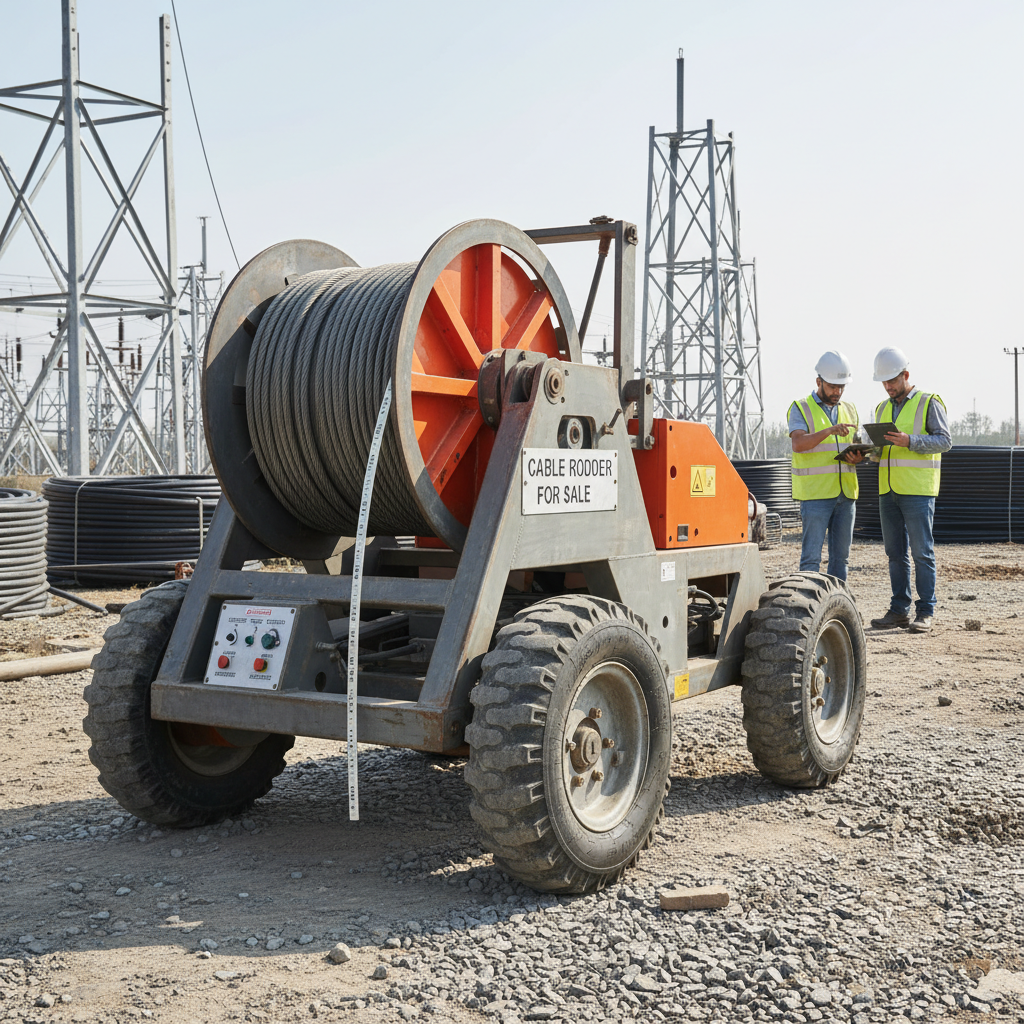
A cobra cable puller is a hydraulically or electrically powered device used to safely and efficiently pull cables through conduits. Its defining feature is a segmented head, resembling a snake's hood, which provides a strong gripping force on the cable while simultaneously allowing it to navigate bends and obstacles within the conduit. This is crucial for installations where direct access to the cable is limited or impossible.
The tool's connection to modern industry lies in its ability to support the rapidly expanding demand for robust communication and power infrastructure. From data centers and telecommunications networks to power grids and building automation systems, the reliable installation of cables is paramount. The cobra cable puller streamlines this process, ensuring project completion within budget and on schedule.
Beyond industrial applications, the use of a cobra cable puller also extends to humanitarian efforts. In disaster relief and infrastructure rebuilding projects, quick and efficient cable installation is often essential for restoring communication and power to affected areas, contributing to faster recovery and improved living conditions.
Key Components and Operational Factors
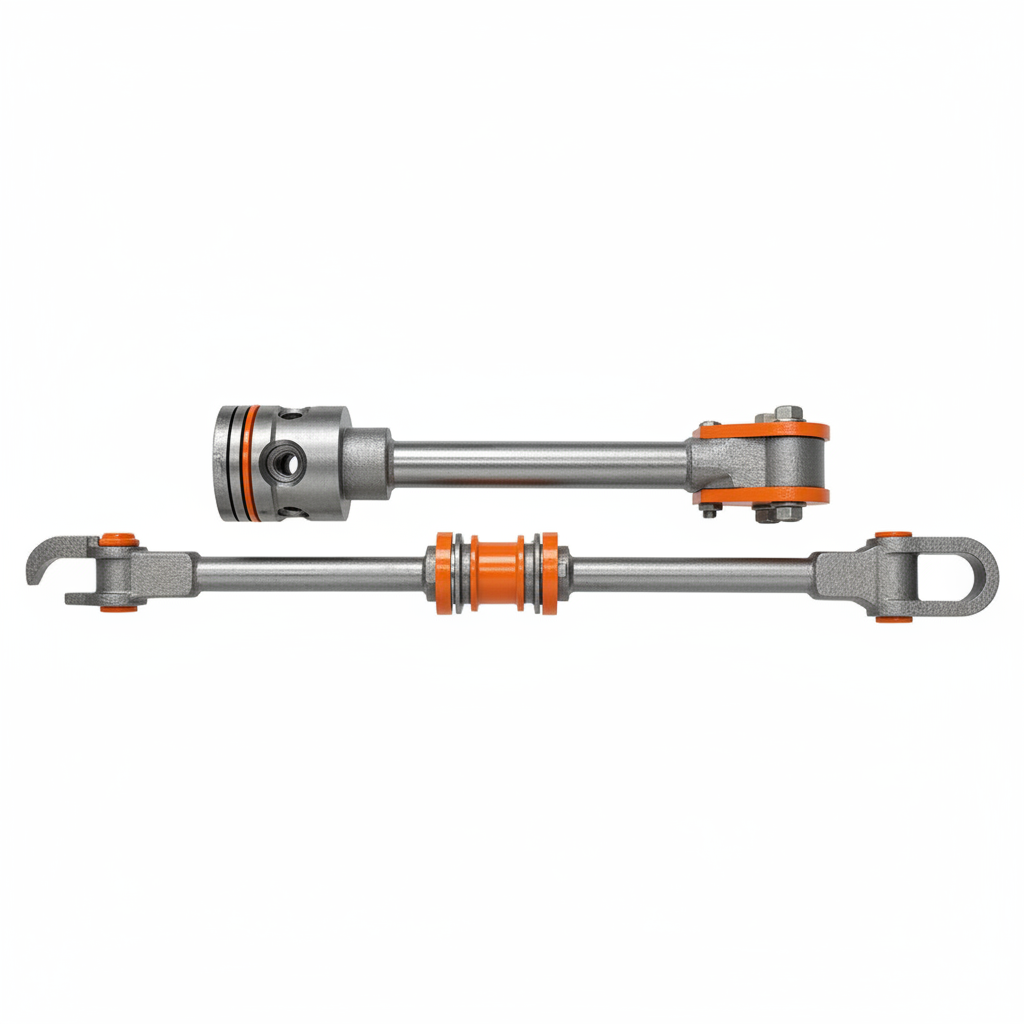
Several key factors contribute to the effectiveness of a cobra cable puller. Hydraulic Power: Many models utilize hydraulic systems to generate significant pulling force, making them suitable for long cable runs and challenging conduit configurations. This power translates to efficient cable movement with minimal strain.
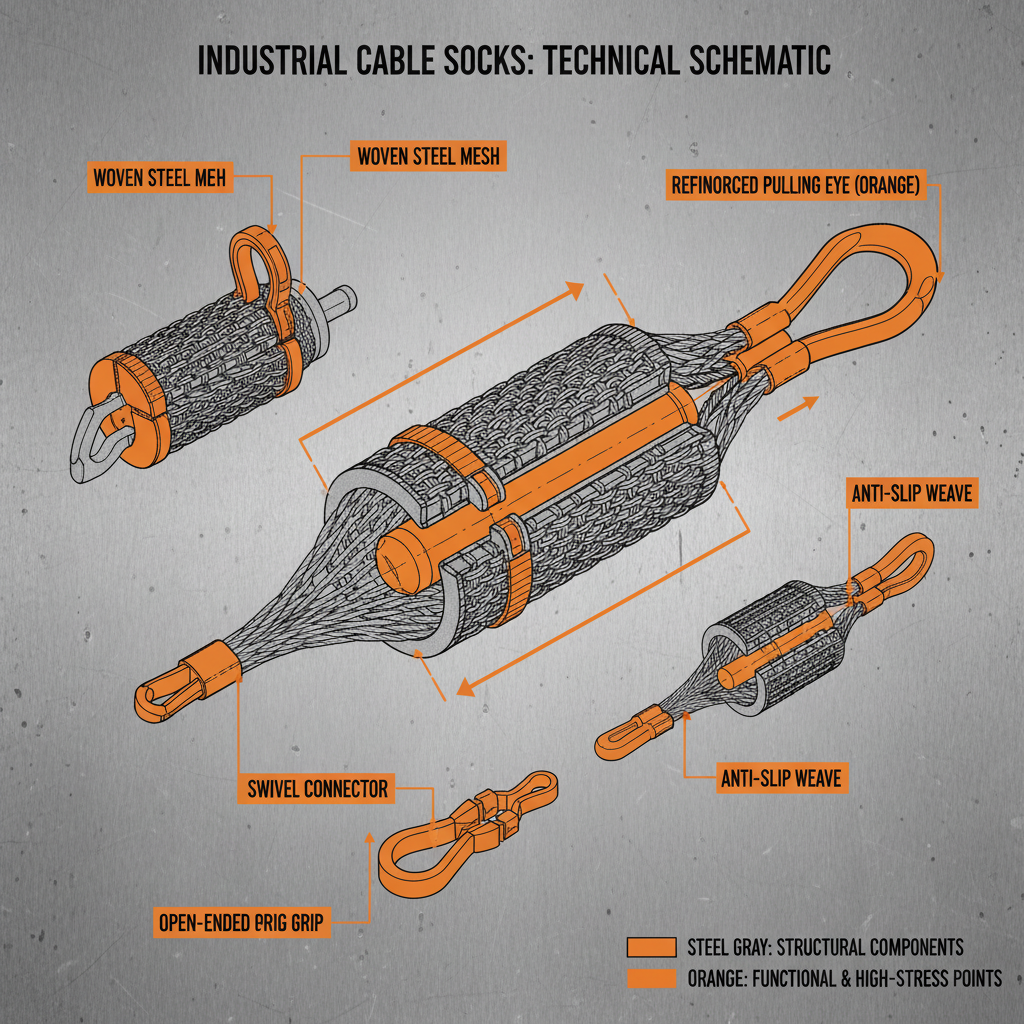
Grip Mechanism: The segmented head, with its self-adjusting jaws, is crucial for maintaining a secure grip on the cable without causing damage. Different jaw types are available to accommodate various cable jackets and sizes. Proper grip selection is vital for preventing cable slippage during the pull.
Conduit Compatibility: Cobra cable pullers are designed to handle a wide range of conduit diameters and materials, including PVC, steel, and fiberglass. However, it's essential to select a model with the appropriate capacity for the specific conduit system being used. Remote Control: Many units include remote control functionality, allowing operators to safely manage the pulling process from a distance, enhancing safety in confined spaces. Operator Skill: While the tool simplifies the process, proper training and operator skill are still crucial for maximizing efficiency and preventing damage.
Global Applications and Use Cases
The applications of a cobra cable puller are incredibly diverse and span numerous industries globally. In the construction sector, it's used for wiring buildings, installing electrical systems, and connecting communication networks. Power utility companies rely on these pullers to maintain and upgrade power grids, ensuring reliable electricity delivery.
Telecommunications companies utilize cobra cable pullers for installing fiber optic cables, essential for supporting high-speed internet and data transmission. In post-disaster relief operations, these tools prove invaluable for quickly restoring communication lines and power infrastructure to affected communities. Remote industrial zones, such as oil rigs and mining operations, also benefit from the efficient cable installation capabilities of these devices.
Specific regions witnessing increased demand include rapidly developing economies in Asia and Africa, where infrastructure development is accelerating. North America and Europe also continue to invest heavily in upgrading existing infrastructure and expanding broadband access, driving demand for advanced cable pulling solutions.
Cobra Cable Puller Performance Comparison
Advantages and Long-Term Value Proposition
The advantages of utilizing a cobra cable puller are multifaceted. Cost efficiency is a primary benefit – reduced labor hours and minimized cable damage translate to significant savings on project budgets. Increased safety is another key advantage, as remote operation capabilities minimize worker exposure to hazardous conditions within conduits.
Long-term value is derived from the increased reliability of cable installations. Reduced cable stress and proper tensioning contribute to a longer lifespan for the infrastructure. Furthermore, the ability to quickly and efficiently install cables reduces downtime, minimizing disruptions to critical systems. The tool's durability and robust design ensure it can withstand demanding job site conditions, providing a substantial return on investment.
Future Trends and Innovations in Cable Pulling
The future of cable pulling is leaning towards increased automation and integration with digital technologies. Smart cable pullers, equipped with sensors and data analytics, will provide real-time feedback on cable tension, conduit conditions, and potential obstacles. This data can be used to optimize the pulling process and prevent damage.
Sustainability is also driving innovation. New materials and lightweight designs are reducing the environmental impact of these tools. Furthermore, the integration of renewable energy sources, such as solar power, into hydraulic systems is being explored to reduce carbon emissions. The push for green energy and digital transformation will continue to shape the evolution of cable pulling technology.
Common Challenges and Effective Solutions
One common challenge is navigating extremely tight bends or complex conduit systems. Using a cobra cable puller with a highly flexible head and adjustable pulling speed can mitigate this issue. Another challenge is preventing cable twisting or kinking during the pull. Employing cable lubricants and utilizing a rotating head can help minimize these problems.
Maintaining proper cable tension is critical to avoid damage. Smart cable pullers equipped with tension monitoring systems can automatically adjust the pulling force to maintain optimal tension. Finally, ensuring adequate operator training is essential for maximizing efficiency and preventing accidents. Regular maintenance and inspection of the equipment are also crucial for long-term reliability.
Implementing preventative maintenance schedules and utilizing diagnostic tools can proactively identify and address potential issues before they escalate, maximizing the lifespan and performance of the cobra cable puller.
Summary of Cobra Cable Puller Performance Across Different Conduit Types
| Conduit Material |
Pulling Force Required (kN) |
Average Pulling Speed (m/min) |
Success Rate (%) |
| PVC |
5-10 |
15-20 |
98 |
| Steel |
10-15 |
10-15 |
95 |
| Fiberglass |
8-12 |
12-18 |
97 |
| HDPE |
6-9 |
18-22 |
99 |
| Conduit with Multiple Bends |
12-18 |
8-12 |
85 |
| Long Conduit Runs (>100m) |
15-20 |
5-10 |
80 |
FAQS
Prioritize safety by wearing appropriate PPE, including gloves and eye protection. Always inspect the cable and conduit for damage before starting the pull. Ensure the pulling force does not exceed the cable's tensile strength. Never stand in the direct line of the cable during the pull. Use remote control features when available to maintain a safe distance. Confirm the proper grounding of the equipment and adhere to all relevant safety regulations.
Consider the cable type, size, and length, as well as the conduit material and diameter. Determine the pulling force required based on these factors. Evaluate the conduit's complexity, including the number of bends. Choose a model with sufficient power and features to handle the specific demands of your project. Check the puller’s capacity and ensure it aligns with the cable specifications.
Regular maintenance is crucial for ensuring reliable performance. Inspect hydraulic hoses and connections for leaks. Lubricate moving parts according to the manufacturer’s recommendations. Check the gripping jaws for wear and tear. Clean the unit after each use to remove dirt and debris. Store the puller in a dry and protected environment. Perform scheduled inspections and calibrations.
Yes, a cobra cable puller is versatile and can be used with various cable types, including power cables, data cables, fiber optic cables, and control cables. However, it's crucial to select the appropriate gripping jaws and adjust the pulling force to match the cable's jacket material and tensile strength. Using the correct accessories ensures a secure grip and prevents cable damage.
Hydraulic models typically offer higher pulling force, making them suitable for more demanding applications. They often provide smoother and more consistent pulling action. Electric models are generally lighter and more portable, making them easier to maneuver in confined spaces. The best choice depends on the specific requirements of the project.
The segmented gripping head of a cobra cable puller distributes the pulling force evenly along the cable’s surface, minimizing stress and preventing crushing. Adjustable pulling speeds and tension control features further help to protect the cable jacket. Using cable lubricants also reduces friction, preventing abrasion and damage. Proper technique and operator training are essential for maximizing cable protection.
Conclusion
The cobra cable puller represents a pivotal advancement in cable installation technology, offering significant improvements in efficiency, safety, and reliability. By understanding its core components, applications, and future trends, professionals across various industries can optimize their projects and contribute to a more robust and resilient infrastructure. The benefits extend beyond simple cost savings, encompassing reduced downtime, enhanced safety, and increased longevity of installed cabling systems.
Investing in a cobra cable puller and providing thorough operator training are crucial steps toward modernizing cable installation practices. As infrastructure demands continue to grow and technologies evolve, the role of this tool will become increasingly important. We encourage you to explore the capabilities of our cobra cable pullers and discover how they can benefit your organization. Visit our website at www.bilopowtel.com to learn more.