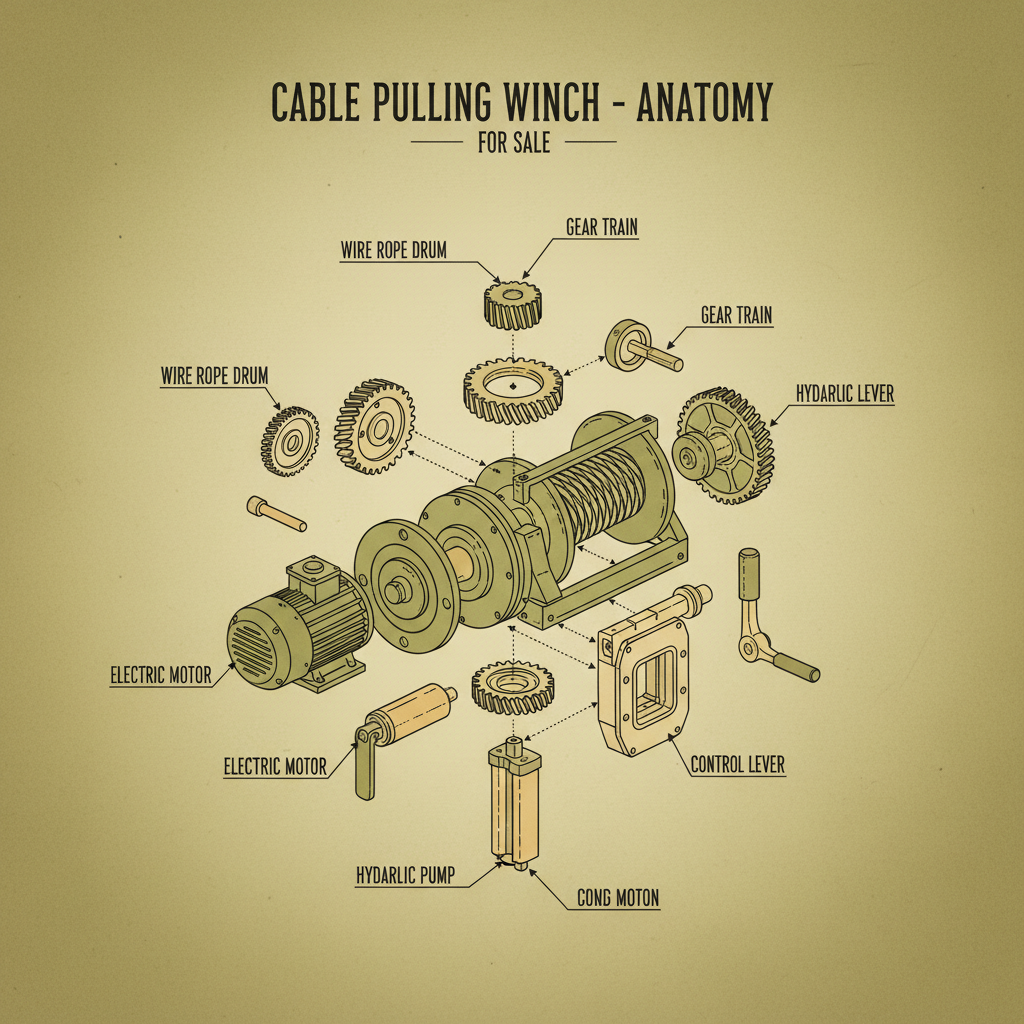
Cable tray rollers represent a vital, yet often overlooked, component in modern cabling infrastructure. These seemingly simple devices play a crucial role in streamlining cable management, reducing installation time, and enhancing the overall reliability of electrical and data systems. From large-scale industrial facilities to commercial buildings and even data centers, efficient cable routing is paramount, and cable tray rollers are instrumental in achieving this. The global demand for optimized infrastructure, coupled with the increasing complexity of cabling needs, continues to drive innovation and growth in this sector.
The significance of cable tray rollers extends beyond mere convenience. Proper cable support not only safeguards cabling from physical damage but also ensures adherence to safety regulations and industry standards. Poorly supported cables are susceptible to stress, abrasion, and potential failure, leading to costly downtime and repairs. Furthermore, effective cable management contributes to a cleaner, more organized workspace, improving accessibility for maintenance and future upgrades. The integration of smart technology into cable management systems further amplifies the importance of robust supporting elements like these rollers.
Understanding the nuances of cable tray roller selection, installation, and maintenance is therefore essential for engineers, contractors, and facility managers alike. Investing in high-quality rollers translates to long-term cost savings, increased system uptime, and a more reliable overall infrastructure. As businesses increasingly rely on data-intensive applications and interconnected devices, the role of these often-unseen components will only become more critical.
Introduction to Cable Tray Rollers
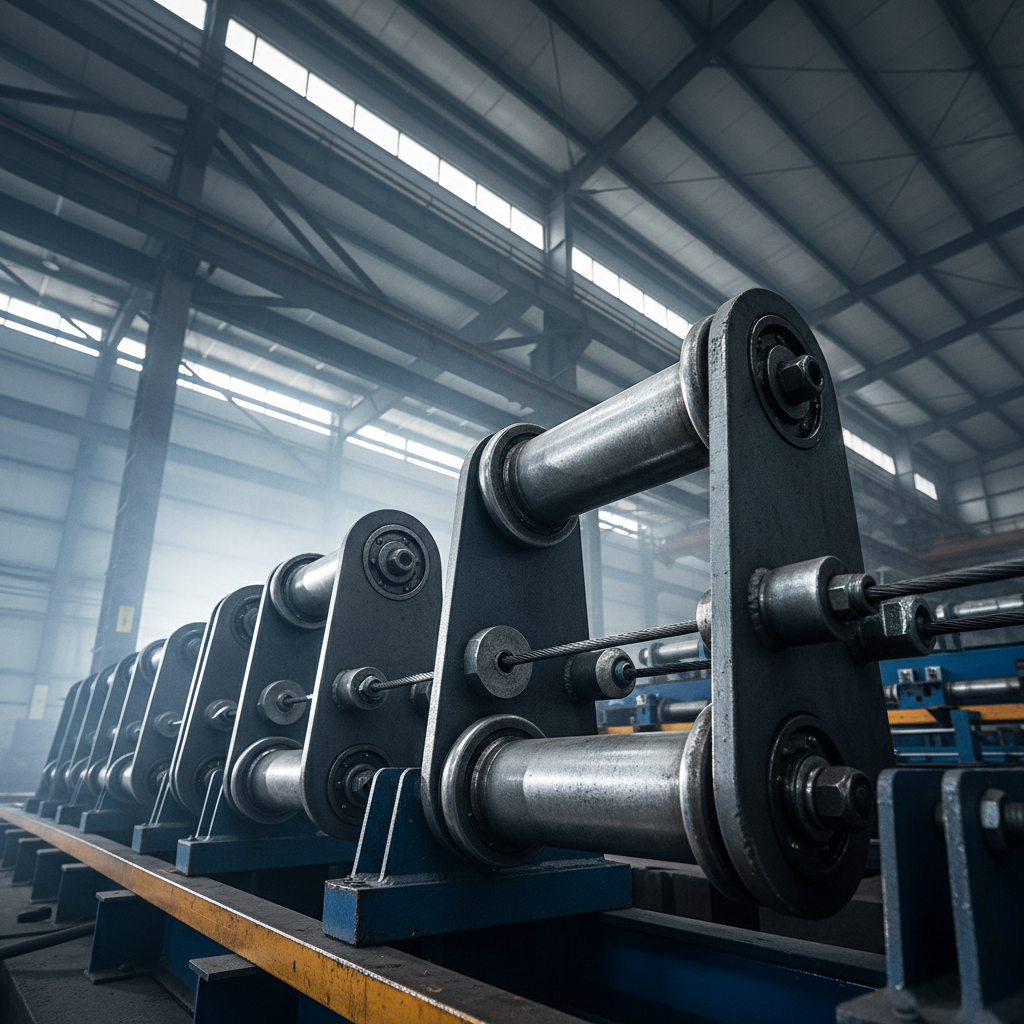
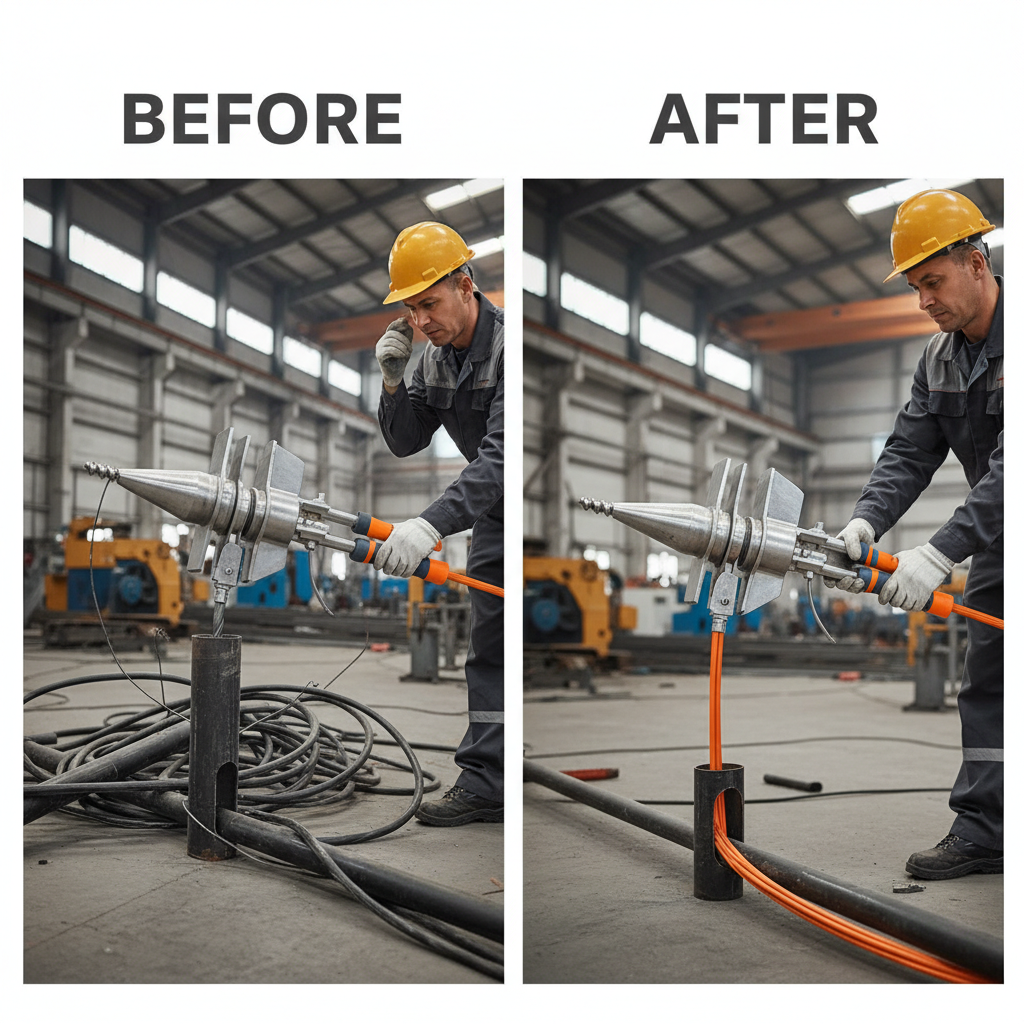
Cable tray rollers are integral components designed to facilitate the smooth movement of cable trays along supporting structures. They reduce friction and allow for easy adjustment and realignment of cable pathways, crucial in dynamic environments or when future modifications are anticipated. The efficiency gained through their implementation directly impacts project timelines and labor costs.
These rollers aren’t merely passive supports; they are engineered to handle varying load capacities and environmental conditions. Selecting the appropriate type of roller—considering factors like material, bearing type, and weight capacity—is critical for ensuring optimal performance and long-term reliability of the cable management system. A well-designed system utilizing quality cable tray rollers minimizes cable stress and protects against potential damage.
Defining Cable Tray Rollers
In simple terms, cable tray rollers are specialized bearings or wheels designed to be mounted beneath cable trays. They allow the tray, and the cables it supports, to move horizontally within the support structure. This functionality is critical in applications where cables require frequent adjustment, expansion, or contraction due to temperature fluctuations or ongoing modifications.
Their connection to modern industry stems from the increasing need for flexible and adaptable cabling infrastructure. As technology evolves and system requirements change, the ability to quickly and easily reconfigure cable pathways without disrupting operations is paramount. Cable tray rollers are essential in enabling this agility.
Beyond simply facilitating movement, these rollers contribute to the longevity of the cabling system. By reducing friction and distributing weight evenly, they minimize stress on the cables themselves, reducing the risk of damage and extending their lifespan. This is particularly important in demanding industrial environments where cable failure can lead to significant downtime and economic losses.
Core Characteristics of Cable Tray Rollers
Durability is a defining characteristic of high-quality cable tray rollers. They are often constructed from robust materials like galvanized steel, stainless steel, or high-strength polymers to withstand harsh environmental conditions, including temperature extremes, humidity, and corrosive substances.
Load capacity is another critical factor. Rollers must be capable of supporting the weight of the cable tray and its contents without deformation or failure. This capacity is determined by the roller’s size, material, and bearing type. Choosing a roller with an appropriate load rating is essential for ensuring safe and reliable operation.
The type of bearing used within the roller significantly impacts its performance. Common bearing types include ball bearings, roller bearings, and plain bearings, each offering different levels of friction, load capacity, and maintenance requirements. Selecting the optimal bearing type depends on the specific application and desired level of performance. Finally, smooth rolling action is essential to minimize friction and enable easy cable movement.
Performance Metrics of Cable Tray Rollers
Evaluating the performance of cable tray rollers involves assessing several key metrics. Friction coefficient is paramount, indicating the resistance to movement and influencing the effort required to adjust cables. Lower friction coefficients translate to smoother operation and reduced wear and tear.
Static and dynamic load capacity are crucial considerations, defining the maximum weight the roller can support without deformation or failure under stationary and moving conditions, respectively. Furthermore, corrosion resistance is essential for applications in corrosive environments, ensuring long-term durability and reliability of the cable tray rollers.
Cable Tray Roller Performance Comparisons
Global Applications of Cable Tray Rollers
Cable tray rollers find widespread application across numerous industries and geographical regions. In industrial facilities, such as manufacturing plants and power generation stations, they facilitate cable management for complex machinery and control systems. They are essential in data centers, where high cable densities and frequent changes require flexible and reliable routing solutions.
The telecommunications sector utilizes these rollers extensively in central offices and outside plant installations. Commercial buildings, including offices, hospitals, and shopping malls, also benefit from their use in supporting electrical and data cabling. In remote industrial zones, where accessibility for maintenance can be limited, the long-term reliability facilitated by these rollers is especially critical.
Furthermore, in post-disaster relief operations, quickly deployable cable management systems employing rollers can be vital for establishing communication networks and restoring essential services. The demand for efficient and adaptable cabling solutions is truly global, driving consistent growth in the cable tray roller market.
The Advantages of Utilizing Cable Tray Rollers
The tangible benefits of employing cable tray rollers are numerous. Cost savings are realized through reduced installation time and labor requirements, as the rollers simplify cable routing and adjustment. Sustainability is enhanced by extending the lifespan of cables and reducing the need for frequent replacements. These rollers help create safer work environments by minimizing cable stress and preventing potential hazards.
From a logistical standpoint, these rollers improve accessibility for maintenance and future upgrades, reducing downtime and minimizing disruption. Beyond the practical advantages, the use of well-engineered cable tray rollers inspires trust and confidence in the reliability of the infrastructure. A properly designed system conveys a sense of professionalism and attention to detail, enhancing the overall value of the project.
Future Innovations in Cable Tray Roller Technology
The future of cable tray roller technology is poised for exciting advancements. The integration of smart sensors into rollers will enable real-time monitoring of cable stress, temperature, and movement, providing valuable data for predictive maintenance and proactive problem-solving. Materials science is driving the development of lighter, stronger, and more corrosion-resistant rollers, further enhancing their performance and longevity.
Automation and robotics are also playing a role, with automated systems designed to install and adjust rollers with greater precision and efficiency. The pursuit of sustainable materials and manufacturing processes is becoming increasingly important, aligning with global efforts to reduce environmental impact. These innovations will solidify the position of cable tray rollers as an indispensable component of modern infrastructure.
Summary of Common Issues and Potential Solutions
| Problem Area |
Root Cause Analysis |
Potential Solutions |
Implementation Difficulty (1-10) |
| High Friction |
Substandard bearing quality or lack of lubrication. |
Upgrade to higher-quality bearings; implement regular lubrication schedule. |
3 |
| Insufficient Load Capacity |
Incorrect roller selection for cable weight. |
Recalculate cable weight and select rollers with appropriate load rating. |
2 |
| Corrosion |
Exposure to harsh environmental conditions. |
Utilize corrosion-resistant materials (stainless steel, coated polymers). |
4 |
| Noise |
Worn bearings or improper alignment. |
Replace bearings; ensure proper alignment during installation. |
5 |
| Difficult Adjustment |
Restrictive cable tray design or inadequate access. |
Modify cable tray design to allow for easier adjustment; improve accessibility for maintenance. |
6 |
| Premature Failure |
Poor quality materials or manufacturing defects. |
Source rollers from reputable manufacturers with stringent quality control processes. |
7 |
FAQS
In a well-maintained standard office environment, cable tray rollers can typically last between 10 to 15 years. However, this can vary depending on factors like load capacity, environmental conditions (temperature, humidity), and the quality of the rollers themselves. Regular inspection and lubrication are crucial for maximizing their lifespan. Choosing rollers constructed from durable materials, such as stainless steel, will further extend their usability. Proper installation and avoiding overloading the trays are also key to long-term performance.
Determining the correct load capacity involves calculating the total weight of the cables, cable tray, and any associated hardware. It's crucial to factor in a safety margin of at least 25% to account for potential future additions or dynamic loads. Roller manufacturers typically provide load capacity specifications for their products. Always select rollers with a load capacity that exceeds your calculated total weight to ensure safe and reliable operation. Consulting with a qualified engineer is recommended for complex applications.
Regular maintenance is vital for maximizing the lifespan and performance of cable tray rollers. This includes periodic inspection for signs of wear, corrosion, or damage. Lubrication is essential to reduce friction and ensure smooth operation – the frequency depends on the environment and roller type. Check for proper alignment and tighten any loose mounting hardware. Address any issues promptly to prevent more significant problems down the line. Keeping the rollers clean from dust and debris will also contribute to optimal performance.
Yes, cable tray rollers are available in various materials, each with unique benefits. Galvanized steel offers good strength and corrosion resistance at a reasonable cost. Stainless steel provides superior corrosion resistance, making it ideal for harsh environments. High-strength polymers are lightweight and non-conductive, suitable for applications where weight is a concern or electrical isolation is required. The best material depends on the specific application and environmental factors.
Cable tray rollers play a crucial role in supporting cables securely and preventing sagging or strain, which can create safety hazards. Properly supported cables minimize the risk of damage and electrical shorts. They also facilitate neat and organized cable routing, reducing tripping hazards and improving access for maintenance. Using rollers that meet relevant industry standards (such as UL or IEC) demonstrates a commitment to safety and compliance.
In high-vibration environments, selecting rollers with robust locking mechanisms and vibration-dampening features is crucial. Look for rollers with ball bearings or roller bearings, as they are less susceptible to loosening than plain bearings. Ensure the mounting hardware is secure and resistant to vibration. Consider using rollers with a larger diameter for increased stability. Regularly inspect the rollers for any signs of loosening or damage.
Conclusion
Cable tray rollers are a deceptively simple yet profoundly important component of modern cabling infrastructure. They facilitate efficient cable management, enhance system reliability, and contribute to safer, more organized workspaces. From industrial facilities to data centers, their ability to streamline installation, support cable weight, and enable easy adjustment is invaluable. Understanding their characteristics, applications, and future trends is essential for professionals in a wide range of industries.
Looking ahead, the continued development of innovative materials, smart sensors, and automated installation techniques will further elevate the role of cable tray rollers. Investing in high-quality rollers and implementing proactive maintenance strategies will not only reduce costs and downtime but also ensure the long-term performance and resilience of critical infrastructure. For reliable cable tray rollers and expert guidance, visit our website: www.bilopowtel.com.