Honestly, the whole cable roller scene... it's been wild lately. Everyone's chasing lighter materials, you know? Carbon fiber is the buzzword, naturally. But it's not just about weight, it's about durability. I’ve spent too many hours on sites watching things snap when they shouldn’t. And the demand for customization? Through the roof. Everyone thinks their application is special.
Have you noticed how every manufacturer now claims their rollers are "self-lubricating?" It's mostly marketing fluff, to be honest. A little grease goes a long way, and a good schedule for maintenance is better than any coating. The problem is, nobody wants to schedule maintenance. They want something that just…works.
It's funny, you spend all this time designing something in a lab, thinking you’ve solved every problem, then you get on site and see guys using them as levers or makeshift supports. It’s a constant reminder that real-world usage is always more creative - and destructive - than anything you’ve anticipated.
The Current Landscape of Cable Rollers for Sale
The market for cable rollers for sale is surprisingly dynamic. It’s not just about moving cables anymore. It’s about minimizing friction, managing weight, and extending cable lifespan. Strangely, a lot of folks still skimp on quality, opting for the cheapest option. They don’t realize that a failed roller can bring down an entire system. The pressure is on to find solutions for increasingly complex cabling situations – think data centers, renewable energy installations, and large-scale construction projects.
We’re seeing a surge in demand for rollers that can handle harsh environments – extreme temperatures, corrosive chemicals, you name it. And, of course, everyone wants faster deployment times. Nobody wants to spend all day wrestling with cables. It all comes down to efficiency, and that’s where a good set of rollers really shines.
Design Pitfalls: What We’ve Learned the Hard Way
I encountered this at a power plant in Zhejiang province last time. They went with a fancy, complicated design with a bunch of moving parts. Looked great on paper, but it jammed constantly. Constantly. Turns out, the tolerances were too tight, and dust and debris quickly clogged the mechanism. Keep it simple, that's my mantra.
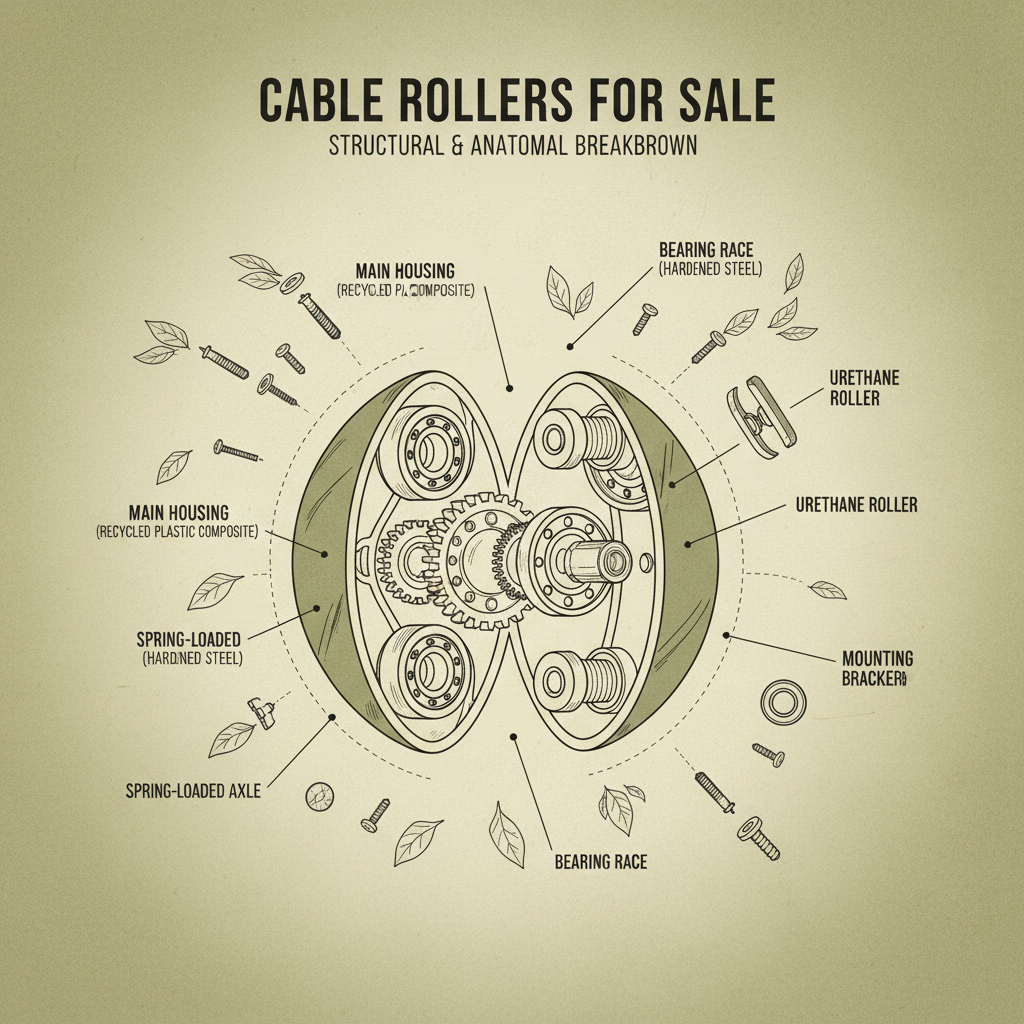
Another common mistake is underestimating the load capacity. People often overestimate the strength of the materials they’re using. And don't even get me started on the bearings. Cheap bearings are a false economy. They’ll fail, and they’ll fail at the worst possible moment.
A lot of designs also neglect proper sealing. You need to protect those bearings from the elements, especially if you’re working outdoors. Water, dirt, and grit are the enemy.
Material Matters: Beyond the Spec Sheet
You can talk about tensile strength and yield point all day, but it doesn't tell you what the material feels like. We’ve been experimenting with different polymers, and the feel is important. A softer polymer provides better grip, reducing the risk of slippage. Smell matters too, strangely enough. A strong chemical odor usually indicates off-gassing, which can be a problem in enclosed spaces.
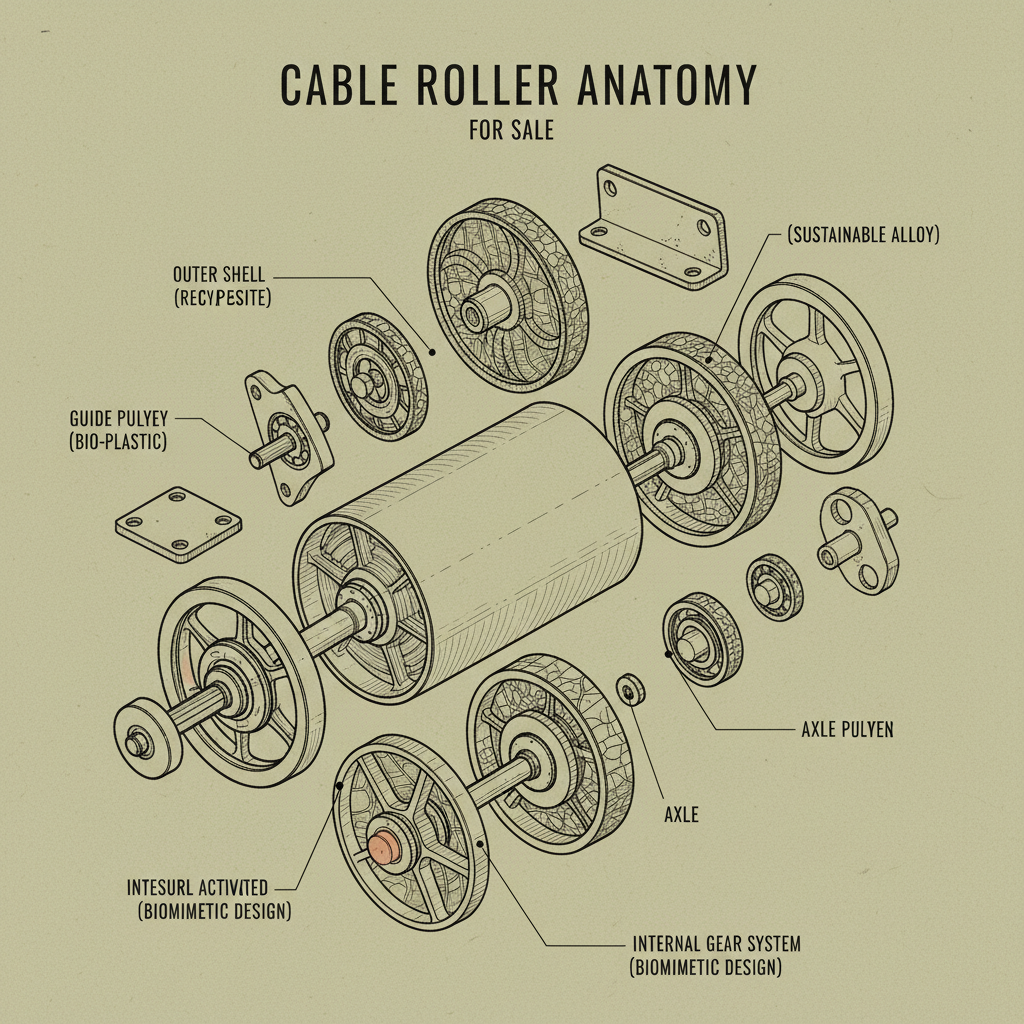
We've moved away from a lot of the cheaper metals. They corrode too easily, and they’re heavy. Stainless steel is the standard for a reason, but even that has its limitations. You need to consider the specific environment. In saltwater applications, you need to go with a specialized alloy.
The thing about these new composites… they look amazing, they're incredibly strong, but they’re a pain to work with on site. Cutting them, drilling them… it's a whole different ball game. And they don't always play nice with other materials.
Real-World Testing: Beyond the Lab
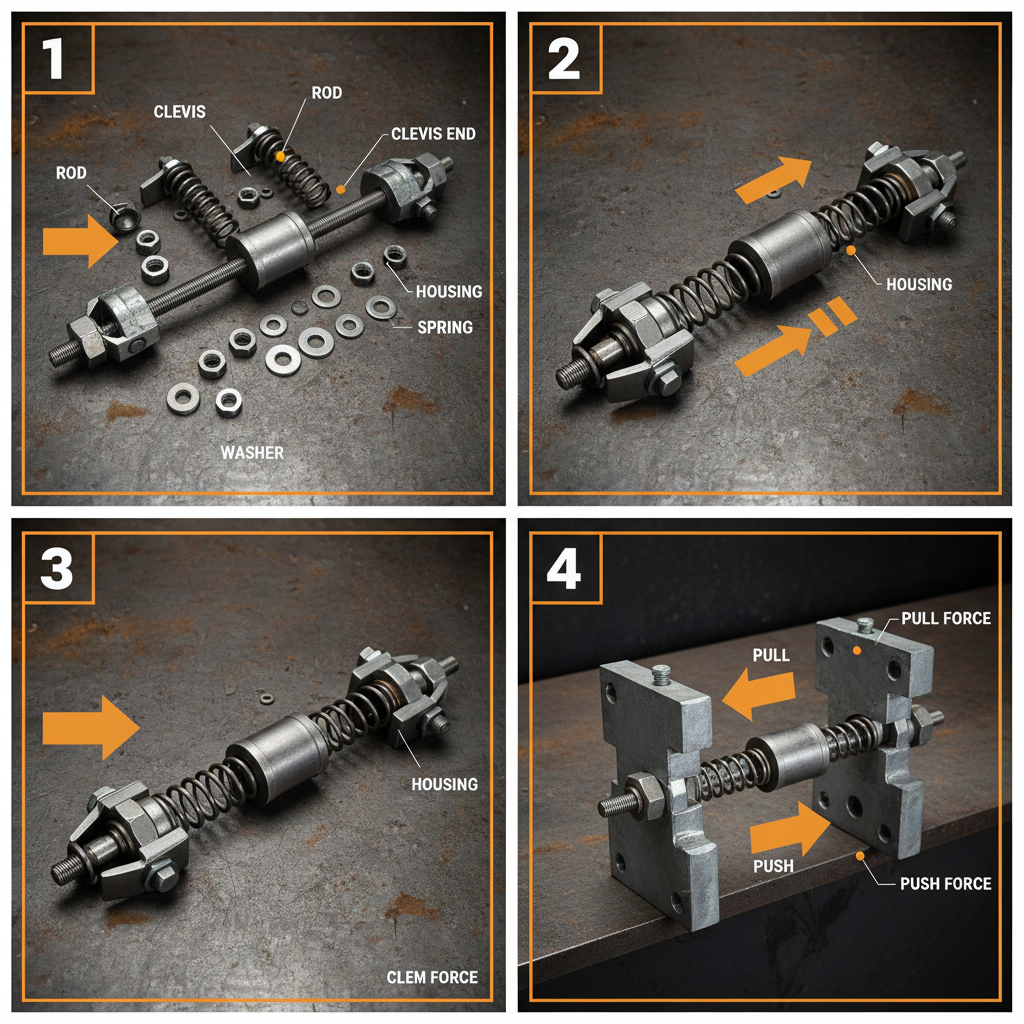
Lab tests are fine, but they don't replicate the chaos of a real construction site. We've started doing more field testing, subjecting the rollers to extreme conditions. We've run them over with forklifts (don’t tell my boss!), dropped them from heights, and soaked them in all sorts of nasty fluids.
We also have a dedicated "abuse" team – a group of engineers who are tasked with finding ways to break our products. It's a brutal process, but it's incredibly valuable. They’ll try to pry them apart, overload them, and generally inflict as much damage as possible. That’s when you really find the weak spots.
Cable Roller Performance Testing
How They're Actually Used: The Unexpected
You wouldn’t believe some of the things I’ve seen. Guys using them as doorstops, as wedges to level equipment, even as improvised hammers. It’s always something. That’s why we design for a margin of safety. You have to assume people are going to misuse your products.
The biggest surprise? How often they’re used in applications we never intended. For example, a customer in the shipbuilding industry started using them as part of their cable management system on submarines. Who would have thought?
The Upsides and Downsides: A Balanced View
The obvious advantage of good cable rollers for sale is reduced friction, which means less wear and tear on the cables themselves. That translates to longer cable life and reduced maintenance costs. They also make it easier to maneuver heavy cables, which improves efficiency and safety.
But they’re not perfect. They can be expensive, especially the high-end models. And they require regular inspection and maintenance. If you neglect them, they can actually increase friction and damage the cables. They also add a bit of weight to the system, which can be a concern in some applications. Anyway, I think a balanced approach is best. Don't overspend, but don’t skimp on quality either.
Customization and Specific Applications
We get a lot of requests for custom rollers. Last month, that small boss in Shenzhen who makes smart home devices insisted on changing the interface to …and the result was a complete disaster. The connector was too fragile and kept breaking. He learned a valuable lesson that day.
We recently did a project for a wind farm in Inner Mongolia. They needed rollers that could withstand extreme temperatures and constant vibration. We ended up designing a custom roller with a reinforced bearing and a special coating to protect it from the elements. It wasn’t cheap, but it solved their problem.
Another common customization request is for rollers with different mounting options. Sometimes, customers need them to be bolted directly to a surface, while others prefer a clamp-on design. We try to be flexible and accommodate their needs as much as possible.
Summary of Cable Roller Material Characteristics
| Material Type |
Cost (Relative) |
Durability (1-10) |
Environmental Resistance |
| Steel |
Low |
7 |
Moderate |
| Stainless Steel |
Medium |
9 |
High |
| Aluminum |
Medium |
6 |
Moderate |
| Nylon |
Low |
5 |
Low |
| Polyurethane |
Medium |
8 |
Good |
| Carbon Fiber Composite |
High |
9 |
Excellent |
FAQS
That depends on the model, of course. Our standard rollers are rated for up to 500kg, but we have heavier-duty options available for more demanding applications. We always recommend over-specifying, just to be safe. You don't want a roller failing mid-operation. Seriously.
Most of them are, yes. We offer rollers with UV-resistant materials and corrosion-resistant coatings. But it really depends on the specific environment. Saltwater, extreme temperatures, harsh chemicals… those require specialized materials. We can help you choose the right roller for your needs.
Good question. It depends on the usage. In general, we recommend lubricating them every 3-6 months, or more frequently if they're exposed to harsh conditions. A little lithium grease goes a long way. Don’t use WD-40, it’s a solvent, not a lubricant. Trust me, I've seen what happens.
Absolutely. We offer a wide range of customization options. We can adjust the size, material, bearing type, and mounting options to meet your specific requirements. Just let us know what you need, and we’ll do our best to accommodate you. We’ve done everything from rollers with custom colors to rollers made from exotic alloys.
Lead times vary depending on the complexity of the order and our current workload. Generally, you can expect a lead time of 4-8 weeks for custom rollers. But we can expedite orders if necessary, for an additional fee. We'll give you a firm quote and delivery date upfront.
Yes, we offer a one-year warranty on all our cable rollers, covering defects in materials and workmanship. We stand behind our products. But the warranty doesn’t cover misuse or abuse, so be careful out there! And don't try to use them as hammers. Please.
Conclusion
Ultimately, cable rollers for sale are deceptively simple components. But they play a critical role in countless applications. Choosing the right roller can save you time, money, and a whole lot of headaches. It’s about understanding the environment, the load requirements, and the potential for misuse.
And really, whether this thing works or not, the worker will know the moment he tightens the screw. That’s the truth of it. If it feels right, it probably is. If it feels flimsy, get a different one. Don't trust the specs, trust your gut.