In the complex landscape of modern electrical infrastructure, the ability to efficiently navigate wiring through tight conduits is a fundamental necessity for contractors and engineers. A high-quality conduit fish tape serves as the critical bridge between a raw conduit installation and a fully functional electrical system, eliminating the guesswork and physical strain of manual cable pulling.
Across global industrial sectors, the demand for precision-engineered cable laying tools has surged as smart cities and automated factories increase the density of wiring requirements. Understanding the nuances of material composition and tensile strength in a conduit fish tape is no longer just for specialists; it is a prerequisite for ensuring long-term system reliability and adhering to international safety standards.
By optimizing the process of wire routing, professionals can significantly reduce labor hours and minimize the risk of cable insulation damage during installation. This comprehensive guide explores the technical evolution, practical applications, and strategic selection of conduit fish tape to empower industry professionals in achieving peak operational efficiency.
Global Relevance and Industry Context of Conduit Fish Tape
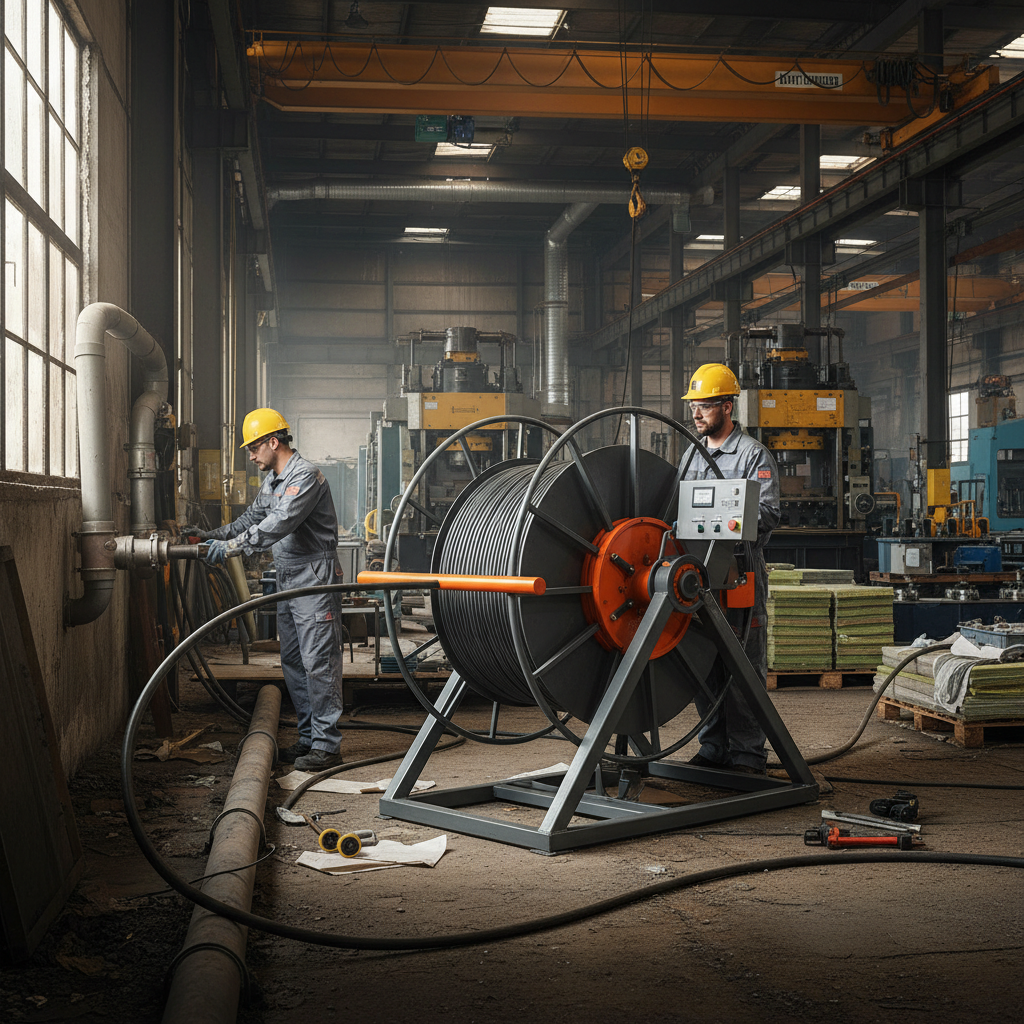
On a global scale, the rapid expansion of urban infrastructure and the integration of IoT (Internet of Things) have placed unprecedented pressure on electrical installations. According to industry benchmarks aligned with ISO standards, the efficiency of cable deployment directly impacts the timeline of large-scale construction projects. The conduit fish tape has emerged as an indispensable tool in this context, allowing technicians to navigate complex conduits that span hundreds of meters in commercial skyscrapers and industrial plants.
The primary challenge addressed by this tool is the inherent resistance and friction encountered within PVC or steel conduits. Without a professional-grade fish tape, the risk of cable snagging or jacket abrasion increases exponentially, potentially leading to short circuits or premature system failure. By providing a rigid yet flexible lead, the tool ensures that the "pull" is smooth and controlled, which is critical for maintaining the integrity of high-voltage and data cables.
Defining Conduit Fish Tape and Its Industrial Purpose
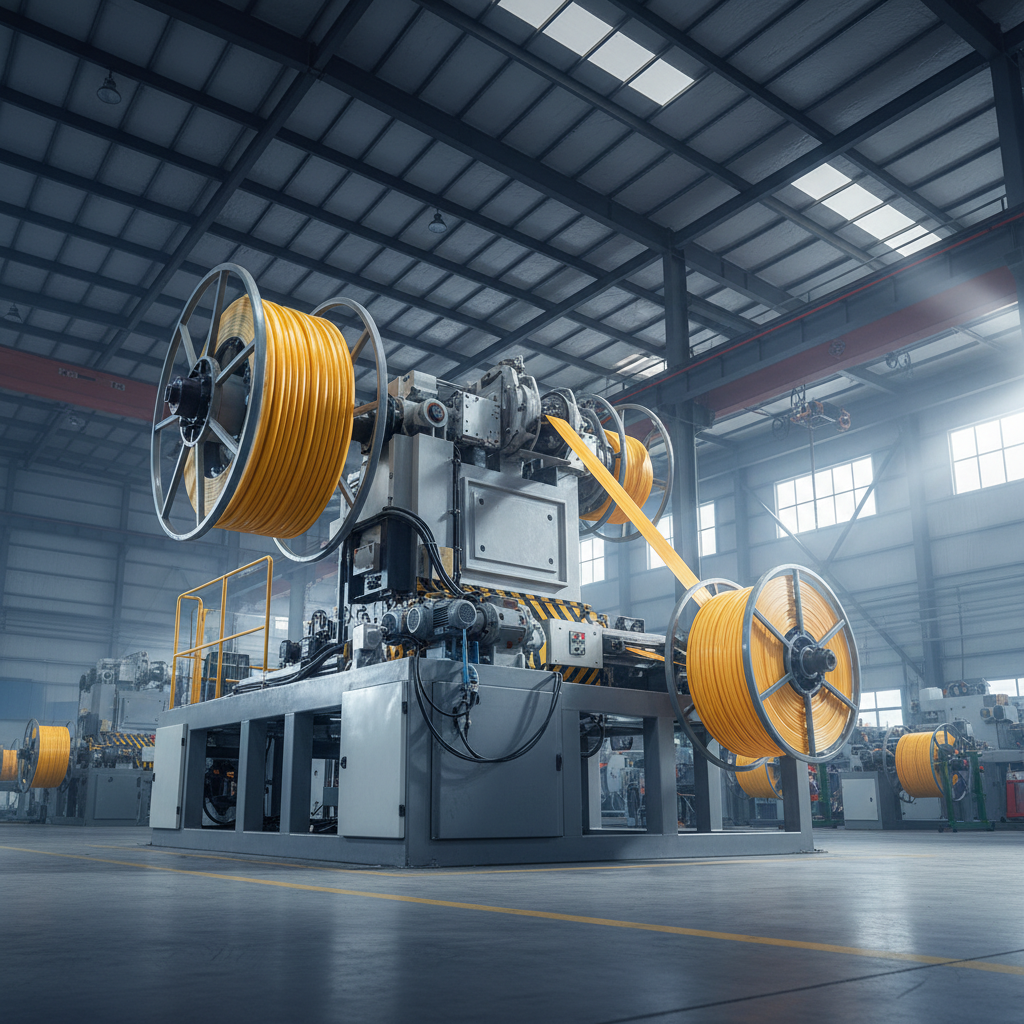
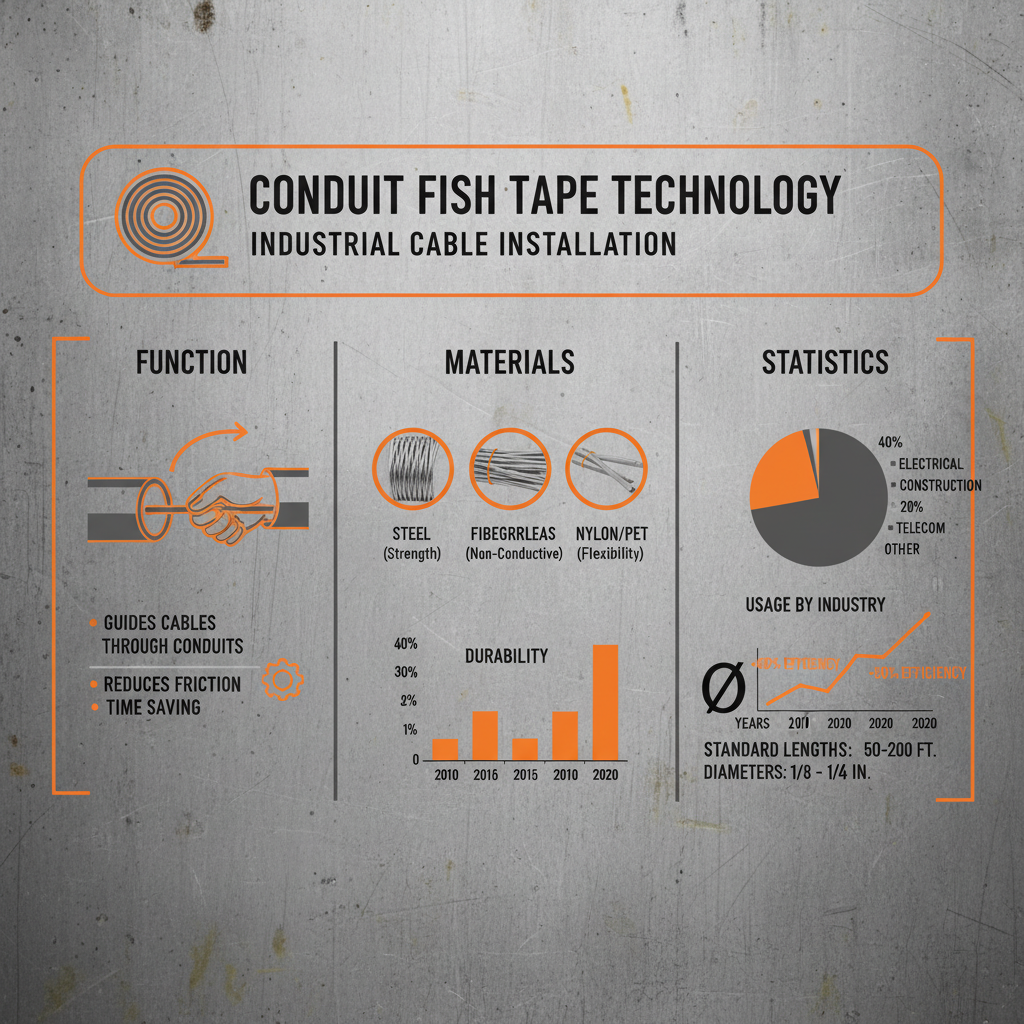
At its core, a conduit fish tape is a long, thin, flat, or round strip of durable material—typically steel, fiberglass, or nylon—housed in a reel for easy deployment. Its primary purpose is to be "fished" through a conduit or pipe from one end to the other, providing a strong tether to which the actual electrical wires can be attached and pulled back through the pathway.
In the context of modern industry, this tool transcends simple utility; it is a precision instrument that enables the rapid deployment of power and communication networks. Whether it is for residential wiring or the complex grids of a data center, the fish tape ensures that the routing process is repeatable and predictable, reducing the need for destructive wall openings or conduit replacements.
Beyond mere convenience, the use of specialized fish tapes addresses critical humanitarian and safety needs. In disaster-prone areas where rapid reconstruction of power grids is essential for survival and communication, the ability to quickly re-establish wiring through existing conduits can save lives and restore vital services in record time.
Key Technical Factors and Core Components
Durability is the foremost consideration when selecting a conduit fish tape. Materials like high-tensile spring steel are preferred for shorter, tighter bends due to their "memory" and ability to push forward without buckling, while fiberglass is favored for longer runs due to its lightweight nature and non-conductive properties.
Scalability and versatility are achieved through various reel designs and tape diameters. A professional tool must balance rigidity—to ensure it doesn't fold under pressure—with flexibility—to navigate the 90-degree elbows common in utility tool applications. This balance is often achieved through specific tempering processes in metal tools or resin-reinforcement in composite tapes.
Cost efficiency in the long run is determined by the tool's resistance to corrosion and wear. Tapes coated with specialized polymers or galvanized steel prevent oxidation when exposed to damp underground conduits, ensuring that the conduit fish tape remains a viable asset for years rather than a disposable expense.
Global Applications and Real-World Use Cases
The application of conduit fish tape spans across diverse global environments. In the heavy industrial zones of Germany and Japan, these tools are used to maintain the intricate wiring of automated assembly lines, where conduit pathways are often crowded and narrow. In these settings, the precision of the tape prevents damage to existing sensitive fiber-optic lines.
In remote industrial zones or post-disaster relief operations in Southeast Asia, the deployment of temporary power grids often relies on the ability to quickly pull cables through salvaged conduits. Here, the reliability of the fish tape ensures that critical medical equipment and communication hubs can be powered up without the luxury of installing entirely new conduit systems.
Performance Efficiency of Different Conduit Fish Tape Materials
Advantages and Long-Term Value of Professional Tools
The primary advantage of utilizing a professional conduit fish tape is the drastic reduction in installation time. By streamlining the wire-pulling process, companies can lower their labor costs and increase project throughput, which directly improves the bottom line. Moreover, the logical benefit of using the correct tool is the prevention of "cable stress," ensuring that the electrical properties of the wire remain intact.
From an emotional and safety perspective, providing technicians with high-quality tools fosters a sense of trust and professional dignity. When a tool works reliably, it reduces the frustration and fatigue associated with manual labor, thereby decreasing the likelihood of workplace accidents. Innovation in these tools reflects a commitment to excellence and a dedication to the safety of the end-user.
Future Trends and Innovations in Cable Laying
The future of conduit fish tape is being shaped by the digital transformation of the construction industry. We are seeing the integration of "smart" materials that can signal their position within a conduit via RFID or acoustic pulses, allowing technicians to locate the end of the tape through concrete walls without trial and error.
Sustainability is also driving innovation. The shift toward green energy requires the installation of massive amounts of new cabling for EV charging stations and solar grids. This has led to the development of biodegradable composites and recycled high-strength polymers for fish tapes, reducing the environmental footprint of the installation process.
Automation is the final frontier. We are moving toward robotic cable-pulling systems where a motorized fish tape can navigate complex conduits autonomously, adjusting its tension in real-time to avoid damaging the conduit walls. This evolution will further minimize human error and maximize installation speed.
Challenges and Expert Solutions in Wire Pulling
One of the most common challenges encountered is the "stuck tape" phenomenon, where a conduit fish tape becomes wedged in a collapsed conduit or a sharp bend. Expert insights suggest that using high-performance lubricants specifically designed for cable pulling can reduce friction by up to 70%, allowing the tape to slide through resistance points more effectively.
Another limitation is the lack of rigidity in fiberglass tapes over extreme distances, which can lead to "coiling" inside the pipe. The solution lies in the use of hybrid tapes—combining a rigid core with a flexible outer sheath—providing the push-strength of steel with the weight advantages of fiberglass.
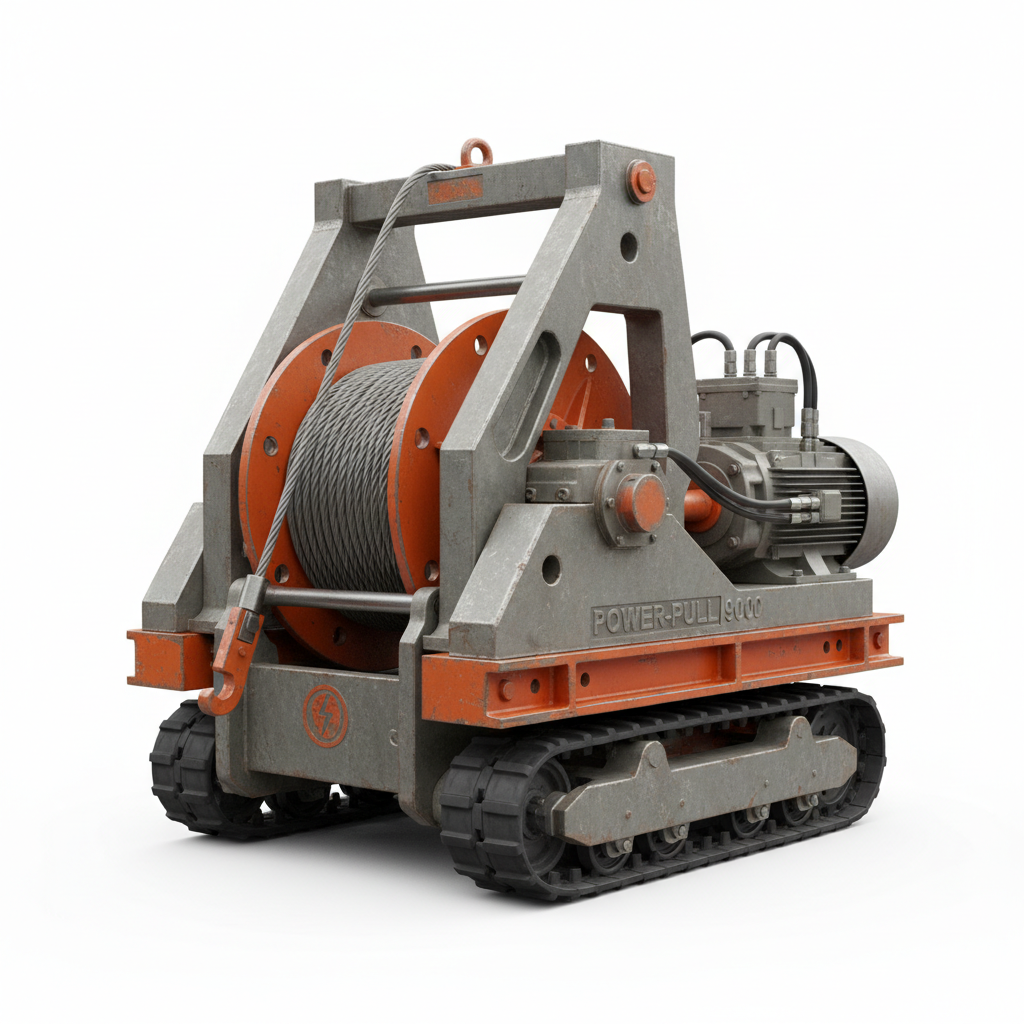
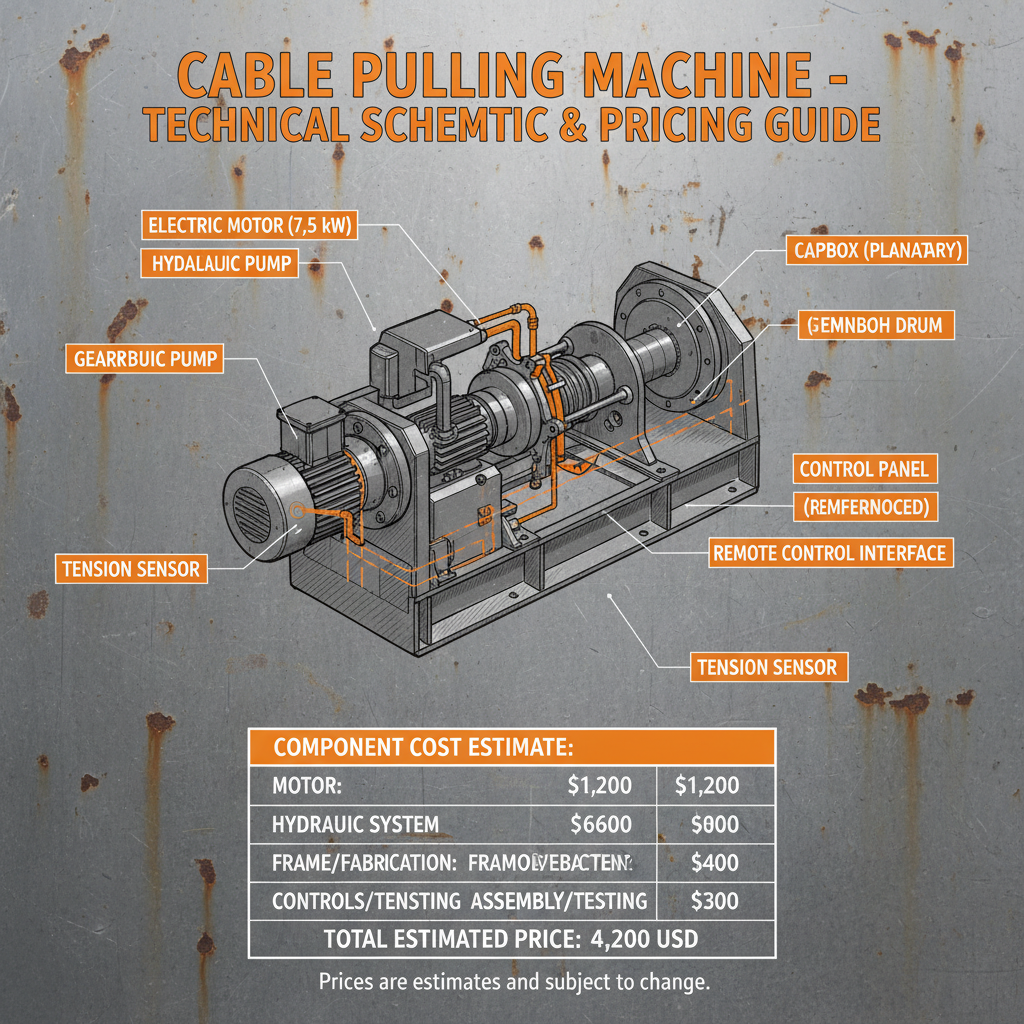
Finally, managing the tension during the pull-back phase is critical. Over-tensioning can stretch the tape or snap the connection to the wire. The implementation of mechanical pullers (tension monitors) in conjunction with the fish tape allows for a controlled, steady pull that protects both the tool and the electrical installation.
Technical Comparison of Conduit Fish Tape Solutions for Different Environments
|
Environment Type
|
Recommended Material
|
Max Reach (Est.)
|
Difficulty Score (1-10)
|
| Residential PVC |
Steel / Nylon |
100 ft |
3 |
| Industrial Steel |
High-Tensile Steel |
250 ft |
6 |
| Underground Duct |
Fiberglass |
500+ ft |
8 |
| Data Center Racks |
Polymer Composite |
50 ft |
4 |
| Marine / Wet Zone |
Galvanized Steel |
200 ft |
7 |
| High-Voltage Vaults |
Non-Conductive Fiber |
300 ft |
9 |
FAQS
Steel fish tape is highly rigid and possesses a "memory" that allows it to push through tight bends without buckling, making it ideal for shorter, complex runs. Fiberglass fish tape is lightweight, non-conductive, and can be manufactured in much longer lengths, making it the preferred choice for long underground conduits where weight and electrical safety are primary concerns.
To prevent sticking, always use a high-quality wire-pulling lubricant. Ensure the conduit is clear of debris before starting. If you encounter resistance, avoid forcing the tape; instead, try pulling it back slightly and pushing again, or use a tape with a smoother polymer coating to reduce friction against the conduit walls.
It is strongly discouraged to use metal fish tapes in live panels due to the risk of electrical shock or short-circuiting. For work near live components, you should exclusively use non-conductive fiberglass or nylon conduit fish tapes. Always follow local safety regulations and shut off power whenever possible to ensure maximum technician safety.
The most effective method is to strip a small portion of the wire insulation and loop the copper through the eyelet of the fish tape. Secure the connection with high-quality electrical tape, wrapping it tightly and smoothly to create a "tapered" profile. This prevents the connection from snagging on conduit joints during the pull-back process.
For most residential applications, a 50 to 100-foot conduit fish tape is sufficient. However, if you frequently work on larger homes or commercial builds, a 125 or 200-foot reel provides the versatility needed to handle longer runs without needing to create intermediate access points, which saves time and reduces labor costs.
After each use, wipe the tape clean of any lubricants, dirt, or moisture before reeling it back in. This prevents the buildup of grime that can cause the tape to jam in the reel. For steel tapes, a light application of anti-corrosive oil can prevent rust if the tool is stored in damp environments.
Conclusion
In summary, the conduit fish tape is far more than a simple accessory; it is a fundamental tool that ensures the efficiency, safety, and longevity of electrical installations. From the selection of materials like high-tensile steel and fiberglass to the application of advanced lubricants and tension management, every detail contributes to a seamless installation process. By prioritizing professional-grade tools, contractors can reduce labor costs, eliminate cable damage, and adhere to the highest global industry standards.
Looking forward, the integration of smart materials and automated pulling systems will continue to redefine the boundaries of cable laying. As we move toward an era of hyper-connectivity and green energy, the role of precision tools in building our electrical backbone becomes even more critical. We encourage professionals to invest in high-quality, durable solutions to ensure their infrastructure is built for the future. Visit our website: www.bilopowtel.com