In the demanding world of underground utility installation, the efficiency of cable deployment often hinges on the quality of the tools used to navigate subterranean conduits. The gmp duct rodder stands as a critical asset for technicians, providing the necessary rigidity and flexibility to push pull-strings through complex duct networks without causing internal damage. By streamlining the process of conduit preparation, these tools significantly reduce labor hours and prevent costly delays in critical infrastructure projects.
Globally, the shift toward high-speed fiber optic expansion and smart city integration has intensified the demand for precision cable laying tools. The gmp duct rodder addresses the common challenge of "blocked" or "collapsed" ducts, which can paralyze a telecommunications rollout. Utilizing high-grade fiberglass and ergonomic design, these rodders ensure that technicians can navigate bends and obstacles with minimal friction, maintaining the integrity of the underground pathway.
Understanding the operational nuances of a gmp duct rodder is not merely about tool selection; it is about optimizing the entire lifecycle of utility maintenance. From initial installation in urban centers to emergency repairs in remote industrial zones, the right rodder enhances safety by reducing manual exertion and increases the reliability of the network. This guide explores the technical depth, global applications, and future evolution of these essential construction and utility tools.
Global Relevance and Industry Context of GMP Duct Rodders
The global push for digitalization has made the gmp duct rodder an indispensable tool for the telecommunications and power sectors. With the rollout of 5G and the expansion of electrical grids to support renewable energy, the volume of underground conduits being laid is at an all-time high. According to industry benchmarks, the precision of the initial "rodding" phase can determine the overall success rate of cable pulling, directly impacting the project's timeline and budget.
In regions undergoing rapid urbanization, such as Southeast Asia and Sub-Saharan Africa, the challenge of navigating legacy infrastructure is immense. The gmp duct rodder provides the mechanical strength required to traverse these unpredictable environments, ensuring that new fiber lines can be integrated without disturbing existing services. This reliability is paramount for maintaining urban stability and connectivity during massive infrastructure upgrades.
Defining the GMP Duct Rodder in Modern Utility Work
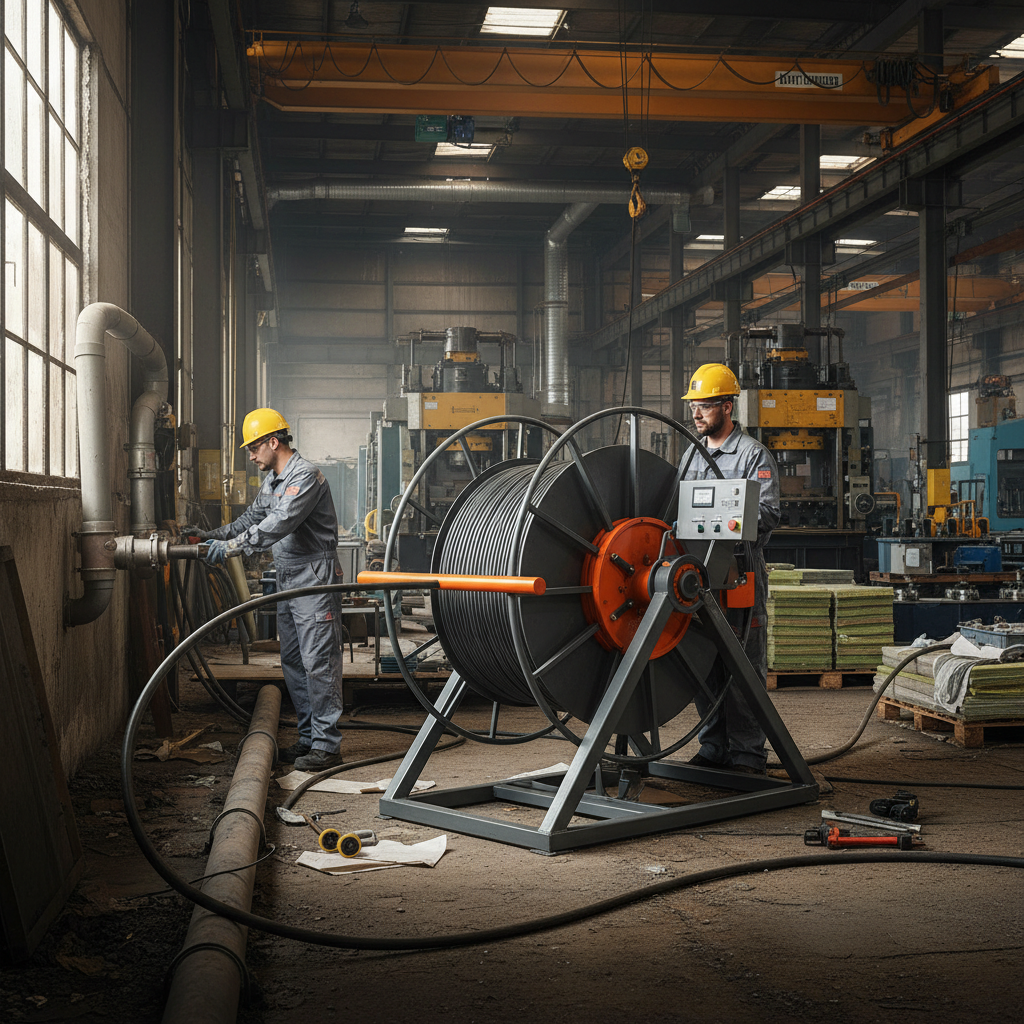
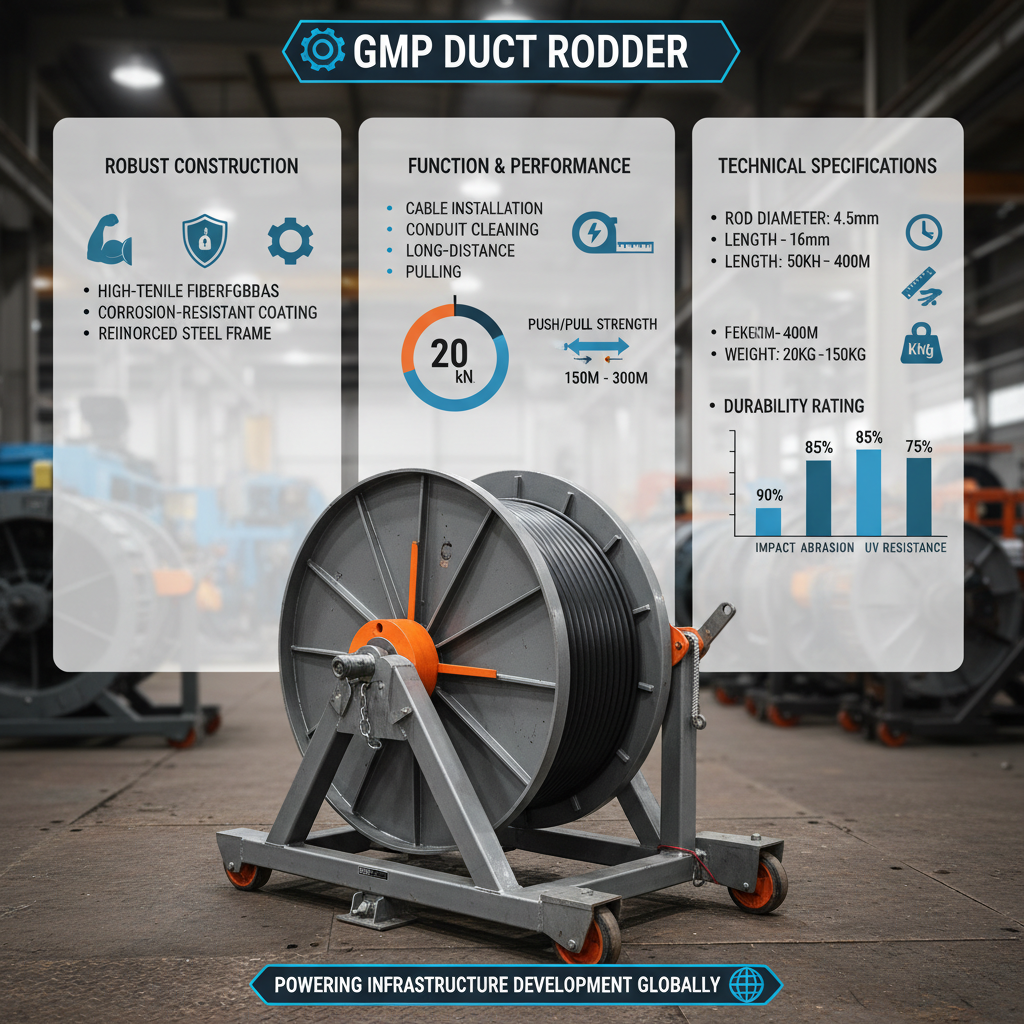
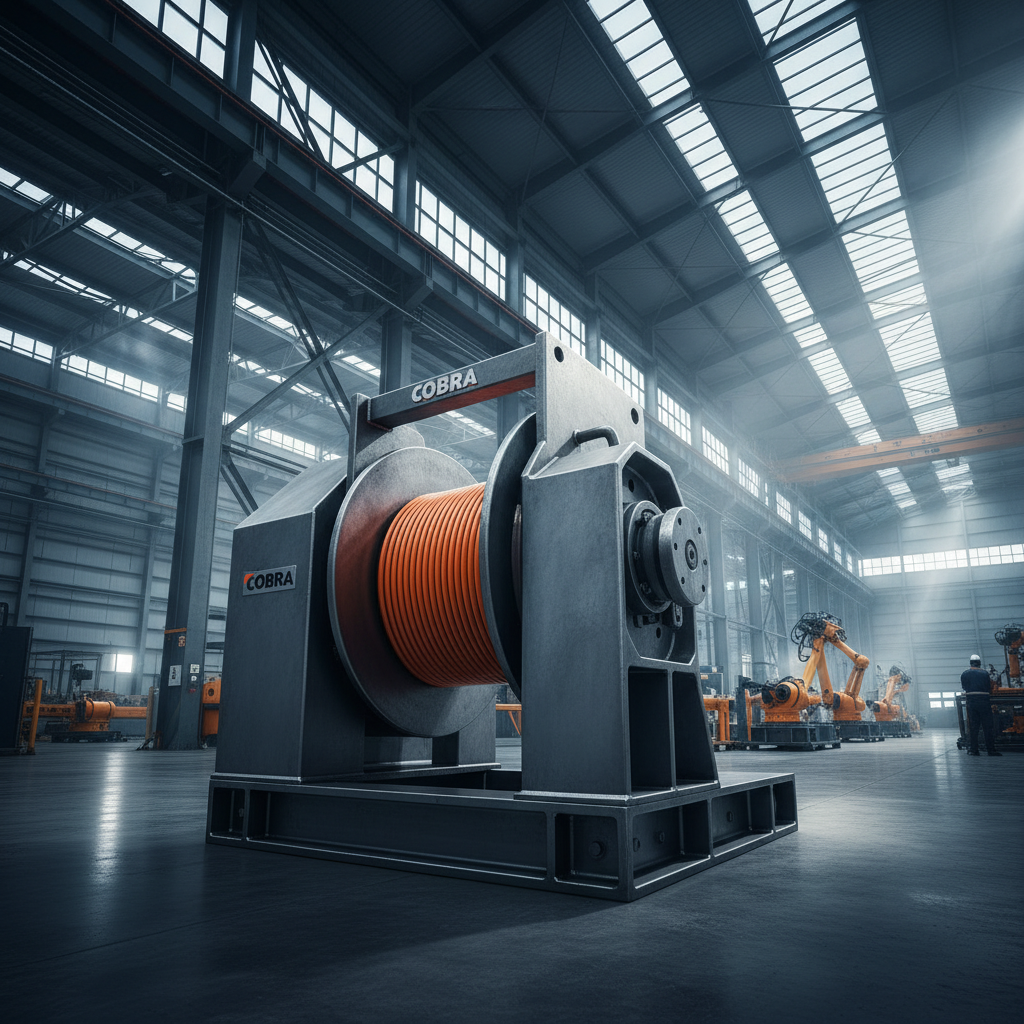
At its core, a gmp duct rodder is a specialized tool consisting of a high-strength fiberglass rod stored in a reel or drum, designed to be pushed through conduits to clear obstructions or install a pull-rope. Unlike standard fish tapes, these rodders are engineered for longer distances and harsher environments, offering a balance of longitudinal stiffness (to prevent buckling) and lateral flexibility (to navigate bends).
In the context of modern industry, this tool acts as the "scout" for all underground cabling operations. Whether it is used in the installation of high-voltage power lines or delicate fiber optic strands, the rodder ensures the pathway is viable. Its integration into construction and utility toolkits marks a shift toward professional-grade, durable equipment that reduces the risk of cable damage during the pull-through process.
From a humanitarian and societal perspective, the efficiency provided by a gmp duct rodder accelerates the deployment of essential services. In post-disaster recovery, where rapid communication restoration is critical, these tools allow technicians to quickly assess and utilize existing underground conduits, bringing vital connectivity back to affected populations in record time.
Core Components and Engineering Factors
The effectiveness of a gmp duct rodder is primarily driven by its material composition. High-grade fiberglass reinforced polymers are used to ensure the rod can withstand significant compressive forces without snapping. This structural integrity is vital when navigating long runs of PVC or HDPE piping where friction increases exponentially with distance.
Durability and scalability are key engineering factors. A professional gmp duct rodder often features interchangeable tips—such as conical heads for debris clearing or threaded ends for attaching pull-ropes—allowing the tool to adapt to various conduit diameters and blockage types.
Cost efficiency is achieved through the tool's longevity and the reduction of manual labor. By utilizing an ergonomic reel system, the gmp duct rodder allows a single operator to deploy and retrieve hundreds of meters of rod efficiently, minimizing the operational cost per kilometer of installed cable.
Practical Applications and Global Use Cases
In real-world scenarios, the gmp duct rodder is employed across diverse industries. In the energy sector, it is used to thread conductors through underground conduits in substations. In the telecommunications field, it is the primary tool for "blowing" fiber or pulling traditional copper cables through urban duct banks.
For instance, in remote industrial zones like mining sites in Australia or oil fields in the Middle East, these rodders are essential for creating secure communication links between disparate facility modules. The harsh soil conditions often lead to duct deformation, making the rigid yet flexible nature of the rodder the only viable way to establish a path for wiring.
Performance Efficiency of Different Rodder Methods
Long-Term Value and Operational Advantages
The investment in a high-quality gmp duct rodder yields tangible benefits in the form of reduced operational risk. By ensuring that pull-strings are installed without snagging, the tool prevents the "cable stretch" or jacket tears that can lead to signal loss or electrical failure. This reliability fosters trust between the contractor and the client, as the infrastructure is installed to a higher standard of quality.
Furthermore, the sustainability of using a durable gmp duct rodder cannot be overlooked. Unlike disposable options or lower-grade tapes that break frequently, professional rodders are built for years of service. This reduces waste in the construction process and aligns with green building certifications that prioritize the use of long-lasting, high-efficiency industrial equipment.
Future Trends in Conduit Navigation Technology
The future of the gmp duct rodder is closely tied to the digital transformation of the construction site. We are seeing the integration of "smart" rods equipped with embedded sensors that can detect the exact location of a blockage or map the internal geometry of a duct in real-time. This data-driven approach eliminates the guesswork from underground utility work.
Materials science is also evolving, with the introduction of carbon-fiber hybrids that offer even higher strength-to-weight ratios. These next-generation rodders will allow technicians to traverse even longer distances without the rod buckling, making them ideal for the massive conduit runs required for inter-city fiber backbones.
Additionally, automation is beginning to play a role. Motorized reel systems are becoming more common, reducing the physical strain on workers and increasing the speed of deployment. This shift toward automation, combined with sustainable manufacturing processes, ensures that the gmp duct rodder remains at the forefront of utility installation technology.
Overcoming Common Challenges in Duct Rodding
One of the primary challenges encountered during rodding is the "silt-up" or accumulation of debris within the conduit. When a gmp duct rodder hits a wall of mud or sand, simply pushing harder can lead to rod failure. The expert solution is the use of specialized "mud-heads" or vacuum-assisted clearing before the final rodding pass.
Another common limitation is the navigation of sharp 90-degree bends in older infrastructure. To overcome this, technicians are moving toward flexible-tip rodders and utilizing lubrication agents that reduce the coefficient of friction between the fiberglass rod and the duct wall, ensuring a smoother transit.
Ultimately, the key to success lies in the matching of the rodder's stiffness to the specific conduit diameter. Using a rod that is too flexible will result in buckling, while one that is too rigid may damage the duct. A comprehensive toolkit of varying gmp duct rodder specifications is the only way to ensure readiness for any underground challenge.
Technical Comparison of GMP Duct Rodder Specifications
| Rodder Model |
Max Length (m) |
Tensile Strength |
Recommended Use |
| Light-Duty GMP |
100m |
High (7/10) |
Indoor/Residential |
| Standard GMP |
300m |
Very High (8/10) |
Urban Fiber Rollout |
| Heavy-Duty GMP |
600m |
Maximum (10/10) |
Industrial Power Grids |
| Flexible GMP |
200m |
Medium (6/10) |
Tight Bend Conduits |
| Long-Range GMP |
1000m |
High (9/10) |
Inter-City Backbones |
| Custom GMP |
Variable |
Variable (8/10) |
Specialist Projects |
FAQS
A gmp duct rodder is designed for significantly longer distances and higher compressive loads. While fish tapes are usually thin metal or plastic for short residential runs, the duct rodder utilizes reinforced fiberglass and a reel system, allowing it to be pushed through hundreds of meters of conduit without buckling, making it the professional choice for utility-scale projects.
To avoid breakage, never force the rodder if you hit a hard stop. Use a conduit lubricant to reduce friction and ensure you are using the correct rod diameter for your duct. If a blockage is suspected, employ a clearing head or a vacuum system first. Maintaining the rod's integrity involves avoiding extreme side-pressure and ensuring a steady, consistent push.
Yes, they are versatile tools. However, the specific model depends on the conduit size. Fiber optic ducts are typically smaller and may require a more flexible rodder, while power conduits are larger and can accommodate heavier, more rigid rodders. The key is matching the rod's stiffness and diameter to the internal diameter of the duct.
Inspection should occur after every major project or whenever the rod is retracted from a particularly obstructed conduit. Check for splinters, cracks, or "flat spots" in the fiberglass. A damaged rod can snag on the duct wall or snap unexpectedly during the next use, posing a safety risk and causing project delays.
Many gmp duct rodders are specifically designed to work in tandem with blowing machines. The rodder is used first to install the high-strength pull-string or guide-wire, which the blowing machine then uses as a path to propel the fiber optic cable through the duct using compressed air.
Store the rodder in a dry, temperature-controlled environment to prevent the fiberglass from becoming brittle. Ensure the reel is locked to prevent the rod from unraveling. Cleaning the rod of mud and debris after each use prevents abrasive particles from wearing down the outer coating of the fiberglass.
Conclusion
The gmp duct rodder is far more than a simple piece of equipment; it is the foundational tool that enables the modern connected world. By combining advanced material science with ergonomic design, it solves the critical challenge of subterranean navigation, reducing operational costs and increasing the reliability of our global communications and power networks. From the selection of high-strength fiberglass to the implementation of smart sensing technology, the evolution of the rodder reflects the broader trends of efficiency and precision in the utility sector.
As we look toward a future defined by 6G, smart grids, and massive urban expansion, the role of specialized conduit tools will only grow in importance. Investing in professional-grade rodding equipment is not just a matter of convenience, but a strategic decision to ensure infrastructure longevity and worker safety. For those seeking to optimize their cable laying operations, the adoption of high-performance rodding solutions is the most effective way to bridge the gap between planning and successful execution. Visit our website for more professional utility tools: www.bilopowtel.com