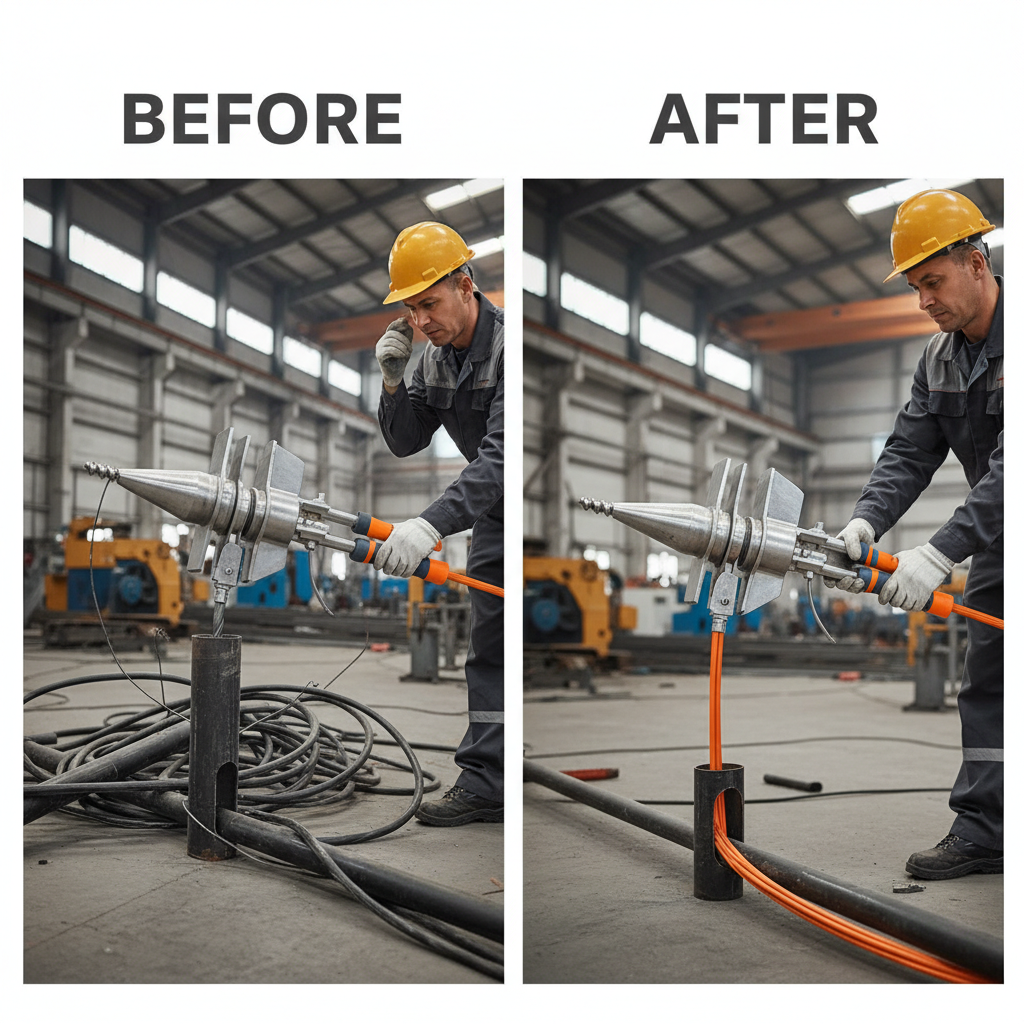
The global demand for efficient and reliable infrastructure development fuels a consistent need for specialized machinery like cable pulling machines. Understanding the nuances of cable pulling machine price is crucial for industries ranging from telecommunications and power distribution to construction and renewable energy. The cost, performance, and longevity of these machines directly impact project budgets, timelines, and overall operational efficiency. Fluctuations in raw material costs, technological advancements, and global supply chain dynamics all contribute to the evolving landscape of cable pulling machine price.
Globally, the construction and utilities sectors are witnessing significant growth, particularly in emerging economies. This expansion necessitates substantial investments in infrastructure, creating a heightened demand for equipment like cable pulling machines. According to the UN, infrastructure investment is a critical driver of sustainable development. The ISO standards for electrical installations highlight the importance of using appropriate equipment, impacting the specifications and, consequently, the cable pulling machine price. A key challenge lies in balancing the need for cost-effectiveness with the requirement for high-quality, durable machines that meet stringent safety and performance standards.
The increasing complexity of modern cabling projects, including fiber optics and high-voltage power lines, demands more sophisticated and versatile cable pulling machines. As infrastructure projects become more ambitious and geographically challenging, the ability to efficiently and safely install cables is paramount. Cable pulling machine price is therefore not merely a budgetary concern but a strategic factor influencing the success and viability of large-scale projects.
The Significance of cable pulling machine price
Understanding cable pulling machine price is paramount for project managers and engineers tasked with infrastructure development. It’s not just about the initial cost; it’s about the total cost of ownership, encompassing maintenance, operational efficiency, and the machine’s lifespan. A seemingly cheaper machine might incur higher long-term costs due to frequent repairs or lower performance, ultimately impacting project profitability and timelines.
A well-chosen cable pulling machine, even at a slightly higher initial cable pulling machine price, can deliver substantial savings over time through increased productivity, reduced downtime, and enhanced safety features. The ability to handle various cable types and sizes, operate in challenging terrain, and integrate with modern control systems are all factors influencing the overall value proposition.
Defining cable pulling machine price
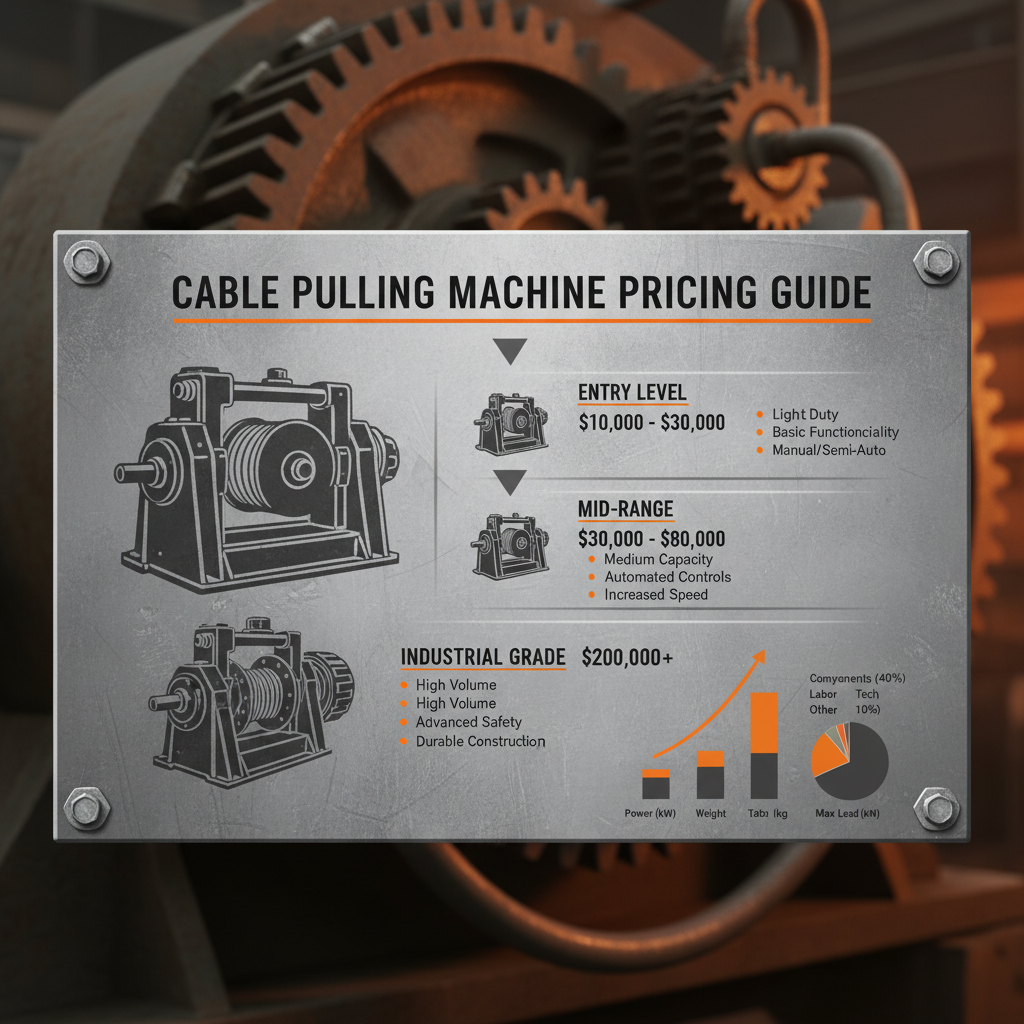
Cable pulling machine price refers to the total cost associated with acquiring a machine designed to draw cables through conduits, ducts, or other pathways. This price encompasses not only the base unit but also includes accessories, shipping costs, installation fees, and potential training expenses. The cable pulling machine price can vary dramatically based on factors like pulling capacity, machine type (hydraulic, electric, pneumatic), level of automation, and brand reputation.
The price also reflects the technological sophistication of the machine. Modern machines often incorporate features like tension control systems, remote operation capabilities, and data logging functionalities, which contribute to increased precision, safety, and efficiency. It's important to distinguish between the initial purchase price and the long-term cost of operation, considering factors like energy consumption and maintenance requirements.
In the context of modern industry, cable pulling machine price directly impacts the feasibility and profitability of infrastructure projects. Accurate budgeting and careful consideration of machine specifications are vital for ensuring projects are completed on time and within budget. Furthermore, the reliability of the machine is directly linked to its long-term cost effectiveness and the safety of the workforce.
Core Components Influencing cable pulling machine price
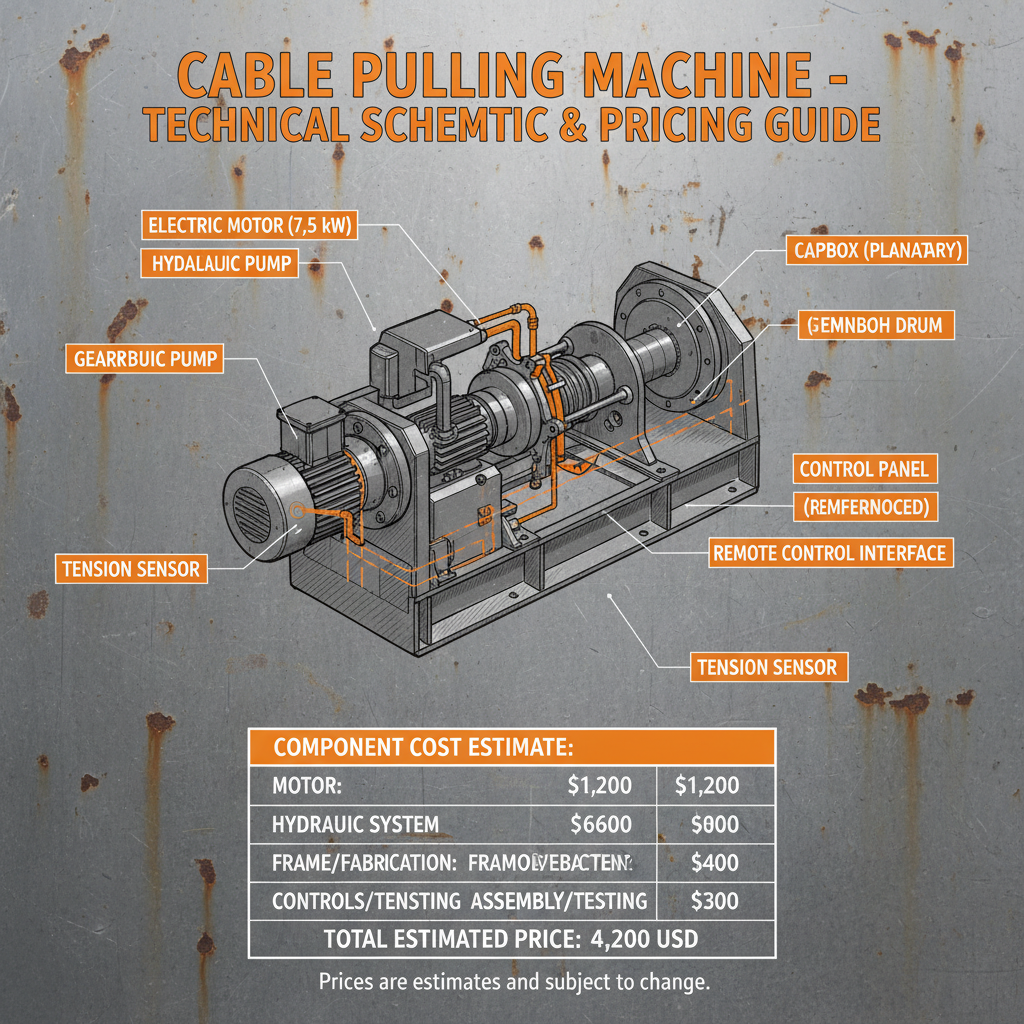
Several key components significantly influence the cable pulling machine price. The pulling mechanism—whether hydraulic, electric, or pneumatic—is a primary cost driver. Hydraulic systems generally offer higher pulling power but can be more expensive to maintain. The type of control system, ranging from basic manual controls to advanced programmable logic controllers (PLCs), also impacts the price.
The frame and chassis materials contribute significantly to the machine’s durability and, consequently, its price. Machines constructed from high-strength steel are typically more expensive but offer superior longevity and resistance to wear and tear. The capacity of the machine, determined by the maximum pulling force it can exert, also plays a crucial role in cable pulling machine price. Higher capacity machines naturally command a higher price tag.
Finally, the inclusion of safety features, such as overload protection systems and emergency stop mechanisms, adds to the overall cost but is essential for ensuring worker safety and preventing equipment damage. The complexity of these safety systems directly correlates with the final cable pulling machine price.
Key Factors Affecting cable pulling machine price
Several factors beyond the core components influence the cable pulling machine price. Brand reputation and the manufacturer’s track record are significant considerations. Established brands often charge a premium for their machines due to their perceived reliability and after-sales support. The level of customization offered by the manufacturer also impacts the price.
Geographical location and import duties can add to the cost, particularly for machines sourced from overseas. Fluctuations in raw material prices, such as steel and electronic components, also contribute to price variations. The current supply and demand dynamics within the market play a crucial role; periods of high demand can lead to increased cable pulling machine price.
Comparison of cable pulling machine price based on Method
Global Applications of cable pulling machine price
Cable pulling machines are indispensable across numerous industries worldwide. In the telecommunications sector, they are vital for laying fiber optic cables for high-speed internet infrastructure. The power distribution industry relies heavily on them for installing and maintaining electrical cables, both overhead and underground. In post-disaster relief operations, rapid cable deployment is critical for restoring communication networks, making the availability of reliable, portable machines crucial.
In remote industrial zones, where access is limited and conditions are harsh, robust cable pulling machines are essential for establishing infrastructure. Construction projects, including building infrastructure and transportation networks, require these machines for running electrical and communication lines. Renewable energy projects, such as wind farms and solar plants, utilize cable pulling machines to connect arrays to the grid.
Advantages and Long-Term Value of Investing in Quality cable pulling machine price
Investing in a high-quality cable pulling machine, even at a higher cable pulling machine price, yields significant long-term benefits. These machines offer increased reliability, reducing downtime and maintenance costs. Their enhanced efficiency translates to faster project completion times and reduced labor expenses. Improved safety features minimize the risk of accidents and injuries, safeguarding workers and reducing liability.
Furthermore, durable machines retain their value longer, offering a better return on investment. Choosing a machine with advanced features, such as automatic tension control and data logging, enhances project accuracy and quality, leading to greater customer satisfaction. The emotional benefit of ensuring worker safety and the trust gained through reliable performance are invaluable assets.
Future Trends and Innovations in cable pulling machine price
The future of cable pulling machine price is intertwined with advancements in automation, digitalization, and sustainable technologies. We can expect to see increased integration of robotics and artificial intelligence (AI) to automate cable pulling processes, improving precision and reducing manual labor. Remote monitoring and diagnostic capabilities will become more prevalent, allowing for predictive maintenance and minimizing downtime.
The development of lighter, more energy-efficient machines will drive down operational costs and reduce environmental impact. The use of sustainable materials in machine construction will also become increasingly important. Furthermore, the industry is likely to see a shift towards modular designs that allow for greater customization and adaptability to different project requirements, potentially impacting cable pulling machine price through economies of scale.
These innovations aim to enhance safety, efficiency, and sustainability, ultimately lowering the total cost of ownership and increasing the value proposition of cable pulling machines.
Future Trends and Innovations in cable pulling machine price
Several challenges currently exist in the realm of cable pulling machine price and cable installation. One significant limitation is the difficulty of pulling cables through complex underground pathways with numerous bends and obstacles. Another challenge lies in ensuring consistent cable tension during the pulling process, preventing damage and maintaining signal integrity. The cost of specialized machines capable of handling certain cable types, such as high-voltage power cables, can be prohibitively expensive.
Solutions involve developing advanced cable lubrication systems to reduce friction, implementing real-time tension monitoring and control systems, and exploring alternative cable installation methods, such as micro-trenching and directional drilling. Investing in research and development to create more versatile and affordable machines is also crucial. The industry is also exploring the use of drones for cable inspection and maintenance, which could reduce labor costs and improve safety.
Expert insights suggest that collaboration between manufacturers, utility companies, and research institutions is essential for overcoming these challenges and driving innovation in the field. Focusing on sustainability and the development of eco-friendly materials will also be critical for ensuring the long-term viability of the industry.
Analysis of Factors Influencing cable pulling machine price
| Machine Capacity (kN) |
Automation Level (1-5) |
Brand Reputation (1-5) |
Estimated cable pulling machine price (USD) |
| 10 kN |
1 |
2 |
5,000 |
| 20 kN |
2 |
3 |
12,000 |
| 30 kN |
3 |
4 |
25,000 |
| 40 kN |
4 |
5 |
45,000 |
| 50 kN |
5 |
4 |
60,000 |
| 60 kN |
3 |
5 |
75,000 |
FAQS
The primary factors influencing cable pulling machine price include pulling capacity, the type of drive system (hydraulic, electric, pneumatic), the level of automation, the build quality of the frame and components, and the brand reputation. Customization options and accessories also contribute to the overall cost. Consider the long-term operating costs, including maintenance and energy consumption, when evaluating the price.
Automation significantly increases the cable pulling machine price, but it often translates to long-term savings. Automated features like automatic tension control, remote operation, and data logging reduce labor costs, minimize the risk of cable damage, and improve overall efficiency. While the initial investment is higher, the increased productivity and reduced downtime can justify the expense.
The lifespan of a cable pulling machine depends heavily on its build quality, maintenance schedule, and operating conditions. High-quality machines, with regular maintenance, can last 15-20 years or even longer. Lower-quality machines may require frequent repairs and have a shorter lifespan. Proper lubrication, regular inspections, and timely replacement of worn parts are crucial for maximizing the machine’s longevity.
Essential safety features include overload protection systems, emergency stop mechanisms, and robust guarding to prevent contact with moving parts. Look for machines with clear safety labeling and operator manuals. Training for personnel is also paramount. Features like tension monitoring and automatic shutdown in case of excessive tension enhance worker safety and prevent cable damage.
Larger diameter cables and cables with higher tensile strength require machines with greater pulling capacity. The type of cable also plays a role; fiber optic cables, for instance, are more delicate and require precise tension control. Always consult the cable manufacturer's specifications to determine the appropriate pulling force and ensure the machine has sufficient capacity to handle the cable safely and efficiently.
Reputable brands typically offer higher quality machines with superior reliability and durability. They often provide better after-sales support, including readily available spare parts and qualified technicians. A strong brand reputation often indicates a commitment to innovation and safety. While the initial cable pulling machine price might be higher, the long-term benefits often outweigh the cost.
Conclusion
In conclusion, understanding cable pulling machine price extends beyond simply finding the lowest initial cost. It requires a holistic assessment of factors like machine capacity, automation level, build quality, safety features, and long-term operating expenses. Investing in a reliable, well-maintained machine translates to increased efficiency, reduced downtime, and improved worker safety, ultimately delivering a significant return on investment.
Looking ahead, the future of cable pulling machines lies in embracing automation, digitalization, and sustainable technologies. By prioritizing innovation and focusing on the total cost of ownership, industries can unlock the full potential of these essential machines and ensure the successful completion of infrastructure projects worldwide. For more information and to explore our range of cable pulling machines, visit our website: www.bilopowtel.com