



Mar . 12, 2026 01:45 Back to list
Comprehensive Guide to Ground Rod Electrodes for Electrical System Safety
Understanding Ground Rod Electrodes: A Comprehensive Guide
A ground rod electrode is a fundamental component of an effective grounding system, crucial for safety and the reliable operation of electrical systems. This article will delve into the purpose, types, installation, and maintenance of ground rod electrodes, providing a thorough understanding for homeowners, electricians, and anyone involved in electrical work. A properly installed grounding system, anchored by a quality ground rod electrode, safeguards against electrical shock, protects equipment from damage, and ensures a stable electrical environment.
The Purpose of a Ground Rod Electrode
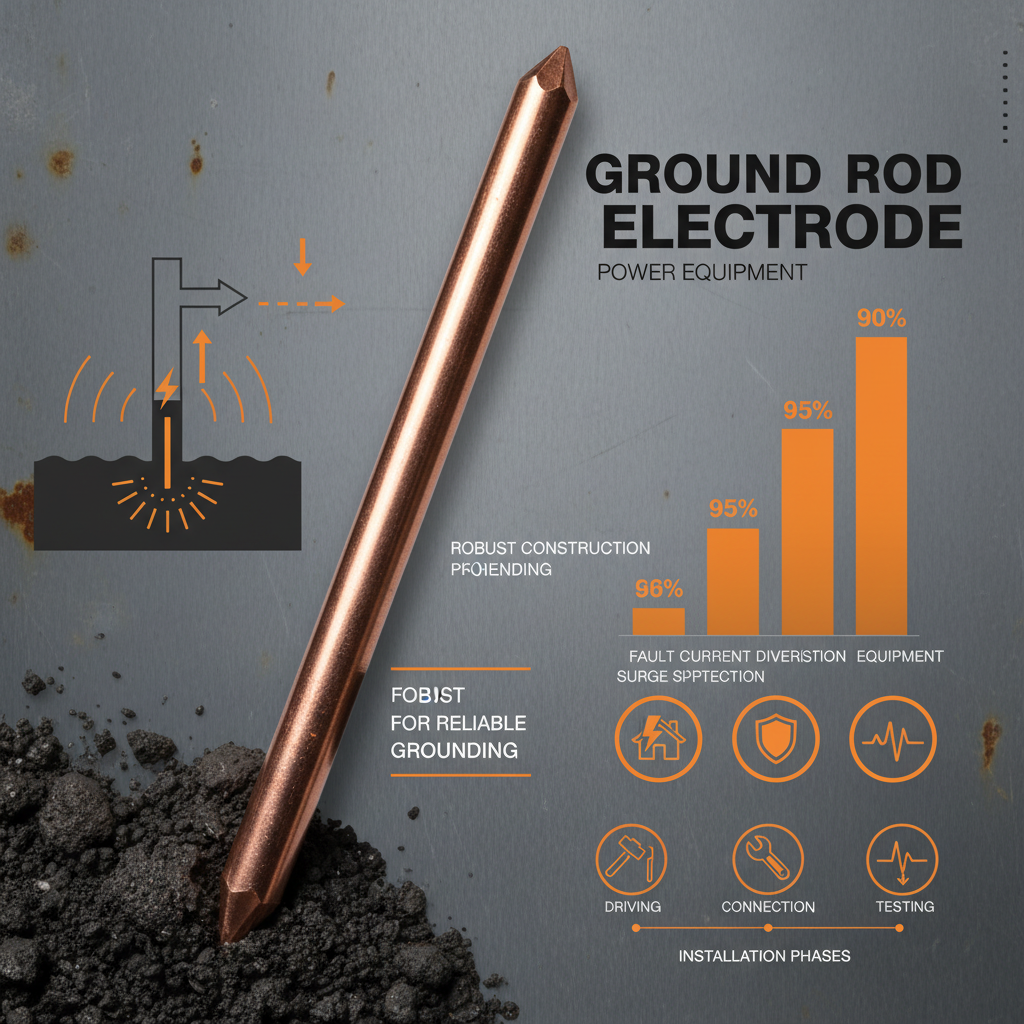
The primary purpose of a ground rod electrode is to provide a low-resistance path to earth for fault currents. In the event of an electrical fault, such as a short circuit, the grounding system directs the current safely to the ground, minimizing the risk of electric shock to people and preventing damage to electrical equipment. Without a proper ground, fault currents can find unintended paths through conductive materials, potentially energizing metal enclosures and posing a significant safety hazard. Grounding also helps to stabilize voltage levels and reduce electrical noise, enhancing the performance and longevity of sensitive electronic devices.
Key Benefits: Protection against electrical shock, equipment damage prevention, voltage stabilization, and reduction of electrical noise.
Types of Ground Rod Electrodes
Ground rod electrodes come in several varieties, each suited for different soil conditions and applications. The most common types include:
- Copper-Clad Steel: These rods consist of a steel core coated with copper, offering a balance of strength and conductivity.
- Solid Copper: Providing excellent conductivity, solid copper rods are ideal for areas with highly corrosive soil.
- Galvanized Steel: A more economical option, galvanized steel rods are suitable for less corrosive environments.
- Stainless Steel: Offering superior corrosion resistance, stainless steel rods are best for harsh soil conditions.
The choice of material depends on factors like soil resistivity, budget, and local building codes. BiloPowTel offers a wide range of ground rod electrodes to meet diverse needs.
Material Comparison:
• Copper-Clad Steel: Good conductivity, strong, cost-effective.
• Solid Copper: Excellent conductivity, best for corrosive soil.
• Galvanized Steel: Economical, suitable for non-corrosive environments.
• Stainless Steel: Superior corrosion resistance, ideal for harsh conditions.
Ground Rod Electrode Installation Best Practices
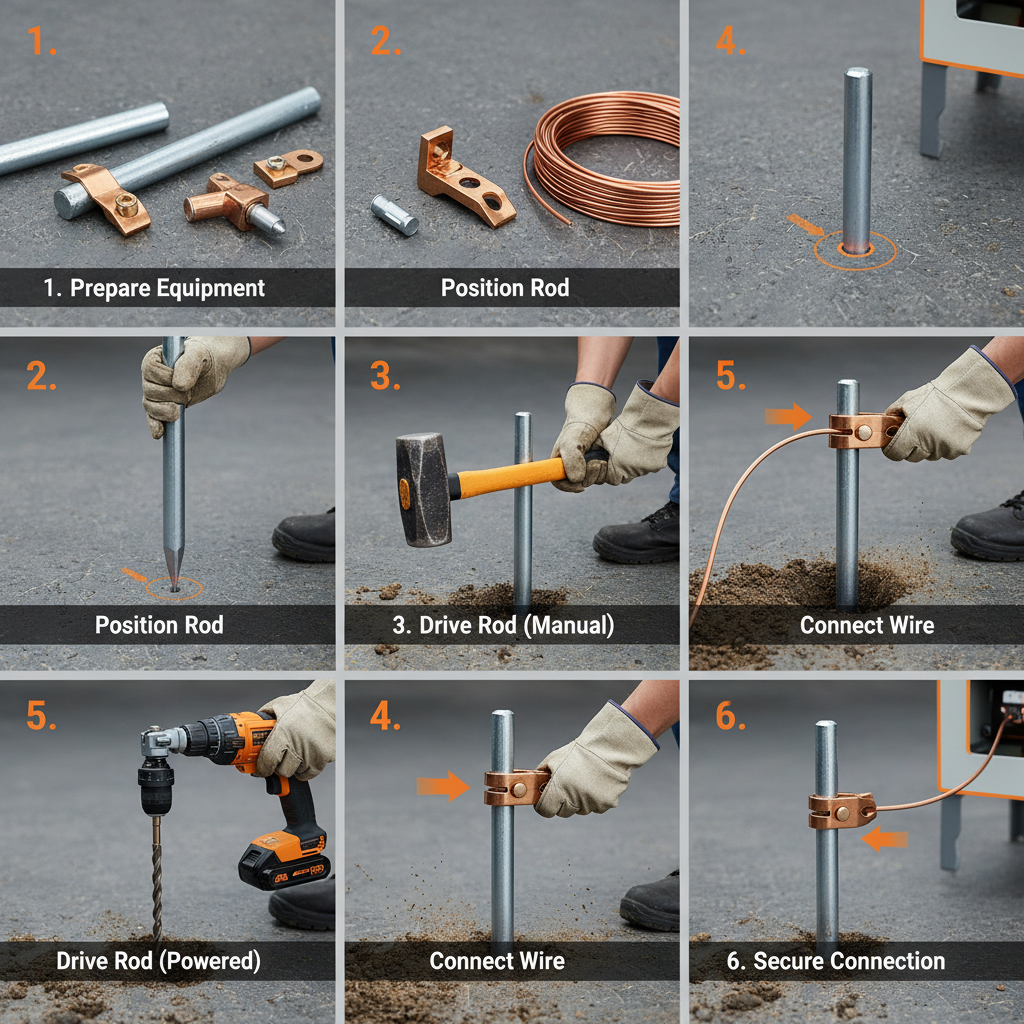
Proper installation is paramount for the effectiveness of a ground rod electrode. Here are some key guidelines:
- Location: Choose a location near the electrical service entrance and away from underground utilities.
- Depth: Drive the rod at least 8 feet (2.44 meters) into the ground.
- Spacing: If multiple rods are required, space them at least 6 feet (1.83 meters) apart.
- Connection: Use approved grounding connectors to securely attach the ground wire to the rod.
- Backfill: Surround the rod with backfill material to maintain contact with the soil.
Always consult local electrical codes and regulations for specific requirements. Improper installation can compromise the grounding system’s effectiveness and pose a safety risk.
Maintenance and Testing of Ground Rod Electrodes
Regular maintenance and testing are essential to ensure the ongoing effectiveness of your grounding system. Periodically inspect the ground rod and connections for corrosion or damage. Use a ground resistance tester to measure the resistance of the grounding system. If the resistance is too high, it may indicate a loose connection, corroded rod, or changes in soil conditions. Addressing these issues promptly is crucial for maintaining a safe and reliable electrical system. BiloPowTel also provides testing equipment and services to assess your grounding system’s performance.
Conclusion: Ensuring Safety with Reliable Grounding
A properly installed and maintained ground rod electrode is a vital component of any electrical system. It protects people, prevents equipment damage, and ensures the reliable operation of electrical devices. By understanding the types of ground rods, installation best practices, and maintenance procedures, you can contribute to a safer and more efficient electrical environment. BiloPowTel is your trusted partner for all your grounding needs.
Frequently Asked Questions (FAQs)
How often should I test my ground rod electrode?
It's recommended to test your ground rod electrode at least annually, and more frequently in corrosive environments or areas prone to lightning strikes. Regular testing helps identify any degradation in performance due to corrosion, soil changes, or loose connections. A ground resistance test will reveal if the grounding system is still providing adequate protection. Record your test results to track changes over time. If you're unsure how to perform a ground resistance test, it's best to consult with a qualified electrician.
What causes high ground resistance?
Several factors can contribute to high ground resistance. Corrosion of the ground rod or connections is a common cause. Dry or rocky soil can also increase resistance, as it doesn't conduct electricity efficiently. Loose connections between the ground wire and the rod or the ground rod and the grounding electrode system can also create high resistance. Finally, changes in soil composition due to erosion or construction can impact grounding performance. Regularly inspecting and maintaining your grounding system is crucial to prevent and address these issues.
Can I use multiple ground rods to lower resistance?
Yes, using multiple ground rods connected together can significantly lower the overall ground resistance. The rods should be spaced at least 6 feet apart and connected with a grounding conductor. This creates a more extensive grounding network, providing a lower resistance path to earth. However, simply adding more rods doesn't guarantee a low resistance; the soil conditions and the quality of the connections are also critical. BiloPowTel can advise you on the best grounding configuration for your specific needs.
Latest news
Precision Lifting and Pulling with the Lever Block 0.5 Ton Guide
NewsApr.16,2026
Precision Engineering Guide for High Performance Jet Lever
NewsApr.16,2026
Ultimate Guide to Choosing the Professional Industrial hoist lever
NewsApr.16,2026
Industrial Hoist Lever Chain Guide for Heavy Lifting and Rigging
NewsApr.16,2026
Industrial Lever Hoist Guide for Efficient Lifting and Pulling
NewsApr.16,2026
Ultimate Guide to Hand Ratchet Lift for Heavy Industrial Lifting
NewsApr.16,2026
- CONTACT
- ADDRESS: 188, Fengshou Road, Shijiazhuang. China
- EMAlL: info@bilopowtel.com
- PHONE: 0086-311-88862036
- WHATSAPP: 0086-152-26563165


