



Apr . 16, 2026 01:45 Back to list
Ultimate Guide to Choosing the Professional Industrial hoist lever
The Ultimate Guide to Choosing the Right Hoist Lever
In the world of heavy lifting and industrial maintenance, precision and safety are non-negotiable. A high-quality hoist lever serves as an indispensable tool for professionals who need to lift, pull, or tension heavy loads in confined spaces where electric hoists are impractical. Whether you are working in automotive repair, construction, or marine engineering, understanding the mechanics and specifications of your lifting equipment can prevent costly accidents and improve operational efficiency. In this guide, we will explore everything from the core functionality to the technical selection criteria to help you make an informed investment.
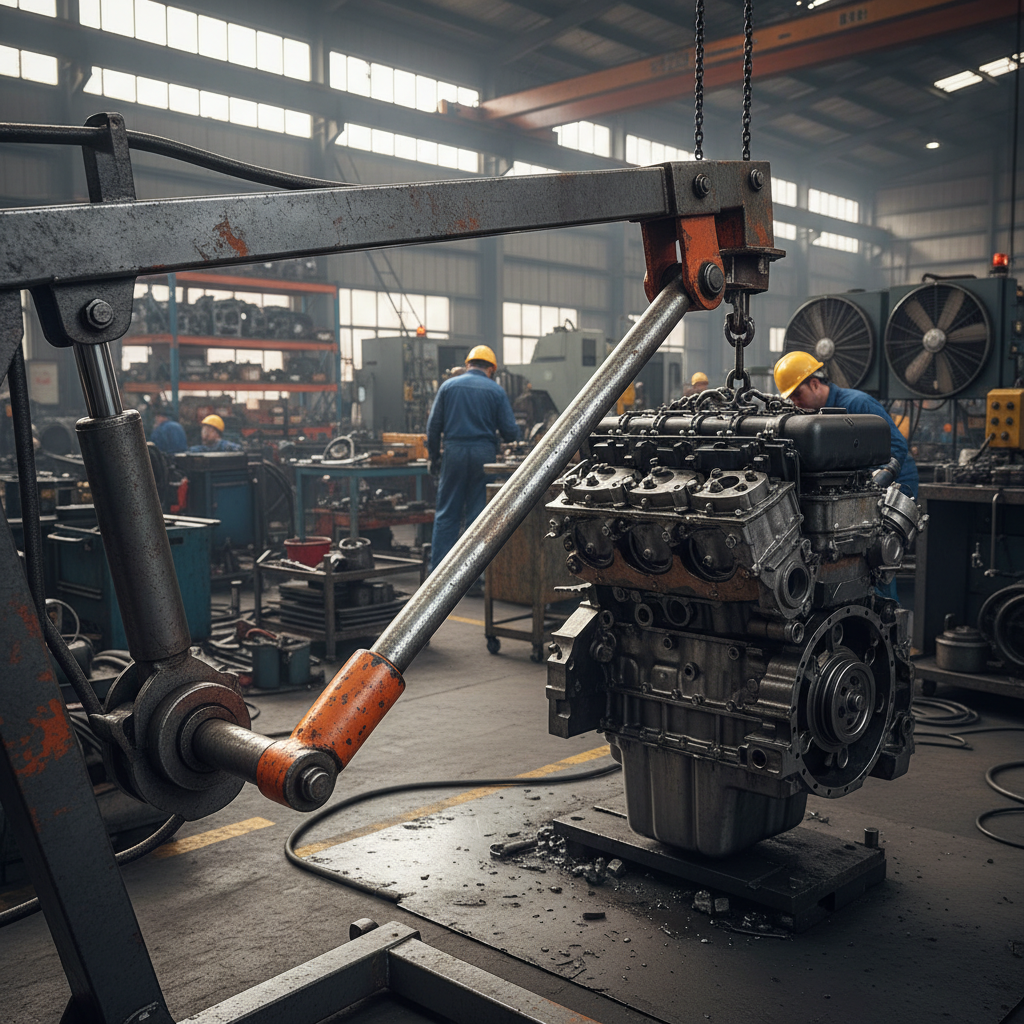
How a Hoist Lever Works: Mechanical Advantage
A hoist lever operates on the principle of mechanical advantage, utilizing a ratcheting mechanism and a gear system to multiply the force applied by the operator. Unlike chain blocks that require a vertical pull, the lever hoist allows the user to pump a handle, making it ideal for horizontal pulling or lifting in tight quarters. The internal brake system ensures that the load is held securely in place, preventing accidental slips. This combination of power and control makes it a favorite for rigging and tensioning applications across various industrial sectors.
Pro Tip: Always ensure the load is balanced before operating the lever to avoid side-loading, which can wear down the internal gears and compromise safety.
Essential Features of a Professional Hoist Lever
When shopping for a hoist lever, several key features determine its longevity and safety. First, the material of the load chain is critical; high-grade alloy steel with a galvanized finish is preferred to resist corrosion. Second, the braking system must be a double-pawl design to ensure maximum stability. Additionally, an ergonomic handle reduces operator fatigue during repetitive pumping. Modern industrial hoists also incorporate reinforced housing to protect the internal mechanism from dust and impact in harsh working environments.
Must-Have Specifications:
• Alloy Steel Chain: For superior tensile strength and wear resistance.
• Double Pawl Brake: Ensures the load remains stationary under heavy pressure.
• Corrosion Coating: Essential for outdoor or marine environments.
• Certified Load Testing: Guaranteed capacity verified by safety standards.
Comparing Hoist Lever Types and Capacities
Not all lifting tasks are created equal. Depending on the weight of your load and the distance it needs to be moved, you may choose between different capacities of the hoist lever. While a 0.75-ton model is perfect for light precision work, a 5-ton model is necessary for heavy machinery installation. The following table provides a detailed comparison of common specifications to help you select the right tool for your specific application.
Best Practices for Using Your Hoist Lever Safely
Safety is the most critical aspect of operating any hoist lever. Before every use, a thorough visual inspection of the chain for twists, cracks, or wear is mandatory. Ensure that the hooks are fully seated and that the safety latches are functioning correctly. Never exceed the rated capacity of the device, as overloading can lead to catastrophic failure. Furthermore, ensure that the operator is standing clear of the load path to avoid injury in the event of a rigging failure. Regular lubrication of the chain and internal gears will not only extend the tool's life but also ensure smoother operation.
Maintenance and Storage for Longevity
To maintain the precision of your hoist lever, a consistent maintenance schedule is required. We recommend cleaning the chain with a soft cloth and applying a high-quality industrial lubricant every 50 hours of use. Store the equipment in a dry, climate-controlled environment to prevent rust and oxidation. If the hoist has been exposed to salt air or chemical splashes, it should be cleaned immediately and re-lubricated. Checking the tension of the braking pawls periodically ensures that the mechanism doesn't slip during critical lifts, preserving both the equipment and the operator's safety.
Technical Standards and Quality Certification
When sourcing a professional-grade hoist lever, always look for compliance with international safety standards such as ASME B30.16 or CE certifications. These standards ensure that the hoist has undergone rigorous stress tests and quality control checks. A certified hoist provides peace of mind, knowing that the materials used are of the highest grade and the load-bearing components are designed with a safety factor (usually 4:1 or 5:1). Below are the key technical standards to check before purchase:
Conclusion: Optimizing Your Workflow with a Premium Hoist Lever
Investing in a professional hoist lever is not just about purchasing a tool, but about enhancing the safety and efficiency of your entire operation. By selecting a model that matches your weight requirements and adhering to strict maintenance and safety protocols, you ensure long-term reliability. Whether it's for precision adjustment or heavy-duty lifting, the right hoist makes the impossible tasks manageable. Choose quality, prioritize safety, and let the right equipment lift your business to new heights.
Frequently Asked Questions (FAQs)
What is the main difference between a lever hoist and a chain block?
The primary difference lies in the operation and application. A chain block (or chain hoist) is typically used for vertical lifting by pulling a hand chain, making it ideal for lifting heavy loads straight up. In contrast, a hoist lever uses a lever handle to operate the mechanism, allowing it to be used for both vertical lifting and horizontal pulling. This makes the lever hoist far more versatile for tensioning cables, pulling machinery into place, or working in spaces where there isn't enough room to pull a long hand chain.
How often should I inspect my hoist lever?
Inspection should occur at two levels: daily and periodically. A basic visual inspection should be performed before every single use to check for obvious chain damage, hook deformation, or loose bolts. A more comprehensive professional inspection should be conducted every 6 to 12 months, depending on the intensity of use. This periodic check should include testing the braking system's holding capacity and checking for internal gear wear. Regular documented inspections are often required by law in many industrial jurisdictions to ensure workplace safety compliance.
Can I use a hoist lever for permanent load suspension?
No, a hoist lever is designed for lifting, pulling, and temporary positioning, not for permanent suspension. While the braking system is robust, it is not intended to hold a load indefinitely. For long-term suspension, you should use certified slings, shackles, or permanent mounting hardware. Relying on a hoist for permanent suspension increases the risk of mechanical failure over time and is a violation of most industrial safety standards. Always transfer the load to a secure support once the desired position is achieved.
What should I do if the lever handle becomes difficult to pump?
If the handle becomes stiff or difficult to operate, stop using the equipment immediately. This is often a sign of lack of lubrication, internal gear misalignment, or debris trapped in the mechanism. Attempting to force the lever can lead to gear breakage or sudden load release. The first step should be to inspect the chain for kinks. If the chain is clear, apply a professional-grade lubricant to the external moving parts. If the stiffness persists, the unit should be disassembled by a certified technician to inspect the internal pawls and gears for wear or damage.
Latest news
Precision Lifting and Pulling with the Lever Block 0.5 Ton Guide
NewsApr.16,2026
Precision Engineering Guide for High Performance Jet Lever
NewsApr.16,2026
Ultimate Guide to Choosing the Professional Industrial hoist lever
NewsApr.16,2026
Industrial Hoist Lever Chain Guide for Heavy Lifting and Rigging
NewsApr.16,2026
Industrial Lever Hoist Guide for Efficient Lifting and Pulling
NewsApr.16,2026
Ultimate Guide to Hand Ratchet Lift for Heavy Industrial Lifting
NewsApr.16,2026
- CONTACT
- ADDRESS: 188, Fengshou Road, Shijiazhuang. China
- EMAlL: info@bilopowtel.com
- PHONE: 0086-311-88862036
- WHATSAPP: 0086-152-26563165


