



Mar . 12, 2026 01:45 Back to list
Maximize Grounding Efficiency with a Professional Ground Rod Extractor
Understanding the Power of a Ground Rod Extractor
In the realm of electrical grounding and lightning protection, the efficient installation and maintenance of ground rods are paramount. A ground rod extractor is an indispensable tool for professionals, facilitating the safe and effective removal of ground rods for inspection, relocation, or replacement. This article will explore the function, benefits, types, and selection criteria for ground rod extractors, providing a comprehensive guide for those involved in electrical work. Ensuring proper grounding is critical for safety and equipment longevity. BiloPowTel provides high-quality solutions for all your grounding needs.
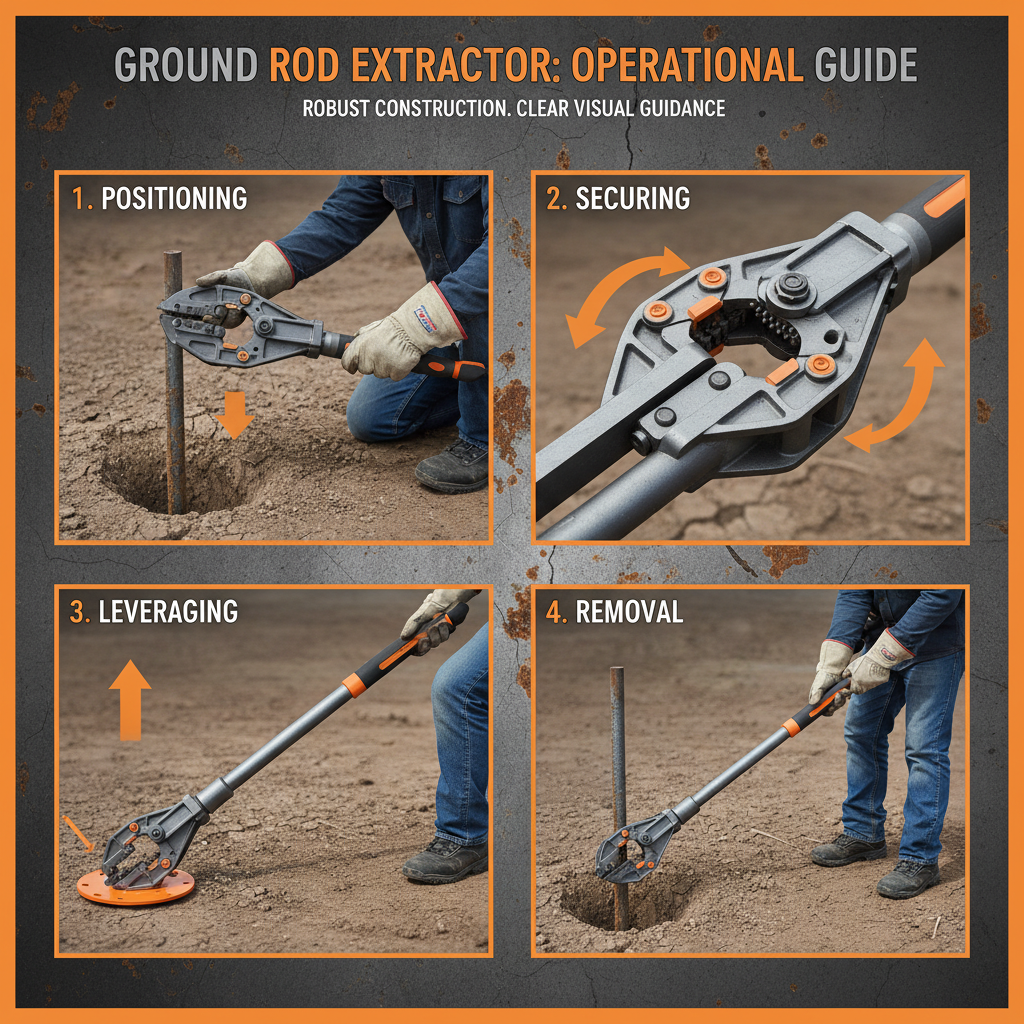
What is a Ground Rod Extractor and Why is it Needed?
A ground rod extractor is a specialized tool designed to remove ground rods from the earth without damaging the rod or surrounding soil. Unlike simply pulling on the rod, which can bend or break it, an extractor uses mechanical leverage to lift the rod vertically. This is crucial for several reasons. First, damaged ground rods compromise the effectiveness of the grounding system. Second, damaging the surrounding soil can make re-installation difficult. Finally, a safe and efficient extraction process minimizes risk to the technician. Without a proper ground rod extractor, removal can become a time-consuming and potentially hazardous task.
Key Benefits: Efficient and safe removal of ground rods, prevents damage to rods and soil, minimizes technician risk, saves time and labor costs.
Types of Ground Rod Extractors
Ground rod extractors come in various designs, each suited for different rod sizes, soil conditions, and job requirements. The most common types include:
- Hydraulic Extractors: These use hydraulic pressure to provide significant lifting force, ideal for large or deeply-driven rods.
- Mechanical Extractors: These operate using a lever or ratchet system, offering a more manual approach suitable for smaller rods and lighter-duty applications.
- Tripod Extractors: Utilizing a tripod base for stability, these extractors provide a secure lifting platform.
- Jack-Type Extractors: Employ a jack mechanism to apply upward pressure, often used for medium-sized rods.
Extractor Type Comparison:
• Hydraulic: High force, suitable for large rods, more expensive.
• Mechanical: Portable, lower cost, limited force.
• Tripod: Stable, versatile, requires space.
• Jack-Type: Moderate force, good for medium rods, requires level ground.
Choosing the Right Ground Rod Extractor for Your Needs
Selecting the appropriate ground rod extractor requires careful consideration of several factors. First, determine the diameter and length of the ground rods you'll be removing. Secondly, assess the soil conditions – rocky or clay-rich soil may require a more powerful extractor. Third, consider the frequency of use. For occasional use, a manual mechanical extractor might suffice, while frequent use warrants a more robust hydraulic model. Finally, prioritize safety features like secure grips and stable bases. Investing in a quality ground rod extractor from a reputable manufacturer like BiloPowTel will pay dividends in efficiency and safety.
Safety Considerations When Using a Ground Rod Extractor
Operating a ground rod extractor requires adherence to strict safety protocols. Always wear appropriate personal protective equipment (PPE), including gloves, safety glasses, and steel-toe boots. Before beginning extraction, carefully inspect the area for underground utilities. Ensure the extractor is properly secured and stable before applying force. Never exceed the extractor's weight capacity. And most importantly, follow the manufacturer’s instructions meticulously. Ignoring safety precautions can lead to serious injury. BiloPowTel provides detailed safety guidelines with all of its products.
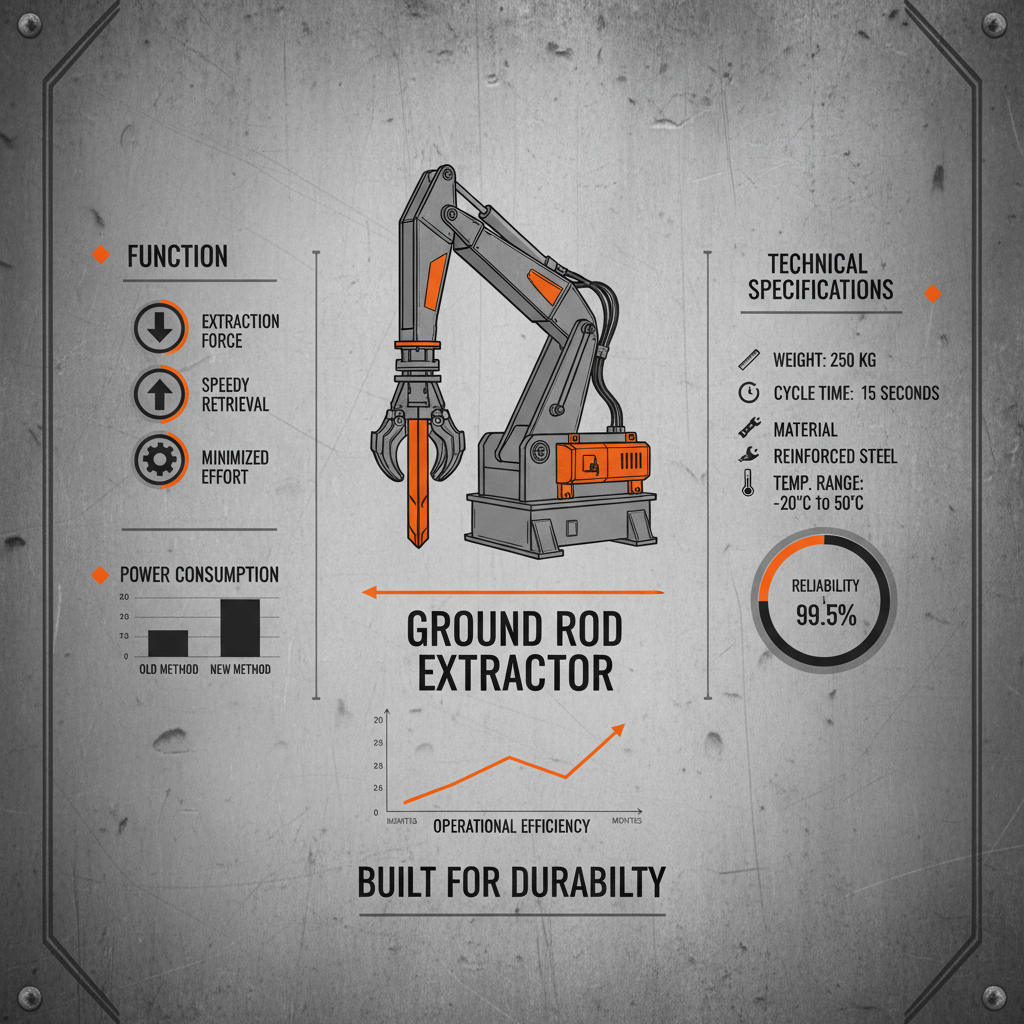
Conclusion: Investing in the Right Tools for Grounding Success
Choosing the right ground rod extractor is a critical investment for any professional involved in electrical grounding. From ensuring safety to maximizing efficiency, the benefits are undeniable. BiloPowTel offers a wide range of high-quality extractors to meet your specific needs. Don’t compromise on quality or safety – choose a solution you can trust.
Frequently Asked Questions (FAQs)
What is the best way to prepare the soil before using a ground rod extractor?
Before attempting to extract a ground rod, loosen the soil around the rod as much as possible with hand tools or a digging bar. This reduces friction and makes the extraction process easier and safer. Removing large rocks or debris from the immediate area also helps prevent damage to the extractor or the ground rod. If the soil is particularly compacted, consider slightly watering the area to help loosen it. Avoid using power tools directly near the ground rod, as this could create a safety hazard.
Can a ground rod extractor be used on corroded ground rods?
Yes, a ground rod extractor can be used on corroded ground rods, but it may require more force and caution. Corrosion can increase friction and make the rod more brittle. It’s important to use a high-quality extractor designed for heavy-duty applications and to apply force slowly and steadily. Regularly inspect the rod during extraction for signs of cracking or breakage. If the corrosion is severe, it's recommended to consult with a grounding specialist before attempting removal. Using penetrating oil around the rod can also help loosen it.
What maintenance is required for a ground rod extractor?
Regular maintenance is essential for ensuring the longevity and safe operation of a ground rod extractor. For hydraulic extractors, check the hydraulic fluid levels and inspect hoses for leaks. For mechanical extractors, lubricate moving parts regularly. Clean the extractor after each use to remove dirt and debris. Store the extractor in a dry, protected environment. Always refer to the manufacturer's instructions for specific maintenance recommendations. Regularly inspect all components for wear and tear, and replace any damaged parts promptly.
What should I do if a ground rod breaks during extraction?
If a ground rod breaks during extraction, stop immediately and assess the situation. Do not attempt to force the remaining portion of the rod out of the ground. Carefully dig around the broken piece to expose it, taking care to avoid damaging any underground utilities. Depending on the depth and location of the break, you may need to use specialized tools or consult with a professional grounding contractor to safely remove the remaining portion of the rod. Ensure that all broken pieces are properly disposed of to prevent hazards.
Latest news
Precision Lifting and Pulling with the Lever Block 0.5 Ton Guide
NewsApr.16,2026
Precision Engineering Guide for High Performance Jet Lever
NewsApr.16,2026
Ultimate Guide to Choosing the Professional Industrial hoist lever
NewsApr.16,2026
Industrial Hoist Lever Chain Guide for Heavy Lifting and Rigging
NewsApr.16,2026
Industrial Lever Hoist Guide for Efficient Lifting and Pulling
NewsApr.16,2026
Ultimate Guide to Hand Ratchet Lift for Heavy Industrial Lifting
NewsApr.16,2026
- CONTACT
- ADDRESS: 188, Fengshou Road, Shijiazhuang. China
- EMAlL: info@bilopowtel.com
- PHONE: 0086-311-88862036
- WHATSAPP: 0086-152-26563165


