



Mar . 28, 2026 01:45 Back to list
Find the Right Lever Block for Sale to Enhance Your Lifting Operations
Lever Block for Sale: A Comprehensive Guide
When it comes to lifting and moving heavy loads, a reliable lever block is an essential tool. These devices offer a mechanical advantage, making lifting tasks safer and more efficient. This article will explore the features, benefits, applications, and considerations when purchasing a lever block for sale, helping you make an informed decision. We’ll cover key specifications and point you toward high-quality options available at Bilopowtel.
Understanding Lever Blocks: How They Work
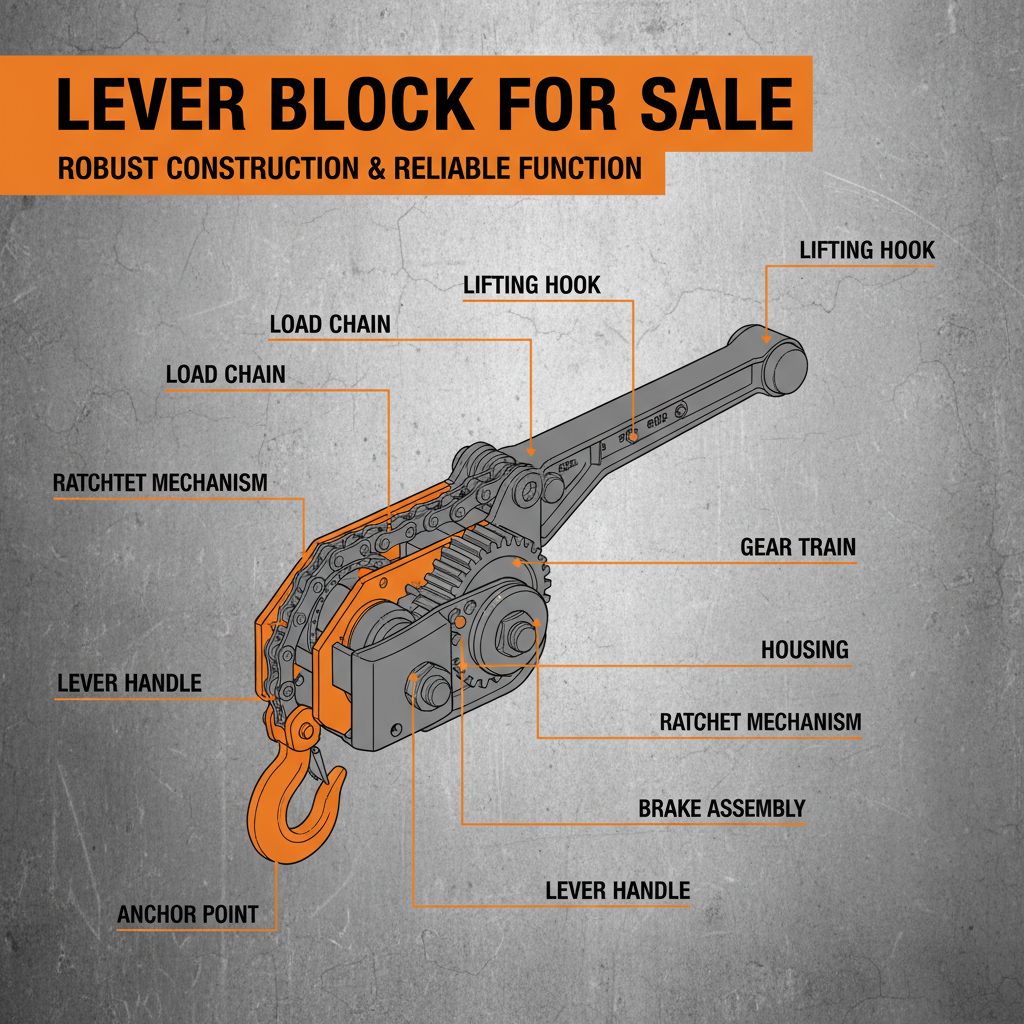
A lever block, also known as a lifting block or chain hoist, utilizes a lever mechanism to multiply the force applied, enabling the lifting of significantly heavier loads. The principle is simple: a long lever arm provides a mechanical advantage. These blocks are commonly used with chains to raise and lower materials. Unlike other lifting equipment, lever blocks don’t require electricity or compressed air, making them ideal for locations where these resources aren't readily available. They are particularly valuable for intermittent lifting tasks in confined spaces.
Key Benefits: Portable, no power source required, easy to operate, durable, and provides a significant lifting capacity.
Key Features to Consider When Buying a Lever Block for Sale
When searching for a lever block for sale, several key features should be considered. The lifting capacity, which is the maximum weight the block can safely lift, is paramount. The chain length is another crucial factor, determining the maximum lifting height. The block’s construction material (typically alloy steel) and its overall build quality significantly impact its durability and lifespan. Consider also the hand chain length – a longer chain allows for greater lifting distance per pull. Finally, safety features such as load testing certification are vital.
Lever Block vs. Chain Hoist: What's the Difference?
While the terms are often used interchangeably, there's a subtle difference. A lever block is a type of chain hoist, but not all chain hoists are lever blocks. Chain hoists can be manual or electric. Lever blocks are specifically manual and operate using the lever mechanism we discussed. Electric chain hoists, on the other hand, use an electric motor. Lever blocks offer portability and simplicity, whereas electric chain hoists provide faster lifting speeds and are suited for repetitive lifting tasks. The best choice depends on your specific needs and application.
Key Differences:
• Lever Blocks: Manual operation, portable, simple.
• Electric Chain Hoists: Electric operation, faster lifting, for repetitive tasks.
Choosing the Right Lever Block: Capacity and Specifications
Selecting the correct lever block for sale requires careful consideration of your lifting needs. Start by determining the maximum weight you’ll need to lift. Always choose a lever block with a lifting capacity that exceeds the maximum load to provide a safety margin. Here’s a sample specification table to illustrate common options:
Applications: Where Lever Blocks Excel
Lever blocks are incredibly versatile and find applications across numerous industries. Construction sites utilize them for lifting materials and equipment. Manufacturing plants employ them for moving heavy machinery and components. Warehouses use them for loading and unloading trucks. They're also crucial in rigging, maintenance, and repair operations. The portability and ease of use make them a practical solution for a wide range of lifting challenges.
Safety Considerations and Maintenance
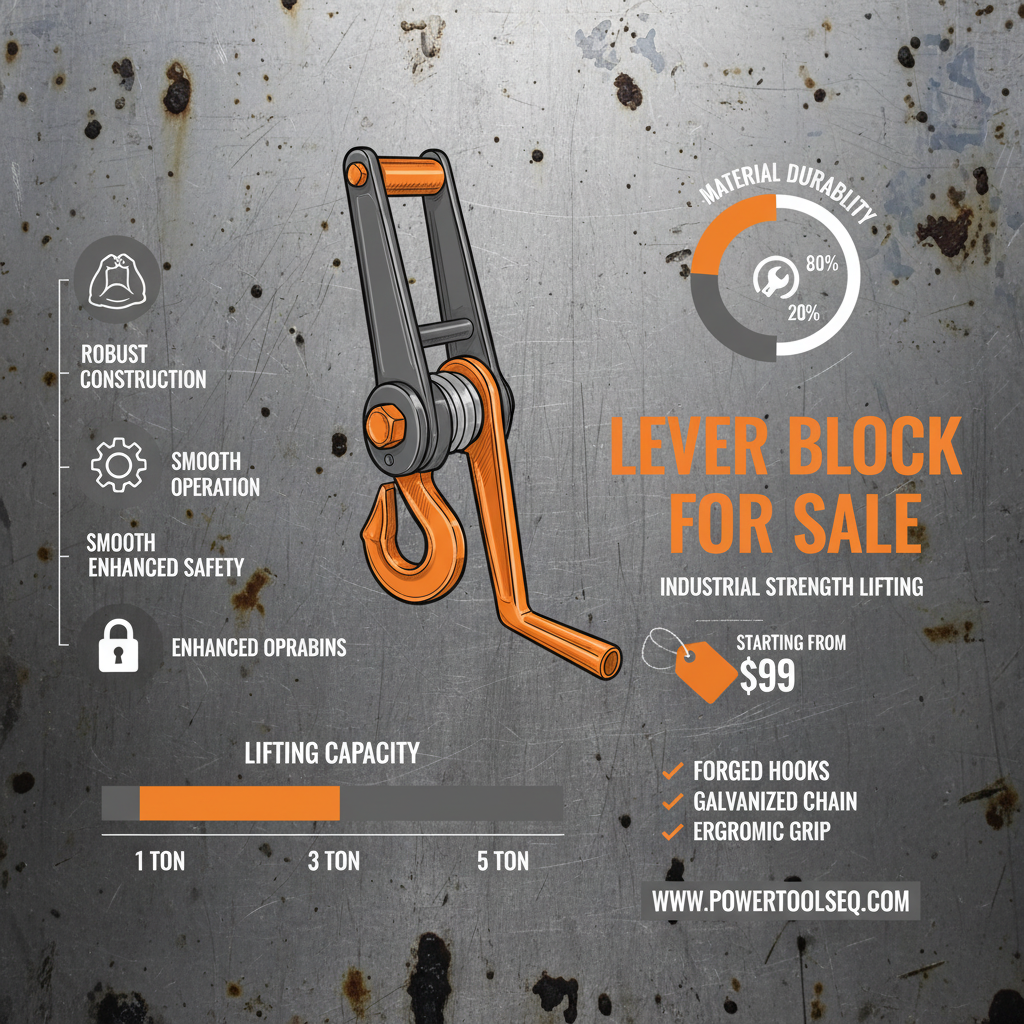
Safety is paramount when operating a lever block. Always inspect the block and chain for damage before each use. Never exceed the rated lifting capacity. Ensure the load is securely attached and balanced. Avoid shock loading or sudden movements. Regular maintenance, including lubrication of moving parts and inspection for wear and tear, is crucial for extending the lifespan and ensuring the safe operation of the lever block. At Bilopowtel, we provide high-quality lever blocks and recommend regular inspections for optimal performance and safety.
Conclusion: Invest in Quality and Safety
Investing in a high-quality lever block for sale is crucial for ensuring safe and efficient lifting operations. Consider your specific needs, prioritize safety features, and choose a reputable supplier like Bilopowtel. Proper maintenance and adherence to safety guidelines will maximize the lifespan and reliability of your lever block.
Frequently Asked Questions (FAQs)
What is the safe working load (SWL) of a lever block?
The Safe Working Load (SWL) is the maximum load that a lever block can safely lift, as specified by the manufacturer. It's crucial never to exceed the SWL, as this can lead to equipment failure and potentially cause serious injury. The SWL is clearly marked on the lever block itself. Remember to account for the weight of any slings or lifting attachments when calculating the total load. Always choose a lever block with an SWL that exceeds your expected lifting requirements to provide a safety margin.
How do I inspect a lever block before use?
Before each use, carefully inspect the lever block for any signs of damage. Check the chain for wear, kinks, or broken links. Inspect the hook for cracks or deformation. Ensure the lever mechanism operates smoothly and without any unusual noises. Verify that the safety latch on the hook is functioning correctly. If you notice any defects, do not use the lever block and have it inspected by a qualified technician. A thorough pre-use inspection is essential for ensuring safe operation.
What type of chain is used in lever blocks?
Lever blocks typically use Grade 80 or Grade 100 chains. Grade 80 chains are the most common and are suitable for general lifting applications. Grade 100 chains are stronger and more durable and are often used for more demanding applications or when lifting extremely heavy loads. The chain’s grade is stamped on the chain links. Using the correct grade chain is vital for ensuring the lever block's lifting capacity and safety.
Where can I find a reliable lever block for sale?
Bilopowtel offers a wide range of high-quality lever blocks for sale, backed by excellent customer service and competitive pricing. We supply durable and reliable lifting equipment to meet your specific needs. Browse our selection online or contact us today for a quote!
Latest news
Precision Lifting and Pulling with the Lever Block 0.5 Ton Guide
NewsApr.16,2026
Precision Engineering Guide for High Performance Jet Lever
NewsApr.16,2026
Ultimate Guide to Choosing the Professional Industrial hoist lever
NewsApr.16,2026
Industrial Hoist Lever Chain Guide for Heavy Lifting and Rigging
NewsApr.16,2026
Industrial Lever Hoist Guide for Efficient Lifting and Pulling
NewsApr.16,2026
Ultimate Guide to Hand Ratchet Lift for Heavy Industrial Lifting
NewsApr.16,2026
- CONTACT
- ADDRESS: 188, Fengshou Road, Shijiazhuang. China
- EMAlL: info@bilopowtel.com
- PHONE: 0086-311-88862036
- WHATSAPP: 0086-152-26563165


