



Apr . 07, 2026 01:45 Back to list
Understanding the Power of a Hoist Ratchet for Efficient Material Handling
Understanding the Power of a Hoist Ratchet: A Comprehensive Guide
When it comes to efficient and secure material handling, a hoist ratchet is an indispensable tool. This article provides an in-depth exploration of hoist ratchets, covering their function, types, applications, safety considerations, and how to choose the right one for your needs. We'll explore why a quality hoist ratchet is a critical investment for businesses involved in lifting and securing loads.
What is a Hoist Ratchet and How Does It Work?
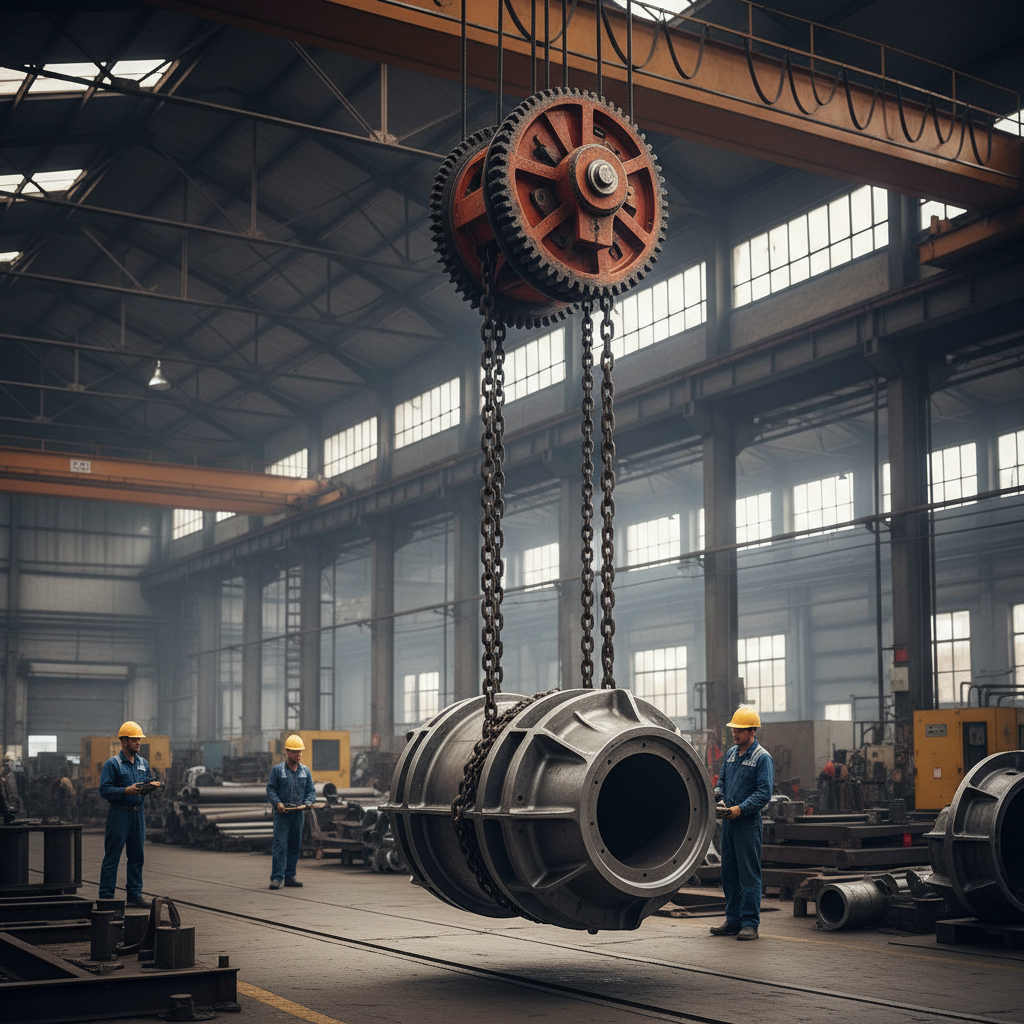
A hoist ratchet is a mechanical device used to tighten or loosen a rope, chain, or strap, enabling the lifting and securing of loads. Its core component is a ratchet mechanism that allows movement in one direction while preventing backward movement. This ‘locking’ feature ensures that the load remains securely fastened, even under tension. The ratchet handle is used to incrementally tighten the securing mechanism, creating the necessary tension to hold the load in place. Proper operation prevents slippage and potential accidents. You can find a wide variety of hoist ratchets at Bilopowtel.
Key Benefit: The ratchet mechanism provides a secure hold, reducing the risk of load shifting or dropping.
Types of Hoist Ratchets: Choosing the Right Tool
Hoist ratchets come in several varieties, each suited to specific applications. Common types include chain ratchets, strap ratchets, and wire rope ratchets. Chain ratchets are known for their durability and are often used in heavy-duty applications. Strap ratchets are versatile and ideal for securing lighter loads. Wire rope ratchets are preferred where a stronger and more flexible securing method is needed. Selecting the correct type of ratchet depends on the load’s weight, size, and the securing requirements of your operation. Bilopowtel offers a comprehensive range of hoist ratchet types.
Hoist Ratchet Types:
• Chain Ratchets: High durability, heavy-duty applications
• Strap Ratchets: Versatile, lighter loads
• Wire Rope Ratchets: Strong, flexible securing
Hoist Ratchet Applications Across Industries
Hoist ratchets are widely used in various industries, including transportation, construction, warehousing, and marine. In transportation, they secure cargo on trucks and trailers. In construction, they are vital for lifting and positioning materials. Warehouses use them for securing pallets and other stored goods. The marine industry relies on them for mooring boats and securing equipment. The versatility of a Bilopowtel hoist ratchet makes it an essential component in these diverse sectors.
Selecting the Right Hoist Ratchet: Key Considerations
When choosing a hoist ratchet, consider the weight capacity, the type of material being secured, and the environmental conditions. Ensure the ratchet’s working load limit (WLL) exceeds the weight of the load. Opt for ratchets made from durable materials like steel for long-lasting performance. Regular inspection and maintenance are crucial for safety and longevity. Bilopowtel offers a variety of options with detailed specifications to help you make an informed decision.
Safety First: Best Practices for Hoist Ratchet Use
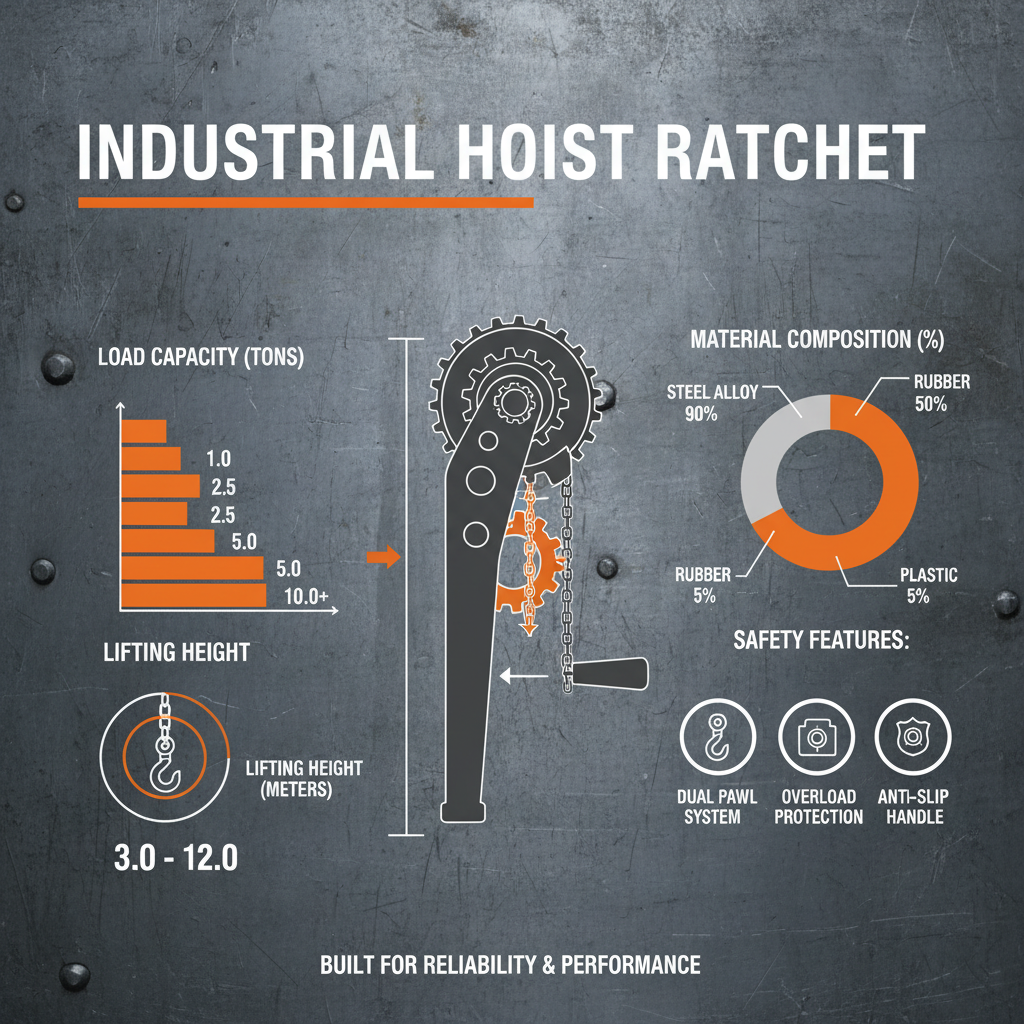
Prioritizing safety is paramount when using hoist ratchets. Always inspect the ratchet and securing materials for damage before use. Never exceed the WLL. Ensure the load is properly balanced before lifting. Avoid shock loading, as it can compromise the ratchet's integrity. Wear appropriate personal protective equipment (PPE), such as gloves and safety glasses. Adhering to these safety guidelines minimizes the risk of accidents and ensures a safe working environment.
Conclusion: Secure Your Loads with Confidence
Investing in a high-quality hoist ratchet from Bilopowtel is a vital step towards ensuring safe and efficient material handling. By understanding the different types, applications, and safety considerations, you can select the right tool for your needs and operate it with confidence. Don't compromise on safety – choose quality and reliability.
Frequently Asked Questions (FAQs)
What is the Working Load Limit (WLL) of a hoist ratchet?
The Working Load Limit (WLL) is the maximum weight a hoist ratchet is designed to safely handle. It's crucial never to exceed this limit. The WLL is clearly marked on the ratchet and should be carefully considered when selecting a ratchet for a specific application. Exceeding the WLL can cause the ratchet to fail, resulting in dropped loads and potential injuries. Always choose a ratchet with a WLL that exceeds the weight of the load you intend to lift or secure.
How often should I inspect my hoist ratchet?
Regular inspection is vital for safety. Inspect your hoist ratchet before each use for signs of damage, such as cracks, bent parts, or worn components. A more thorough inspection should be conducted at least annually, or more frequently if the ratchet is heavily used. Pay close attention to the ratchet mechanism, the handle, and any connecting chains or straps. If you find any damage, immediately remove the ratchet from service and replace it.
Can hoist ratchets be used in corrosive environments?
Using a standard hoist ratchet in corrosive environments (e.g., saltwater, chemical exposure) can lead to premature failure. If you need to use a ratchet in such conditions, choose one specifically designed for corrosion resistance, often made from stainless steel or with protective coatings. Regularly clean and maintain the ratchet to prevent corrosion buildup. Bilopowtel offers corrosion-resistant hoist ratchet options.
Latest news
Precision Lifting and Pulling with the Lever Block 0.5 Ton Guide
NewsApr.16,2026
Precision Engineering Guide for High Performance Jet Lever
NewsApr.16,2026
Ultimate Guide to Choosing the Professional Industrial hoist lever
NewsApr.16,2026
Industrial Hoist Lever Chain Guide for Heavy Lifting and Rigging
NewsApr.16,2026
Industrial Lever Hoist Guide for Efficient Lifting and Pulling
NewsApr.16,2026
Ultimate Guide to Hand Ratchet Lift for Heavy Industrial Lifting
NewsApr.16,2026
- CONTACT
- ADDRESS: 188, Fengshou Road, Shijiazhuang. China
- EMAlL: info@bilopowtel.com
- PHONE: 0086-311-88862036
- WHATSAPP: 0086-152-26563165


