



Apr . 07, 2026 01:45 Back to list
Understanding the Power of the OZ Lever Hoist for Efficient Lifting Solutions
Understanding the Power of the OZ Lever Hoist
When tackling lifting tasks in industrial settings, construction sites, or even workshops, a reliable and efficient lifting solution is paramount. The OZ lever hoist is a versatile tool designed to provide precisely that. This article will delve into the intricacies of the OZ lever hoist, exploring its features, benefits, applications, safety considerations, and why it’s a valuable asset for professionals. We'll cover everything from its operational mechanics to choosing the right model for your specific needs, helping you maximize its effectiveness and ensure safe lifting practices.
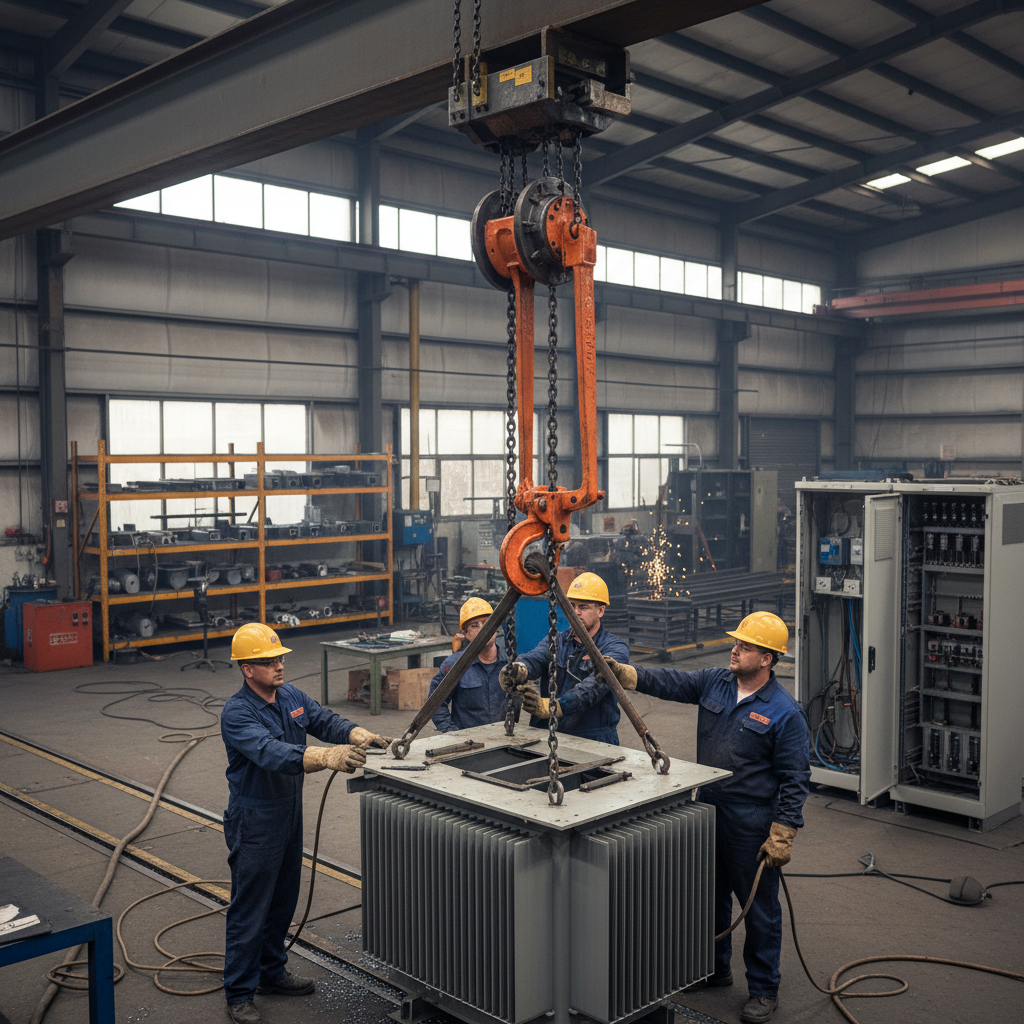
What is an OZ Lever Hoist?
An OZ lever hoist, also known as a ratchet lever hoist, is a manual lifting device used to lift or pull heavy loads. It operates using a lever action, allowing for controlled and precise lifting with minimal effort. Unlike chain blocks, OZ lever hoists often feature a compact design and can be used in various orientations, making them ideal for confined spaces. They are highly valued for their portability, ease of use, and ability to provide controlled lifting even in challenging environments. The Bilopowtel OZ Lever Hoists are designed for durability and reliable performance.
Key Features: Compact design, versatile use, manual operation, controlled lifting, durable construction.
Key Benefits of Using an OZ Lever Hoist
The benefits of using an OZ lever hoist are numerous. Their portability makes them suitable for jobsites where power isn’t readily available. They require minimal maintenance compared to electric or hydraulic systems. The lever action provides precise control, which is crucial when handling sensitive or delicate loads. Furthermore, OZ lever hoists are typically more affordable than powered lifting equipment. Investing in a quality lever hoist from Bilopowtel ensures long-term reliability and cost-effectiveness.
Benefits Summarized:
• Portability and ease of transport
• Minimal maintenance requirements
• Precise control over lifting and lowering
• Cost-effective solution
OZ Lever Hoist vs. Chain Block: A Comparison
While both OZ lever hoists and chain blocks are used for lifting, they differ in several key aspects. Chain blocks typically require more headroom and are best suited for vertical lifting applications. OZ lever hoists, with their compact design, can be used in more orientations, including horizontal pulling. Chain blocks also tend to be less portable than lever hoists. Here's a comparison table outlining the main differences:
Applications of OZ Lever Hoists
OZ lever hoists find applications in a wide range of industries. Construction workers use them to lift materials and equipment. Manufacturing facilities employ them for positioning components during assembly. Maintenance teams rely on them for lifting heavy machinery for repairs. They're also common in automotive shops, warehouses, and even marine applications. From simple tasks to complex operations, the Bilopowtel OZ Lever Hoist is a versatile solution for diverse lifting needs.
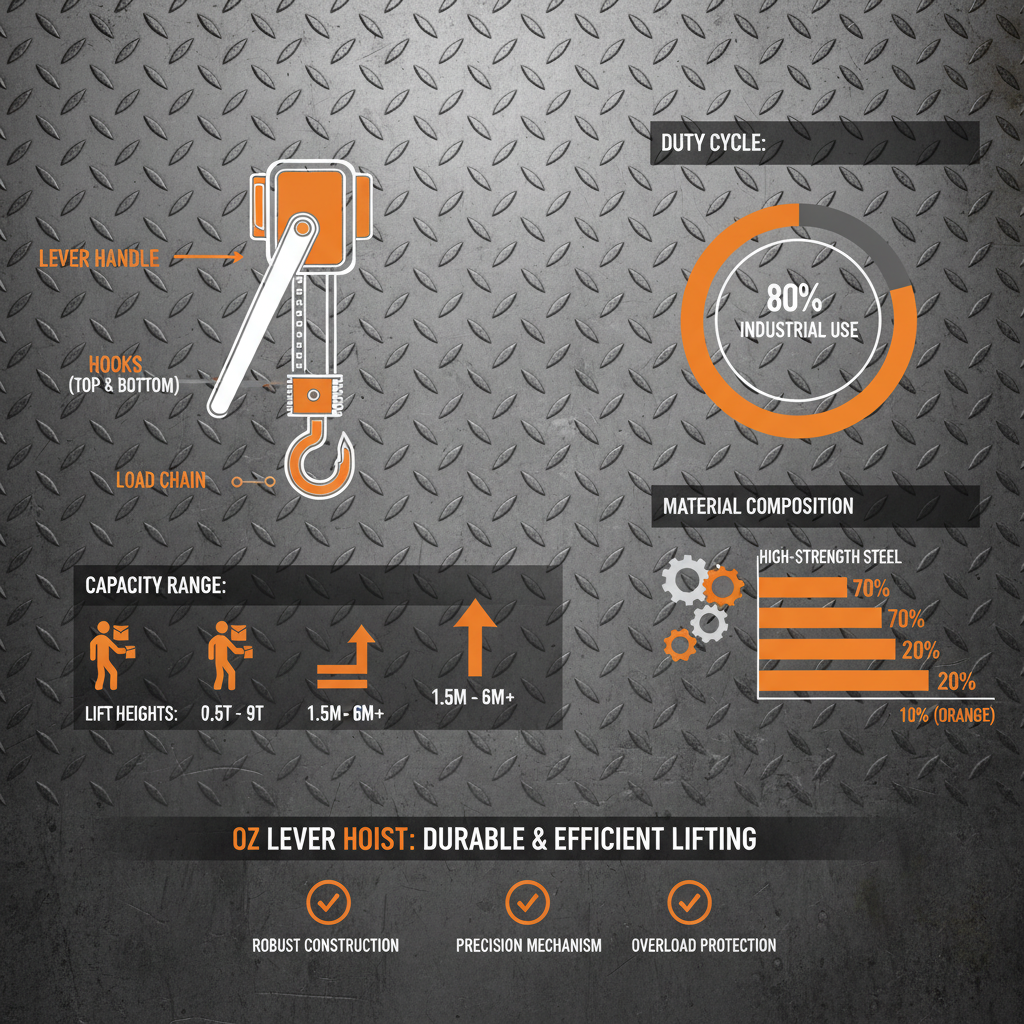
Choosing the Right OZ Lever Hoist: Specifications and Capacity
Selecting the appropriate OZ lever hoist depends on the weight of the load you need to lift and the required lifting height. It's crucial to choose a hoist with a capacity that exceeds the weight of the load by at least 25% for a safety margin. Consider the lifting height and whether you need a specific chain length. Here's a simplified specification table for common OZ lever hoist sizes:
Conclusion: Invest in Reliable Lifting with an OZ Lever Hoist
The OZ lever hoist offers a powerful and versatile lifting solution for a wide range of applications. Its portability, ease of use, and precise control make it an invaluable tool for professionals across many industries. Choosing the right capacity and length will ensure safe and efficient operation. Don’t compromise on safety or efficiency – choose Bilopowtel for your lifting needs.
Frequently Asked Questions (FAQs)
What safety precautions should I take when using an OZ lever hoist?
Always inspect the hoist and chain for damage before each use. Ensure the load is properly secured and balanced. Never exceed the rated capacity of the hoist. Avoid shock loading – lift and lower loads smoothly. Keep hands clear of the chain and load during operation. Wear appropriate personal protective equipment (PPE), such as gloves and safety glasses. Regular maintenance, including lubrication, is crucial for safe operation. Never modify the hoist or use it for unintended purposes.
How do I maintain an OZ lever hoist?
Regular maintenance includes lubricating the moving parts, such as the lever and chain, with a suitable lubricant. Inspect the chain for wear, corrosion, or damage. Check the hoist's housing for cracks or deformations. Clean the hoist regularly to remove dirt and debris. Store the hoist in a dry, protected environment when not in use. A qualified technician should perform periodic inspections and repairs.
What is the difference between a single-stage and double-stage lever hoist?
Single-stage lever hoists require more pulls on the lever to lift a load the same distance as a double-stage hoist. Double-stage hoists offer a lower effort per pull, making them easier to operate, particularly for heavier loads. However, double-stage hoists typically have a slightly higher price point. The choice depends on the frequency of use and the weight of the loads you’ll be lifting.
Where can I purchase a high-quality OZ lever hoist?
You can find a wide selection of high-quality OZ lever hoists at Bilopowtel. We offer competitive pricing, reliable products, and excellent customer service. Our team can help you select the right hoist for your specific needs and provide technical support.
Latest news
Precision Lifting and Pulling with the Lever Block 0.5 Ton Guide
NewsApr.16,2026
Precision Engineering Guide for High Performance Jet Lever
NewsApr.16,2026
Ultimate Guide to Choosing the Professional Industrial hoist lever
NewsApr.16,2026
Industrial Hoist Lever Chain Guide for Heavy Lifting and Rigging
NewsApr.16,2026
Industrial Lever Hoist Guide for Efficient Lifting and Pulling
NewsApr.16,2026
Ultimate Guide to Hand Ratchet Lift for Heavy Industrial Lifting
NewsApr.16,2026
- CONTACT
- ADDRESS: 188, Fengshou Road, Shijiazhuang. China
- EMAlL: info@bilopowtel.com
- PHONE: 0086-311-88862036
- WHATSAPP: 0086-152-26563165


