



Mar . 12, 2026 01:45 Back to list
Comprehensive Guide to Ground Rod Bonding for Enhanced Electrical Safety
Understanding Ground Rod Bonding for Optimal Safety
Ground rod bonding is a critical aspect of electrical safety, ensuring the reliable dissipation of fault currents and protecting people and equipment. This article will explore the fundamentals of ground rod bonding, its importance, best practices, and common applications. We’ll cover the components involved, the benefits of proper installation, and potential hazards of inadequate grounding. Investing in proper ground rod bonding is a proactive step toward a safer and more reliable electrical system.
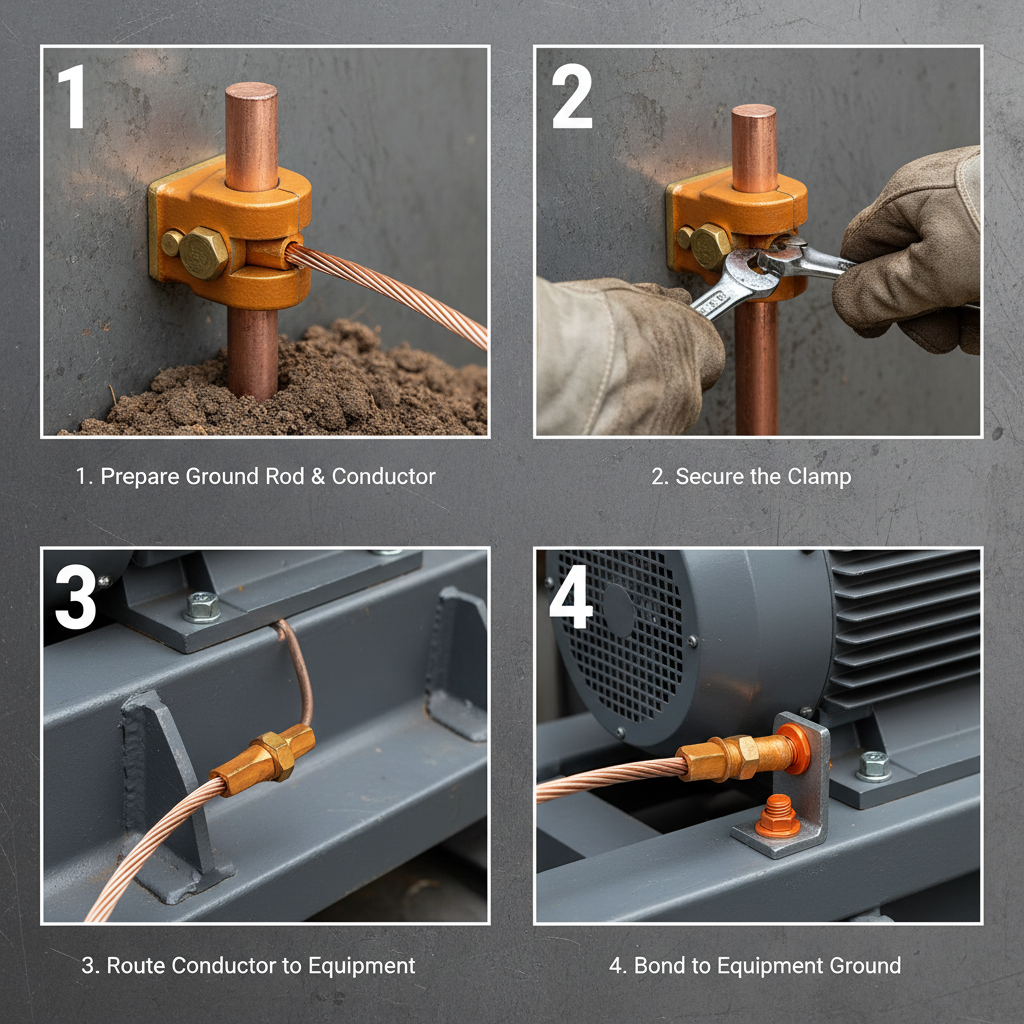
What is Ground Rod Bonding?
Ground rod bonding, also known as earth grounding, is the process of connecting electrical systems to the earth via ground rods. These rods, typically made of copper or copper-clad steel, provide a low-resistance path for fault currents to flow back to the source, triggering the circuit breaker or fuse to trip and interrupting the electrical flow. This process minimizes the risk of electric shock and damage to equipment. The bonding also involves connecting metallic enclosures of electrical equipment, such as panels and appliances, to the grounding system to equalize potential differences and prevent hazardous voltages. Effective ground rod bonding is a cornerstone of electrical code compliance and safety standards.
Key Takeaway: Ground rod bonding provides a safe path for fault currents, protecting both people and equipment from electrical hazards.
The Importance of Ground Rod Bonding
The significance of ground rod bonding cannot be overstated. Without a proper grounding system, fault currents can flow through unintended paths, potentially energizing metallic surfaces and creating a shock hazard. This is particularly dangerous in wet environments where the conductivity of the human body is increased. Proper ground rod bonding also protects sensitive electronic equipment from voltage surges and electrical noise. Furthermore, it's often a requirement for passing electrical inspections and obtaining insurance coverage. By ensuring a safe and reliable electrical system, ground rod bonding helps prevent fires, injuries, and costly equipment damage.
Benefits of Ground Rod Bonding:
• Reduces the risk of electric shock
• Protects equipment from damage
• Prevents fires
• Ensures compliance with electrical codes
Ground Rod Bonding Techniques and Materials
Effective ground rod bonding requires using the correct materials and techniques. Typically, copper or copper-clad steel ground rods are driven into the earth to a depth of at least 8 feet. The number and spacing of ground rods depend on soil resistivity, which affects the grounding system's effectiveness. Grounding conductors, made of copper wire, connect the ground rods to the electrical panel and metallic enclosures. These connections must be secure and corrosion-resistant, often achieved using exothermic welding or approved grounding clamps. Bilo Powtel offers a wide range of ground rods and bonding accessories designed to meet industry standards.
Common Applications of Ground Rod Bonding
Ground rod bonding is essential in a wide variety of settings. Residential homes require grounding for safety and to protect appliances. Commercial buildings, with their complex electrical systems, rely heavily on robust grounding to safeguard occupants and equipment. Industrial facilities, often dealing with high voltages and heavy machinery, demand stringent grounding practices. Outdoor applications, such as lighting systems and well pumps, also require grounding to protect against lightning strikes and electrical faults. Even temporary installations, like construction sites, necessitate temporary ground rod bonding to ensure worker safety.
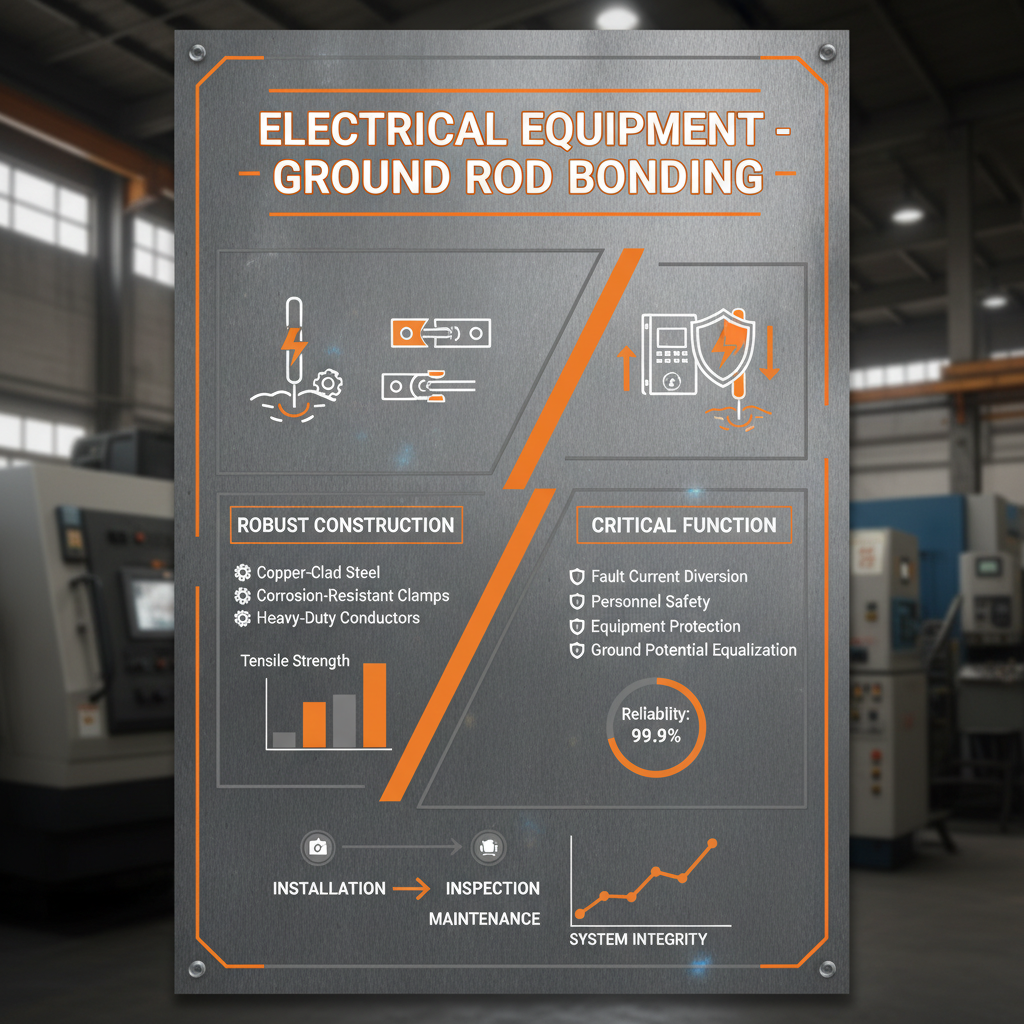
Inspecting and Maintaining Ground Rod Bonding Systems
Regular inspection and maintenance are crucial for ensuring the ongoing effectiveness of a ground rod bonding system. Ground connections should be visually inspected for corrosion or looseness. Soil resistivity can change over time, so periodic testing may be necessary to verify the grounding system's performance. Damaged ground rods should be replaced promptly. Following a lightning strike or severe weather event, it’s wise to inspect the entire grounding system for any damage. Proper maintenance ensures continued safety and reliability.
Conclusion: Prioritizing Safety with Proper Ground Rod Bonding
Investing in quality ground rods and bonding materials, such as those offered by Bilo Powtel, and adhering to best practices for installation and maintenance, is paramount for electrical safety. A well-maintained grounding system protects people, equipment, and property, offering peace of mind and ensuring compliance with industry standards. Don't compromise on safety – prioritize ground rod bonding.
Frequently Asked Questions (FAQs)
How deep should ground rods be driven?
Generally, ground rods should be driven at least 8 feet (2.44 meters) into the earth. This depth ensures the rod reaches consistently moist soil, providing a reliable connection to the earth. In areas with rocky soil or shallow bedrock, alternative grounding methods may be necessary. Always consult local electrical codes and a qualified electrician for specific requirements.
How many ground rods do I need?
The number of ground rods required depends on soil resistivity and the size of the electrical system. Typically, two or more ground rods are connected together to create a ground grid. Soil resistivity testing is essential to determine the optimal number and spacing of ground rods. Local electrical codes often specify minimum requirements for grounding systems.
What is the best material for ground rods?
Copper and copper-clad steel are the most common materials for ground rods. Copper offers excellent conductivity and corrosion resistance, but it’s more expensive. Copper-clad steel provides a good balance of conductivity and strength at a lower cost. The choice depends on budget, soil conditions, and local regulations.
Can I use existing metal underground pipes as a ground?
Generally, it’s not recommended to rely solely on existing metal underground pipes as a ground. Many older pipes are made of materials that corrode easily, reducing their conductivity. Furthermore, the pipe may not be reliably connected to the earth. A dedicated ground rod system is always the preferred and safest option. Consult a qualified electrician before attempting to use any existing metallic infrastructure for grounding.
Latest news
Precision Lifting and Pulling with the Lever Block 0.5 Ton Guide
NewsApr.16,2026
Precision Engineering Guide for High Performance Jet Lever
NewsApr.16,2026
Ultimate Guide to Choosing the Professional Industrial hoist lever
NewsApr.16,2026
Industrial Hoist Lever Chain Guide for Heavy Lifting and Rigging
NewsApr.16,2026
Industrial Lever Hoist Guide for Efficient Lifting and Pulling
NewsApr.16,2026
Ultimate Guide to Hand Ratchet Lift for Heavy Industrial Lifting
NewsApr.16,2026
- CONTACT
- ADDRESS: 188, Fengshou Road, Shijiazhuang. China
- EMAlL: info@bilopowtel.com
- PHONE: 0086-311-88862036
- WHATSAPP: 0086-152-26563165


