



Mar . 11, 2026 01:45 Back to list
Comprehensive Guide to Galvanized Earth Rod Grounding Solutions and Safety
Galvanized Earth Rod: A Comprehensive Guide to Grounding Solutions
Effective grounding is paramount for electrical safety and system integrity. A galvanized earth rod provides a crucial pathway for dissipating electrical faults, protecting equipment and personnel. This article delves into the purpose, types, installation, and benefits of galvanized earth rods, helping you understand why they are essential for various applications. Proper grounding minimizes the risk of electrical shock and equipment damage, contributing to a safer and more reliable electrical system. Choosing the right earth rod and installation technique is key to ensuring optimal performance and long-term protection.
Understanding the Purpose of Galvanized Earth Rods
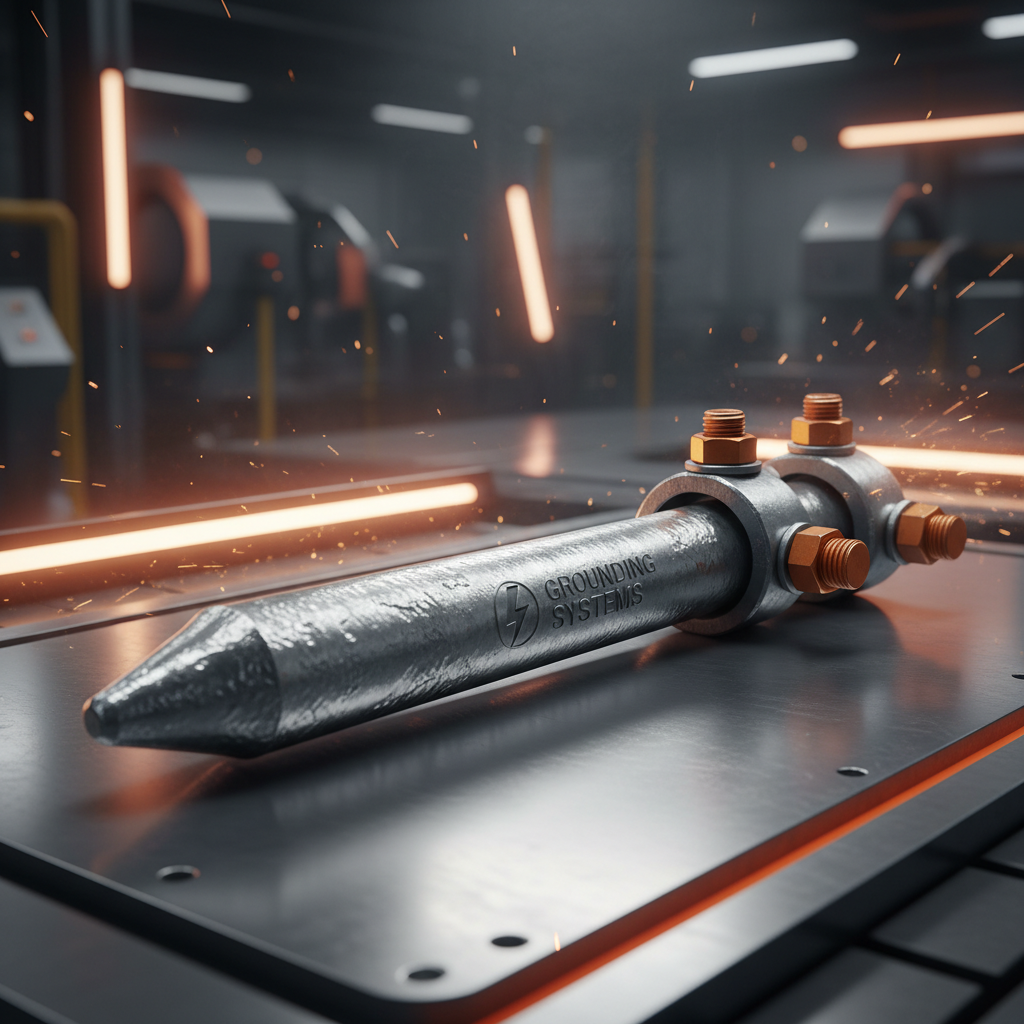
Galvanized earth rods serve as a vital component of an electrical grounding system. Their primary function is to provide a low-resistance path to the earth for fault currents. In the event of a short circuit or electrical surge, the earth rod safely directs the current into the ground, preventing dangerous voltage buildup and reducing the risk of electrical shock. The galvanization process – coating the steel core with zinc – significantly enhances corrosion resistance, prolonging the lifespan and reliability of the earth rod, especially in harsh soil conditions. BiloPowTel’s earth rods are designed for optimal conductivity and durability.
Key Benefit: Galvanization protects the steel core from corrosion, ensuring long-term grounding integrity and minimizing maintenance.
Types of Galvanized Earth Rods
Galvanized earth rods are available in various types, each suited to different soil conditions and application requirements. Common types include:
- Solid Copper-Bonded Earth Rods: Offer superior conductivity and corrosion resistance but are generally more expensive.
- Steel Earth Rods: Economical and widely used, particularly when galvanized for corrosion protection.
- Hollow Earth Rods: Allow for filling with conductive materials, such as iron powder, to enhance conductivity in high-resistance soils.
- Spiral Earth Rods: Designed for easy installation in hard or rocky ground.
Galvanized Earth Rod Installation Best Practices
Proper installation is critical for ensuring the effectiveness of a galvanized earth rod. Here’s a breakdown of the key steps:
- Location Selection: Choose a location close to the electrical panel and with consistently moist soil.
- Driving the Rod: Use a grounding rod driver to securely drive the rod vertically into the ground, leaving a small portion exposed for connection.
- Connecting the Ground Wire: Use a suitable clamp to securely connect the ground wire from the electrical panel to the exposed end of the earth rod.
- Soil Enhancement (If Necessary): If the soil is particularly dry or rocky, consider adding bentonite clay around the rod to improve conductivity.
- Testing: Verify the grounding system's effectiveness using a ground resistance tester.
Comparing Galvanized Steel vs. Copper Bonded Earth Rods
Choosing between galvanized steel and copper-bonded earth rods involves weighing cost, conductivity, and longevity. Here's a comparison:
Applications of Galvanized Earth Rods
Galvanized earth rods find applications across a wide range of industries and settings. Common applications include:
- Residential electrical systems
- Commercial buildings
- Industrial facilities
- Telecommunication towers
- Lightning protection systems
- Renewable energy installations (solar and wind)
Conclusion: Ensuring Safety with Reliable Grounding
A galvanized earth rod is a critical component of any effective grounding system. By providing a safe pathway for fault currents, it protects equipment, personnel, and infrastructure. Choosing the right type of earth rod, installing it correctly, and regularly testing its effectiveness are essential for ensuring long-term safety and reliability. Invest in quality grounding solutions from BiloPowTel for peace of mind.
Frequently Asked Questions (FAQs)
What is the ideal depth for installing a galvanized earth rod?
The ideal depth depends on soil conditions and local regulations, but a general guideline is at least 8 feet (2.4 meters). Deeper installation ensures consistently moist soil, improving conductivity. In areas with rocky soil or shallow groundwater, shallower depths may be acceptable, but it's crucial to consult local electrical codes and perform thorough ground resistance testing to ensure adequate grounding. Remember that the goal is to reach a consistently moist soil layer, regardless of the specific depth.
How often should I test the ground resistance of my earth rod?
It is recommended to test ground resistance annually, or more frequently in areas with corrosive soil or high lightning activity. Regular testing ensures the grounding system remains effective and identifies any potential issues, such as corrosion or loose connections. Record the test results for future reference and to track any changes in ground resistance over time. Professional testing services are available to ensure accurate and reliable results.
Can multiple earth rods be used to improve grounding?
Yes, using multiple earth rods, connected to a ground busbar, can significantly improve grounding performance, especially in areas with high soil resistance. The rods should be spaced at least the length of the rod apart. This creates a wider grounding network and lowers the overall ground resistance. Ensure all connections are secure and properly bonded to create a unified grounding system.
Latest news
Precision Lifting and Pulling with the Lever Block 0.5 Ton Guide
NewsApr.16,2026
Precision Engineering Guide for High Performance Jet Lever
NewsApr.16,2026
Ultimate Guide to Choosing the Professional Industrial hoist lever
NewsApr.16,2026
Industrial Hoist Lever Chain Guide for Heavy Lifting and Rigging
NewsApr.16,2026
Industrial Lever Hoist Guide for Efficient Lifting and Pulling
NewsApr.16,2026
Ultimate Guide to Hand Ratchet Lift for Heavy Industrial Lifting
NewsApr.16,2026
- CONTACT
- ADDRESS: 188, Fengshou Road, Shijiazhuang. China
- EMAlL: info@bilopowtel.com
- PHONE: 0086-311-88862036
- WHATSAPP: 0086-152-26563165


