



Jan . 28, 2026 11:05 Back to list
Understanding the Power and Versatility of a 6 Ton Winch for Various Applications
Understanding the Power and Application of a 6 Ton Winch
When it comes to demanding lifting and pulling tasks, a reliable winch is essential. Among various capacities, the 6 ton winch stands out as a versatile and powerful solution. This article explores the applications, key features, safety considerations, and factors to consider when choosing a 6 ton winch. Whether you’re involved in marine operations, recovery services, industrial projects, or off-road adventures, understanding the capabilities of a 6 ton winch is crucial for ensuring efficient and safe operations. We'll delve into how these winches contribute to a variety of industries.
Core Applications of a 6 Ton Winch
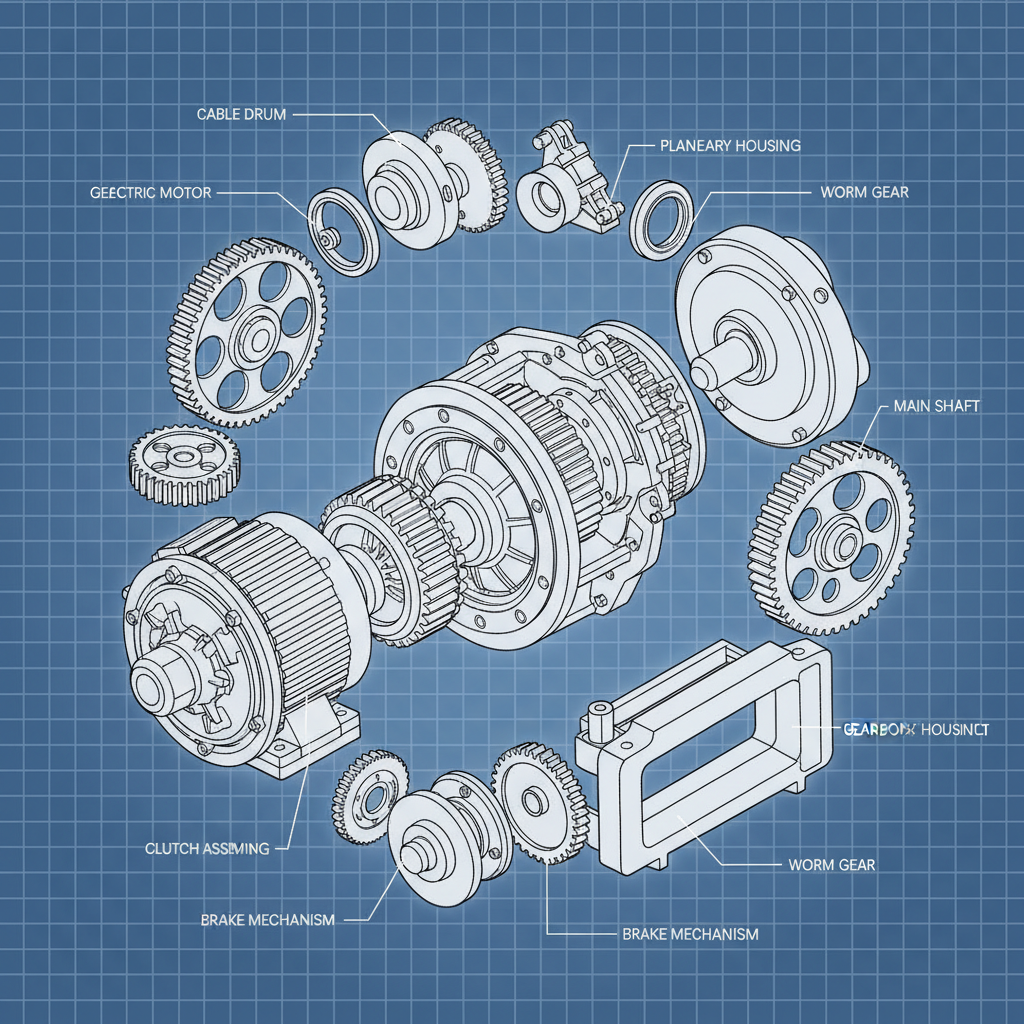
A 6 ton winch, capable of handling loads up to 6000 kg or 13,228 lbs, finds extensive use across numerous sectors. In marine environments, it’s vital for anchoring, mooring, and towing vessels. Recovery services utilize these winches to extract vehicles from difficult terrain. Industrial settings employ them for lifting and positioning heavy equipment. Off-road enthusiasts rely on 6 ton winches for self-recovery and assisting others when navigating challenging trails. The diverse applications highlight the winch’s adaptability and strength. Choosing the correct winch for your application demands careful consideration of the load requirements and operational environment. You can find a wide range of options at Bilopowtel.
Key Highlights: Versatile application in marine, recovery, industrial and off-road scenarios. Reliable solution for lifting and pulling operations.
Types of 6 Ton Winches Available
6 ton winches come in several configurations, each designed for specific needs. Hydraulic winches offer high power and smooth operation, ideal for heavy-duty industrial applications. Electric winches provide convenience and ease of use, making them popular for marine and off-road use. Pneumatic winches are suited for environments where electric power is unavailable or hazardous. Manual winches are a more affordable option for less frequent or lighter-duty tasks. Understanding the pros and cons of each type is critical for selecting the best winch for your situation.
Winch Type Comparison:
• Hydraulic: High power, smooth operation, ideal for industrial use.
• Electric: Convenient, easy to use, suitable for marine and off-road.
• Pneumatic: For hazardous environments, independent of electricity.
• Manual: Affordable, for light-duty and infrequent use.
6 Ton Winch Specifications and Features
Key features to consider when evaluating a 6 ton winch include the rope length and diameter, the gear ratio, the motor power (for electric/hydraulic models), and the braking system. The rope should be of sufficient length to handle the intended application, and the diameter must be appropriate for the load. The gear ratio determines the speed and power of the winch – a lower gear ratio provides more power but slower speed. A reliable braking system is crucial for safety, ensuring the load remains securely held.
Crucial Safety Considerations When Using a 6 Ton Winch
Safety is paramount when operating a 6 ton winch. Always inspect the winch and rope for damage before each use. Ensure the winch is securely mounted to a stable base. Use appropriate safety gear, including gloves, safety glasses, and a hard hat. Never exceed the winch’s rated capacity. Keep bystanders clear of the work area. Understand the proper rigging techniques and use only certified lifting accessories. Regular maintenance, including lubrication and inspection of critical components, is vital for ensuring long-term safety and reliability.
Factors Influencing 6 Ton Winch Cost
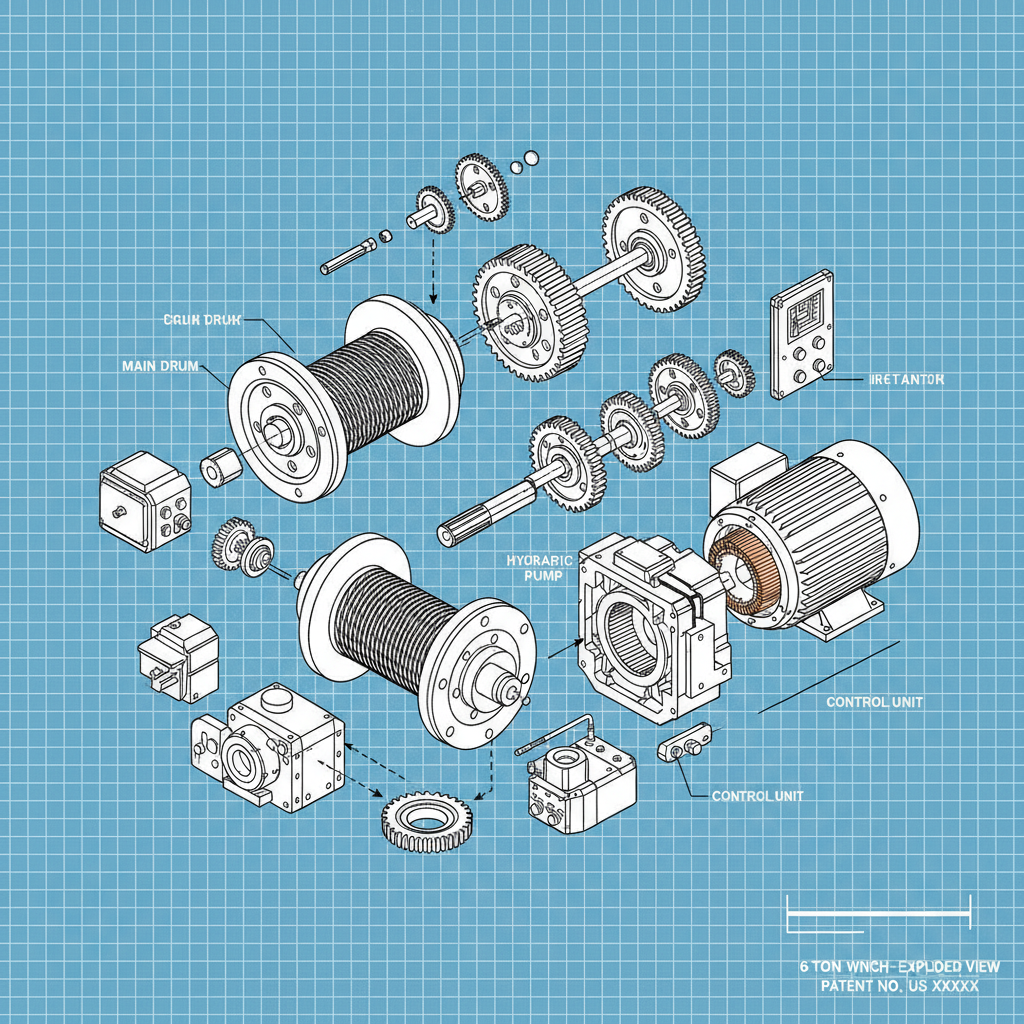
The cost of a 6 ton winch varies significantly depending on the type, features, and manufacturer. Hydraulic winches generally cost more than electric or manual winches due to their complex construction and higher power output. Brand reputation, rope material (synthetic vs. steel), and additional accessories also contribute to the price. Investing in a high-quality winch from a reputable manufacturer like Bilopowtel ensures long-term reliability and safety, often justifying a higher upfront cost.
Conclusion: Choosing the Right 6 Ton Winch
Selecting the appropriate 6 ton winch requires careful consideration of your specific needs, operating environment, and budget. By understanding the different types, specifications, and safety considerations, you can make an informed decision and ensure efficient and safe lifting and pulling operations. Invest in a quality winch and prioritize safety to maximize its performance and longevity.
Frequently Asked Questions (FAQs)
What rope type is best for a 6 ton winch?
The choice between synthetic rope and steel cable depends on your application. Synthetic rope is lighter, safer (less prone to snapping and creating recoil), and doesn’t rust, making it ideal for marine and off-road use. However, it has a lower abrasion resistance. Steel cable offers higher abrasion resistance and is suitable for heavy-duty industrial applications, but it’s heavier, can rust, and poses a greater risk if it breaks. Carefully evaluate your needs and choose the rope material accordingly.
How often should I inspect my 6 ton winch?
Regular inspections are vital for safety. Before each use, visually inspect the rope, hook, and winch body for any signs of damage, wear, or corrosion. Also, check the hydraulic fluid levels (for hydraulic winches) and the electrical connections (for electric winches). A more thorough inspection should be conducted at least annually, including a load test to verify the winch’s capacity. Keep a record of all inspections and maintenance performed.
What is the importance of the braking system in a 6 ton winch?
The braking system is arguably the most critical safety component of a 6 ton winch. It’s designed to hold the load securely in place, preventing it from slipping or falling. A robust braking system should be able to hold the full rated capacity of the winch, even under dynamic loads. Ensure the braking system is properly maintained and tested regularly. Different winch types utilize various braking mechanisms, such as automatic disc brakes or manual pawl brakes.
Can a 6 ton winch be used for lifting vertically?
While a 6 ton winch can be used for lifting, it’s primarily designed for pulling. Using a winch for vertical lifting requires careful consideration and adherence to strict safety guidelines. It's crucial to use appropriate rigging equipment, such as a lifting shackle and a snatch block, to ensure a smooth and controlled lift. Vertical lifting applications can put significant stress on the winch and its components, so it's important to ensure the winch is rated for the intended load and lifting configuration.
Latest news
Precision Lifting and Pulling with the Lever Block 0.5 Ton Guide
NewsApr.16,2026
Precision Engineering Guide for High Performance Jet Lever
NewsApr.16,2026
Ultimate Guide to Choosing the Professional Industrial hoist lever
NewsApr.16,2026
Industrial Hoist Lever Chain Guide for Heavy Lifting and Rigging
NewsApr.16,2026
Industrial Lever Hoist Guide for Efficient Lifting and Pulling
NewsApr.16,2026
Ultimate Guide to Hand Ratchet Lift for Heavy Industrial Lifting
NewsApr.16,2026
- CONTACT
- ADDRESS: 188, Fengshou Road, Shijiazhuang. China
- EMAlL: info@bilopowtel.com
- PHONE: 0086-311-88862036
- WHATSAPP: 0086-152-26563165


