



Jan . 28, 2026 11:40 Back to list
Comprehensive Guide to Hydraulic Anchor Winches for Marine Vessels
Understanding Hydraulic Anchor Winches: A Comprehensive Guide
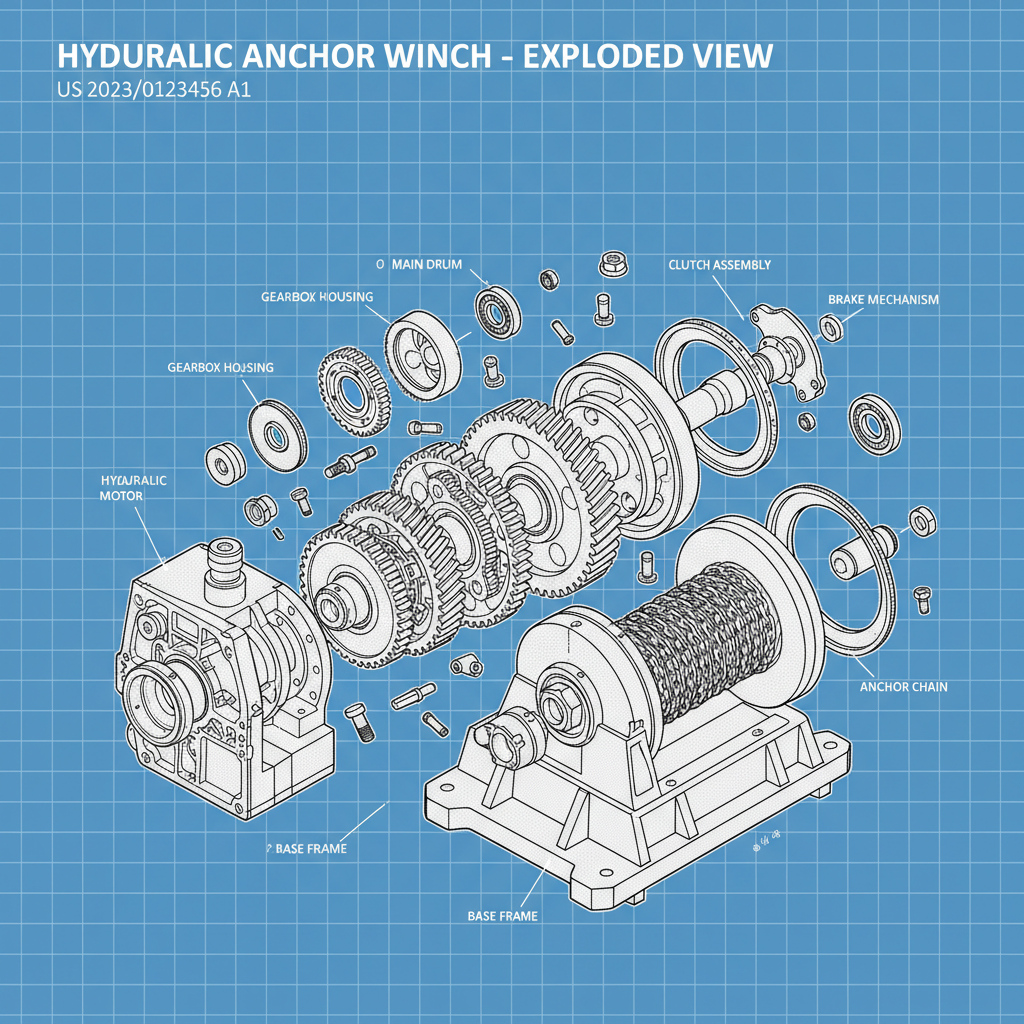
Hydraulic anchor winches are essential equipment for marine vessels, offering a robust and reliable method for anchoring. These winches utilize hydraulic power to effortlessly raise and lower anchors, providing superior control and efficiency compared to manual or electric alternatives. This article will explore the various aspects of hydraulic anchor winches, including their benefits, types, applications, and key considerations when selecting the right model. Understanding these factors is crucial for ensuring safe and effective anchoring operations.
The Advantages of Using Hydraulic Anchor Winches
Hydraulic anchor winches offer a significant advantage over traditional anchoring methods. Their primary benefit lies in the immense power they provide, enabling the effortless handling of even the heaviest anchors and chains. This power translates to increased safety, as operators aren’t strained by manual labor. Hydraulic systems also provide precise control over the anchoring process, crucial in challenging sea conditions. They are known for their durability and reliability, requiring minimal maintenance compared to electric winches. Furthermore, the smooth, controlled operation reduces stress on the vessel’s structure. Ultimately, a hydraulic anchor winch represents a long-term investment in efficiency and safety.
Key Benefits: Immense power, precise control, enhanced safety, durability, minimal maintenance, and reduced stress on vessel structure.
Types of Hydraulic Anchor Winches
Hydraulic anchor winches come in several configurations, each suited to different vessel sizes and anchoring requirements. The most common types include: horizontal winches, vertical winches, and chain wheel winches. Horizontal winches are typically used on larger vessels and are known for their high pulling power. Vertical winches are popular on smaller boats, offering a compact design and straightforward operation. Chain wheel winches utilize a grooved wheel to grip the anchor chain, providing a secure and reliable hold. The selection of the appropriate type depends on factors such as vessel size, anchor weight, and intended usage.
Types of Winches:
• Horizontal Winches: High pulling power, suitable for large vessels.
• Vertical Winches: Compact design, ideal for smaller boats.
• Chain Wheel Winches: Secure chain grip, reliable operation.
Hydraulic Anchor Winch Specifications: A Comparative Overview
Understanding the specifications of a hydraulic anchor winch is vital for choosing the right model. Key specifications include pulling force (measured in kN or tons), rope/chain capacity, hydraulic motor displacement, and operating pressure. Higher pulling force indicates the winch’s ability to lift heavier anchors. Rope/chain capacity dictates the maximum length and diameter of the anchor rode the winch can handle. Hydraulic motor displacement influences the winch’s speed, while operating pressure affects its overall power. Here’s a comparison of three popular models:
Applications Across Various Marine Vessels
Hydraulic anchor winches find applications across a wide spectrum of marine vessels, including fishing boats, yachts, tugboats, workboats, and even large cargo ships. On smaller vessels, they provide ease of anchoring for recreational activities. Larger commercial vessels benefit from their ability to handle heavy anchors in demanding conditions. Tugboats rely on hydraulic winches for precise maneuvering and secure anchoring during towing operations. Selecting a winch specifically designed for the vessel type and intended use ensures optimal performance and longevity. Bilopowtel offers a range of winches tailored to diverse marine applications.
Maintenance and Safety Considerations
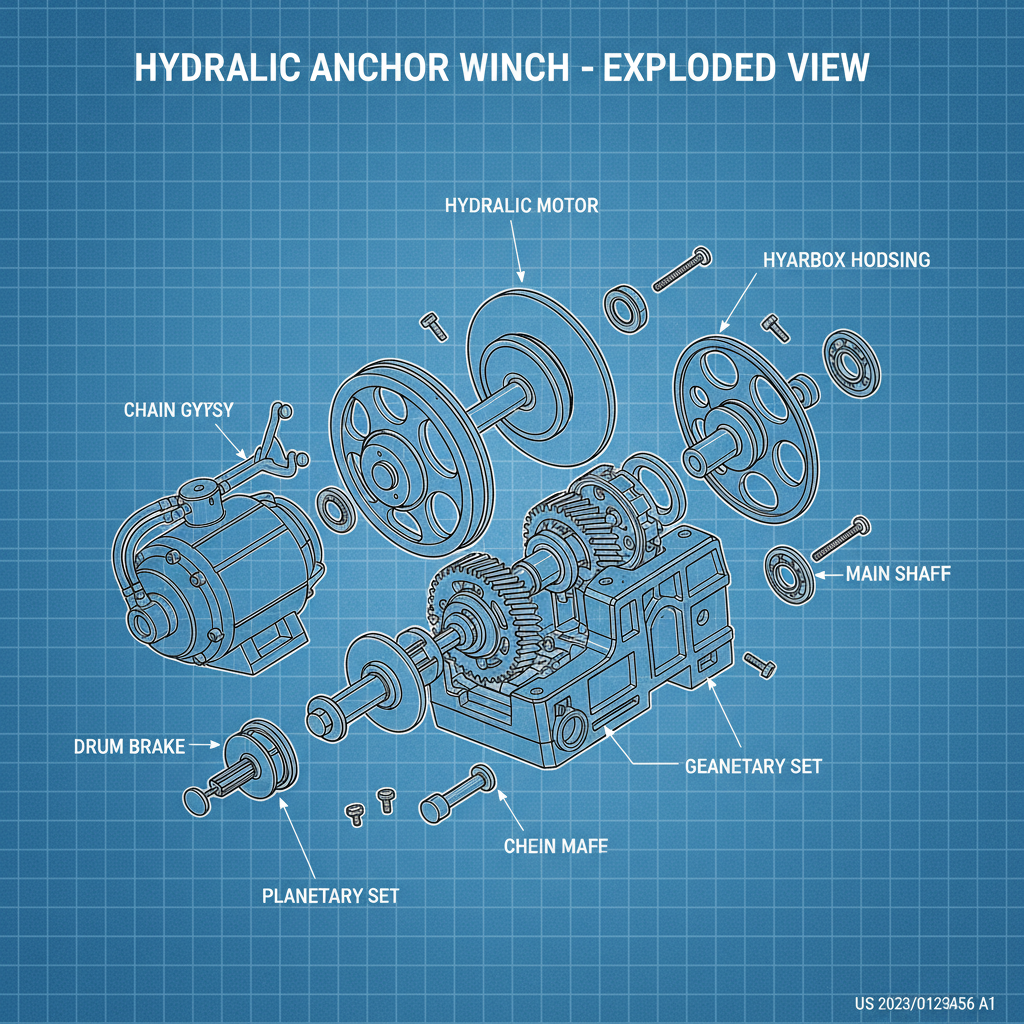
Regular maintenance is crucial for ensuring the long-term reliability and safe operation of your hydraulic anchor winch. This includes inspecting hoses and fittings for leaks, checking hydraulic fluid levels, and lubricating moving parts. Regularly inspect the chain wheel or rope drum for wear and tear. Always follow the manufacturer’s recommended maintenance schedule. Prioritize safety by ensuring all operators are properly trained on the winch’s operation and safety features. Never exceed the winch’s rated capacity, and always use appropriate personal protective equipment during operation.
Conclusion: Choosing the Right Hydraulic Anchor Winch
Selecting the appropriate hydraulic anchor winch is a crucial decision for any vessel owner. By considering factors such as vessel size, anchoring requirements, and budget, you can ensure a safe, efficient, and reliable anchoring system. Bilopowtel offers a wide range of high-quality hydraulic anchor winches to meet your specific needs. Investing in a quality winch is an investment in the safety and longevity of your vessel.
Frequently Asked Questions (FAQs)
What type of hydraulic fluid should I use in my anchor winch?
The type of hydraulic fluid required will depend on the winch manufacturer's specifications. Generally, ISO 46 hydraulic oil is commonly used. However, always consult the winch’s manual to determine the correct fluid type and viscosity. Using the wrong fluid can cause damage to the hydraulic system and void the warranty. Ensure the fluid is clean and free of contaminants to maintain optimal performance and prevent premature wear.
How often should I inspect my hydraulic anchor winch?
Regular inspections are crucial. Conduct a visual inspection before each use, checking for any signs of damage, leaks, or worn components. A more thorough inspection should be performed at least monthly, or more frequently in harsh operating conditions. This includes checking hoses, fittings, the hydraulic fluid level, and the operation of the winch controls. Keep a log of all inspections and maintenance performed.
What are the benefits of a chain wheel winch over a rope drum winch?
Chain wheel winches generally offer superior grip and control when handling anchor chains, especially in challenging sea conditions. They are less prone to slippage compared to rope drum winches. Chain also provides better resistance to abrasion and UV degradation than rope, resulting in a longer lifespan. However, chain wheel winches may be heavier and require more maintenance than rope drum winches.
What safety precautions should I take when operating a hydraulic anchor winch?
Always ensure the area around the winch is clear of personnel before operation. Wear appropriate personal protective equipment, including gloves and eye protection. Never exceed the winch’s rated capacity. Follow the manufacturer’s operating instructions carefully. Be aware of the surrounding environment and potential hazards. Regularly inspect the winch for any signs of damage or wear. If you are unsure about any aspect of the winch’s operation, consult a qualified technician.
Latest news
Precision Lifting and Pulling with the Lever Block 0.5 Ton Guide
NewsApr.16,2026
Precision Engineering Guide for High Performance Jet Lever
NewsApr.16,2026
Ultimate Guide to Choosing the Professional Industrial hoist lever
NewsApr.16,2026
Industrial Hoist Lever Chain Guide for Heavy Lifting and Rigging
NewsApr.16,2026
Industrial Lever Hoist Guide for Efficient Lifting and Pulling
NewsApr.16,2026
Ultimate Guide to Hand Ratchet Lift for Heavy Industrial Lifting
NewsApr.16,2026
- CONTACT
- ADDRESS: 188, Fengshou Road, Shijiazhuang. China
- EMAlL: info@bilopowtel.com
- PHONE: 0086-311-88862036
- WHATSAPP: 0086-152-26563165


