



Feb . 11, 2026 01:45 Back to list
Understanding Electrical Hot Stick Price and Ensuring Worker Safety
Understanding the Electrical Hot Stick Price and Choosing the Right One
When working with or near electrical systems, safety is paramount. An electrical hot stick is an essential tool for lineman and electrical workers, providing a safe distance from live conductors. Understanding the electrical hot stick price is only the first step; choosing the right stick for your application is crucial. This article will delve into the factors influencing price, different types of hot sticks, safety considerations, and where to find reliable suppliers like Bilopowtel. Prioritizing safety with the correct equipment can prevent serious injury or fatality.
What Factors Influence Electrical Hot Stick Prices?
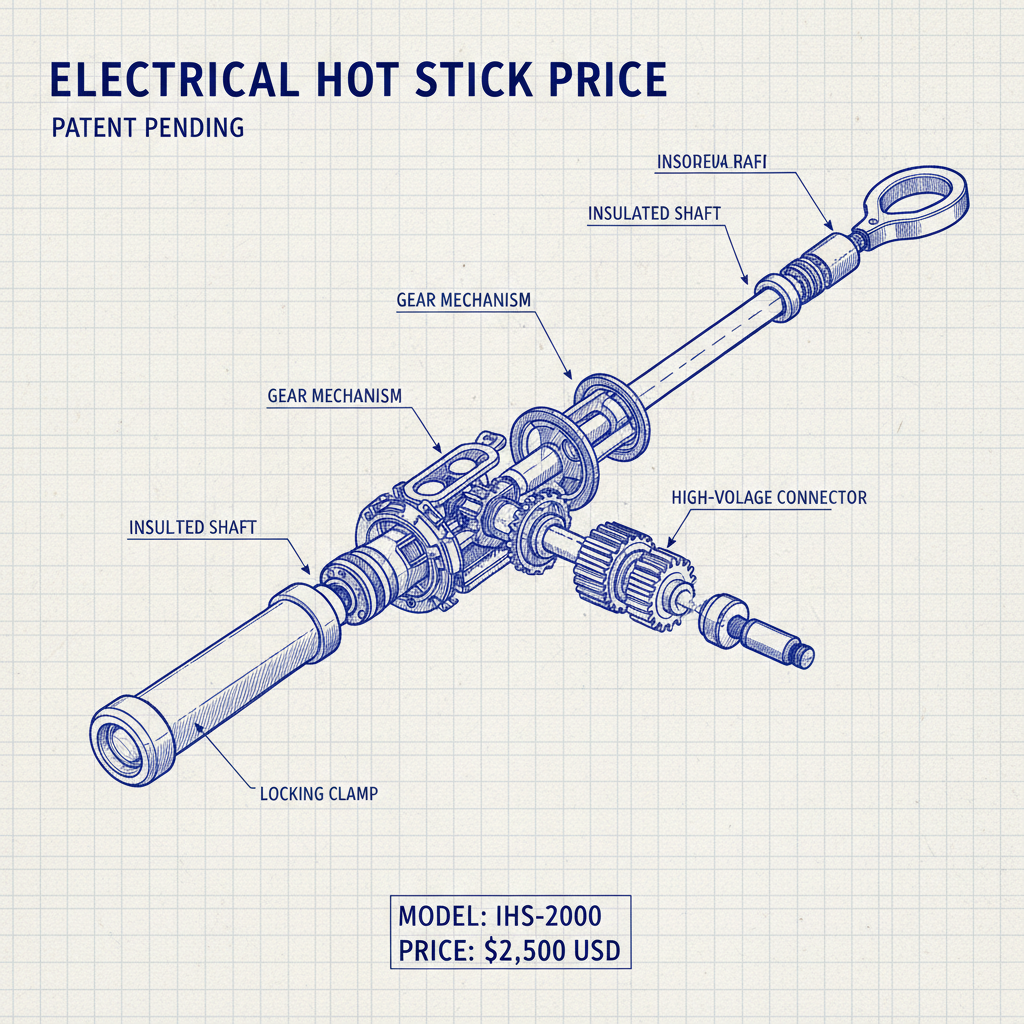
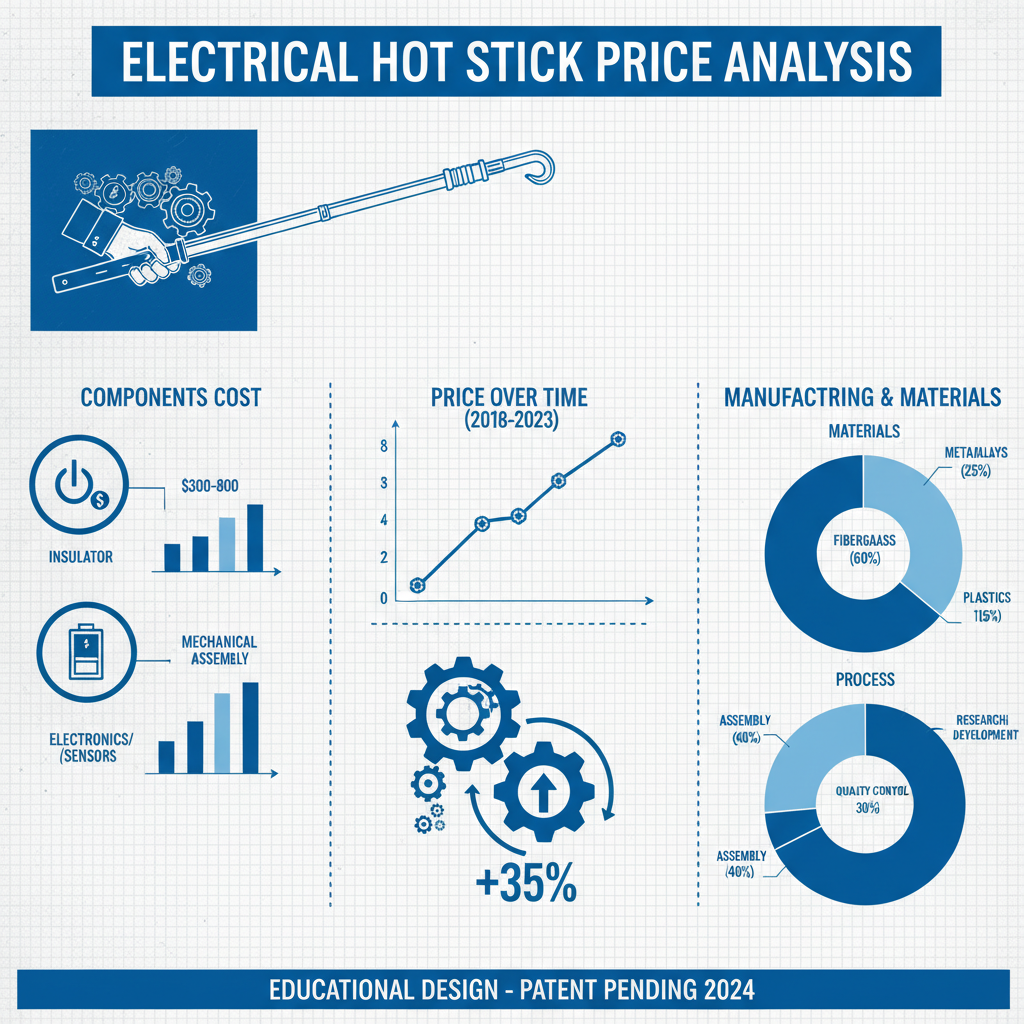
The price of an electrical hot stick varies based on several factors. The length of the stick is a primary determinant, with longer sticks generally costing more due to increased material usage. The voltage rating is another critical aspect; sticks designed for higher voltages require more robust insulation and construction, impacting the price. Material quality plays a significant role – fiberglass-reinforced epoxy resin is a common material known for its durability and insulation properties. Furthermore, the manufacturer’s reputation and any included certifications or testing contribute to the overall cost. Bilopowtel offers hot sticks with varying specifications to meet diverse needs and budgets.
Different Types of Electrical Hot Sticks and Their Price Ranges
Electrical hot sticks come in various types, each suited for specific tasks. Switching sticks are used for operating switches and disconnects, while jumper sticks facilitate temporary connections. Grounding sticks are crucial for safely grounding electrical equipment before work commences. The price range reflects these differences. Here’s a general overview:
Choosing the Right Electrical Hot Stick: Key Considerations
Selecting the appropriate hot stick requires careful consideration of the application and working voltage. Always choose a stick with a voltage rating exceeding the maximum expected voltage. The length of the stick should provide adequate clearance from live parts, ensuring a safe working distance. Ergonomics are also important; a comfortable grip can reduce fatigue and improve control. Verify that the stick meets relevant industry standards such as ASTM F711 and IEEE standards. Bilopowtel’s hot sticks are rigorously tested and certified to meet these standards.
Safety Standards and Certifications for Electrical Hot Sticks
Electrical hot sticks must adhere to strict safety standards to ensure worker protection. ASTM F711 is a widely recognized standard specifying requirements for the construction, testing, and performance of hot sticks. IEEE standards also provide guidance on the safe use of hot sticks. Look for hot sticks that are individually tested and certified to withstand specific voltage levels. Regular inspection and maintenance are essential to ensure the stick remains in safe working condition. Any cracks, chips, or damage to the insulation must be addressed immediately. Bilopowtel provides detailed documentation and testing reports for all our hot sticks.
Where to Buy Reliable Electrical Hot Sticks: Bilopowtel
Finding a reliable supplier of electrical hot sticks is crucial. Bilopowtel is a leading manufacturer and supplier of high-quality hot sticks, offering a wide range of options to suit diverse applications. We prioritize safety and quality, and our hot sticks are manufactured using premium materials and rigorous testing procedures. We also offer competitive electrical hot stick prices and excellent customer service. Contact us today to discuss your specific requirements and find the perfect hot stick for your needs.
Maintenance and Inspection of Electrical Hot Sticks
Proper maintenance and regular inspection are vital to extending the life and ensuring the safety of your electrical hot sticks. Before each use, visually inspect the stick for any signs of damage, such as cracks, chips, or blisters in the insulation. Clean the stick with a mild detergent and water to remove dirt and contaminants. Store the stick in a clean, dry location away from direct sunlight and extreme temperatures. Follow the manufacturer's recommendations for maintenance and inspection intervals. Bilopowtel provides comprehensive maintenance guidelines with each hot stick.
Conclusion: Investing in Safety with Reliable Hot Sticks
Choosing the right electrical hot stick and understanding the electrical hot stick price are crucial steps in ensuring worker safety. Bilopowtel offers a comprehensive range of high-quality, certified hot sticks to meet your specific needs. Investing in reliable equipment and adhering to proper safety procedures is essential for preventing accidents and protecting your workforce.
Frequently Asked Questions (FAQs)
What is the typical lifespan of an electrical hot stick?
The lifespan of an electrical hot stick depends on frequency of use, proper storage, and exposure to harsh environmental conditions. Generally, a hot stick should be replaced every 5-10 years, even if it appears undamaged. Regular inspection is critical. Any signs of cracking, crazing, or damage to the insulation necessitate immediate replacement. Factors like UV exposure and chemical contact can accelerate degradation. It’s always best to err on the side of caution when it comes to safety equipment.
What voltage rating should I choose for my hot stick?
Always select a hot stick with a voltage rating that exceeds the maximum expected voltage of the electrical system you’ll be working on. It’s crucial to have a significant safety margin. For example, if you're working on a 14.4kV system, you should choose a hot stick rated for at least 15kV or higher. Never use a hot stick with a lower voltage rating than the system voltage. This could lead to dangerous flashover and arc-flash incidents.
How often should I inspect my electrical hot sticks?
Electrical hot sticks should be inspected before each use and periodically (e.g., monthly) for more detailed assessment. Before each use, visually check for cracks, chips, blisters, or any other damage to the insulation. Regularly clean the stick to remove dirt and contaminants. Keep a log of inspections and any maintenance performed. Any stick exhibiting signs of damage should be immediately removed from service.
Are there specific storage recommendations for hot sticks?
Yes. Store hot sticks in a clean, dry, and well-ventilated area away from direct sunlight, extreme temperatures, and corrosive chemicals. Avoid storing them in a way that could cause them to be bent or damaged. Ideally, store them horizontally or hanging vertically. Protect them from physical impact. Proper storage helps maintain the integrity of the insulation and prolongs the lifespan of the stick.
Latest news
Precision Lifting and Pulling with the Lever Block 0.5 Ton Guide
NewsApr.16,2026
Precision Engineering Guide for High Performance Jet Lever
NewsApr.16,2026
Ultimate Guide to Choosing the Professional Industrial hoist lever
NewsApr.16,2026
Industrial Hoist Lever Chain Guide for Heavy Lifting and Rigging
NewsApr.16,2026
Industrial Lever Hoist Guide for Efficient Lifting and Pulling
NewsApr.16,2026
Ultimate Guide to Hand Ratchet Lift for Heavy Industrial Lifting
NewsApr.16,2026
- CONTACT
- ADDRESS: 188, Fengshou Road, Shijiazhuang. China
- EMAlL: info@bilopowtel.com
- PHONE: 0086-311-88862036
- WHATSAPP: 0086-152-26563165


