



Feb . 11, 2026 01:45 Back to list
Understanding Telescopic Link Stick Price and Finding the Right Solution for Your Needs
Understanding the Telescopic Link Stick Price and Finding the Right Solution
When embarking on projects requiring elevated access, the right telescopic link stick is crucial. But navigating the market and understanding the telescopic link stick price can be daunting. This article will break down the factors influencing cost, explore different types of link sticks, and guide you toward finding the perfect solution for your needs. We’ll cover everything from basic functionality to advanced features, helping you make an informed decision that balances quality and budget. Investing in the correct tool ensures efficiency, safety, and longevity.
What Factors Influence Telescopic Link Stick Price?
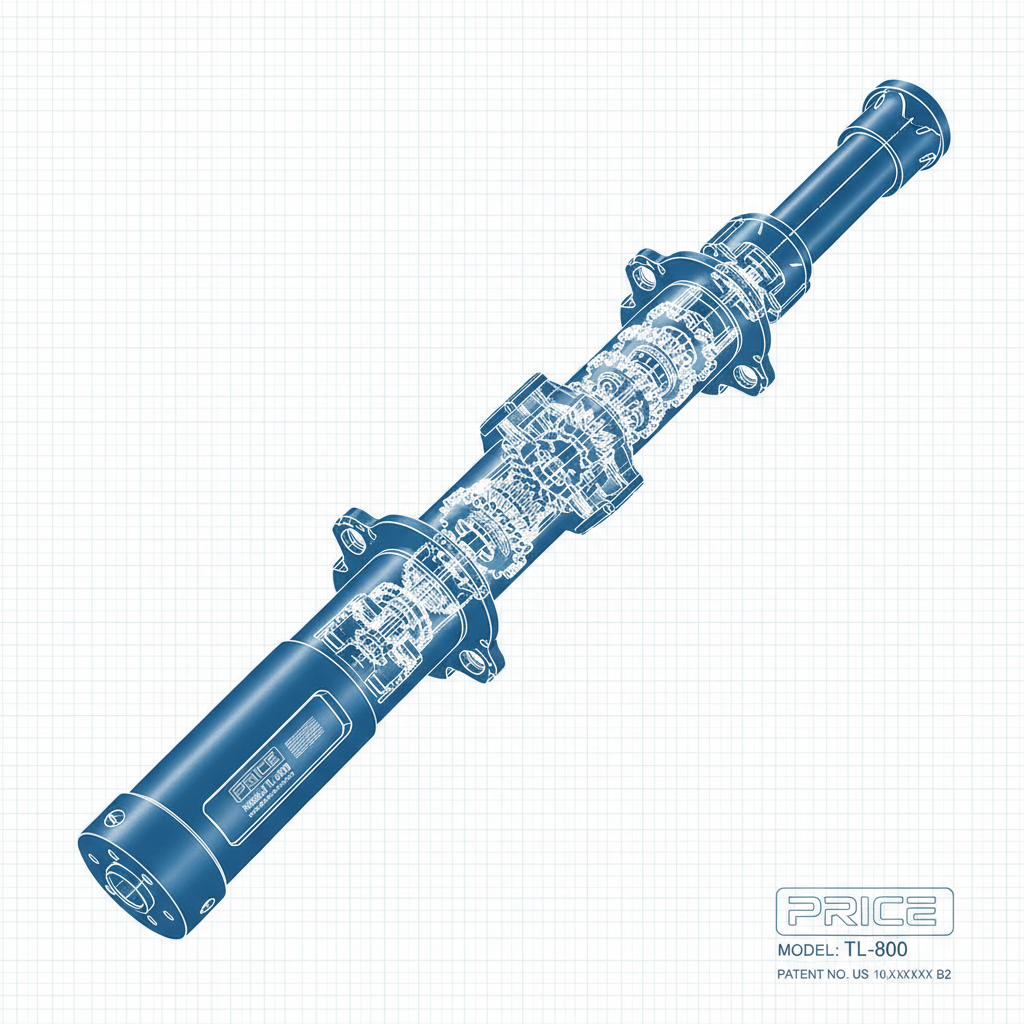
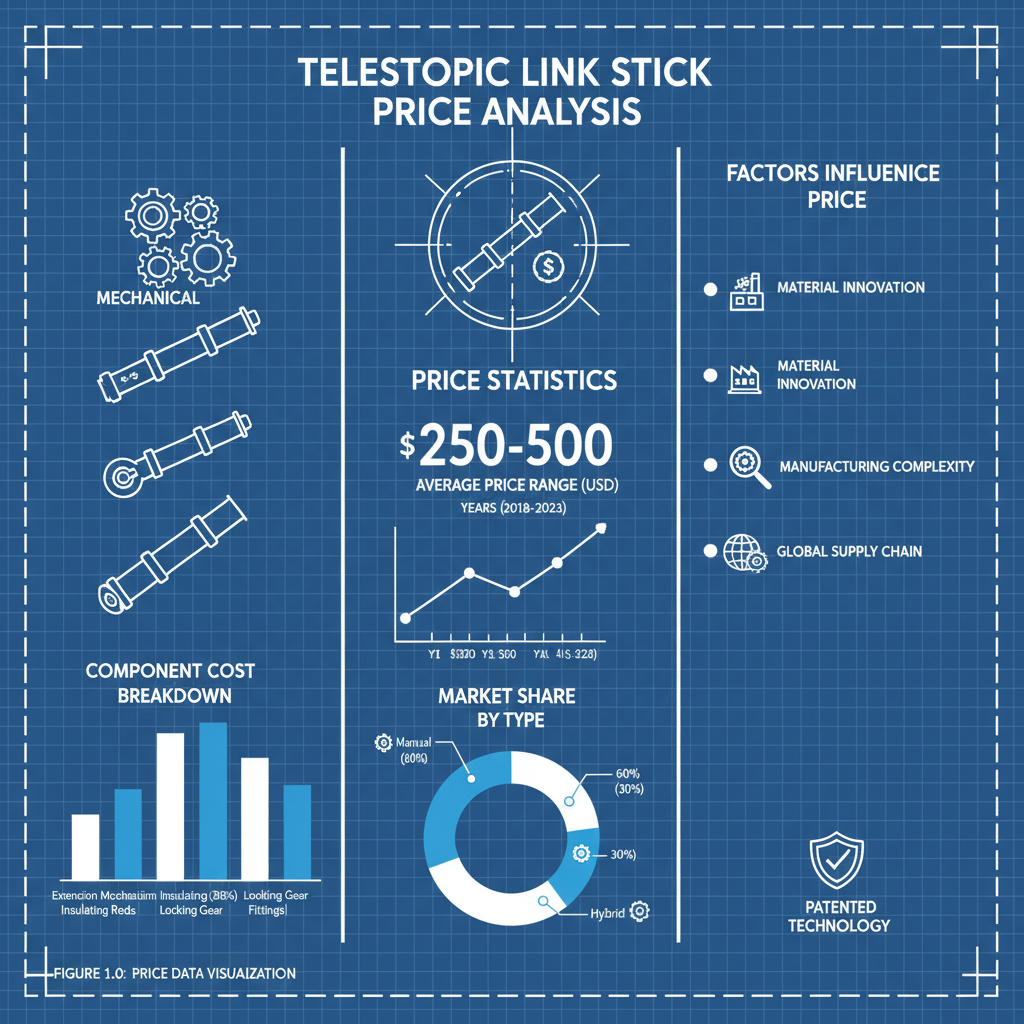
Several key factors contribute to the telescopic link stick price. The material used in construction is a primary driver – fiberglass options are typically more expensive than aluminum due to their superior strength and non-conductivity. Similarly, the length and extension capability affect the price; longer, multi-sectioned sticks command higher costs. Brand reputation and included features, such as specialized end attachments or ergonomic grips, also play a role. Finally, quantity purchased can significantly impact the unit price – bulk orders often qualify for discounts. Considering these factors will help you understand the value proposition of different options.
Key Considerations: Material, Length, Brand, Features, and Quantity all significantly affect the price point of telescopic link sticks.
Types of Telescopic Link Sticks and Their Price Ranges
The market offers a diverse range of telescopic link sticks, each designed for specific applications. Aluminum link sticks are generally the most affordable, starting around $50-$150, making them suitable for lighter-duty tasks. Fiberglass options, prized for their electrical insulation properties, typically range from $150-$400. Carbon fiber link sticks, the lightest and strongest, but also the most expensive, can exceed $400. Specialized link sticks with integrated tools or measurement capabilities may fall into the higher price brackets. Selecting the right type depends on your specific needs and budget constraints. At Bilopowtel, we offer a comprehensive selection to meet diverse requirements.
Telescopic Link Stick Types & Price Ranges:
• Aluminum: $50 - $150
• Fiberglass: $150 - $400
• Carbon Fiber: $400+
Comparing Materials: Aluminum vs. Fiberglass vs. Carbon Fiber
Each material offers distinct advantages and disadvantages. Aluminum is lightweight and cost-effective, but lacks the electrical insulation of fiberglass. Fiberglass is ideal for working near live electrical components but is heavier than aluminum. Carbon fiber provides the best strength-to-weight ratio and electrical insulation, but is the most expensive. Choosing the appropriate material depends on the application; for example, electrical work demands fiberglass or carbon fiber, while general construction may suffice with aluminum.
Applications and Ideal Link Stick Choices
Different industries require specific link stick features. For power line maintenance, a fiberglass or carbon fiber stick with a high dielectric strength is essential. Tree trimming benefits from lightweight aluminum sticks with extended reach. Construction sites may utilize aluminum or fiberglass options depending on proximity to electrical hazards. Understanding the application is key to selecting the appropriate tool and managing the telescopic link stick price effectively.
Where to Buy and What to Look for at Bilopowtel
At Bilopowtel, we offer a wide range of high-quality telescopic link sticks to suit various needs and budgets. When choosing a link stick, consider the material, length, extension mechanism, and any required accessories. Ensure the stick meets relevant safety standards and is certified for its intended application. We provide detailed product specifications and expert advice to help you make the right decision. We also offer competitive pricing and bulk discounts.
Conclusion: Choosing the Right Telescopic Link Stick
Understanding the factors influencing the telescopic link stick price and carefully evaluating your needs are crucial for making a smart investment. Bilopowtel offers a diverse selection of high-quality link sticks, expert guidance, and competitive pricing. Choose the right tool for the job and prioritize safety and efficiency.
Frequently Asked Questions (FAQs)
What is the typical lifespan of a telescopic link stick?
The lifespan of a telescopic link stick varies depending on usage and maintenance. Generally, with proper care, an aluminum stick can last 5-10 years, while fiberglass and carbon fiber sticks can last even longer, potentially exceeding 10 years. Regular inspection for cracks, corrosion, or damage to the locking mechanisms is crucial. Avoid exposing the stick to harsh chemicals or extreme temperatures. Replacing a damaged stick is essential for safety.
How do I properly maintain a telescopic link stick?
Regular maintenance extends the life of your link stick. After each use, clean the stick with a mild detergent and water, removing any dirt or debris. Inspect the locking mechanisms to ensure they are functioning properly and lubricate them as needed. Store the stick in a dry, protected environment, away from direct sunlight and extreme temperatures. Avoid dropping or subjecting the stick to excessive force.
Are telescopic link sticks suitable for all types of work?
While versatile, telescopic link sticks aren't suitable for all work. Always consider the application and the safety requirements. For electrical work, a fiberglass or carbon fiber stick is essential. For heavy-duty applications involving significant force, a more robust stick may be necessary. Always consult safety regulations and guidelines for your specific industry before using a telescopic link stick.
What safety precautions should I take when using a telescopic link stick?
Always wear appropriate personal protective equipment (PPE), including gloves, safety glasses, and a hard hat. Ensure the locking mechanisms are securely engaged before applying any force. Never exceed the weight capacity of the stick. Be aware of your surroundings and potential hazards, such as power lines or obstacles. If using a fiberglass stick near electrical sources, follow all relevant safety procedures.
Latest news
Precision Lifting and Pulling with the Lever Block 0.5 Ton Guide
NewsApr.16,2026
Precision Engineering Guide for High Performance Jet Lever
NewsApr.16,2026
Ultimate Guide to Choosing the Professional Industrial hoist lever
NewsApr.16,2026
Industrial Hoist Lever Chain Guide for Heavy Lifting and Rigging
NewsApr.16,2026
Industrial Lever Hoist Guide for Efficient Lifting and Pulling
NewsApr.16,2026
Ultimate Guide to Hand Ratchet Lift for Heavy Industrial Lifting
NewsApr.16,2026
- CONTACT
- ADDRESS: 188, Fengshou Road, Shijiazhuang. China
- EMAlL: info@bilopowtel.com
- PHONE: 0086-311-88862036
- WHATSAPP: 0086-152-26563165


