



Jan . 27, 2026 17:08 Back to list
The Essential Guide to Utility Hot Sticks Ensuring Electrical Worker Safety
Understanding the Utility Hot Stick: A Comprehensive Guide
The utility hot stick is an essential tool for electrical workers, ensuring safety when working near energized electrical equipment. This guide will cover the applications, features, safety considerations, and proper usage of hot sticks, providing a thorough understanding for professionals and those seeking to learn more about this vital safety equipment. Understanding how to safely and effectively use a hot stick is crucial for preventing electrical accidents.
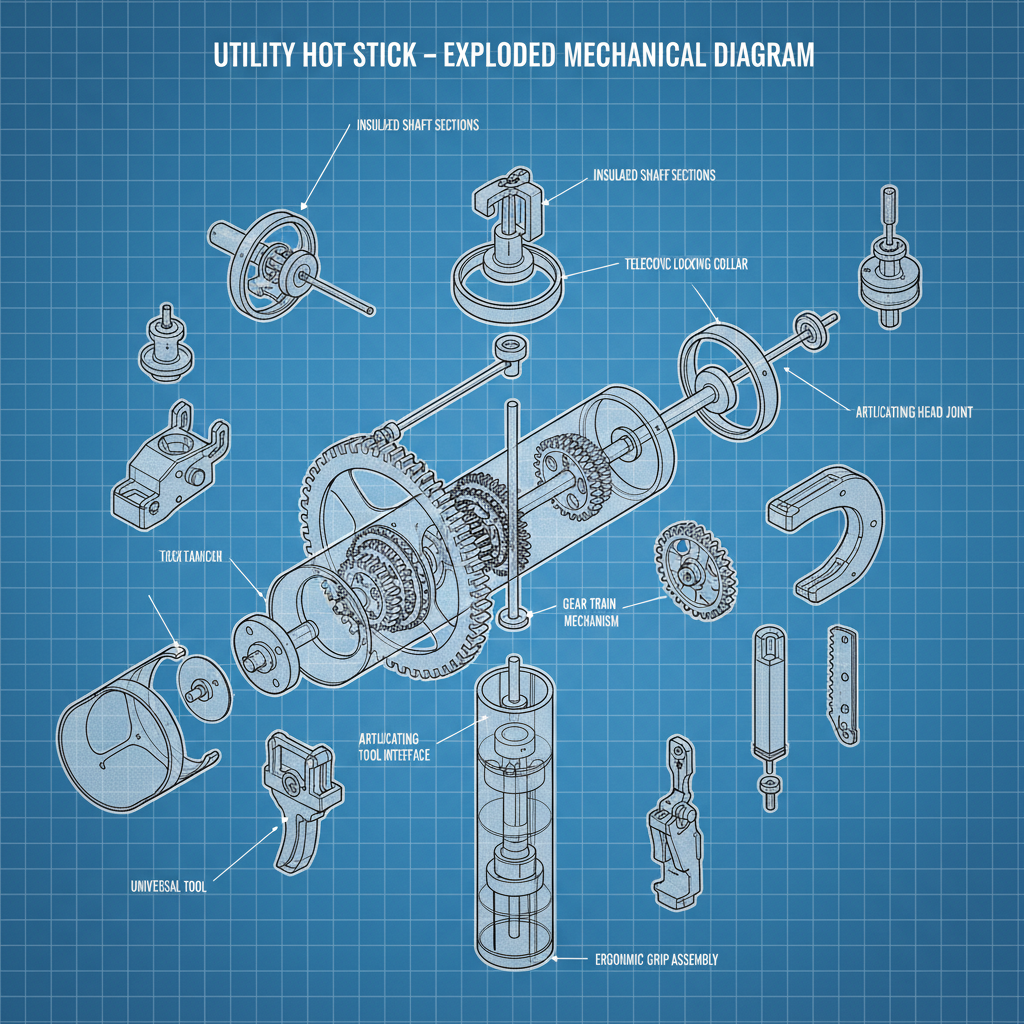
What is a Utility Hot Stick and Why is it Important?
A utility hot stick, also known as a live line stick, is a non-conductive tool used by linemen and other electrical professionals to manipulate electrical equipment remotely while it is still energized. This eliminates the need to de-energize lines, saving time and maintaining service continuity. The stick's primary purpose is to provide a safe working distance from live conductors, preventing accidental contact and the risk of electrocution. Proper use is paramount, as even a momentary lapse in concentration can have severe consequences. BiloPowtel provides high-quality hot sticks designed for optimal safety and performance.
Key Benefit: Hot sticks significantly reduce the risk of electrical accidents, allowing for safe work practices on energized equipment and minimizing service disruptions.
Common Applications of Utility Hot Sticks
Utility hot sticks are incredibly versatile tools used in a wide range of electrical work. Some common applications include: operating switches, sectionalizers, and reclosers; installing and removing jumpers and grounds; applying and removing protective covers; and performing voltage testing. They are also used for rescue operations, such as safely removing a worker who has accidentally come into contact with an energized line. The ability to perform these tasks without de-energizing the system is a huge advantage in maintaining reliable power delivery.
Application Examples:
• Operating sectionalizers in distribution systems
• Installing temporary grounds for maintenance
• Applying line covers for worker protection
• Performing energized line patrols
Comparing Utility Hot Stick Types: Fiberglass vs. Composite
Utility hot sticks are commonly made from two primary materials: fiberglass and composite materials. Fiberglass hot sticks are a traditional option, offering good strength and dielectric properties at a relatively lower cost. However, they can be heavier and more susceptible to damage from impact. Composite hot sticks, typically made from a blend of fiberglass and epoxy resins, offer superior strength-to-weight ratio, increased durability, and improved resistance to bending and breaking. They are often preferred for demanding applications where reliability is critical. Choosing the right material depends on your specific needs and budget. BiloPowtel offers both options to suit diverse requirements.
Safety Considerations When Using a Utility Hot Stick
Safety is paramount when working with energized electrical equipment. Always inspect the hot stick for any signs of damage before each use. This includes checking for cracks, chips, or delamination. Ensure the stick is clean and dry, as moisture can compromise its insulating properties. Maintain the proper working distance as specified by your company's safety procedures and regulatory standards. Never use a hot stick in windy conditions, as it can affect accuracy and control. Always wear appropriate personal protective equipment (PPE), including rubber gloves and sleeves, and follow all established safety protocols.
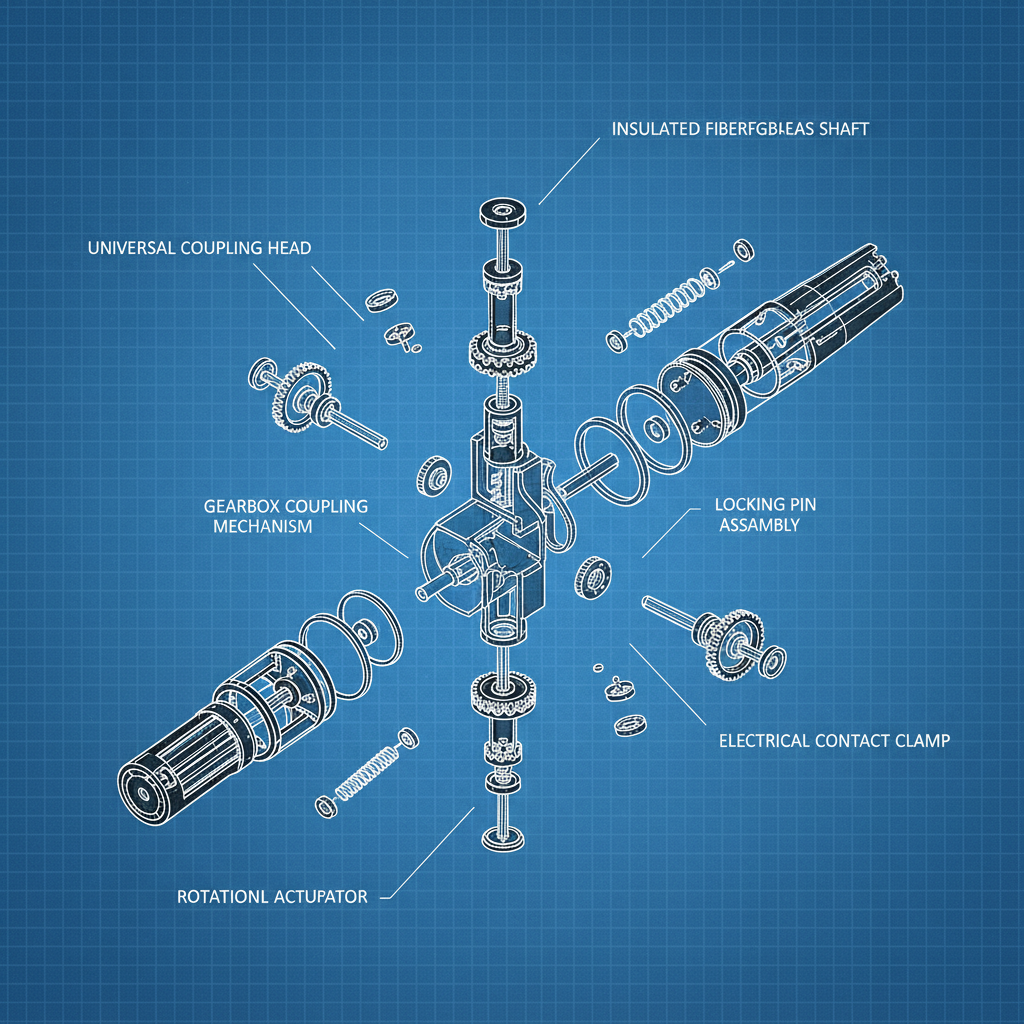
Proper Storage and Maintenance of Your Utility Hot Stick
Proper storage and maintenance are critical for ensuring the longevity and safety of your hot stick. Store the stick in a clean, dry, and protected environment, away from direct sunlight and extreme temperatures. Avoid storing it near corrosive materials or sharp objects that could cause damage. Regularly clean the stick with a mild detergent and water, and inspect it for any signs of wear or deterioration. Follow the manufacturer's recommendations for maintenance and testing schedules. A well-maintained hot stick is a reliable and safe tool for years to come.
Conclusion: Prioritizing Safety with Reliable Hot Sticks
Investing in a high-quality utility hot stick from a reputable supplier like BiloPowtel is a crucial step in ensuring the safety of electrical workers. Understanding the proper applications, safety considerations, and maintenance procedures will help minimize the risk of accidents and promote a safe working environment. Remember, safety should always be the top priority.
Frequently Asked Questions (FAQs)
What voltage rating should I look for in a hot stick?
The voltage rating of a hot stick should always exceed the maximum voltage of the system you will be working on. Hot sticks are typically rated for specific voltage levels, such as 10kV, 20kV, or higher. It's crucial to select a stick with a rating that provides an adequate safety margin. Consult with your safety manager or refer to industry standards to determine the appropriate voltage rating for your application. Using a hot stick with an insufficient voltage rating is extremely dangerous.
How often should a hot stick be inspected?
Hot sticks should be inspected before each use and regularly according to your company’s safety procedures, typically annually. Inspections should include a visual check for any signs of damage, such as cracks, chips, or delamination. Additionally, dielectric testing should be performed periodically to verify the stick’s insulating properties. Detailed inspection records should be maintained to track the condition of each stick.
What is the proper way to clean a hot stick?
Clean a hot stick with mild soap and water, and avoid using abrasive cleaners or solvents that could damage the material. Rinse thoroughly and allow it to air dry completely before storing. Inspect the stick again after cleaning to ensure no damage occurred during the process. Never use a hot stick if it is wet or contaminated.
Can a composite hot stick be repaired if it’s damaged?
Generally, composite hot sticks should not be repaired if damaged. Damage to the composite material can compromise its structural integrity and insulating properties. A damaged hot stick should be taken out of service and disposed of properly. Attempting to repair a hot stick could create a hazardous situation. Always replace damaged hot sticks with new ones from a reliable supplier like BiloPowtel.
Latest news
Precision Lifting and Pulling with the Lever Block 0.5 Ton Guide
NewsApr.16,2026
Precision Engineering Guide for High Performance Jet Lever
NewsApr.16,2026
Ultimate Guide to Choosing the Professional Industrial hoist lever
NewsApr.16,2026
Industrial Hoist Lever Chain Guide for Heavy Lifting and Rigging
NewsApr.16,2026
Industrial Lever Hoist Guide for Efficient Lifting and Pulling
NewsApr.16,2026
Ultimate Guide to Hand Ratchet Lift for Heavy Industrial Lifting
NewsApr.16,2026
- CONTACT
- ADDRESS: 188, Fengshou Road, Shijiazhuang. China
- EMAlL: info@bilopowtel.com
- PHONE: 0086-311-88862036
- WHATSAPP: 0086-152-26563165


