



Jan . 27, 2026 17:08 Back to list
Understanding Arc Force and Hot Start for Enhanced Welding Performance
Understanding Arc Force and Hot Start in Welding
Welding, a cornerstone of numerous industries, involves complex processes demanding meticulous safety measures. Two critical aspects of welding safety relate to the potential for thermal hazards: arc force and hot start. Understanding these phenomena is vital for welders to mitigate risks and produce high-quality welds. This article will delve into these concepts, explaining their causes, effects, and how to manage them effectively. Properly addressing arc force and hot start can significantly improve weld quality and welder safety.
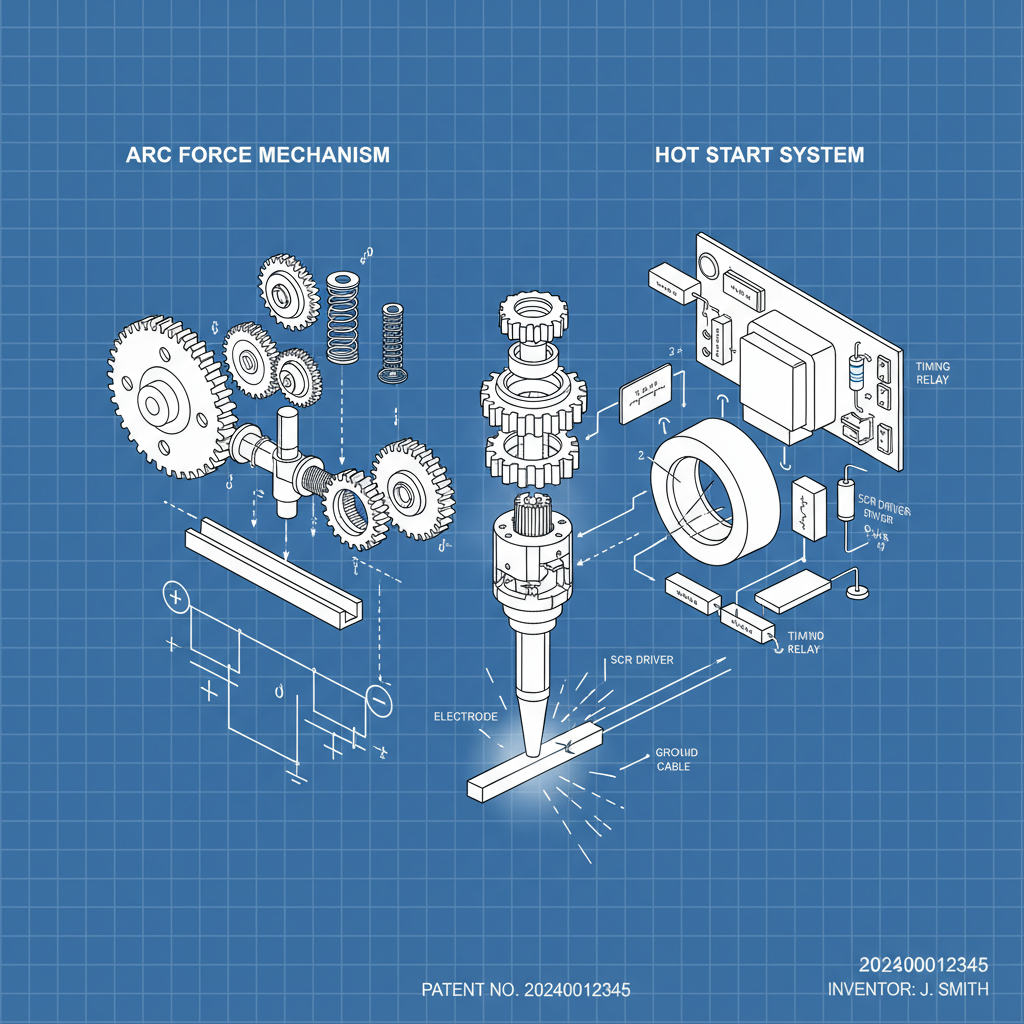
What is Arc Force?
Arc force, also known as 'dig,' is the intentional increase in welding current when the arc length decreases. This is a built-in feature in many welding machines, particularly stick (SMAW) and TIG (GTAW) welders. The purpose is to prevent the electrode from sticking to the workpiece when the arc length becomes too short. When the electrode gets close to the metal, arc force automatically boosts the amperage, essentially 'digging' into the material. While beneficial in preventing sticking, excessive arc force can lead to spatter, undercut, and reduced weld quality. It’s a delicate balance between maintaining the arc and controlling the welding process. Bilopowtel offers advanced welding solutions designed to optimize arc force control.
Key Takeaway: Arc force is a built-in safety feature that increases amperage when the arc length is too short, preventing electrode sticking, but excessive force can degrade weld quality.
Delving into Hot Start
Hot start, similar to arc force, is another feature incorporated into many welding machines, primarily for stick welding. It delivers a surge of current at the very beginning of the weld, specifically when striking the arc. This surge helps to quickly melt the electrode and establish a stable arc, particularly useful when welding thicker materials or using electrodes that are difficult to start. Without hot start, a cold start can result in inconsistent arc initiation and poor weld penetration. However, similar to arc force, excessive hot start can cause issues like burn-through and spatter. Bilopowtel's welding equipment provides precise control over hot start settings.
Hot Start Benefits:
• Quick arc initiation
• Improved penetration, especially on thicker materials
• Easier welding with difficult-to-start electrodes
Arc Force vs. Hot Start: A Direct Comparison
While both arc force and hot start are current-boosting features, they operate at different phases of the welding process. Arc force is reactive – it responds to a shortening arc length during welding. Hot start is proactive – it delivers a surge of current at the initiation of the weld. Understanding this key difference is crucial for proper setting adjustment. Misunderstanding these settings can lead to significant flaws in the weld, including porosity, lack of fusion, and excessive spatter.
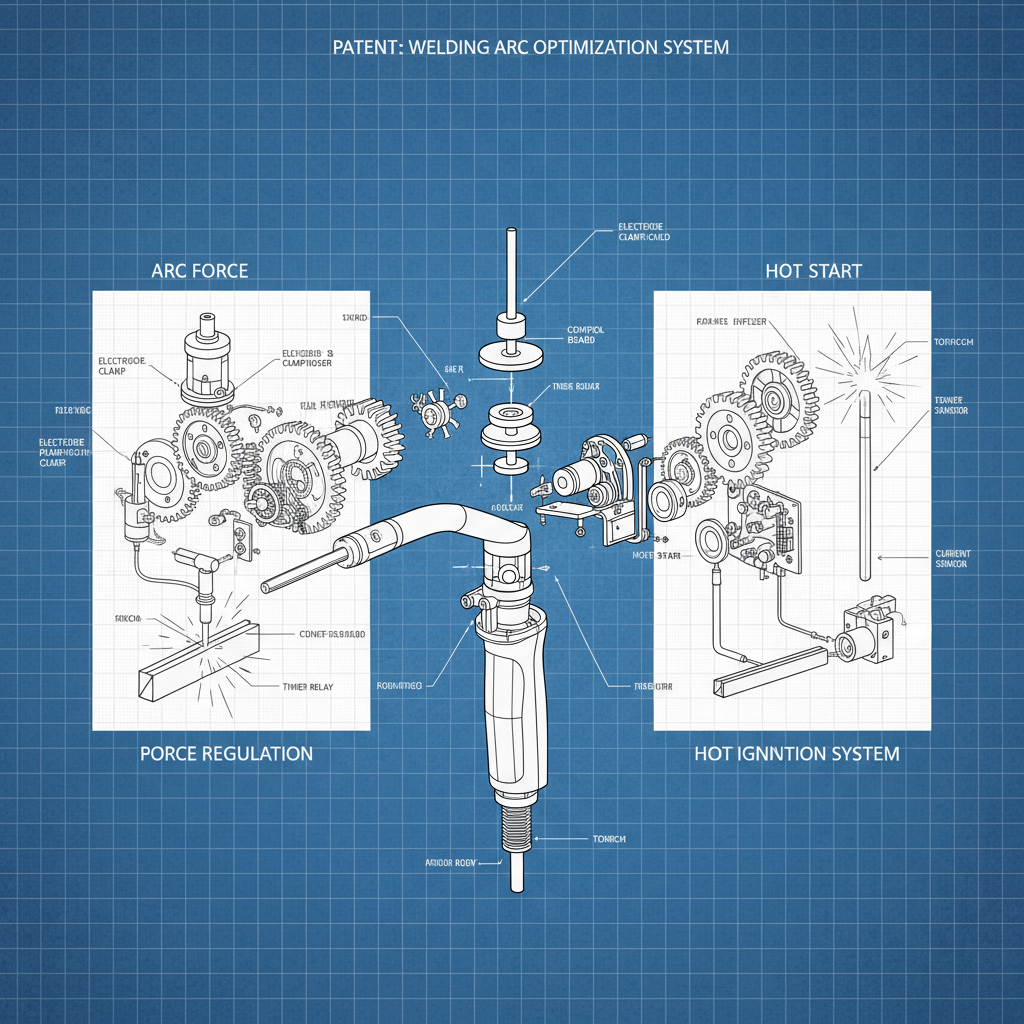
Optimizing Settings for Different Materials and Electrodes
The optimal settings for arc force and hot start depend heavily on the material being welded, the electrode type, and the welding position. Thicker materials generally require higher settings, while thinner materials need lower settings. Similarly, certain electrodes, like those with high cellulose content, may require more hot start assistance. Experimentation and careful observation are key to finding the sweet spot. Bilopowtel provides detailed guides and resources to help welders fine-tune these settings for optimal performance.
Safety Considerations and Best Practices
When dealing with arc force and hot start, prioritize safety. Always wear appropriate personal protective equipment (PPE), including a welding helmet with the correct shade lens, gloves, and fire-resistant clothing. Be mindful of the increased spatter potential associated with higher settings, and ensure the surrounding area is free of flammable materials. Regularly inspect your welding equipment and follow manufacturer’s recommendations for maintenance. Bilopowtel is committed to providing safe and reliable welding solutions.
Conclusion: Mastering Arc Force and Hot Start
Understanding and effectively managing arc force and hot start are essential skills for any welder. By recognizing their functions, understanding their potential drawbacks, and practicing proper setting adjustments, welders can achieve superior weld quality, improve safety, and increase efficiency. Investing in quality welding equipment, such as those offered by Bilopowtel, provides the control and precision needed to master these critical techniques.
Frequently Asked Questions (FAQs)
What happens if the arc force setting is too high?
If the arc force is set too high, it can lead to several welding issues. You might experience excessive spatter, which creates a messy work environment and wastes material. It can also cause undercut, where the weld metal doesn't properly fuse with the base metal, weakening the joint. Furthermore, it can create a choppy, inconsistent weld bead. It's best to start with a lower setting and gradually increase it until you achieve a stable arc without these negative effects.
Is hot start necessary for all types of stick electrodes?
No, hot start isn’t always necessary. Some electrodes, particularly those designed for easier arc starting, may not require a significant hot start boost. In fact, using too much hot start with these electrodes can lead to burn-through or excessive spatter. Electrodes with a higher cellulose content generally benefit more from hot start, as cellulose helps to stabilize the arc. The ideal setting depends on the specific electrode type and the material you're welding.
How can I troubleshoot a unstable arc even with arc force and hot start adjustments?
If you’re experiencing an unstable arc despite adjusting arc force and hot start, several other factors could be at play. Ensure your ground clamp is securely connected to a clean, rust-free surface. Check the electrode for moisture or damage. Verify that your welding machine is set to the correct voltage and amperage for the electrode size and material thickness. If the problem persists, consider the possibility of a machine malfunction and consult a qualified technician. Bilopowtel offers expert support and maintenance services.
Can arc force and hot start be used on TIG welding?
While the terminology might be slightly different, similar functionalities exist in TIG welding. TIG machines often have settings for "arc control" which resembles arc force, helping to maintain a stable arc length during welding. They may also have features like "pulse" settings which can provide a similar boost to arc initiation as hot start. However, these settings are typically more nuanced and require finer adjustments compared to stick welding.
Latest news
Precision Lifting and Pulling with the Lever Block 0.5 Ton Guide
NewsApr.16,2026
Precision Engineering Guide for High Performance Jet Lever
NewsApr.16,2026
Ultimate Guide to Choosing the Professional Industrial hoist lever
NewsApr.16,2026
Industrial Hoist Lever Chain Guide for Heavy Lifting and Rigging
NewsApr.16,2026
Industrial Lever Hoist Guide for Efficient Lifting and Pulling
NewsApr.16,2026
Ultimate Guide to Hand Ratchet Lift for Heavy Industrial Lifting
NewsApr.16,2026
- CONTACT
- ADDRESS: 188, Fengshou Road, Shijiazhuang. China
- EMAlL: info@bilopowtel.com
- PHONE: 0086-311-88862036
- WHATSAPP: 0086-152-26563165


