TEL:0086-311-88862036
logo
English
logo
Email:info@bilopowtel.com
TEL:
0086-311-88862036

High-Precision duct rod Solutions for Japan's Urban Infrastructure

Engineering advanced cable installation systems tailored for the rigorous density and safety standards of the Japanese telecommunications and power grids.

High-Precision duct rod Solutions for Japan's Urban Infrastructure

Our specialized metal tool manufacturing processes ensure that every piece of equipment meets the extreme reliability required for Japan's subterranean utility networks.

The Landscape of Utility Installation in Japan

Analyzing the intersection of seismic requirements and urban density in the metal tools sector.

In Japan, the deployment of cable pulling equipment is heavily influenced by the extreme urban density of cities like Tokyo and Osaka. Space is at a premium, and utility conduits are often intricately woven beneath historic streets, requiring tools that offer maximum flexibility and minimal friction.

Furthermore, Japan's unique geography—characterized by high seismic activity—demands that all construction power tools be engineered for rapid deployment and recovery. The need for "disaster-resilient" infrastructure means that installation tools must support the laying of reinforced, high-durability cabling without compromising the integrity of the conduit.

Economically, the Japanese market prioritizes "Kaizen" (continuous improvement), pushing the metal tool manufacturing industry toward zero-defect production. This environment creates a high barrier to entry, where only the most precise cable pulling tools that can withstand corrosive coastal humidity and underground moisture are accepted.
Evolution of Cable Installation Technology

From manual labor to automated precision in the Japanese utility sector.

Market Development History

During the post-war reconstruction era (1950s-1970s), cable pulling in Japan relied heavily on manual steel tapes and basic mechanical winches. The focus was on sheer capacity to build the initial national grid, with little regard for the specialized friction reduction required for delicate fiber optics.

The 1990s marked a pivotal shift with the "Fiber-to-the-Home" (FTTH) boom. This era saw the introduction of reinforced polymer duct rod systems, replacing heavy steel with lightweight, high-tensile materials that could navigate the tight bends of Japanese urban conduits.

Entering the 2010s, the integration of digital tension monitoring and high-strength Cable socks became standard. The shift moved from "brute force" pulling to "calculated tension" pulling to prevent signal loss in high-speed data cables.

Future Development Trends

Smart Tension Sensing

Integration of IoT sensors into pulling equipment to provide real-time feedback on cable stress, reducing the risk of breakage in complex Japanese metropolitan junctions.

Composite Material Innovation

Development of carbon-fiber reinforced tools that offer the rigidity of steel with a fraction of the weight, catering to the aging workforce in Japan's construction sector.

Robotic Conduit Exploration

The emergence of micro-robotic probes that precede the duct rod to map blockages in old city pipes, eliminating guesswork and reducing project timelines.

Future Horizons of Cable Engineering

Strategic predictions for the next 3-5 years based on Japanese infrastructure trends.

Eco-Friendly Materials
Shift toward biodegradable or fully recyclable polymers in duct rod production to meet Japan's strict Green Procurement laws.
AI-Driven Path Optimization
Using AI to analyze historic city maps and predict the easiest pull-paths, reducing the wear and tear on cable pulling equipment.
Ultra-Low Friction Coatings
Application of nano-coatings to Cable socks and rods to minimize heat generation during long-distance pulls in high-temp environments.
Ergonomic Hybrid Tools
Design of power tools that combine electric assistance with manual precision to reduce worker fatigue in tight spaces.

Industry Outlook

Google search trends in the Asia-Pacific region indicate a rising demand for "sustainable infrastructure" and "automated utility installation." In Japan, this translates to a market that no longer values only the strength of a tool, but its intelligence and environmental footprint.

We anticipate that by 2028, the convergence of 6G rollout and urban renewal projects will create a surge in demand for high-specification construction power tools that can handle the denser, more complex cable bundles required for next-generation connectivity.

Localized Application Scenarios in Japan

Real-world deployment of professional metal tools in challenging Japanese environments.

01. Tokyo Metro Fiber Expansion

Utilizing high-flexibility duct rod systems to install high-capacity fiber optics within the narrow, existing conduits of the Tokyo subway network without interrupting daily operations.

02. Kyoto Historic District Preservation

Employing low-vibration construction power tools for underground cable routing in Kyoto's ancient districts, ensuring that traditional wooden structures are not disturbed by seismic shock.

03. Tohoku Seismic Recovery Grid

Deploying heavy-duty cable pulling equipment to rebuild resilient power grids in the Tohoku region, designed to withstand extreme weather and ground shifts.

04. Osaka Waterfront Industrial Hubs

Applying salt-spray resistant Cable socks for the installation of heavy power cables in coastal industrial zones, preventing corrosion during the pulling process.

05. Nagoya Smart City Pilot Project

Integrating precision cable pulling tools for the deployment of 5G small-cell networks across urban street furniture, requiring rapid, non-invasive installation.

Brand Story

Global Development Journey of Shijiazhuang Bilopow Import and Export Trade Co., Ltd.

Foundation of Precision

Established with a vision to solve the "friction crisis" in cable installation, Bilopow began by mastering the metallurgy required for high-tensile pulling tools.

Technological Breakthrough

We developed a proprietary polymer-metal bonding process, creating duct rods that offer unprecedented durability and flexibility for urban environments.

Entering the Japanese Market

By aligning our quality control with Japanese JIS standards, Bilopow successfully penetrated one of the world's most demanding utility tool markets.

Global Infrastructure Partner

Expanding beyond Asia, we now provide critical pulling solutions for smart city projects and undersea cable landings worldwide.

Commitment to the Future

Our mission remains clear: to eliminate installation failures and maximize the efficiency of global connectivity through engineering excellence.

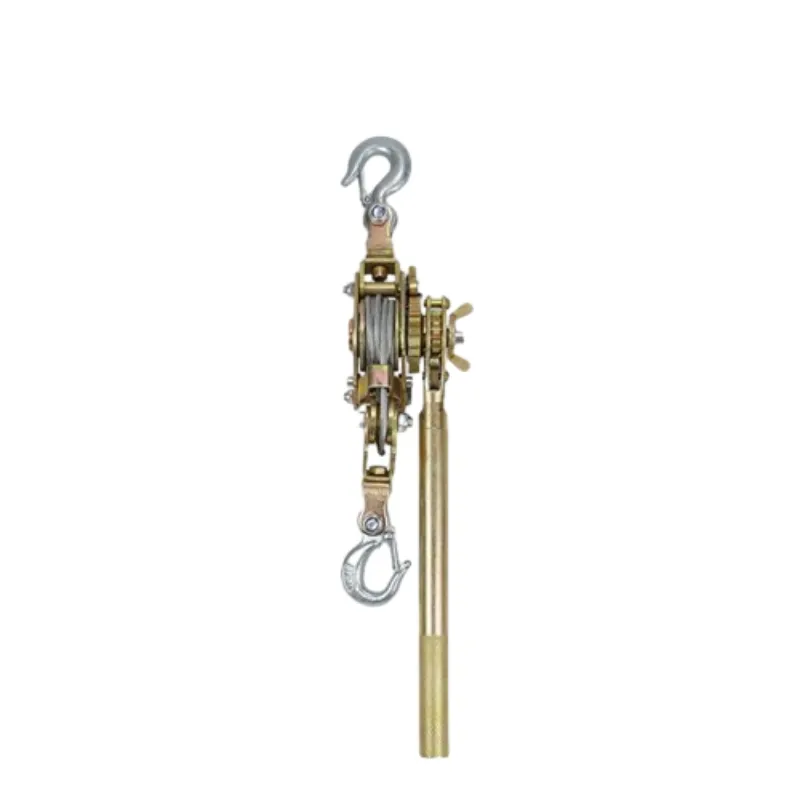
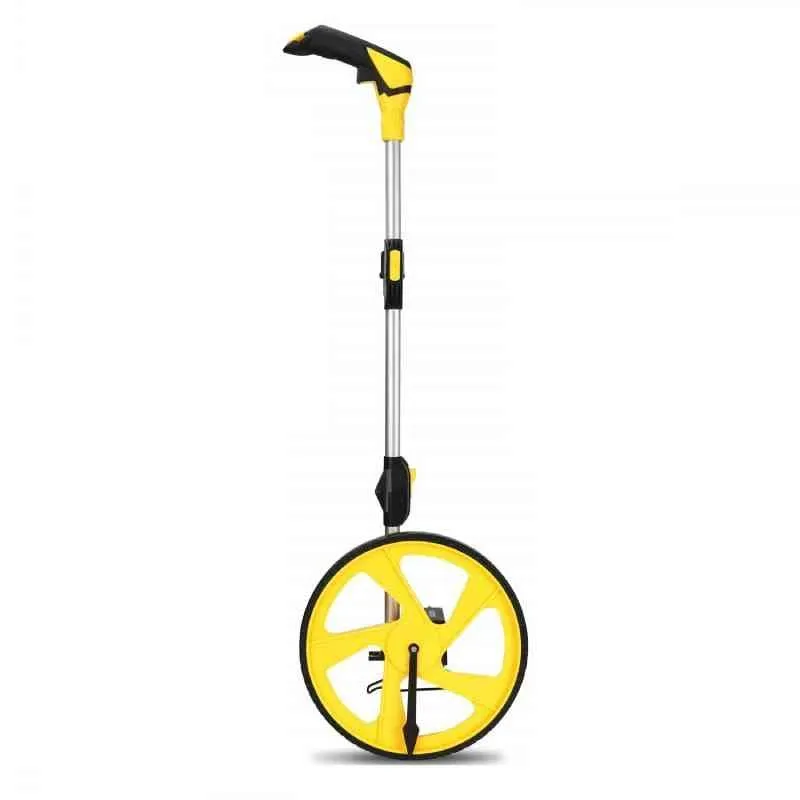
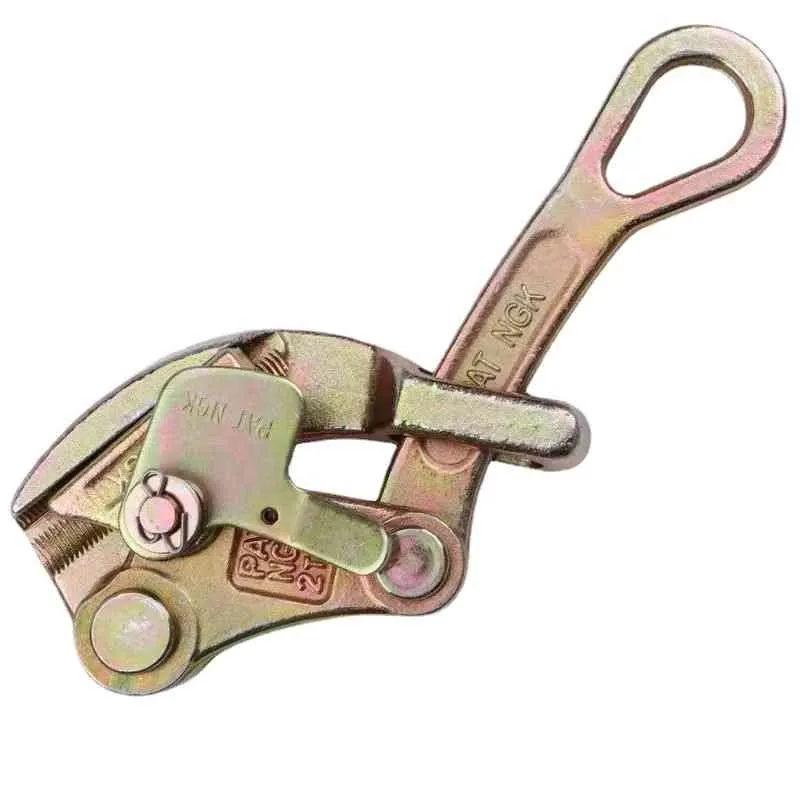
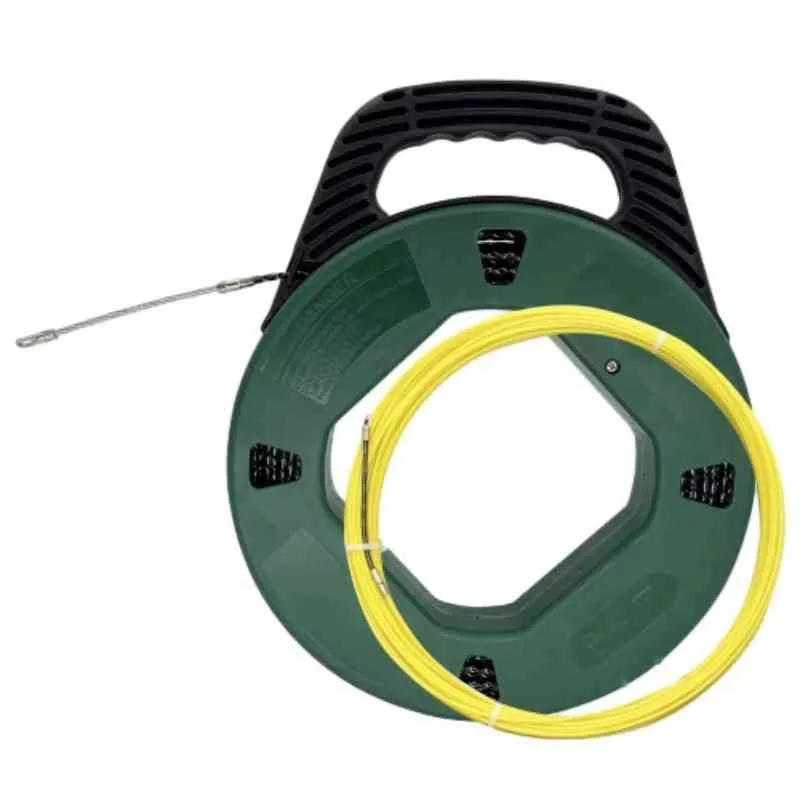
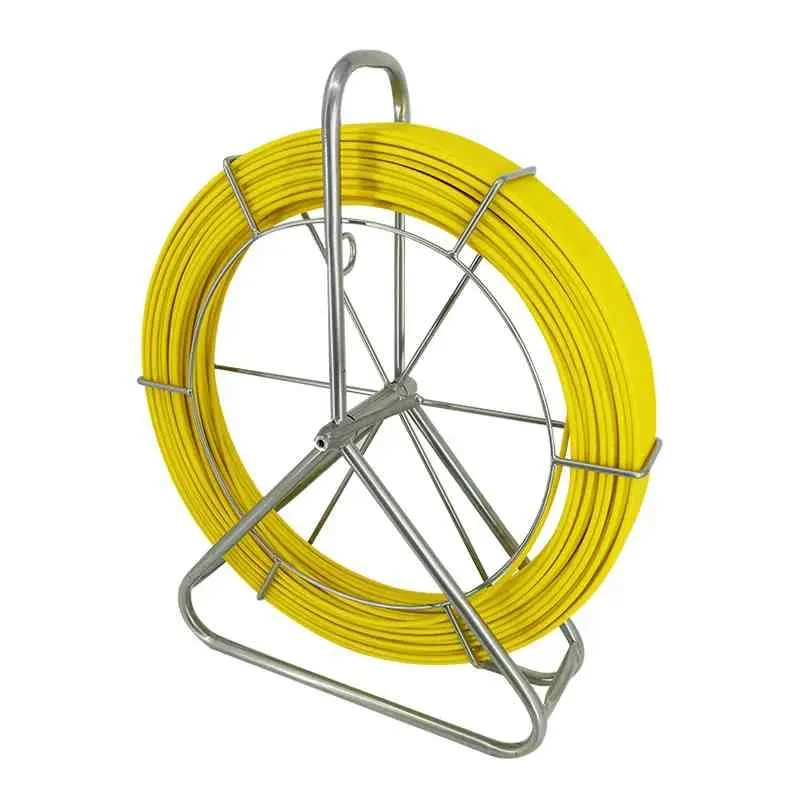
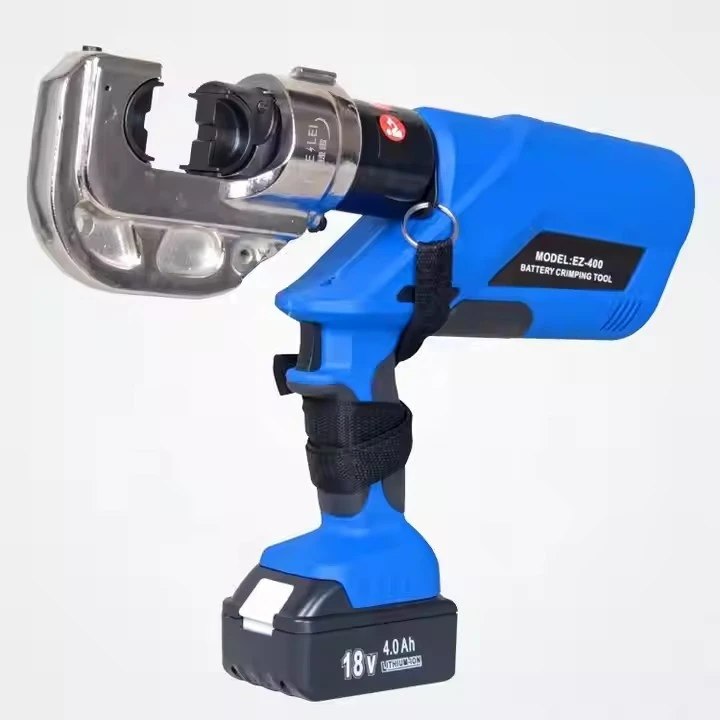
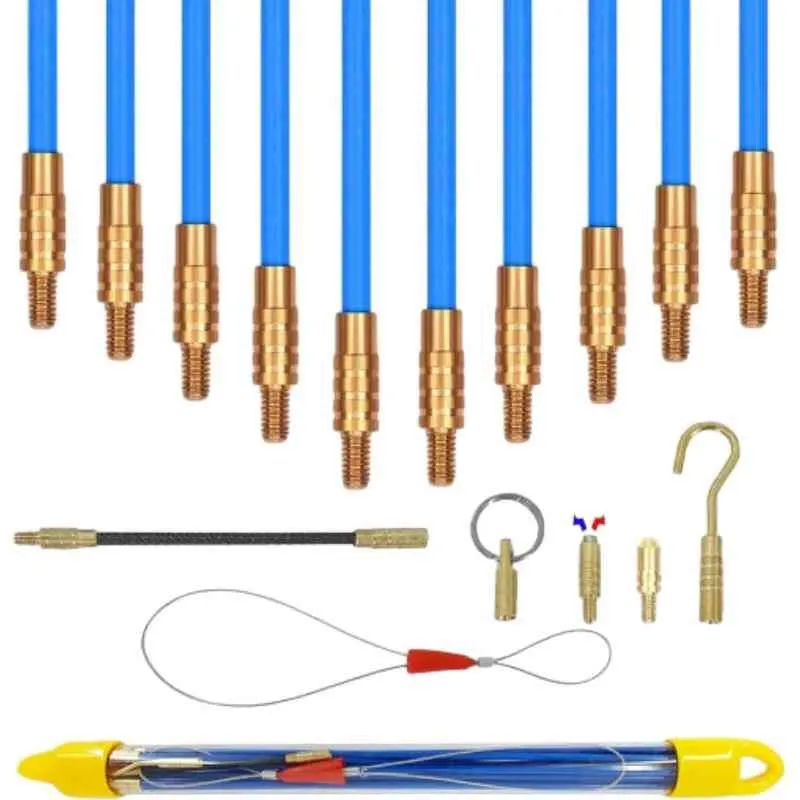
Comprehensive Cable Tool Suite for the Japanese Market

A curated selection of professional-grade equipment designed for the unique demands of Japan's infrastructure.

Common Inquiries from Japan's Utility Engineers

Technical answers to the most frequent challenges in cable installation.

How do your cable pulling tools handle the tight bends in Tokyo's old conduits?

Our tools use a graded flexibility core, allowing the rod to maintain structural integrity while navigating bends as tight as 15cm radius, specifically designed for dense urban layouts.

Are your construction power tools compliant with Japanese noise regulations?

Yes, our power equipment is engineered with sound-dampening housings to meet the strict decibel limits required for residential and commercial zones in Japan.

What is the maximum tensile strength of your professional duct rod systems?

Depending on the model, our rods support tensile loads from 2kN up to 10kN, ensuring they can pull heavy-duty bundles without snapping under pressure.

How do Cable socks prevent jacket damage on high-end fiber optics?

Our socks utilize a dual-weave high-tenacity polyester that distributes pulling force evenly across the cable surface, eliminating localized stress points.

Can your cable pulling equipment be integrated with digital tension meters?

Absolutely. Our equipment features standardized attachment points compatible with most leading digital tension monitoring systems used in Japan.

Do you provide certifications for tools used in disaster-recovery projects?

Yes, all our products undergo rigorous stress testing and we provide full material certification to ensure compliance with emergency infrastructure standards.

Expert Consultation for Japan's Infrastructure

Partner with a leader in metal tool manufacturing to optimize your utility projects in Japan. Let us help you navigate the complexities of urban cable installation.

Contact Us Now
logo
BlLo lmport & Éxport is specialized in power and cable equipment andconsiruction tools,Qur main producis are FRP duct rodder, cable rollerscable pulling winch, cable drum jack, cable pulling sock, etc.

If you are interested in our products, you can choose to leave your information here, and we will be in touch with you shortly.