



Feb . 11, 2026 01:45 Back to list
Fiberglass Telescoping Hot Stick Solutions for Electrical Safety and Efficiency
Understanding Telescoping Hot Sticks: Fiberglass Construction and Applications
When working with or near live electrical equipment, safety is paramount. Telescoping hot sticks, particularly those constructed from fiberglass, provide a crucial layer of protection for linemen and electrical workers. These tools allow for remote operation of switches, fuses, and other electrical components, minimizing the risk of direct contact with hazardous voltages. This article will explore the benefits of fiberglass telescoping hot sticks, their applications, key features, and considerations when choosing the right tool for the job. We will delve into why Bilo Powtel's fiberglass hot sticks are a trusted choice for professionals.
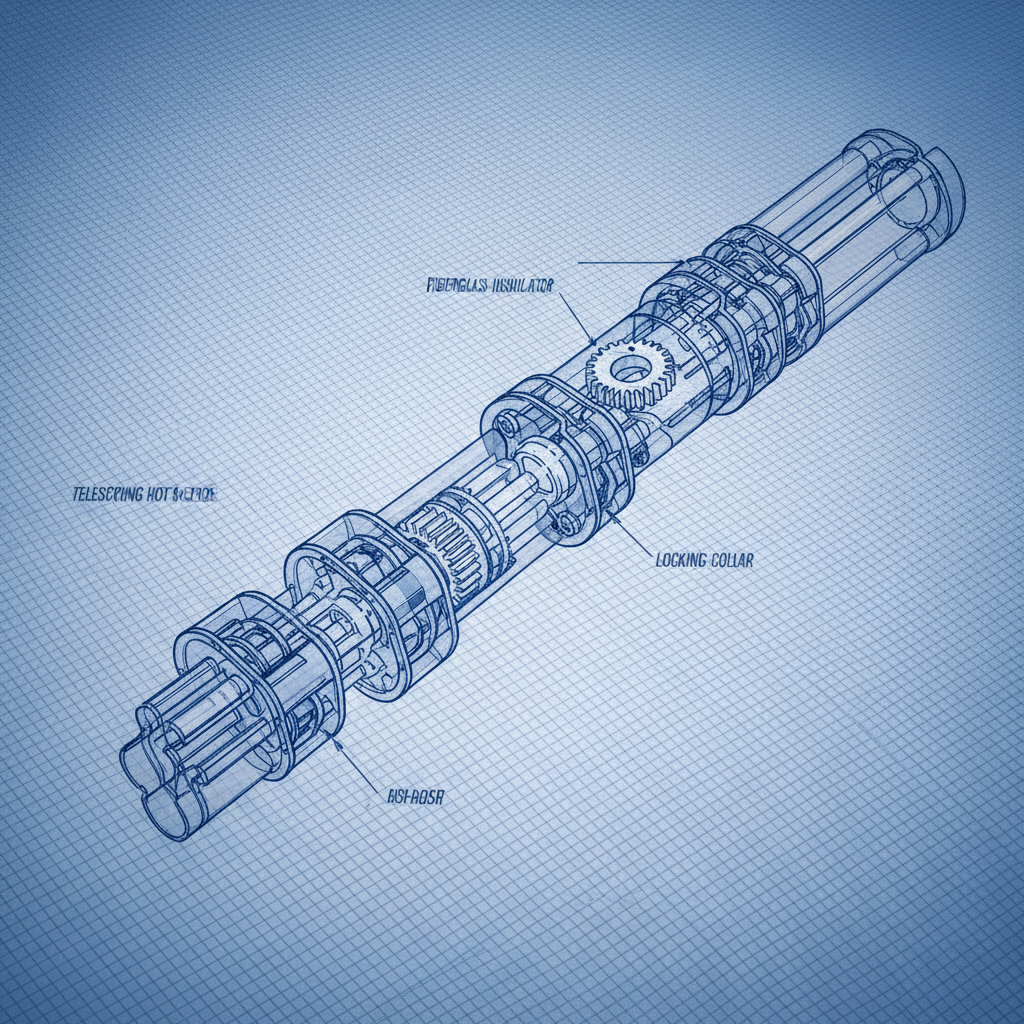
Why Fiberglass? The Advantages of Fiberglass Telescoping Hot Sticks
Fiberglass is the material of choice for telescoping hot sticks due to its exceptional non-conductive properties. Unlike metal, fiberglass does not transmit electricity, providing a critical safety barrier between the worker and the energized equipment. Beyond safety, fiberglass offers several advantages, including lightweight construction for ease of handling, high strength-to-weight ratio for durability, and resistance to corrosion and weathering. These factors contribute to a longer service life and reduced maintenance costs. Bilo Powtel utilizes high-quality fiberglass in their hot sticks to ensure optimal performance and reliability.
Key Highlights: Fiberglass doesn’t conduct electricity, offering crucial safety; it's lightweight and durable; and exhibits excellent resistance to corrosion and weathering.
Applications of Telescoping Hot Sticks
Telescoping hot sticks find widespread use in various electrical applications. Common uses include operating sectionalizers, reclosers, and disconnect switches; hot-sticking line splices; performing voltage testing; and applying grounding cables. Their extendable design allows workers to reach equipment at varying heights without the need for ladders or bucket trucks, enhancing safety and efficiency. From utility companies to industrial facilities, these tools are essential for maintaining electrical infrastructure. Bilo Powtel's range of hot sticks caters to diverse application needs.
Common Applications:
• Operating sectionalizers and reclosers
• Hot-sticking line splices
• Voltage testing
• Applying grounding cables
Fiberglass Telescoping Hot Stick vs. Wood Hot Sticks: A Comparison
Historically, wood hot sticks were the standard for remote electrical operation. However, fiberglass offers significant advantages over wood. Wood can absorb moisture, reducing its dielectric strength and increasing the risk of electrical conduction. Fiberglass, on the other hand, maintains its insulating properties even in wet conditions. Fiberglass is also lighter and more durable than wood, requiring less maintenance and providing a longer service life. The superior safety and performance characteristics of fiberglass make it the preferred material for modern hot stick construction.
Choosing the Right Telescoping Hot Stick: Key Considerations
Selecting the appropriate telescoping hot stick depends on the specific application and voltage requirements. Consider the length needed to safely reach the equipment, the working voltage, and the type of accessories required. Ensure the hot stick is certified to meet relevant safety standards, such as ASTM F711. Regular inspection and maintenance are crucial to ensure continued safe operation. Bilo Powtel offers a wide variety of hot sticks with different lengths and voltage ratings to meet diverse needs.
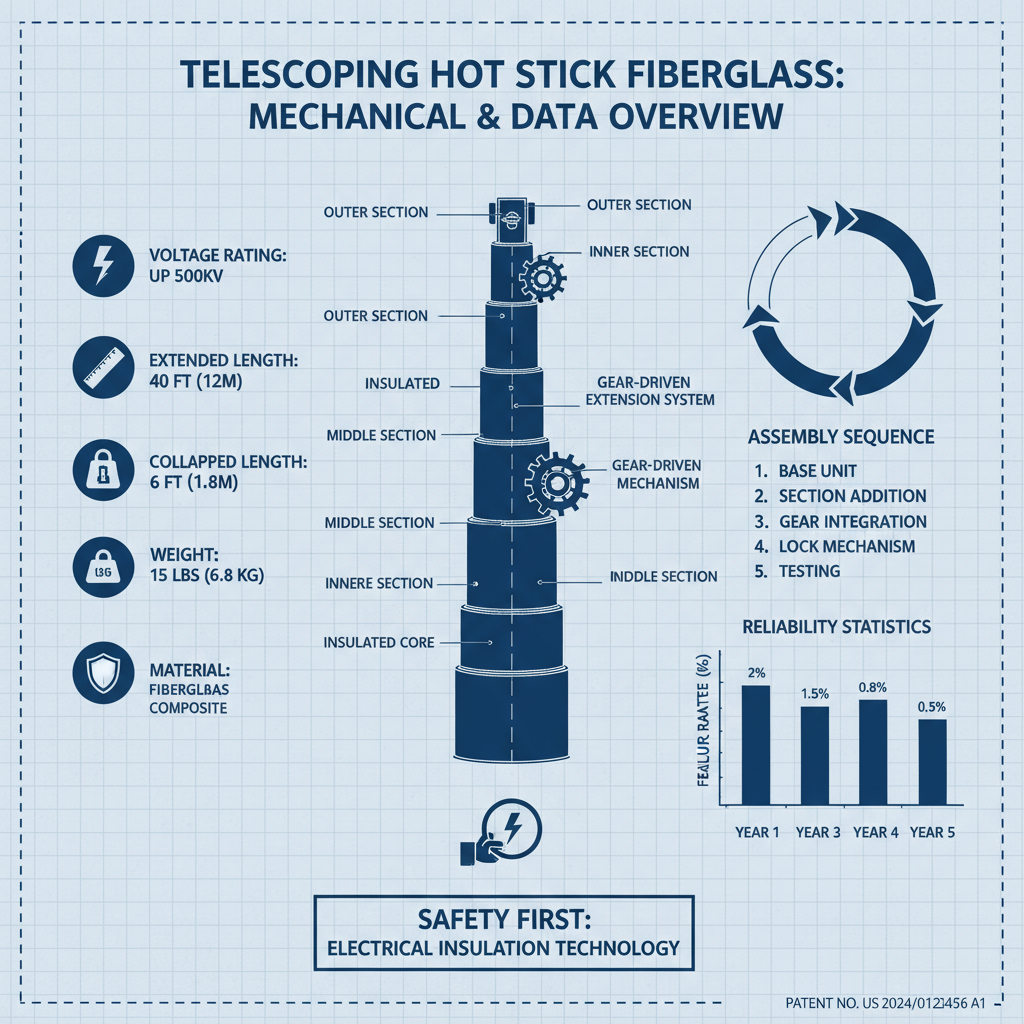
Product Specifications: Bilo Powtel Telescoping Hot Stick (Example)
Here's an example of specifications for a common Bilo Powtel telescoping hot stick:
Conclusion: Prioritizing Safety with Quality Hot Sticks
Investing in high-quality telescoping hot sticks like those offered by Bilo Powtel is a crucial step in ensuring the safety of electrical workers. Fiberglass construction, combined with adherence to industry standards, provides a reliable and durable solution for remote electrical operations. Choosing the right tool for the job and implementing proper maintenance procedures are paramount to minimizing risk and maintaining a safe working environment.
Frequently Asked Questions (FAQs)
What safety precautions should be taken when using a telescoping hot stick?
Always inspect the hot stick for any damage before each use, including cracks, blisters, or contamination. Wear appropriate personal protective equipment (PPE), including rubber gloves and sleeves, even when using a hot stick. Maintain the minimum approach distance specified for the voltage being worked on. Never use a hot stick in windy conditions or near obstructions. Ensure proper grounding procedures are followed. Training and competency are essential – only qualified personnel should operate hot sticks.
How often should a fiberglass hot stick be inspected?
Fiberglass hot sticks should be inspected before each use and regularly (e.g., monthly) for any signs of damage or deterioration. Look for cracks, blisters, splinters, or contamination that could compromise the insulating properties. A thorough inspection should also include checking the locking mechanisms and the condition of any accessories. Any damaged hot stick should be immediately taken out of service and repaired or replaced.
What is the importance of ASTM F711 certification?
ASTM F711 is a standard specification for fiberglass-reinforced plastic (FRP) insulated aerial tools. Certification to this standard ensures that the hot stick has been tested and meets specific requirements for dielectric strength, mechanical strength, and other safety parameters. Using hot sticks certified to ASTM F711 provides confidence that the tool will perform as intended and offer adequate protection against electrical hazards.
What is the correct way to store a telescoping hot stick?
Store hot sticks in a clean, dry location away from direct sunlight, extreme temperatures, and corrosive chemicals. Ensure they are supported to prevent bending or damage. Avoid storing them in a way that could expose them to physical impact. Regularly clean the hot stick to remove any dirt or contaminants that could affect its insulating properties.
Latest news
Precision Lifting and Pulling with the Lever Block 0.5 Ton Guide
NewsApr.16,2026
Precision Engineering Guide for High Performance Jet Lever
NewsApr.16,2026
Ultimate Guide to Choosing the Professional Industrial hoist lever
NewsApr.16,2026
Industrial Hoist Lever Chain Guide for Heavy Lifting and Rigging
NewsApr.16,2026
Industrial Lever Hoist Guide for Efficient Lifting and Pulling
NewsApr.16,2026
Ultimate Guide to Hand Ratchet Lift for Heavy Industrial Lifting
NewsApr.16,2026
- CONTACT
- ADDRESS: 188, Fengshou Road, Shijiazhuang. China
- EMAlL: info@bilopowtel.com
- PHONE: 0086-311-88862036
- WHATSAPP: 0086-152-26563165


