



Feb . 11, 2026 01:45 Back to list
Comprehensive Guide to Telescopic Hot Stick Price and Optimal Selection
Understanding Telescopic Hot Stick Price and Optimal Solutions
When working with or near energized electrical systems, safety is paramount. A telescopic hot stick is an essential tool for linemen and electrical workers, allowing them to perform tasks at a safe distance. Understanding the factors that influence telescopic hot stick price and selecting the right tool for the job are crucial for ensuring worker safety and operational efficiency. This article provides a comprehensive overview of hot sticks, pricing considerations, key features, and how to choose the best option for your specific needs.
What is a Telescopic Hot Stick?
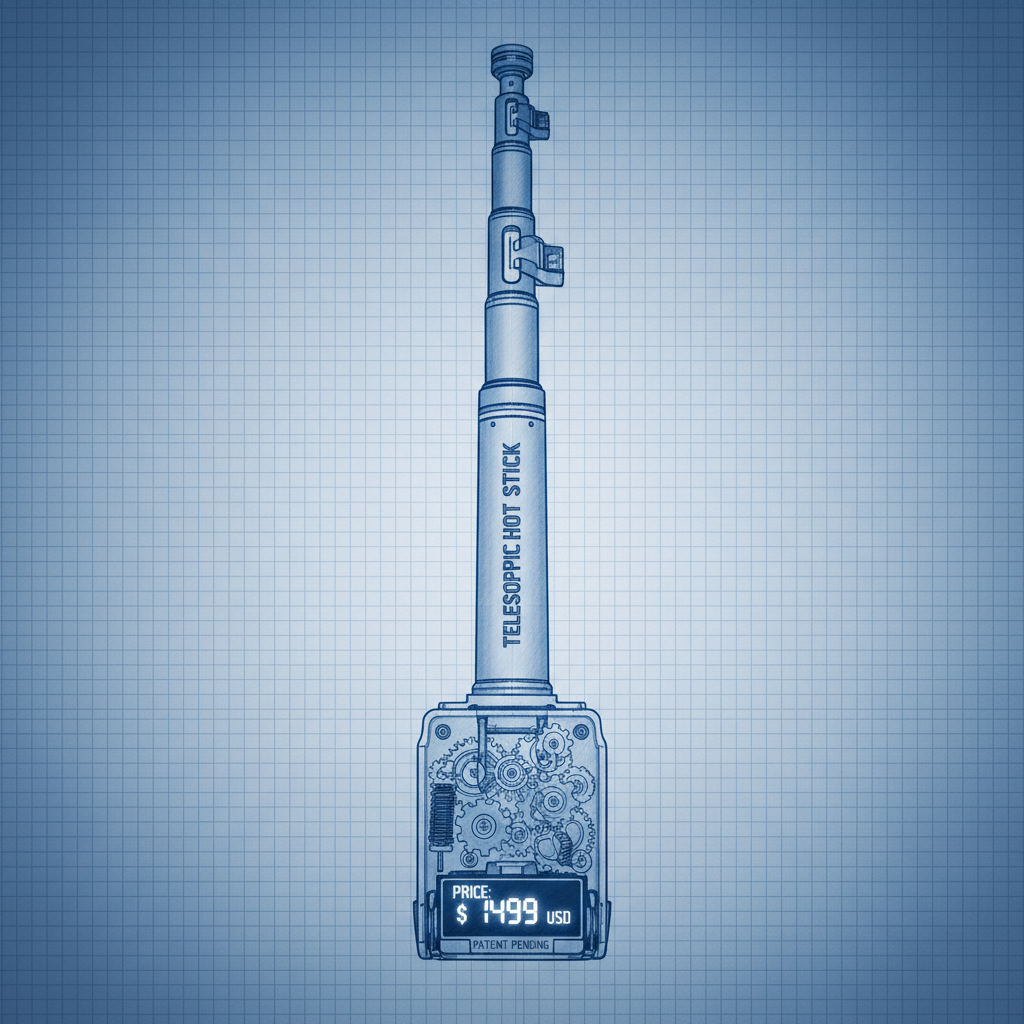
A telescopic hot stick, also known as a live line tool, is an insulated tool used to manipulate electrical equipment remotely. They are typically made of fiberglass or similar insulating materials and feature sections that telescope (extend) to reach equipment at various heights. Hot sticks are designed for operations such as opening and closing switches, inserting and removing fuses, and manipulating other electrical components while maintaining a safe distance from energized conductors. They are a critical component in safe electrical work practices, minimizing the risk of electric shock and arc flash.
Factors Influencing Telescopic Hot Stick Price
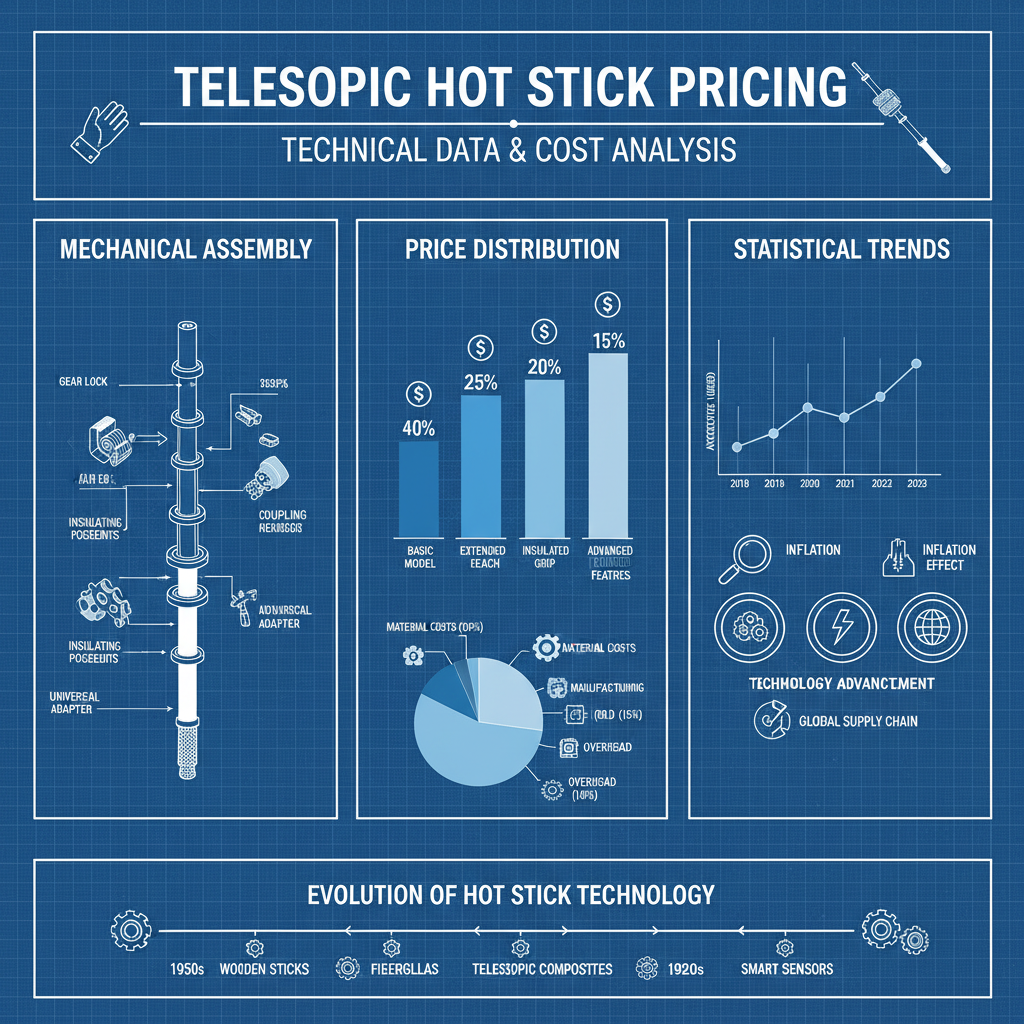
Several factors contribute to the price of a telescopic hot stick. These include the material used in construction (fiberglass quality, epoxy resin), the length and extension capabilities, the voltage rating, and any included accessories (grounding attachments, carrying cases). Higher voltage ratings generally require more robust insulation and, consequently, a higher price. The complexity of the telescoping mechanism and the quality of the locking system also influence the cost. Furthermore, the manufacturer's reputation and adherence to industry standards (ASTM) play a significant role in pricing.
Key Features to Consider When Purchasing
When selecting a hot stick, consider the following features: Voltage Rating – Ensure the stick’s rating exceeds the maximum system voltage you’ll be working with. Length & Extension – Choose a length that provides adequate reach for your typical tasks, considering the telescoping capabilities. Insulation Quality – High-quality fiberglass and epoxy resin are essential for reliable insulation. Locking Mechanism – A secure and easy-to-operate locking mechanism is crucial for preventing accidental collapses. Grounding Capability - Many hot sticks can be paired with grounding attachments for added safety.
Essential Safety Considerations: Always inspect hot sticks for damage before each use. Regularly test the insulation to ensure it meets safety standards. Proper training on the use and maintenance of hot sticks is vital for worker safety.
Telescopic Hot Stick Price Comparison & Specifications
Here’s a comparison of various hot sticks offered by Bilopowtel. These prices are approximate and subject to change based on configuration and quantity.
Choosing the Right Hot Stick from Bilopowtel
Bilopowtel offers a wide range of telescopic hot sticks designed to meet various needs and budgets. We recommend carefully evaluating your specific application, considering the voltage levels, working heights, and environmental conditions. Our knowledgeable team can assist you in selecting the appropriate hot stick and accessories to ensure optimal safety and performance.
Maintenance and Inspection
Regular maintenance and inspection are vital for ensuring the longevity and safety of your hot stick. Inspect for cracks, chips, or any other damage to the fiberglass and epoxy resin. Check the locking mechanism for smooth operation and secure engagement. Clean the stick regularly with a mild detergent and water. Store the hot stick in a clean, dry environment, away from direct sunlight and extreme temperatures. Following these simple steps will help maintain the integrity of the tool and ensure it performs reliably when you need it most.
Conclusion: Investing in Safety and Reliability
Investing in a high-quality telescopic hot stick from a reputable supplier like Bilopowtel is a crucial step towards ensuring the safety of electrical workers. By understanding the factors that influence price, key features, and proper maintenance procedures, you can make an informed decision and select the best tool for your specific needs. Prioritizing safety is not just a responsible practice; it's an investment in the well-being of your workforce and the reliability of your operations.
Frequently Asked Questions (FAQs)
What is the recommended frequency for hot stick inspection?
Hot sticks should be visually inspected before each use for any signs of damage, such as cracks, chips, or delamination. A more thorough inspection, including dielectric strength testing, should be conducted at least annually, or more frequently if the stick is used in harsh environments. Keep detailed records of all inspections. Regular inspection ensures the continued safety and reliability of the tool. Remember, a compromised hot stick can have severe consequences.
What voltage rating should I choose for my hot stick?
Always choose a hot stick with a voltage rating higher than the maximum voltage of the electrical system you will be working on. It’s crucial to have a safety margin. For example, if you’re working on a 34.5 kV system, you should use a hot stick rated for at least 38 kV, and preferably higher. Using a hot stick with an insufficient voltage rating can lead to a dangerous arc flash or electric shock. Consult with a qualified electrical engineer if you are unsure about the appropriate voltage rating for your application.
Can hot sticks be repaired if they are damaged?
Generally, no, hot sticks should not be repaired if they are damaged. The integrity of the insulating material is critical, and any attempt to repair a crack or chip could compromise its ability to provide adequate protection. Damaged hot sticks should be taken out of service immediately and disposed of properly. Bilopowtel offers replacement hot sticks to ensure you always have a safe and reliable tool.
What grounding attachments are compatible with Bilopowtel hot sticks?
Bilopowtel offers a range of grounding attachments specifically designed for use with our hot sticks. These attachments provide a secure and reliable grounding connection, enhancing safety during electrical operations. The compatibility depends on the specific hot stick model, so it’s best to consult our product catalog or contact our sales team for detailed information. Proper grounding is essential for minimizing the risk of electric shock and arc flash.
Latest news
Precision Lifting and Pulling with the Lever Block 0.5 Ton Guide
NewsApr.16,2026
Precision Engineering Guide for High Performance Jet Lever
NewsApr.16,2026
Ultimate Guide to Choosing the Professional Industrial hoist lever
NewsApr.16,2026
Industrial Hoist Lever Chain Guide for Heavy Lifting and Rigging
NewsApr.16,2026
Industrial Lever Hoist Guide for Efficient Lifting and Pulling
NewsApr.16,2026
Ultimate Guide to Hand Ratchet Lift for Heavy Industrial Lifting
NewsApr.16,2026
- CONTACT
- ADDRESS: 188, Fengshou Road, Shijiazhuang. China
- EMAlL: info@bilopowtel.com
- PHONE: 0086-311-88862036
- WHATSAPP: 0086-152-26563165


