



Jan . 27, 2026 21:35 Back to list
Exploring the Capabilities and Applications of a Powerful DC Winch
Understanding the Power of a DC Winch
A DC winch is a powerful and versatile tool used in a wide range of applications, from automotive recovery to marine operations. Its ability to generate significant pulling force from a relatively small power source makes it an invaluable asset for professionals and enthusiasts alike. This article will explore the intricacies of DC winches, covering their functionality, applications, types, and considerations when selecting the right winch for your needs. We’ll delve into the benefits of using a DC winch over alternative solutions and highlight the quality offerings available at Bilopowtel.
How Does a DC Winch Work?
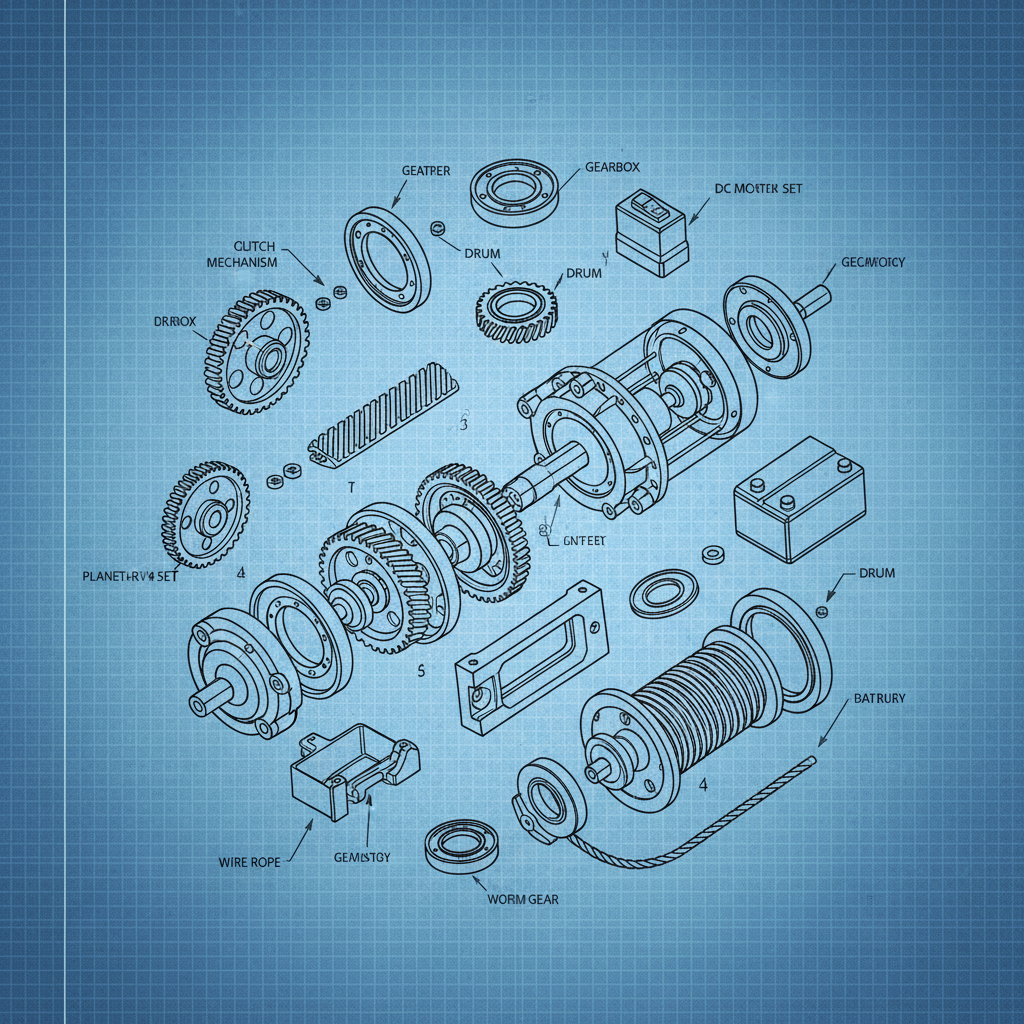
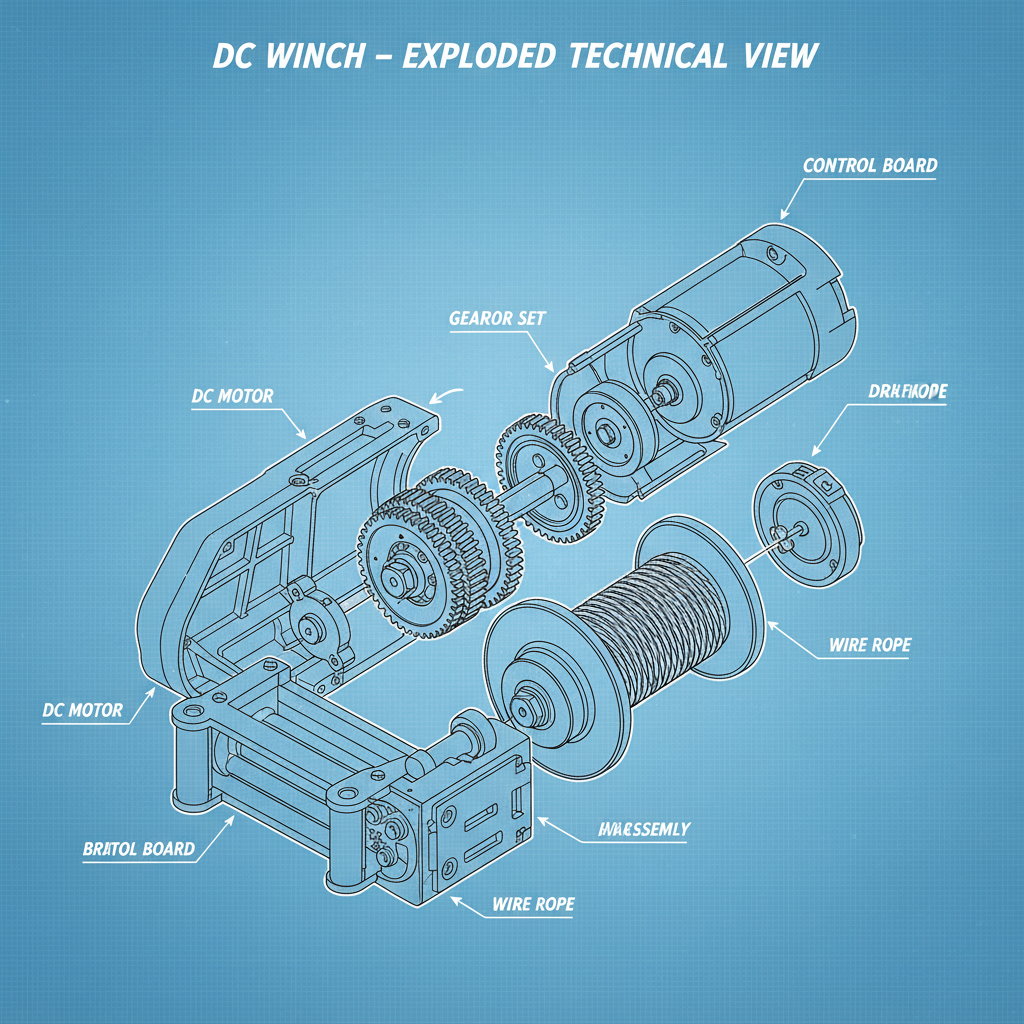
At its core, a DC winch utilizes a direct current (DC) electric motor to rotate a drum or spool. Attached to this drum is a strong cable or rope, which provides the pulling force. The motor receives power from a DC source, typically a vehicle’s battery or a dedicated power supply. A gearing system is employed to amplify the motor’s torque, resulting in a significantly higher pulling capacity. A braking mechanism is crucial for holding the load in place, preventing uncontrolled unwinding of the cable. Bilopowtel’s DC winches are engineered with robust motors and durable gearing systems for reliable performance.
Key Highlights: DC winches convert electrical energy into mechanical force, using a DC motor, gearing system, and a robust cable or rope. Precise control and braking mechanisms are vital components.
Applications of DC Winches
The versatility of a DC winch leads to its use in a remarkably diverse range of applications. In the automotive sector, they are essential for off-road recovery, allowing vehicles to be pulled out of mud, sand, or other challenging terrain. Marine applications include anchoring, boat retrieval, and lifting heavy objects. Industrial settings utilize DC winches for material handling, lifting equipment, and tensioning applications. Furthermore, they are commonly found in construction, agriculture, and even recreational activities like ATVing and snowmobiling.
Common DC Winch Applications:
• Automotive Off-Road Recovery
• Marine Anchoring and Boat Retrieval
• Industrial Material Handling
• Construction and Agricultural Lifting
Types of DC Winches: Choosing the Right One
DC winches come in various configurations to suit different needs. Warping winches are designed for fast line speed and are ideal for applications where power isn't the primary concern. Recovery winches, commonly used in off-road vehicles, prioritize pulling power and are built to withstand harsh conditions. Hydraulic winches use hydraulic pressure to generate force and are often favored for heavy-duty applications. Electric winches, powered by DC motors, are popular for their ease of use and controlled operation. Bilopowtel offers a comprehensive selection of each type, ensuring you can find the perfect winch for your specific requirements.
Key Considerations When Selecting a DC Winch
Choosing the right DC winch requires careful consideration of several factors. Pulling Capacity is paramount – ensure the winch can handle the heaviest load you anticipate lifting or pulling. Line Speed determines how quickly the cable can be extended or retracted. Rope Type (synthetic or steel) affects durability, weight, and cost. Control System options include handheld remote controls and in-cab switches. Finally, Build Quality and reliability are crucial for long-term performance. Bilopowtel’s team of experts can help you navigate these considerations and select the ideal DC winch for your specific application.
Maintaining Your DC Winch for Optimal Performance
Regular maintenance is essential for ensuring the longevity and reliability of your DC winch. This includes inspecting the cable for wear and tear, lubricating moving parts, and checking the electrical connections. Properly storing the winch when not in use will protect it from the elements. Always adhere to the manufacturer’s recommendations for maintenance schedules and procedures. Bilopowtel provides comprehensive support and resources to help you maintain your winch in peak condition.
Conclusion: The Power and Versatility of DC Winches
A DC winch is an indispensable tool for a wide range of applications, offering unparalleled pulling power and versatility. By understanding the different types, key considerations, and maintenance requirements, you can choose the right winch for your needs and ensure its long-term performance. Invest in a quality winch from a trusted supplier like Bilopowtel and experience the difference.
Frequently Asked Questions (FAQs)
What is the difference between synthetic rope and steel cable on a DC winch?
Synthetic rope, typically made from materials like Dyneema or Spectra, is significantly lighter than steel cable, making it easier to handle. It also floats, which is advantageous in marine applications. However, steel cable offers superior abrasion resistance and is generally more affordable. Synthetic rope is less prone to kinking and doesn’t have sharp broken wires like steel cable, making it safer to handle. The choice depends on your specific needs and priorities; for example, recovery winches often use synthetic rope for safety and weight benefits.
How much weight can a typical DC winch pull?
The pulling capacity of a DC winch varies significantly based on its size and design. Smaller winches commonly found on ATVs might have a pulling capacity of around 2,000 to 3,000 pounds. Larger winches used in off-road vehicles and industrial applications can range from 8,000 to 15,000 pounds or even higher. It’s crucial to select a winch with a capacity that exceeds the maximum load you anticipate pulling. Always refer to the winch’s specifications and never exceed its rated capacity.
What safety precautions should I take when using a DC winch?
Safety is paramount when operating a DC winch. Always wear gloves and eye protection. Ensure the cable is properly spooled and free from kinks or damage. Use a tree saver strap or winch anchor when securing the winch to a tree or other object. Never stand in the direct path of the cable while it's under tension. Always use a dampener on the cable to absorb energy in case of a break. And most importantly, familiarize yourself with the winch’s operating manual and follow all safety instructions.
Can a DC winch be used in wet conditions?
Many DC winches are designed to withstand exposure to moisture, but it's essential to check the manufacturer's specifications. Some winches have sealed motors and components for added protection. However, it’s always recommended to avoid submerging the winch in water and to dry it thoroughly after exposure to wet conditions. Using a winch in extremely wet or corrosive environments may require additional protective measures.
Latest news
Precision Lifting and Pulling with the Lever Block 0.5 Ton Guide
NewsApr.16,2026
Precision Engineering Guide for High Performance Jet Lever
NewsApr.16,2026
Ultimate Guide to Choosing the Professional Industrial hoist lever
NewsApr.16,2026
Industrial Hoist Lever Chain Guide for Heavy Lifting and Rigging
NewsApr.16,2026
Industrial Lever Hoist Guide for Efficient Lifting and Pulling
NewsApr.16,2026
Ultimate Guide to Hand Ratchet Lift for Heavy Industrial Lifting
NewsApr.16,2026
- CONTACT
- ADDRESS: 188, Fengshou Road, Shijiazhuang. China
- EMAlL: info@bilopowtel.com
- PHONE: 0086-311-88862036
- WHATSAPP: 0086-152-26563165


