



Jan . 27, 2026 17:08 Back to list
Essential Guide to Powerline Hot Sticks for Electrical Safety and Efficiency
Understanding Powerline Hot Sticks: A Comprehensive Guide
Working with or near energized powerlines demands extreme caution and specialized equipment. A powerline hot stick, also known as a live line stick, is an essential tool for safely manipulating conductors without de-energizing the line. This article delves into the critical aspects of hot sticks, covering their function, types, safety considerations, and proper usage. Choosing the right hot stick and adhering to safety protocols is paramount for electrical workers, ensuring their well-being and preventing accidents. We will also explore how Bilopowtel delivers reliable hot stick solutions.
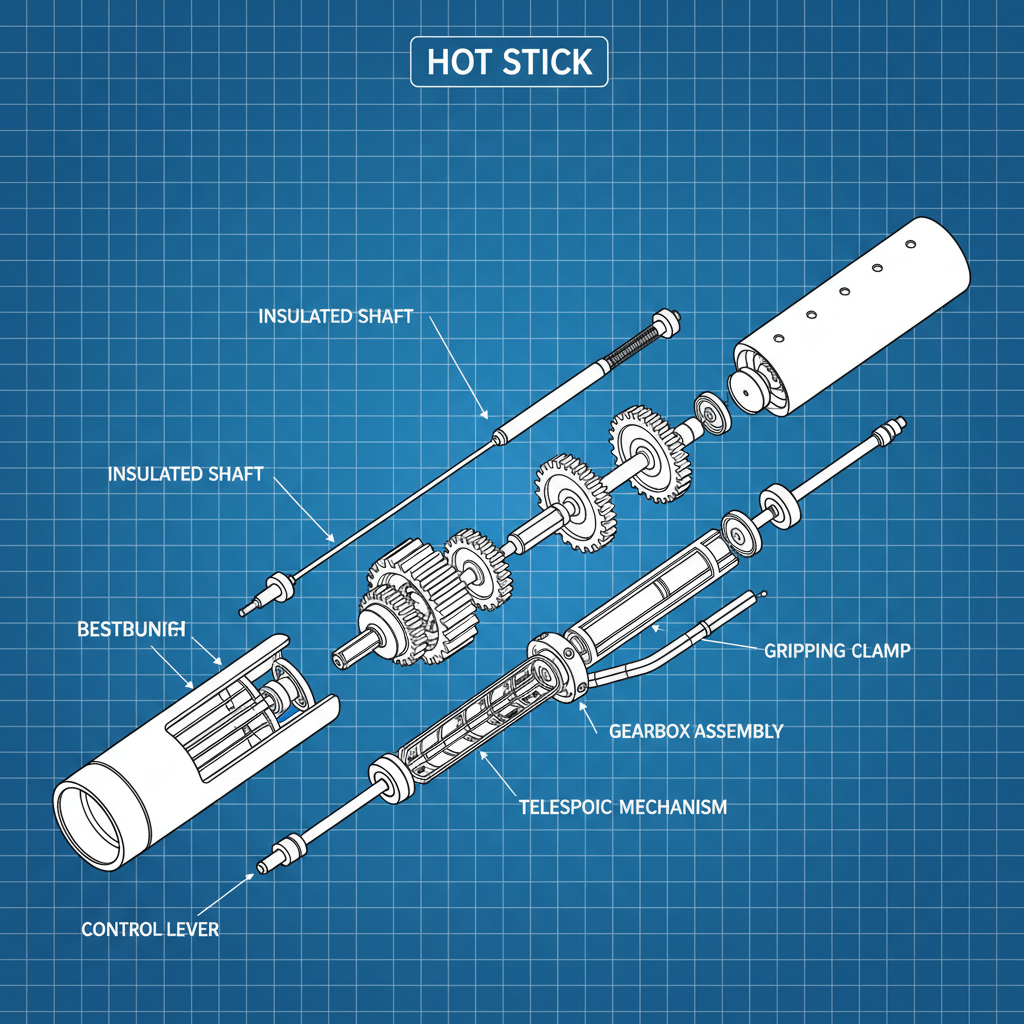
What is a Powerline Hot Stick and Why is it Important?
A powerline hot stick is a non-conductive, insulated tool used by linemen and other qualified personnel to perform work on energized electrical lines. These sticks come in varying lengths to accommodate different voltage levels and working distances. Their primary function is to provide a safe working distance from live conductors, minimizing the risk of electric shock. Without hot sticks, tasks such as switching, splicing, and removing covers from energized equipment would be incredibly dangerous, if not impossible. The ability to work on live lines often significantly reduces downtime and associated costs for utilities and industries. A properly maintained and utilized hot stick is a critical component of any comprehensive electrical safety program.
Key Benefits: Minimizes the risk of electric shock, allows work on energized lines, reduces downtime, and enhances worker safety.
Types of Powerline Hot Sticks
Powerline hot sticks are categorized based on their voltage rating and intended application. Common types include:
- Switching Sticks: Used for operating switches and disconnects.
- Jumper Sticks: Employed for installing or removing temporary jumpers.
- Grounding Sticks: Used to temporarily ground conductors for safety.
- Insulating Sticks (General Purpose): Used for a variety of tasks, such as moving conductors or removing covers.
The voltage rating of a hot stick must always be equal to or greater than the voltage of the line it will be used on. Furthermore, hot sticks are also made of different materials, with fiberglass reinforced epoxy being the most common due to its high dielectric strength and durability. Bilopowtel offers a wide range of hot sticks to cater to diverse operational needs.
Hot Stick Materials:
• Fiberglass Reinforced Epoxy (Most Common)
• Other composite materials for specialized applications
Powerline Hot Stick Voltage Ratings: A Comparison
Choosing the correct voltage rating is critical. The following table provides a general guideline. It’s essential to consult your company's safety procedures and the specific application requirements before selecting a hot stick.
Safety Considerations When Using Powerline Hot Sticks
Safety is paramount. Always adhere to the following guidelines: Regular Inspection: Inspect hot sticks for any cracks, damage, or contamination before each use. Proper Training: Only qualified personnel who have received thorough training should use hot sticks. Voltage Verification: Confirm the voltage of the line before commencing work. Grounding Procedures: Understand and follow proper grounding procedures. Minimum Approach Distances: Maintain the required minimum approach distances as dictated by safety regulations. Personal Protective Equipment (PPE): Wear appropriate PPE, including rubber gloves, sleeves, and safety glasses. Bilopowtel provides safety training resources and supports adherence to industry best practices.
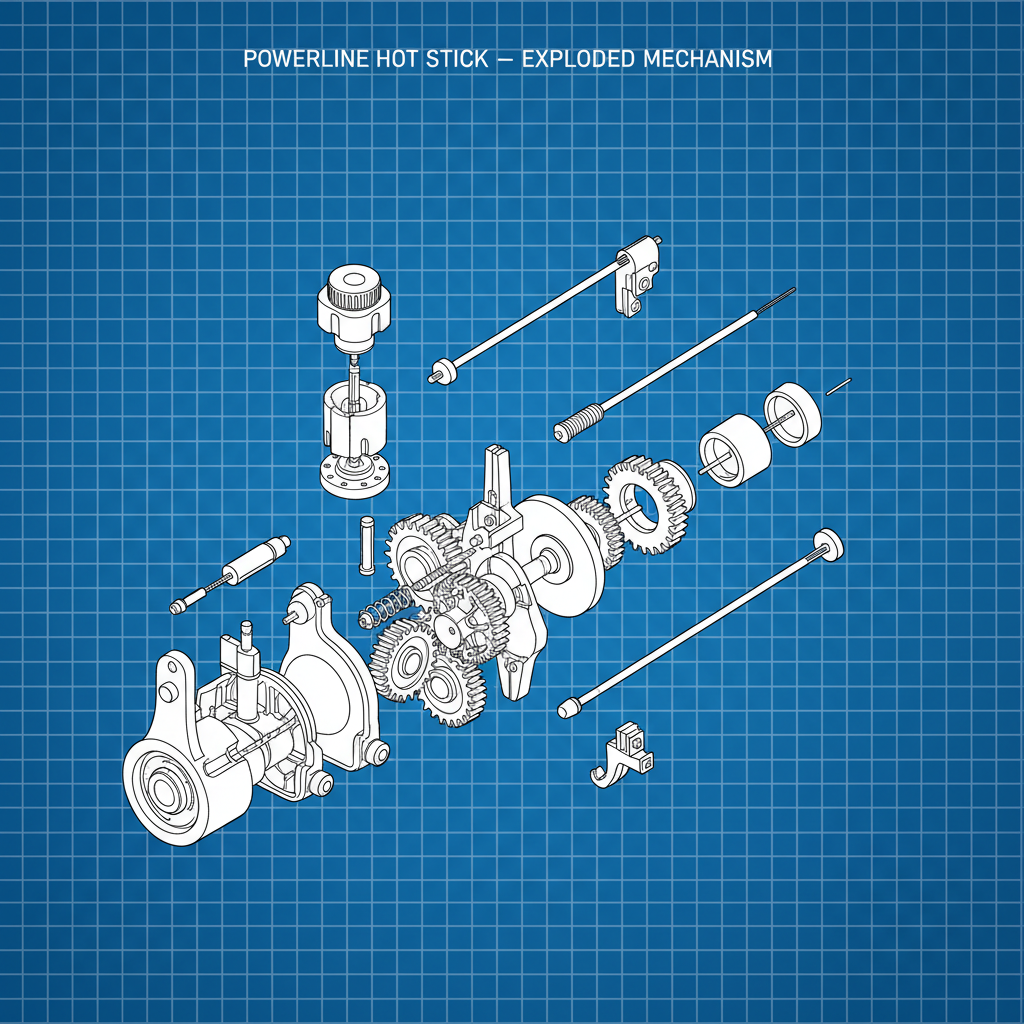
Maintaining Your Hot Sticks for Longevity
Proper maintenance is vital to ensure the longevity and reliability of your hot sticks. Regularly clean the sticks with a mild detergent and water to remove dirt and contaminants. Store them in a dry, protected environment, away from direct sunlight and extreme temperatures. Do not subject the sticks to mechanical stress or impact. Implement a scheduled inspection and testing program to identify and address any potential issues proactively. Records of inspections and maintenance should be kept for tracking and auditing purposes. Bilopowtel offers hot stick maintenance and testing services to help ensure your equipment remains in optimal condition.
Conclusion: Prioritizing Safety with Quality Hot Sticks
Investing in high-quality powerline hot sticks from a reputable supplier like Bilopowtel is a crucial step towards ensuring worker safety and minimizing risks associated with energized electrical work. Proper training, regular inspection, and adherence to safety protocols are equally important. By prioritizing safety and utilizing the right tools, you can create a safer and more productive work environment.
Frequently Asked Questions (FAQs)
How often should hot sticks be inspected?
Hot sticks should be inspected before each use, and a more comprehensive inspection should be conducted at least annually, or more frequently depending on usage and environmental conditions. The inspection should include a visual examination for cracks, damage, contamination, and proper functioning of any moving parts. Any damaged or compromised hot stick should be immediately removed from service. Detailed inspection records should be maintained.
What is the correct way to clean a hot stick?
Clean hot sticks with a mild detergent and warm water. Avoid using abrasive cleaners or solvents, as these can damage the insulating material. Rinse thoroughly and allow the stick to air dry completely before storing. Ensure the stick is free of any conductive contaminants before returning it to service.
What training is required to use powerline hot sticks?
Comprehensive training is essential. This training should cover the proper selection, inspection, use, and maintenance of hot sticks. It should also include a thorough understanding of electrical safety principles, minimum approach distances, and emergency procedures. Training should be provided by a qualified instructor and documented for record-keeping purposes. Bilopowtel offers resources to help locate training programs.
How do I determine the correct length of hot stick needed for a specific task?
The length of the hot stick should be sufficient to maintain the required minimum approach distance from energized conductors. This distance varies depending on the voltage level and specific regulations. Consider the working environment and any potential obstacles when selecting the appropriate length. It’s always better to err on the side of caution and choose a longer stick if there’s any doubt.
Latest news
Precision Lifting and Pulling with the Lever Block 0.5 Ton Guide
NewsApr.16,2026
Precision Engineering Guide for High Performance Jet Lever
NewsApr.16,2026
Ultimate Guide to Choosing the Professional Industrial hoist lever
NewsApr.16,2026
Industrial Hoist Lever Chain Guide for Heavy Lifting and Rigging
NewsApr.16,2026
Industrial Lever Hoist Guide for Efficient Lifting and Pulling
NewsApr.16,2026
Ultimate Guide to Hand Ratchet Lift for Heavy Industrial Lifting
NewsApr.16,2026
- CONTACT
- ADDRESS: 188, Fengshou Road, Shijiazhuang. China
- EMAlL: info@bilopowtel.com
- PHONE: 0086-311-88862036
- WHATSAPP: 0086-152-26563165


