



Jan . 30, 2026 14:40 Back to list
Essential Guide to Choosing the Right Hot Stick for Electrical Safety
Choosing the Right Hot Stick for Electrical Work: A Comprehensive Guide
Working with or near electrical sources demands the highest levels of safety. A hot stick for electrical work is a critical piece of equipment for qualified professionals. This article provides a detailed overview of hot sticks, their applications, safety considerations, and how to choose the right one for your specific needs. Understanding the nuances of hot sticks is essential for preventing accidents and ensuring a safe work environment.
What is a Hot Stick and Why is it Important?
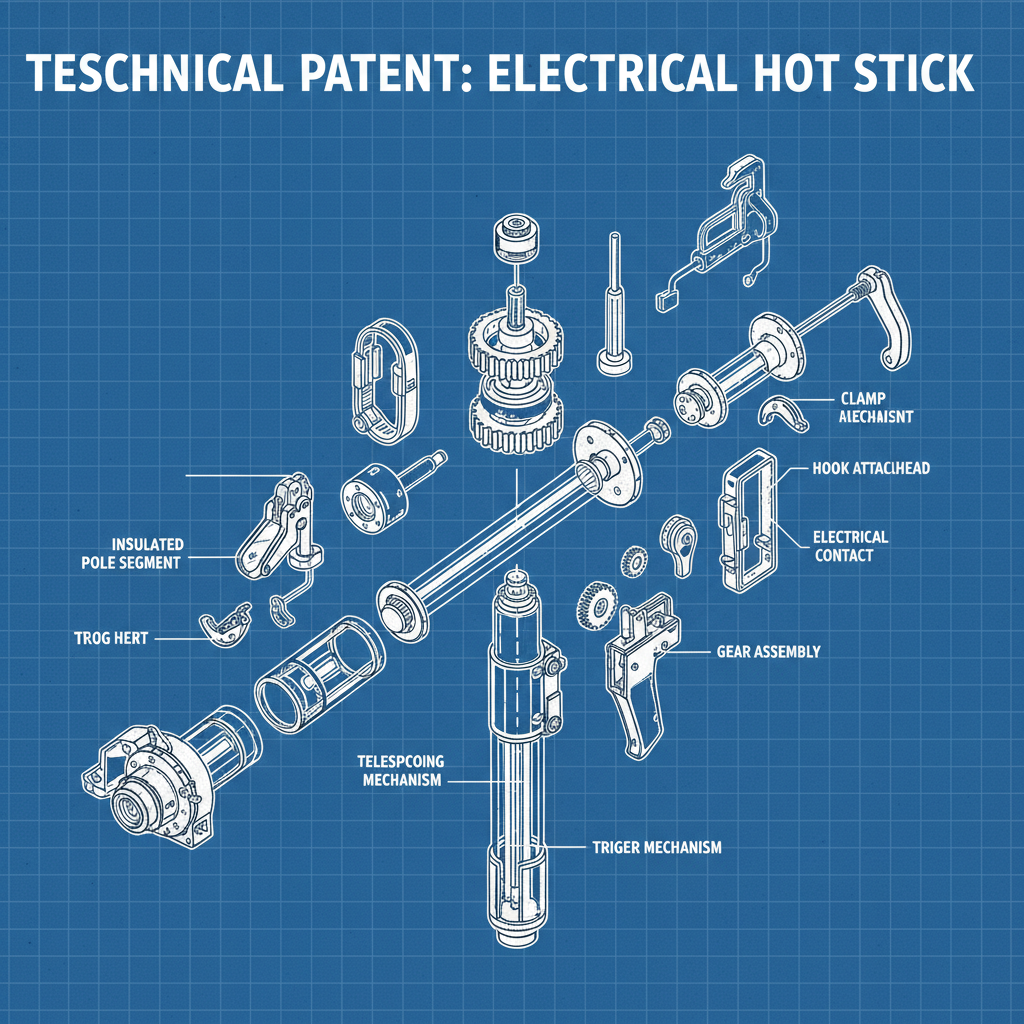
A hot stick, also known as a live line stick, is an insulated tool used by electrical workers to manipulate electrical equipment while it's energized. Its primary function is to provide a safe distance between the worker and live conductors, minimizing the risk of electric shock. These tools are constructed with a highly insulating material, typically fiberglass or composite materials, and are rigorously tested to meet stringent safety standards. Proper use of a hot stick for electrical applications is paramount for protecting lineman and other electrical personnel from potentially lethal hazards.
Key Applications of Hot Sticks
Hot sticks are utilized in a variety of electrical applications, including:
- Switching Operations: Safely opening and closing switches in substations and distribution systems.
- Fuse Handling: Removing and installing fuses without direct contact with energized components.
- Voltage Testing: Verifying the presence or absence of voltage on electrical lines.
- Cable Manipulation: Moving and positioning cables during installation or maintenance.
- Grounding and Bonding: Applying temporary grounding connections for safety purposes.
The specific type of hot stick used will vary depending on the voltage level, the task being performed, and the working environment.
Important Note: Only qualified personnel who have received proper training should operate hot sticks. Regular inspection and maintenance are crucial to ensure their continued effectiveness and safety.
Choosing the Right Hot Stick for Electrical Work: Key Considerations
Selecting the appropriate hot stick requires careful consideration of several factors. Voltage rating is the most critical aspect; the stick must be rated for at least the maximum anticipated voltage of the system it will be used on. Length is another important consideration, providing sufficient working distance. The material of the stick (fiberglass, composite) influences its weight, strength, and dielectric properties. Ergonomic design and grip comfort are also essential for minimizing fatigue and maximizing control. Bilo Powtel offers a comprehensive range of hot sticks designed to meet diverse needs and safety standards.
Key Factors in Hot Stick Selection:
• Voltage Rating
• Length
• Material (Fiberglass vs. Composite)
• Ergonomic Design
Hot Stick Materials: Fiberglass vs. Composite
Hot sticks are commonly made from either fiberglass or composite materials. Fiberglass sticks are cost-effective and offer good dielectric strength. Composite sticks, often incorporating epoxy resins and carbon fibers, are lighter, stronger, and more resistant to bending. This increased strength allows for longer stick lengths without sacrificing maneuverability. While generally more expensive, composite sticks offer improved performance and durability, especially in demanding applications.
Safety Standards and Inspection
Hot sticks must meet specific safety standards, such as those defined by ASTM (American Society for Testing and Materials) and IEC (International Electrotechnical Commission). Regular inspection is critical to identify any damage, such as cracks, delamination, or wear. Damaged hot sticks should be immediately removed from service. Record-keeping of inspections and maintenance is also highly recommended. Bilo Powtel’s hot sticks are rigorously tested and certified to meet or exceed industry standards.
Conclusion: Prioritizing Safety with Quality Hot Sticks
Investing in high-quality hot sticks for electrical work is a crucial step in ensuring the safety of electrical personnel. Choosing the right stick based on application, voltage requirements, and material properties is essential. Regular inspection and adherence to safety standards are paramount for preventing accidents and maintaining a safe working environment.
Frequently Asked Questions (FAQs)
How often should hot sticks be inspected?
Hot sticks should be visually inspected before each use for any signs of damage, such as cracks, delamination, or wear. A more thorough inspection, including dielectric testing, should be conducted at least annually, or more frequently depending on the frequency of use and the severity of the working environment. Proper record-keeping of inspections is essential. A damaged hot stick should never be used and must be immediately taken out of service.
What is dielectric testing and why is it important?
Dielectric testing is a process used to verify the insulating properties of a hot stick. It involves applying a high-voltage electrical charge to the stick and measuring the leakage current. A low leakage current indicates that the insulation is intact and effective. This testing is crucial for ensuring the stick can safely withstand the voltage levels it is designed for. Dielectric testing should be performed by qualified personnel using calibrated equipment.
What length of hot stick should I choose?
The appropriate length of a hot stick depends on the voltage level and the working distance required. Generally, a longer stick provides a greater safety margin. However, longer sticks can be more difficult to maneuver. It's important to select a length that allows you to maintain a safe distance from energized conductors while still being able to perform the task effectively. Consult with safety guidelines and manufacturer recommendations to determine the appropriate length for your specific application.
Latest news
Precision Lifting and Pulling with the Lever Block 0.5 Ton Guide
NewsApr.16,2026
Precision Engineering Guide for High Performance Jet Lever
NewsApr.16,2026
Ultimate Guide to Choosing the Professional Industrial hoist lever
NewsApr.16,2026
Industrial Hoist Lever Chain Guide for Heavy Lifting and Rigging
NewsApr.16,2026
Industrial Lever Hoist Guide for Efficient Lifting and Pulling
NewsApr.16,2026
Ultimate Guide to Hand Ratchet Lift for Heavy Industrial Lifting
NewsApr.16,2026
- CONTACT
- ADDRESS: 188, Fengshou Road, Shijiazhuang. China
- EMAlL: info@bilopowtel.com
- PHONE: 0086-311-88862036
- WHATSAPP: 0086-152-26563165


