



Jan . 27, 2026 17:08 Back to list
Comprehensive Guide to Selecting the Right Hot Stick Tools for Electrical Safety
Choosing the Right Hot Stick Tools: A Comprehensive Guide
Selecting the appropriate hot stick tools is critical for ensuring safety and efficiency when working with or near energized electrical equipment. These tools are essential for line workers, electrical contractors, and anyone involved in power system maintenance. This article will explore the types of hot stick tools, key features to consider, safety guidelines, and how to choose the right tools for your specific needs. Properly maintained and utilized, hot sticks significantly reduce the risk of electrical accidents.
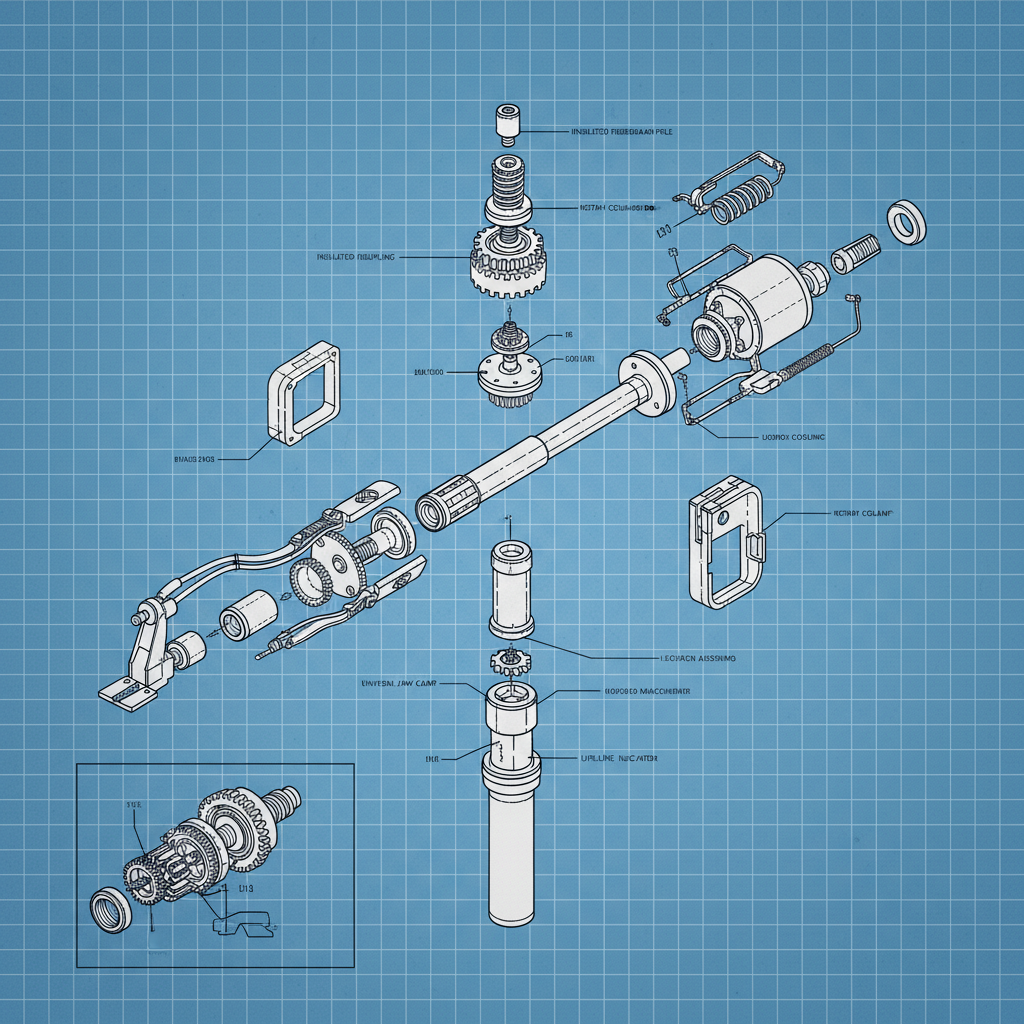
Understanding Different Types of Hot Stick Tools
Hot stick tools aren't a one-size-fits-all solution. Different applications require different tools. Common types include: stick extenders (for increasing reach), voltage detectors (for verifying the presence of voltage), grounding sticks (for safely grounding electrical lines), and operating sticks (for manipulating switches and other equipment). Each tool is designed with specific features and materials to ensure operator safety and reliable performance. Choosing the correct tool for the task is paramount. Furthermore, understanding the limitations of each tool type is crucial for preventing accidents.
Key Takeaway: Selecting the right hot stick tool depends entirely on the specific task and voltage levels involved. Always consult safety guidelines and manufacturer recommendations.
Essential Features to Look for in Hot Stick Tools
When investing in hot stick tools, several key features contribute to safety and usability. Insulation quality is paramount – tools must be rigorously tested and certified to withstand specific voltage levels. Look for tools made from high-strength, non-conductive materials like fiberglass or epoxy resin. Ergonomic design enhances grip and reduces fatigue during prolonged use. Proper length and reach are vital for maintaining a safe working distance. Consider the tool's weight and balance for ease of handling. Finally, ensure the tools meet relevant industry standards (ASTM, IEC).
Key Features Checklist:
• High-quality Insulation
• Ergonomic Design
• Appropriate Length & Reach
• Industry Standard Compliance
Comparing Materials: Fiberglass vs. Epoxy Resin Hot Stick Tools
The material used in a hot stick tool's construction directly impacts its performance and safety. Both fiberglass and epoxy resin are commonly used, each with its own advantages and disadvantages. Fiberglass offers excellent strength-to-weight ratio and good resistance to environmental factors. Epoxy resin provides superior dielectric strength and can be molded into complex shapes. However, epoxy resin can be more susceptible to damage from impact and UV exposure. Understanding these differences is essential when selecting tools for specific working conditions.
Safety Guidelines When Using Hot Stick Tools
Safety is paramount when working with energized equipment. Always wear appropriate personal protective equipment (PPE), including rubber gloves, sleeves, and face shields. Before each use, thoroughly inspect the hot stick tool for any signs of damage. Never use a tool that is cracked, chipped, or otherwise compromised. Maintain the proper working distance as specified by safety regulations. Ensure proper grounding procedures are followed. Regular training and refresher courses are essential for all personnel using these tools.
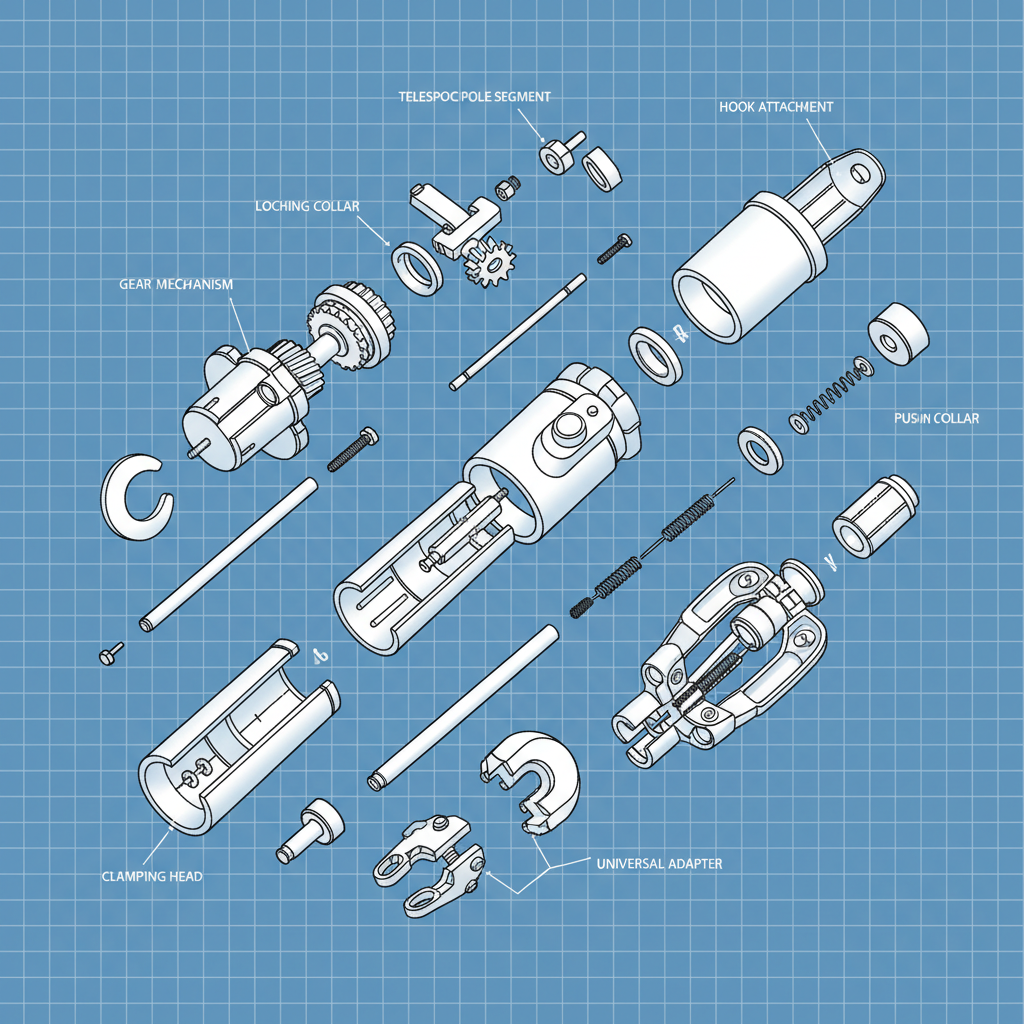
Proper Maintenance and Storage of Hot Stick Tools
Regular maintenance is crucial for extending the lifespan and ensuring the reliability of hot stick tools. After each use, clean the tools with a mild detergent and water. Inspect for any damage or wear. Store tools in a clean, dry, and protected environment away from direct sunlight and extreme temperatures. Implement a regular inspection and testing schedule to identify and replace any tools that are no longer safe to use. Keep detailed records of inspections and maintenance activities. Bilopowtel offers comprehensive maintenance services to ensure your tools remain in optimal condition.
Conclusion: Prioritizing Safety with Quality Hot Stick Tools
Investing in high-quality hot stick tools and adhering to strict safety protocols is essential for protecting workers and preventing accidents. By understanding the different types of tools, key features, and proper maintenance procedures, you can create a safer working environment and ensure the long-term reliability of your equipment.
Frequently Asked Questions (FAQs)
What voltage rating should I look for in a hot stick tool?
The voltage rating of a hot stick tool must exceed the maximum potential voltage of the equipment you'll be working with. Always choose a tool with a rating significantly higher than the expected voltage to provide a safety margin. It's crucial to consult with safety professionals and adhere to relevant industry standards to determine the appropriate voltage rating for your specific application. Using a tool with an insufficient voltage rating can have catastrophic consequences.
How often should hot stick tools be inspected?
Hot stick tools should be inspected before each use, after each use, and at regular intervals as part of a comprehensive maintenance program. Inspections should include a visual check for cracks, chips, wear, and any other signs of damage. Dielectric testing should be conducted periodically by qualified personnel to verify the tool’s insulating properties. Maintain detailed records of all inspections and testing results.
Are there specific training requirements for using hot stick tools?
Yes, comprehensive training is essential for anyone using hot stick tools. Training should cover proper tool selection, inspection procedures, safe work practices, emergency procedures, and relevant industry standards. Training should be conducted by qualified instructors and should be refreshed periodically to ensure continued competency. Bilopowtel offers training programs tailored to your needs.
What is the best way to store hot stick tools?
Hot stick tools should be stored in a clean, dry, and secure location away from direct sunlight, extreme temperatures, and potential damage. They should be stored in a manner that prevents physical contact with other tools or objects. Ideally, tools should be stored in individual racks or containers to protect them from abrasion and impact.
Latest news
Precision Lifting and Pulling with the Lever Block 0.5 Ton Guide
NewsApr.16,2026
Precision Engineering Guide for High Performance Jet Lever
NewsApr.16,2026
Ultimate Guide to Choosing the Professional Industrial hoist lever
NewsApr.16,2026
Industrial Hoist Lever Chain Guide for Heavy Lifting and Rigging
NewsApr.16,2026
Industrial Lever Hoist Guide for Efficient Lifting and Pulling
NewsApr.16,2026
Ultimate Guide to Hand Ratchet Lift for Heavy Industrial Lifting
NewsApr.16,2026
- CONTACT
- ADDRESS: 188, Fengshou Road, Shijiazhuang. China
- EMAlL: info@bilopowtel.com
- PHONE: 0086-311-88862036
- WHATSAPP: 0086-152-26563165


