



Jan . 27, 2026 17:08 Back to list
Comprehensive Guide to High Voltage Shotgun Sticks for Power Line Maintenance
Understanding the High Voltage Shotgun Stick: A Comprehensive Guide
The high voltage shotgun stick is a crucial tool for power line maintenance and repair, offering a safe and efficient method for applying grounding clamps and performing live line work. It’s designed to isolate workers from hazardous voltages, making it an indispensable piece of equipment in the electrical industry. This article will provide a detailed overview of its function, benefits, safety considerations, and applications, catering to professionals and those seeking to understand this vital piece of equipment. Proper understanding and utilization of a shotgun stick is paramount for ensuring worker safety and operational efficiency.
What is a High Voltage Shotgun Stick?
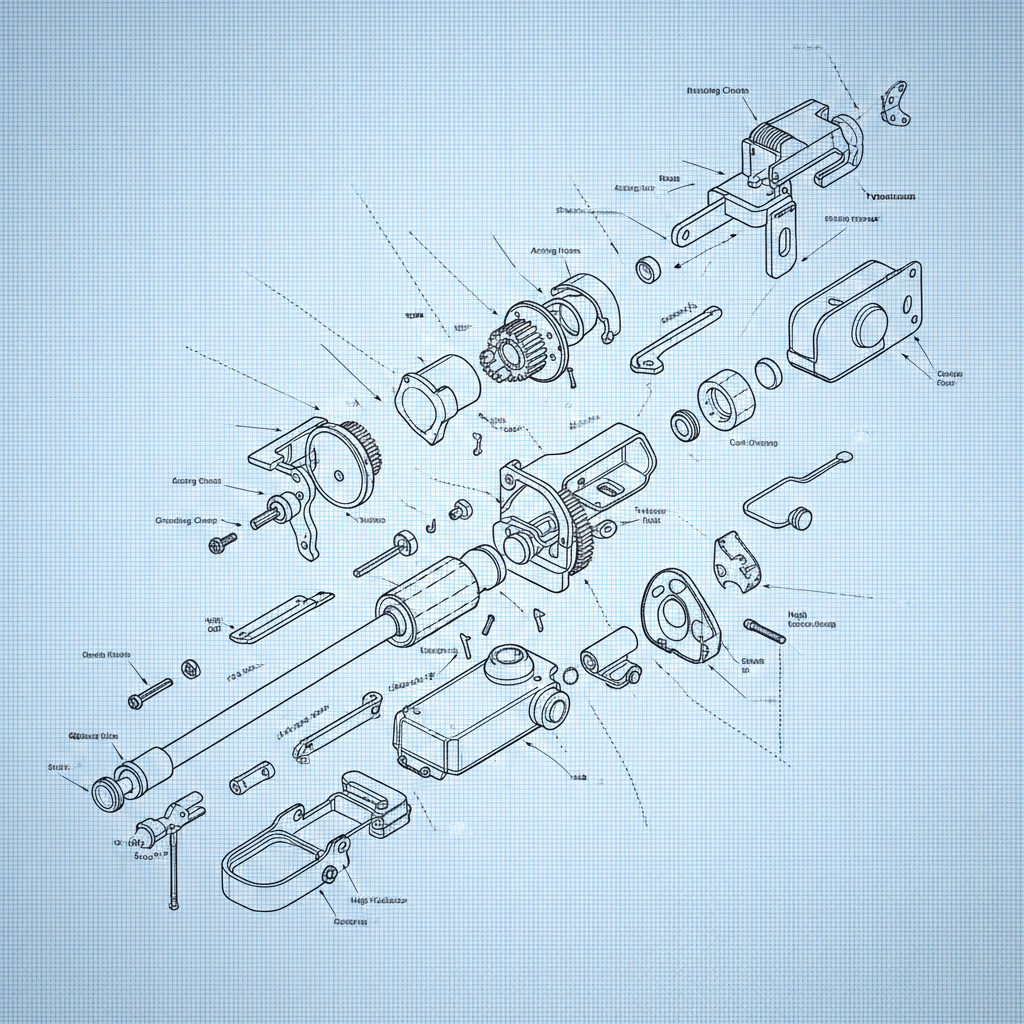
A high voltage shotgun stick is a hot stick, also known as a live line tool, designed for remote operation of electrical equipment. It typically consists of a fiberglass or composite pole with an insulated head designed to attach grounding clamps or other specialized tools. The length of the stick varies depending on the voltage class it's intended for, with longer sticks used for higher voltage applications. The primary function is to allow linemen to work on energized lines from a safe distance, minimizing the risk of electric shock. These tools are critical for tasks such as grounding lines before repair, installing or removing jumpers, and operating switches and disconnects. The shotgun stick’s design allows for precision and control, even at significant distances.
Key Highlights: Designed for remote operation of electrical equipment, minimizing the risk of electric shock. Constructed from fiberglass or composite materials for insulation and strength.
Key Features of a Quality High Voltage Shotgun Stick
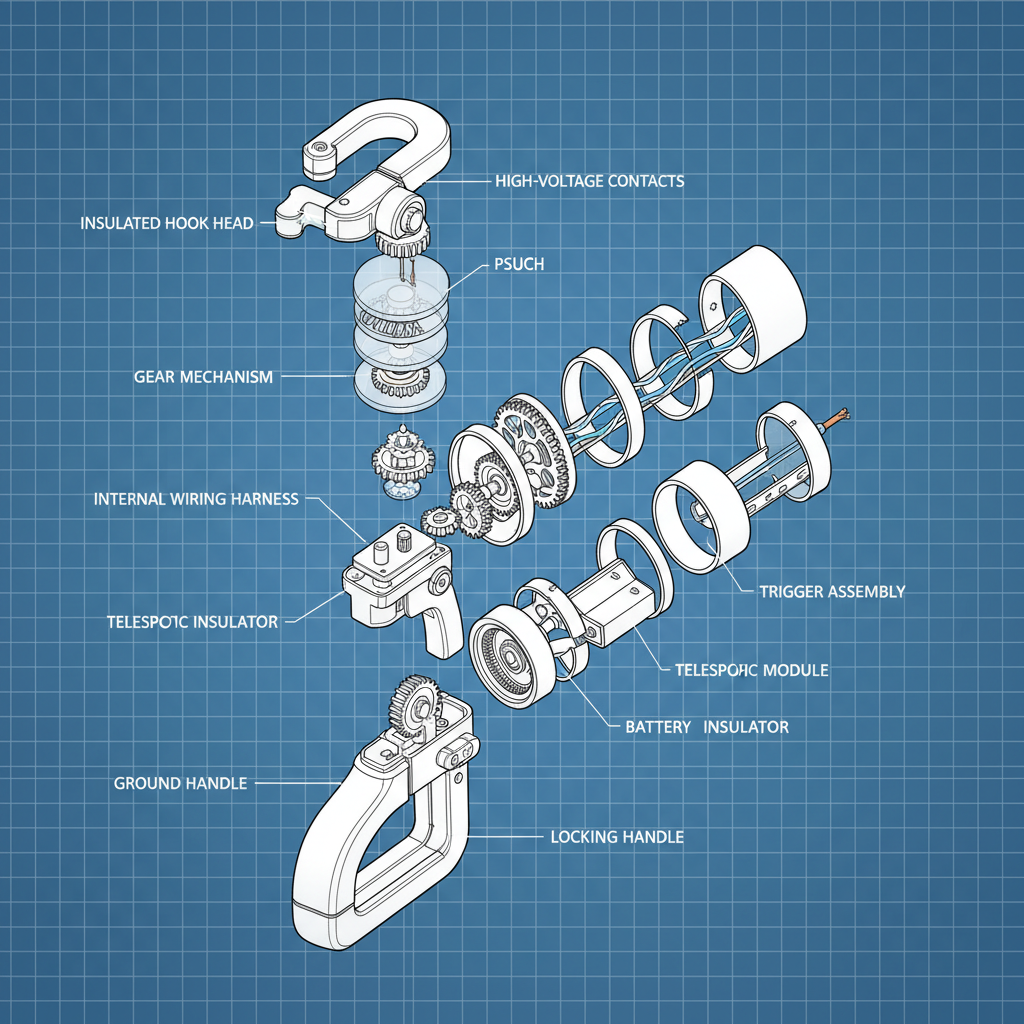
A reliable high voltage shotgun stick possesses several crucial features. These include a lightweight yet incredibly strong construction material, typically fiberglass reinforced polymer, to ensure ease of handling and durability. Insulated heads are designed for secure attachment of various tools, and a locking mechanism to prevent accidental release during operation. Ergonomic grips enhance control and reduce fatigue, particularly during extended use. Furthermore, a visible voltage rating is clearly marked on the stick, ensuring appropriate application. Regular inspection for damage, such as cracks or delamination, is essential to maintain its safety and effectiveness.
Essential Features:
• Lightweight and durable fiberglass construction
• Securely locking insulated head
• Ergonomic grip for enhanced control
• Clearly marked voltage rating
High Voltage Shotgun Stick: Specifications & Applications
The specific specifications of a shotgun stick will vary based on its intended voltage class. Common applications include grounding power lines for maintenance, operating disconnect switches, and applying temporary grounds during emergency repairs. They are indispensable tools for utility companies, electrical contractors, and anyone working with energized electrical systems. Proper selection of the appropriate stick length and voltage rating is critical for ensuring worker safety and the successful completion of the task. Here's a table outlining common specifications:
Safety Considerations When Using a Shotgun Stick
Safety is paramount when working with high voltage equipment. Before using a shotgun stick, personnel must be thoroughly trained in its proper use and relevant safety procedures. Always inspect the stick for damage before each use. Maintain a safe working distance and ensure clear communication with other team members. Avoid using the stick in adverse weather conditions, such as high winds or lightning. Wear appropriate personal protective equipment (PPE), including insulated gloves and sleeves, even when using a hot stick. Never assume a line is de-energized – always verify with appropriate testing equipment. Following these guidelines will significantly reduce the risk of accidents.
Choosing the Right High Voltage Shotgun Stick
Selecting the appropriate high voltage shotgun stick requires careful consideration of the voltage levels you'll be working with, the types of tasks you'll be performing, and the specific working conditions. Consider the length needed to maintain a safe working distance. Choose a stick with a head compatible with the tools you’ll be using. Look for a reputable manufacturer like Bilopowtel that adheres to industry standards and provides quality assurance. Investing in a reliable and well-maintained stick is crucial for ensuring worker safety and operational efficiency.
Conclusion: Prioritizing Safety with Quality Tools
The high voltage shotgun stick is an essential tool for safely and efficiently performing live line work. By understanding its function, features, and safety considerations, professionals can minimize risks and ensure a secure working environment. Investing in quality tools from reputable manufacturers like Bilopowtel is a crucial step towards prioritizing safety and achieving operational excellence.
Frequently Asked Questions (FAQs)
What is the typical lifespan of a high voltage shotgun stick?
The lifespan of a shotgun stick is dependent on the frequency and intensity of use, as well as environmental factors. Generally, with proper care and maintenance, a high-quality stick can last for 5-10 years. However, regular inspections are crucial. Look for any signs of cracking, delamination, or damage to the insulation. If any damage is detected, the stick should be removed from service immediately. Following the manufacturer’s recommendations for cleaning and storage will also extend its lifespan.
What types of tools can be attached to a shotgun stick?
Various tools can be attached to a shotgun stick, depending on the specific application. Common attachments include grounding clamps, voltage detectors, wire grips, switch operating sticks, and hot line clamps. The type of head on the shotgun stick determines the compatibility with these tools. Universal heads are designed to accommodate a wide range of attachments, while specialized heads are designed for specific tools. Ensure that the tool is securely attached to the stick before use.
What is the importance of dielectric testing for shotgun sticks?
Dielectric testing is a critical safety procedure for verifying the insulating integrity of a shotgun stick. It involves applying a high-voltage test to the stick to ensure that it can withstand the intended operating voltage without leakage current. Regular dielectric testing, typically annually, helps identify any deterioration of the insulation that may have occurred due to aging, damage, or contamination. A failed dielectric test indicates that the stick is no longer safe for use and should be removed from service.
How should a shotgun stick be stored when not in use?
Proper storage is crucial for maintaining the integrity of a shotgun stick. It should be stored in a clean, dry, and well-ventilated area, away from direct sunlight, extreme temperatures, and corrosive substances. Avoid storing the stick in a way that could cause physical damage, such as bending or twisting. Keep the stick in its original carrying case or a similar protective container. Regular inspection during storage can help identify any potential issues before use.
Latest news
Precision Lifting and Pulling with the Lever Block 0.5 Ton Guide
NewsApr.16,2026
Precision Engineering Guide for High Performance Jet Lever
NewsApr.16,2026
Ultimate Guide to Choosing the Professional Industrial hoist lever
NewsApr.16,2026
Industrial Hoist Lever Chain Guide for Heavy Lifting and Rigging
NewsApr.16,2026
Industrial Lever Hoist Guide for Efficient Lifting and Pulling
NewsApr.16,2026
Ultimate Guide to Hand Ratchet Lift for Heavy Industrial Lifting
NewsApr.16,2026
- CONTACT
- ADDRESS: 188, Fengshou Road, Shijiazhuang. China
- EMAlL: info@bilopowtel.com
- PHONE: 0086-311-88862036
- WHATSAPP: 0086-152-26563165


