



Jan . 27, 2026 17:08 Back to list
Comprehensive Guide to Electrical Shotgun Stick Safety and Usage
Understanding the Electrical Shotgun Stick for Enhanced Safety
In the realm of high-voltage electrical work, safety is paramount. A crucial tool for line workers and technicians is the electrical shotgun stick, also known as a hot stick. This insulated tool allows professionals to safely operate electrical equipment from the ground, minimizing the risk of contact with energized conductors. This article will explore the purpose, types, safety considerations, and proper usage of electrical shotgun sticks, providing a comprehensive guide for those working in the electrical industry. Utilizing the correct equipment and adhering to safety protocols are essential for preventing accidents and ensuring a secure working environment.
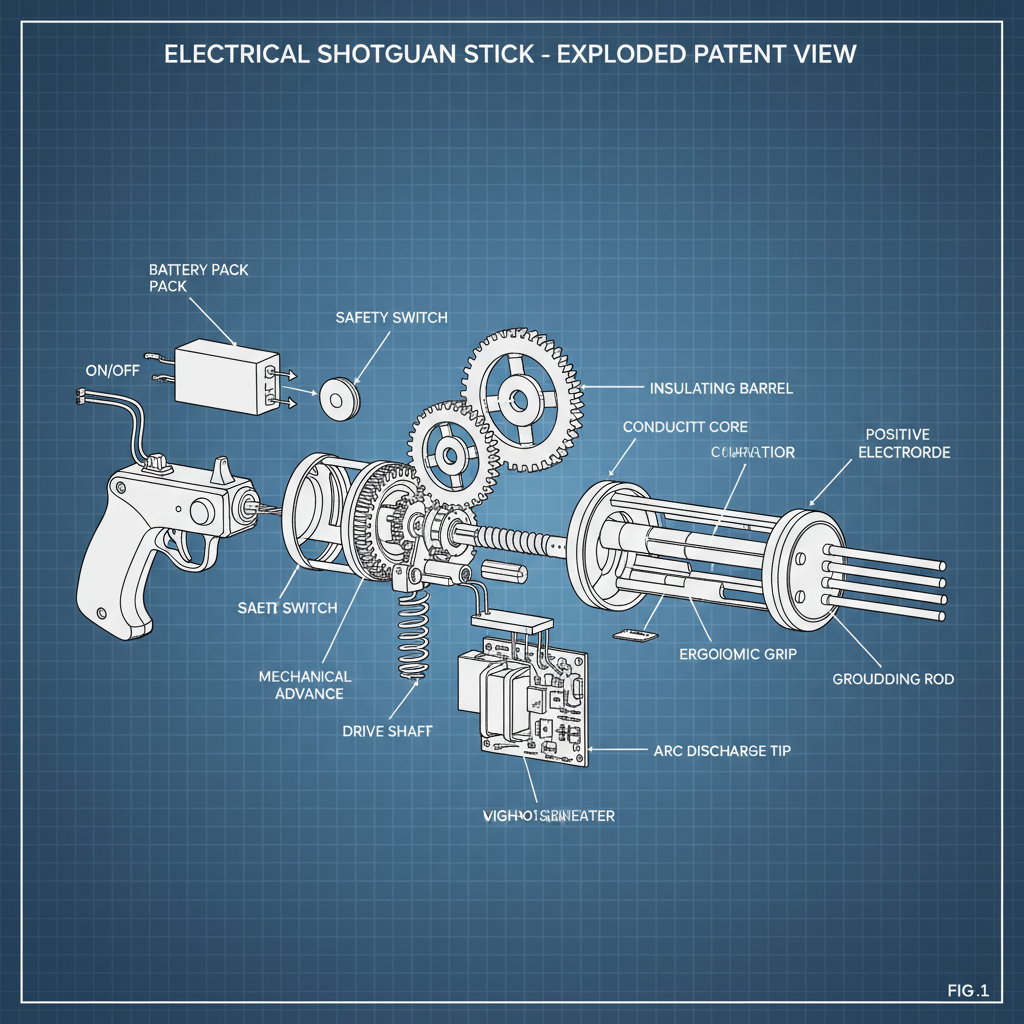
What is an Electrical Shotgun Stick?
An electrical shotgun stick is a non-conductive, pole-like tool used by electrical workers to remotely manipulate switches, circuit breakers, and other electrical components. Its primary function is to provide a safe distance between the worker and potentially hazardous electrical sources. These sticks are constructed from materials like fiberglass reinforced polyester resin, ensuring excellent dielectric strength. The length of the stick varies depending on the voltage class it's designed for, with longer sticks used for higher voltages. They are an indispensable part of any electrical safety program, offering a vital layer of protection against electrocution. The Bilopowtel offers a range of high-quality electrical shotgun sticks designed for various applications.
Key Benefits: Provides safe remote operation of electrical equipment, minimizes risk of contact with energized parts, constructed from durable and insulating materials, essential for maintaining electrical safety standards.
Types of Electrical Shotgun Sticks
Electrical shotgun sticks aren’t a one-size-fits-all solution. Different types are designed for specific tasks and voltage levels. Here's a breakdown of common varieties:
- Operating Sticks: Used for opening and closing switches and circuit breakers.
- Jumper Sticks: Employed for temporarily connecting conductors.
- Grounding Sticks: Essential for establishing a safe ground connection before working on electrical equipment.
- Voltage Detection Sticks: Used to verify the absence of voltage before commencing work.
Each type is constructed with specific attachments and features tailored to its intended purpose. Choosing the correct type of stick is critical for ensuring both safety and operational efficiency.
Electrical Shotgun Stick Specifications and Standards
Electrical shotgun sticks must adhere to stringent safety standards to guarantee reliable performance and worker protection. These standards are typically defined by organizations like ASTM International and IEEE. Key specifications include voltage ratings, dielectric strength, and mechanical strength. Understanding these specifications is crucial for selecting the appropriate stick for the application. Here’s a table outlining typical specifications:
Safety Considerations When Using Electrical Shotgun Sticks
Using an electrical shotgun stick requires strict adherence to safety protocols. Before each use, thoroughly inspect the stick for any signs of damage, such as cracks, chips, or worn insulation. Never use a damaged stick. Workers must be properly trained in the correct techniques for using the stick and should always wear appropriate personal protective equipment (PPE), including rubber gloves and sleeves. Maintaining the proper approach distance is also vital. Avoid operating in wet conditions and ensure clear communication with other team members. Regularly review and update safety procedures to reflect best practices.
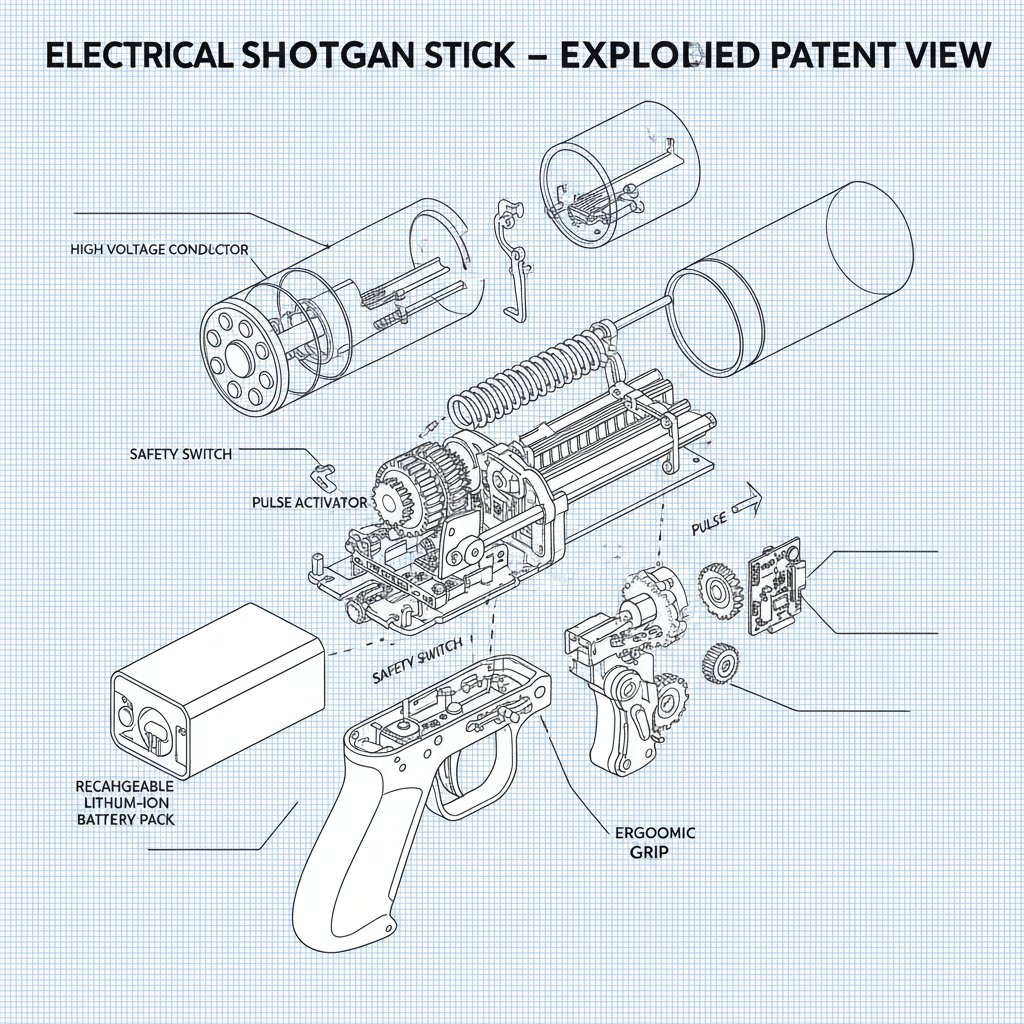
Proper Maintenance and Storage of Electrical Shotgun Sticks
Proper maintenance and storage are essential for prolonging the lifespan and ensuring the safety of electrical shotgun sticks. After each use, clean the stick with a mild detergent and water to remove any dirt or contaminants. Store the stick in a dry, well-ventilated area, away from direct sunlight and extreme temperatures. Regularly inspect the stick for damage during storage. Keep a detailed maintenance log to track inspections and repairs. Bilopowtel provides guidelines and recommendations for the proper care of its products, ensuring they remain safe and reliable.
Conclusion: Prioritizing Safety with Quality Electrical Tools
The electrical shotgun stick is a critical tool for ensuring safety in high-voltage electrical work. Choosing the right type, understanding safety standards, and adhering to proper maintenance procedures are all essential for minimizing risk and protecting workers. By investing in high-quality tools and prioritizing safety, companies can create a secure working environment and prevent potentially life-threatening accidents.
Frequently Asked Questions (FAQs)
How often should an electrical shotgun stick be inspected?
Electrical shotgun sticks should be inspected before each use, and a more thorough inspection should be conducted at least annually. Look for any signs of damage, such as cracks, chips, or worn insulation. Any stick that shows damage should be immediately removed from service. Documentation of inspections is also recommended to ensure a consistent safety program.
What is the proper approach distance when using a shotgun stick?
The proper approach distance varies depending on the voltage level. Generally, a minimum approach distance must be maintained between the worker, the stick, and any energized conductors. Refer to the relevant safety standards (e.g., OSHA, IEEE) for specific guidelines based on the voltage. It’s better to err on the side of caution and maintain a larger distance than necessary.
Can electrical shotgun sticks be repaired if damaged?
Generally, it's not recommended to repair damaged electrical shotgun sticks. The integrity of the insulation is critical, and any repair could compromise its safety. Damaged sticks should be taken out of service and replaced. Contact Bilopowtel for advice on appropriate replacement options and proper disposal of damaged equipment.
What training is required to use an electrical shotgun stick safely?
Comprehensive training is essential before anyone uses an electrical shotgun stick. Training should cover proper stick handling techniques, safety procedures, voltage approach distances, emergency procedures, and the correct use of associated PPE. Regular refresher training is also recommended to reinforce safe work practices.
Latest news
Precision Lifting and Pulling with the Lever Block 0.5 Ton Guide
NewsApr.16,2026
Precision Engineering Guide for High Performance Jet Lever
NewsApr.16,2026
Ultimate Guide to Choosing the Professional Industrial hoist lever
NewsApr.16,2026
Industrial Hoist Lever Chain Guide for Heavy Lifting and Rigging
NewsApr.16,2026
Industrial Lever Hoist Guide for Efficient Lifting and Pulling
NewsApr.16,2026
Ultimate Guide to Hand Ratchet Lift for Heavy Industrial Lifting
NewsApr.16,2026
- CONTACT
- ADDRESS: 188, Fengshou Road, Shijiazhuang. China
- EMAlL: info@bilopowtel.com
- PHONE: 0086-311-88862036
- WHATSAPP: 0086-152-26563165


