



Feb . 12, 2026 01:45 Back to list
Comprehensive Guide to Hot Stick Price Factors and Selection
Understanding the Hot Stick Price: A Comprehensive Guide
When working with or around electrical systems, safety is paramount. Insulated hot sticks are essential tools for linemen and technicians, allowing them to perform tasks on energized equipment from a safe distance. Understanding the hot stick price is crucial for budgeting and ensuring your team has the appropriate safety gear. This article will delve into the factors influencing the cost of hot sticks, different types available, and how to choose the right tool for your needs. We’ll also explore the importance of regular inspection and maintenance to maximize the lifespan and safety of your investment.
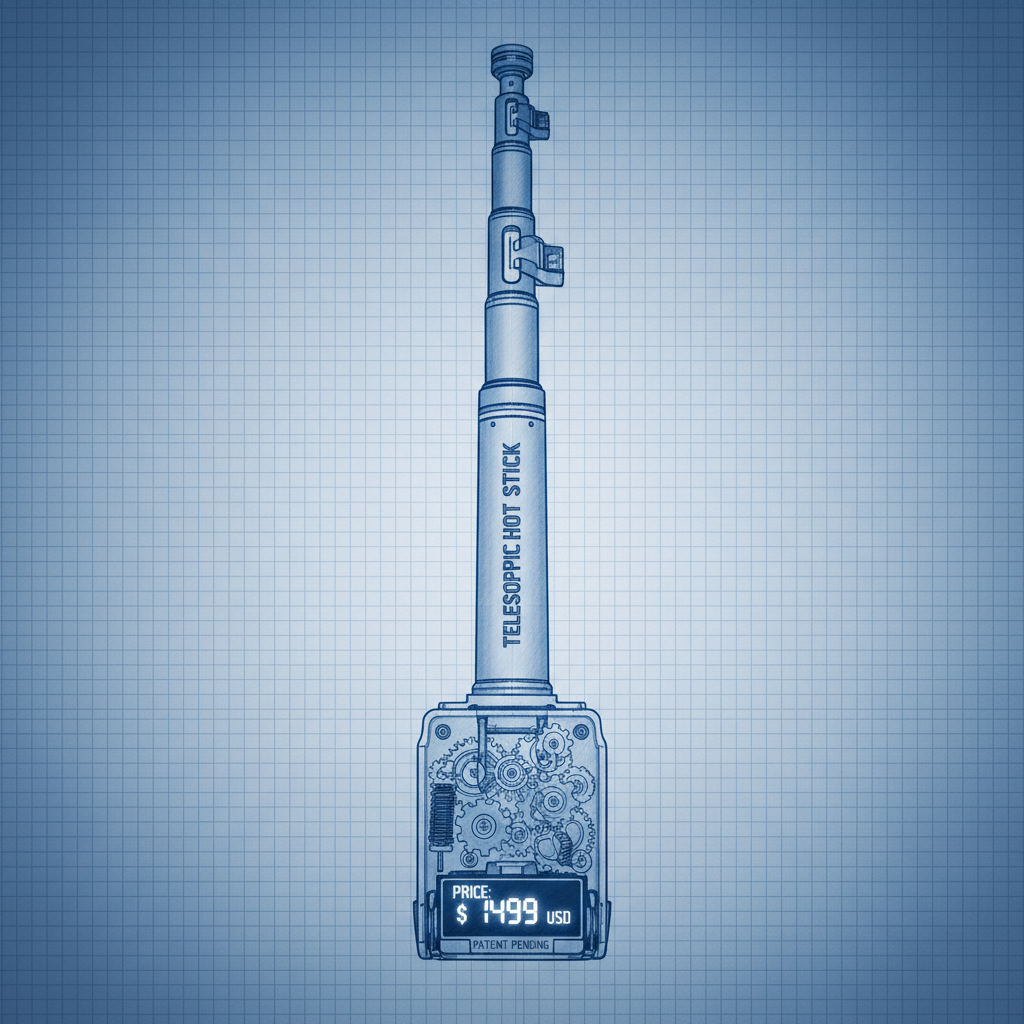
Factors Influencing the Hot Stick Price
Several key factors determine the cost of a hot stick. The material used is a primary driver; fiberglass reinforced epoxy (FRE) is common, but higher voltage ratings and specialized materials like carbon fiber can significantly increase the price. Length is another important consideration, with longer sticks generally costing more. Voltage rating, which dictates the maximum voltage the stick can safely handle, also plays a major role. Finally, the accessories included – such as grounding attachments, carrying cases, and tip options – can add to the overall expense. Understanding these factors helps in making an informed purchasing decision.
Key Considerations: Material, Length, Voltage Rating, Accessories. Choosing the right combination is crucial for safety and cost-effectiveness.
Types of Hot Sticks and Their Price Ranges
Hot sticks come in various configurations tailored to specific tasks. Jumpers are used for temporarily connecting conductors. Grounding sticks safely ground equipment before work begins. Sleeve sticks offer insulation for short-circuiting and are vital for line repair. Stick tips, interchangeable attachments, add functionality for gripping, cutting, or manipulating conductors. The cost of a hot stick varies depending on its type and specific features.
Hot Stick Types & Applications:
• Jumpers: Temporary conductor connections.
• Grounding Sticks: Equipment grounding for safety.
• Sleeve Sticks: Short-circuiting and line repair.
• Stick Tips: Versatile attachments for various tasks.
A Price Comparison: Different Hot Stick Models
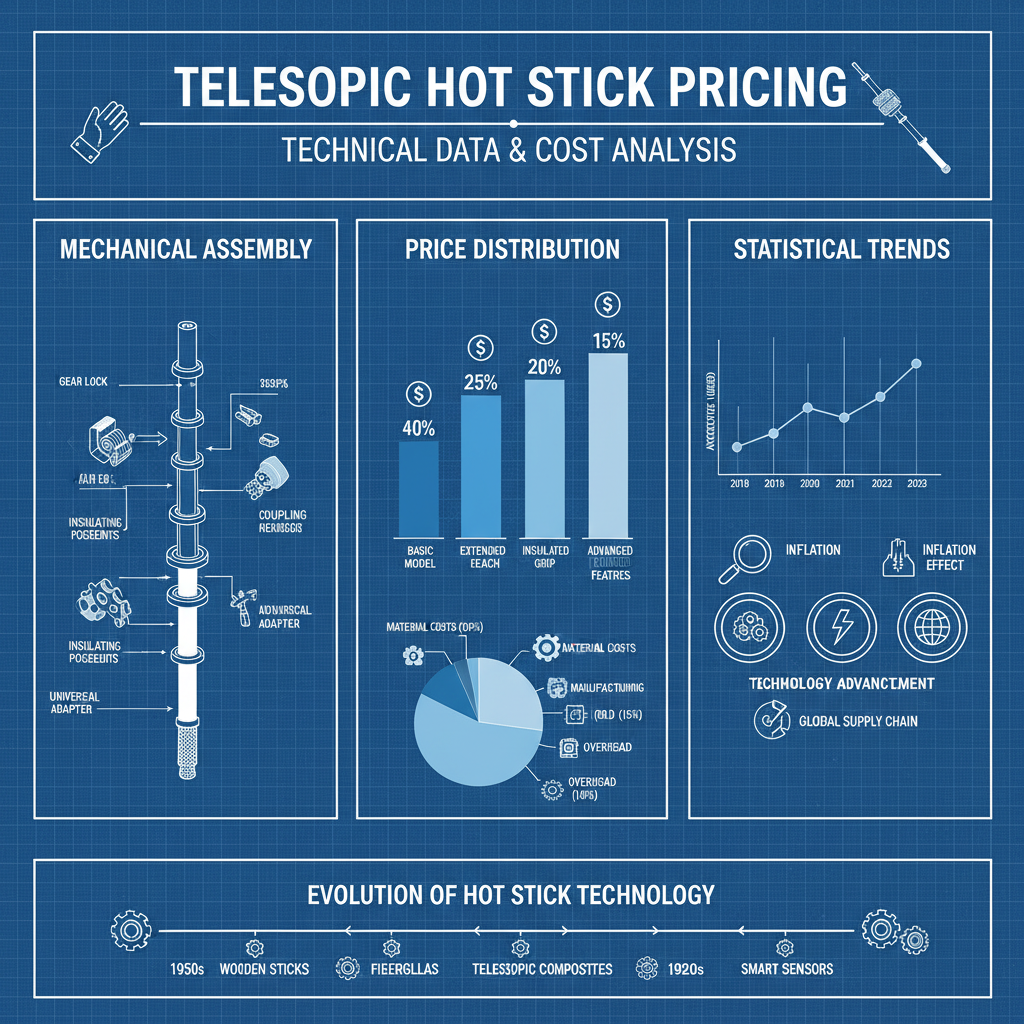
The hot stick price can vary significantly between manufacturers and models. Below is a comparative table showcasing price ranges for different types and voltage ratings. Please note these are approximate and subject to change based on supplier and specific configurations.
Choosing the Right Hot Stick: Key Considerations
Selecting the correct hot stick is crucial for safety and efficiency. Always consider the highest voltage you’ll be working with and choose a stick rated for at least that voltage, plus a safety margin. The length should provide adequate clearance from energized equipment. Look for sticks that meet industry standards (ASTM F711) and have been thoroughly tested. Furthermore, a reputable supplier like BiloPowTel can offer guidance and ensure you receive a high-quality product.
Maintenance and Inspection: Protecting Your Investment
Regular inspection and maintenance are essential for extending the life of your hot sticks and ensuring their continued safety. Before each use, thoroughly inspect the stick for any cracks, damage, or contamination. Clean the stick with a mild detergent if necessary. Store the sticks in a dry, secure location away from direct sunlight and extreme temperatures. Follow the manufacturer’s recommendations for periodic testing and retirement criteria. Proper care significantly reduces the risk of failure and protects your personnel.
Conclusion: Prioritizing Safety and Value
Understanding the factors that influence the hot stick price, choosing the appropriate tools, and implementing a robust maintenance program are vital for ensuring worker safety and maximizing your investment. Don’t compromise on quality when it comes to electrical safety – choose reliable hot sticks from a trusted supplier like BiloPowTel.
Frequently Asked Questions (FAQs)
What is the typical lifespan of a hot stick?
The lifespan of a hot stick varies depending on usage and maintenance, but generally, they should be retired after 10-20 years, even without visible damage. Regular inspections for cracks, wear, and contamination are crucial. A properly maintained hot stick used in moderate conditions can last for many years. Following the manufacturer's recommendations for inspection and retirement is essential for safety.
How often should hot sticks be inspected?
Hot sticks should be inspected before each use for any visible damage, such as cracks, chips, or contamination. A more thorough inspection should be conducted at least annually, or more frequently depending on usage and environmental conditions. Keep a detailed record of all inspections, noting any findings and corrective actions taken.
What certifications should I look for when purchasing hot sticks?
Look for hot sticks that meet ASTM F711 standards, which outline the requirements for electrical insulating sticks. This certification ensures the stick has been tested and meets specific safety criteria. Reputable manufacturers will provide documentation verifying compliance with these standards. Verify that the hot stick’s voltage rating matches the application it’s intended for.
Latest news
Precision Lifting and Pulling with the Lever Block 0.5 Ton Guide
NewsApr.16,2026
Precision Engineering Guide for High Performance Jet Lever
NewsApr.16,2026
Ultimate Guide to Choosing the Professional Industrial hoist lever
NewsApr.16,2026
Industrial Hoist Lever Chain Guide for Heavy Lifting and Rigging
NewsApr.16,2026
Industrial Lever Hoist Guide for Efficient Lifting and Pulling
NewsApr.16,2026
Ultimate Guide to Hand Ratchet Lift for Heavy Industrial Lifting
NewsApr.16,2026
- CONTACT
- ADDRESS: 188, Fengshou Road, Shijiazhuang. China
- EMAlL: info@bilopowtel.com
- PHONE: 0086-311-88862036
- WHATSAPP: 0086-152-26563165


