



Feb . 12, 2026 01:45 Back to list
Understanding Link Stick Price Factors and Applications for Optimal Cable Management
Understanding Link Stick Price: A Comprehensive Guide
When considering solutions for secure cable management and infrastructure, understanding the link stick price is a crucial first step. These versatile components are essential for telecom, data centers, and various industrial applications. This article will delve into the factors influencing pricing, explore the benefits, and provide insights into choosing the right link sticks for your specific needs. Effective cable management contributes significantly to system reliability and long-term cost savings. Understanding the price points of link sticks allows for informed budget allocation and strategic planning.
What are Link Sticks and Why are They Important?
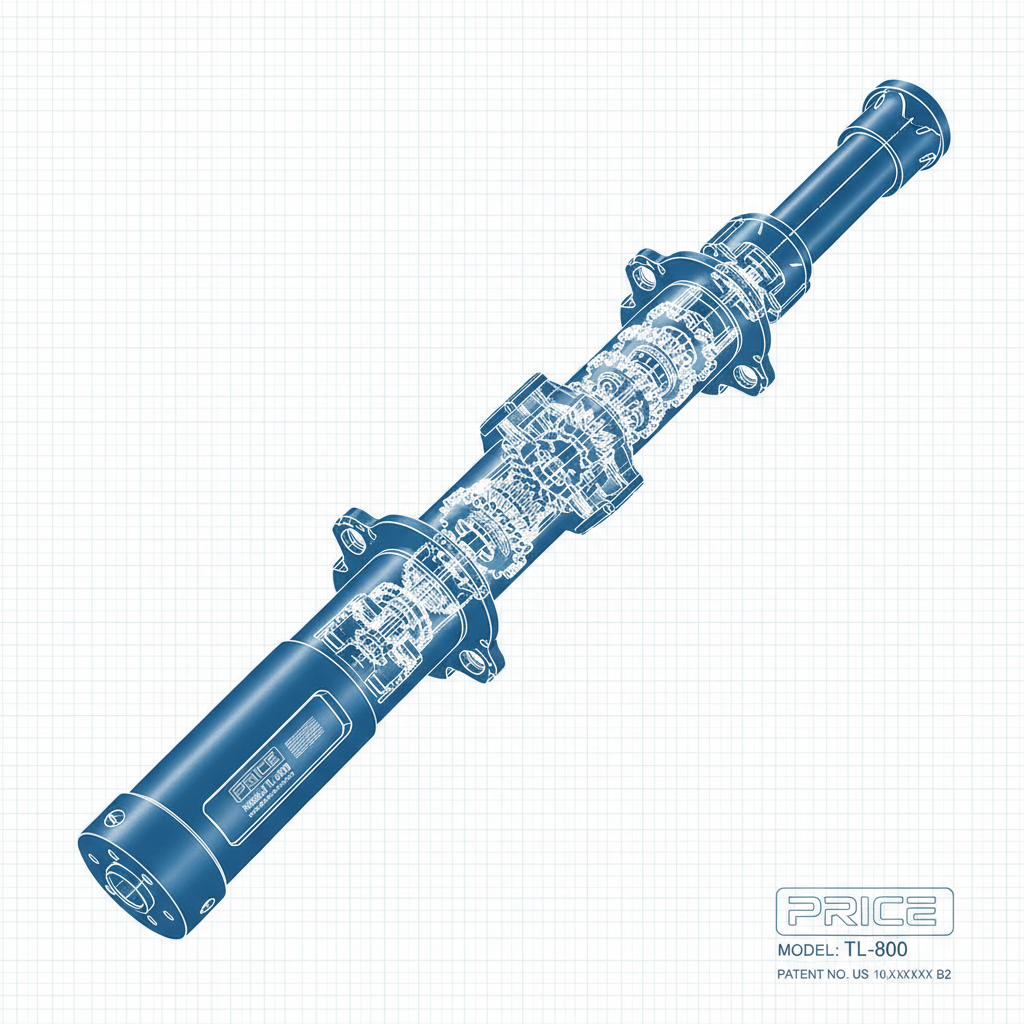
Link sticks, also known as cable support arms, are used to securely hold and organize cables within a network infrastructure. They prevent cable sagging, tangling, and potential damage, contributing to improved airflow and easier maintenance. These sticks are commonly used in conjunction with cable trays and ladders, providing additional support and ensuring proper cable routing. Their importance extends to maintaining signal integrity, reducing downtime, and enhancing the overall efficiency of network operations. Bilopowtel offers a comprehensive range of link sticks designed for diverse applications.
Key Benefits: Prevents cable sagging and damage, improves airflow, simplifies maintenance, and enhances signal integrity.
Factors Influencing the Link Stick Price
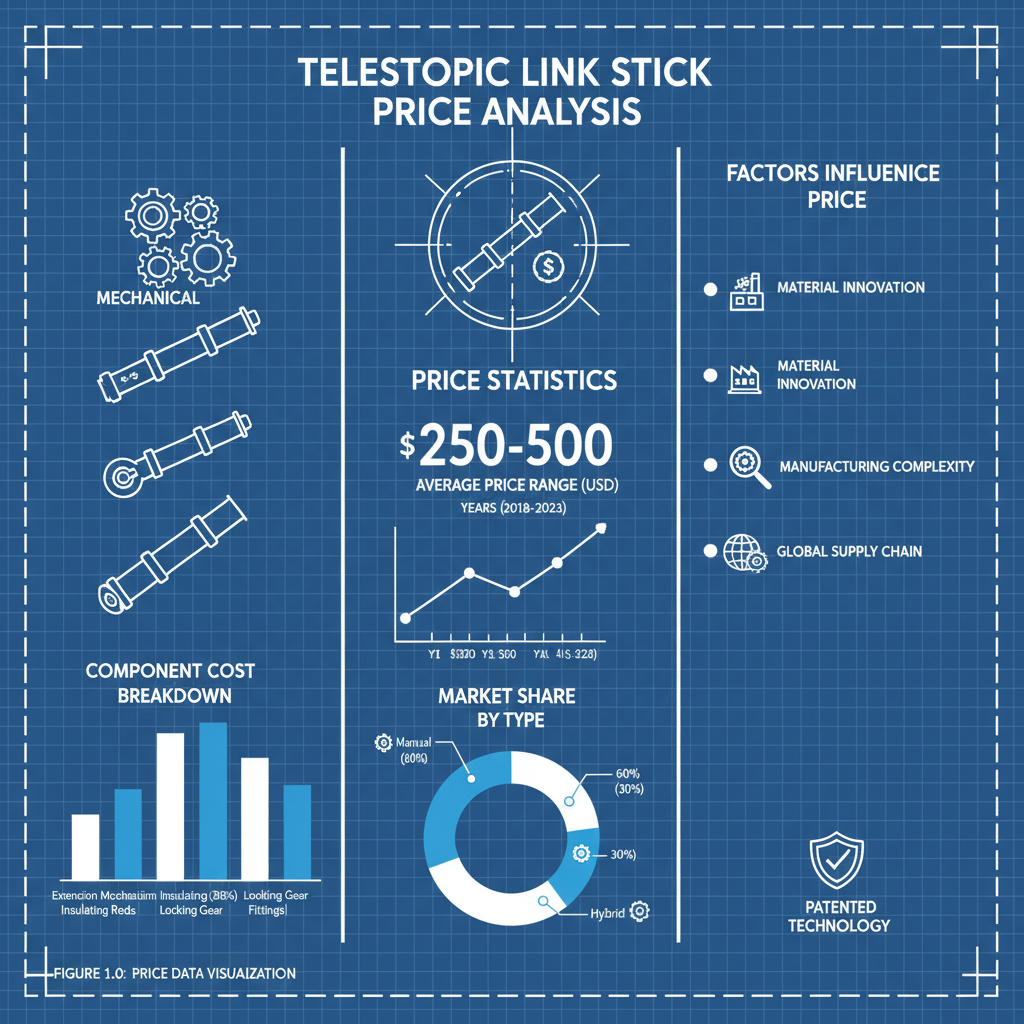
Several factors contribute to the price of link sticks. Material composition is a primary driver – galvanized steel, stainless steel, and aluminum each come with different cost implications. The length and diameter of the link stick also significantly impact pricing, with larger and stronger sticks typically costing more. Quantity ordered plays a crucial role, as bulk purchases often qualify for discounts. Finally, the manufacturer and supplier also influence the price point, with reputable brands like Bilopowtel offering competitive pricing.
Key Pricing Factors:
• Material (Galvanized Steel, Stainless Steel, Aluminum)
• Length and Diameter
• Order Quantity
• Manufacturer and Supplier
Comparing Material Costs: A Price Breakdown
The material used in link stick construction directly affects its cost and suitability for specific environments. Galvanized steel offers a balance of strength and affordability, while stainless steel provides superior corrosion resistance but at a higher price point. Aluminum is lightweight and corrosion-resistant, making it ideal for certain applications, but it generally has lower load-bearing capacity than steel. Here’s a comparative overview:
Applications and Corresponding Link Stick Price Points
The ideal link stick solution varies depending on the application. Data centers often prioritize stainless steel for its corrosion resistance and reliability, leading to a higher price point. Telecom installations in outdoor environments may opt for galvanized steel to balance cost and durability. Indoor commercial cabling can often utilize aluminum link sticks for lightweight support. Bilopowtel provides tailored solutions to meet these diverse needs.
Choosing the Right Link Stick: Key Considerations
When selecting link sticks, consider the weight of the cables, the environmental conditions, and the desired level of support. Ensure the link sticks are compatible with your existing cable management system. Always prioritize quality and choose a reputable supplier like Bilopowtel to ensure you receive durable and reliable products. Properly installed link sticks will contribute to a longer-lasting and more efficient network infrastructure.
Conclusion: Optimizing Your Investment in Link Sticks
Understanding the link stick price and the factors that influence it is essential for making informed decisions. By carefully considering your specific needs and choosing a reputable supplier like Bilopowtel, you can optimize your investment and ensure a reliable and efficient cable management system. Don't compromise on quality – choose the right link sticks for your long-term success.
Frequently Asked Questions (FAQs)
What is the typical lifespan of a link stick?
The lifespan of a link stick depends heavily on the environment and material. Galvanized steel link sticks in indoor environments can last for 10-15 years with minimal corrosion. Stainless steel link sticks offer a significantly longer lifespan, potentially exceeding 20 years, even in harsh conditions. Regular inspections for wear and tear are crucial to identify potential issues before they compromise safety and performance. Factors like humidity, exposure to chemicals, and mechanical stress can accelerate degradation.
Are link sticks compatible with all cable tray systems?
While many link sticks are designed for universal compatibility, it’s essential to verify compatibility with your specific cable tray system. Different tray systems may require link sticks with varying thread sizes or mounting mechanisms. Bilopowtel offers a range of link sticks designed to be compatible with various cable tray brands and models. Checking product specifications and consulting with a cabling expert can help ensure a seamless integration.
What load capacity should I look for in a link stick?
The load capacity of a link stick is a crucial factor to consider. It must be able to safely support the weight of the cables routed through it. Calculate the total weight of the cables, including any potential future additions, and select a link stick with a load capacity that exceeds this weight by a significant margin (at least 20-30%). The material and diameter of the link stick directly influence its load-bearing capacity. Bilopowtel provides detailed specifications for each link stick, including its maximum load capacity.
Latest news
Precision Lifting and Pulling with the Lever Block 0.5 Ton Guide
NewsApr.16,2026
Precision Engineering Guide for High Performance Jet Lever
NewsApr.16,2026
Ultimate Guide to Choosing the Professional Industrial hoist lever
NewsApr.16,2026
Industrial Hoist Lever Chain Guide for Heavy Lifting and Rigging
NewsApr.16,2026
Industrial Lever Hoist Guide for Efficient Lifting and Pulling
NewsApr.16,2026
Ultimate Guide to Hand Ratchet Lift for Heavy Industrial Lifting
NewsApr.16,2026
- CONTACT
- ADDRESS: 188, Fengshou Road, Shijiazhuang. China
- EMAlL: info@bilopowtel.com
- PHONE: 0086-311-88862036
- WHATSAPP: 0086-152-26563165


