



Feb . 11, 2026 01:45 Back to list
Comprehensive Guide to Hot Stick Electrical Safety Procedures and Best Practices
Hot Stick Electrical Safety: A Comprehensive Guide
Maintaining safety when working with or near electrical equipment is paramount. Hot sticks, also known as insulated sticks, are essential tools for electrical workers, enabling them to perform tasks remotely and minimizing the risk of electrical shock. This article provides a thorough overview of hot stick electrical safety, covering proper usage, inspection, maintenance, and the importance of adhering to industry standards. Prioritizing safety protocols is crucial for protecting personnel and preventing accidents.
Understanding Hot Sticks and Their Purpose
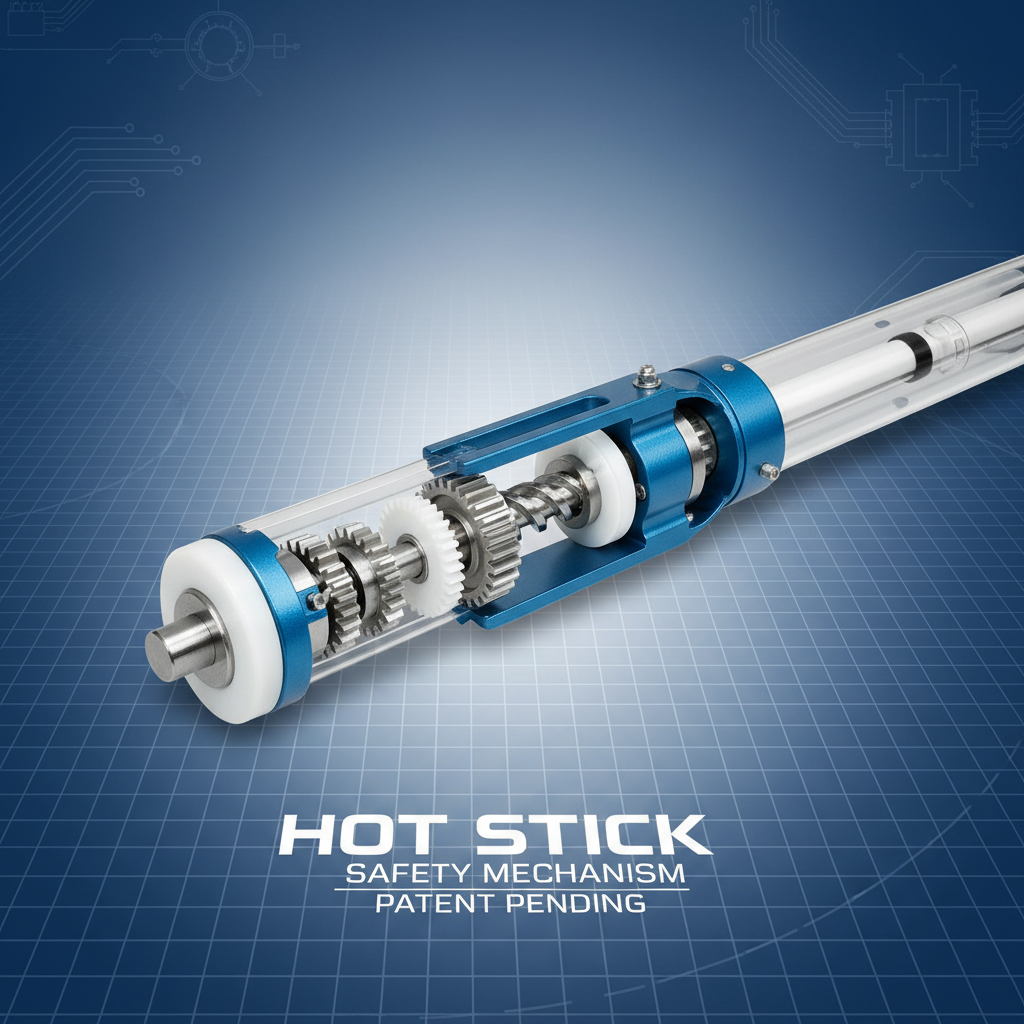
Hot sticks are non-conductive tools designed to allow electrical workers to operate electrical equipment from a safe distance. They are primarily used for tasks such as opening and closing switches, operating isolators, and applying or removing grounds. These tools typically consist of a fiberglass or composite stick with an interchangeable head designed for the specific task. The insulating material prevents electrical current from flowing through the worker, mitigating the risk of electric shock. Different head types are available, each suited for a particular function, making hot sticks incredibly versatile in various electrical applications. Choosing the correct hot stick and head for the job is essential.
Key Benefit: Hot sticks significantly reduce the risk of electrical shock by allowing workers to maintain a safe distance from energized equipment.
Essential Safety Procedures When Using Hot Sticks
Safe operation of hot sticks requires strict adherence to established procedures. Before each use, a thorough inspection of the hot stick is mandatory. Check for any signs of damage, such as cracks, chips, or fiber bloom in the insulation. Ensure the head is securely attached and undamaged. Workers should wear appropriate personal protective equipment (PPE), including rubber gloves, sleeves, and face shields, even when using hot sticks, as an added layer of protection. Proper grounding techniques are also critical, ensuring a safe path for fault current. Always maintain a safe working distance from energized parts, and communicate clearly with other team members throughout the operation. Bilopowtel provides high-quality hot sticks and resources to enhance safety.
Safety Checklist:
• Inspect for damage before each use
• Wear appropriate PPE
• Ensure proper grounding
• Maintain a safe working distance
Hot Stick Inspection: Detecting Potential Hazards
Regular and thorough inspection is critical to maintaining the integrity of hot sticks. Look for any visible damage to the insulating material, such as cracks, blisters, or discoloration. A “fiber bloom,” where strands of fiberglass are visible on the surface, indicates degradation of the insulation. The head attachment should be secure and free of corrosion. Test the conductivity of the stick using a high-voltage tester to ensure the insulation is still effective. Any hot stick that fails inspection should be immediately removed from service. Detailed inspection records should be maintained to track the condition of each hot stick over time.
Hot Stick Electrical Safety: Standards and Regulations
The use of hot sticks is governed by industry standards and regulations to ensure worker safety. In the United States, OSHA (Occupational Safety and Health Administration) provides guidelines for working with energized equipment. ASTM International develops standards for hot stick construction and performance. These standards specify the required insulation strength, mechanical strength, and testing procedures for hot sticks. Employers are responsible for providing workers with hot sticks that meet these standards and for ensuring that workers are properly trained in their safe use. Compliance with these regulations is critical for preventing accidents and maintaining a safe working environment.
Proper Storage and Maintenance of Hot Sticks
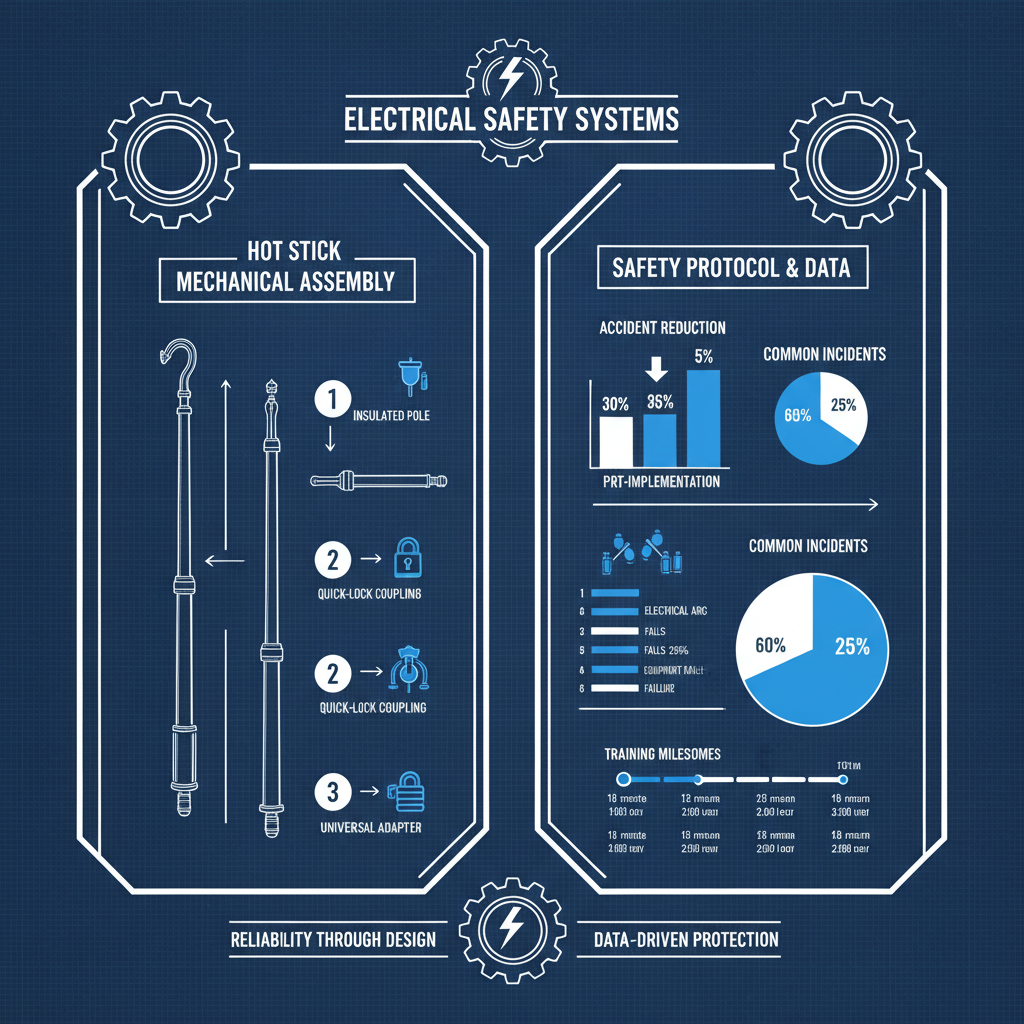
Proper storage and maintenance are essential for extending the lifespan of hot sticks and ensuring their continued effectiveness. Store hot sticks in a clean, dry location, away from direct sunlight, chemicals, and extreme temperatures. Avoid dropping or subjecting the sticks to mechanical stress. Regularly clean the insulation with a mild detergent and water. Keep records of all inspections, maintenance, and repairs. Following these guidelines will help maintain the integrity of the hot sticks and ensure they are ready for use when needed. Investing in quality hot sticks from a reputable supplier like Bilopowtel is a crucial step in promoting electrical safety.
Conclusion: Prioritizing Hot Stick Electrical Safety
Ensuring hot stick electrical safety is not merely a procedural requirement but a fundamental commitment to protecting the lives of electrical workers. By adhering to proper inspection, usage, and maintenance practices, and by complying with industry standards, the risk of electrical accidents can be significantly reduced. Investing in high-quality hot sticks from a trusted supplier is a critical component of a comprehensive safety program.
Frequently Asked Questions (FAQs)
What training is required for using hot sticks?
Comprehensive training is essential for anyone using hot sticks. This training should cover proper inspection techniques, safe operating procedures, the correct selection of hot stick heads for specific tasks, and emergency procedures. Workers should be familiar with relevant OSHA regulations and industry standards. Refresher training should be provided periodically to reinforce safe work practices. The training should also emphasize the importance of wearing appropriate PPE and maintaining a safe working distance from energized equipment.
How often should hot sticks be replaced?
The recommended replacement frequency for hot sticks varies depending on usage and environmental conditions. Generally, hot sticks should be replaced every 5-10 years, even if they appear to be in good condition. However, if any signs of damage are detected during inspection – such as cracks, blisters, or fiber bloom – the stick should be removed from service immediately. Regular inspection and documentation will help determine the appropriate replacement schedule.
What are the different types of hot stick heads?
There are various types of hot stick heads designed for different applications. Common types include hook heads for pulling cables, loop heads for opening and closing switches, grounding heads for applying ground connections, and pin heads for specific switching operations. Selecting the correct head for the task is crucial for ensuring safety and efficiency. Bilopowtel offers a comprehensive range of hot stick heads to meet diverse electrical needs.
Latest news
Precision Lifting and Pulling with the Lever Block 0.5 Ton Guide
NewsApr.16,2026
Precision Engineering Guide for High Performance Jet Lever
NewsApr.16,2026
Ultimate Guide to Choosing the Professional Industrial hoist lever
NewsApr.16,2026
Industrial Hoist Lever Chain Guide for Heavy Lifting and Rigging
NewsApr.16,2026
Industrial Lever Hoist Guide for Efficient Lifting and Pulling
NewsApr.16,2026
Ultimate Guide to Hand Ratchet Lift for Heavy Industrial Lifting
NewsApr.16,2026
- CONTACT
- ADDRESS: 188, Fengshou Road, Shijiazhuang. China
- EMAlL: info@bilopowtel.com
- PHONE: 0086-311-88862036
- WHATSAPP: 0086-152-26563165


