



Jan . 30, 2026 14:40 Back to list
Comprehensive Guide to High Voltage Link Stick Applications and Safety
Understanding the Applications and Benefits of a High Voltage Link Stick
Working with or near high voltage electrical systems demands the utmost care and specialized tools. A high voltage link stick is an essential piece of equipment for electrical workers, offering a safe and reliable method for connecting and disconnecting electrical components. This article delves into the purpose, features, safety considerations, and applications of high voltage link sticks, providing a comprehensive overview for professionals in the power industry. Ensuring the right tool for the job and understanding proper usage protocols are critical for preventing accidents and maintaining a secure work environment.
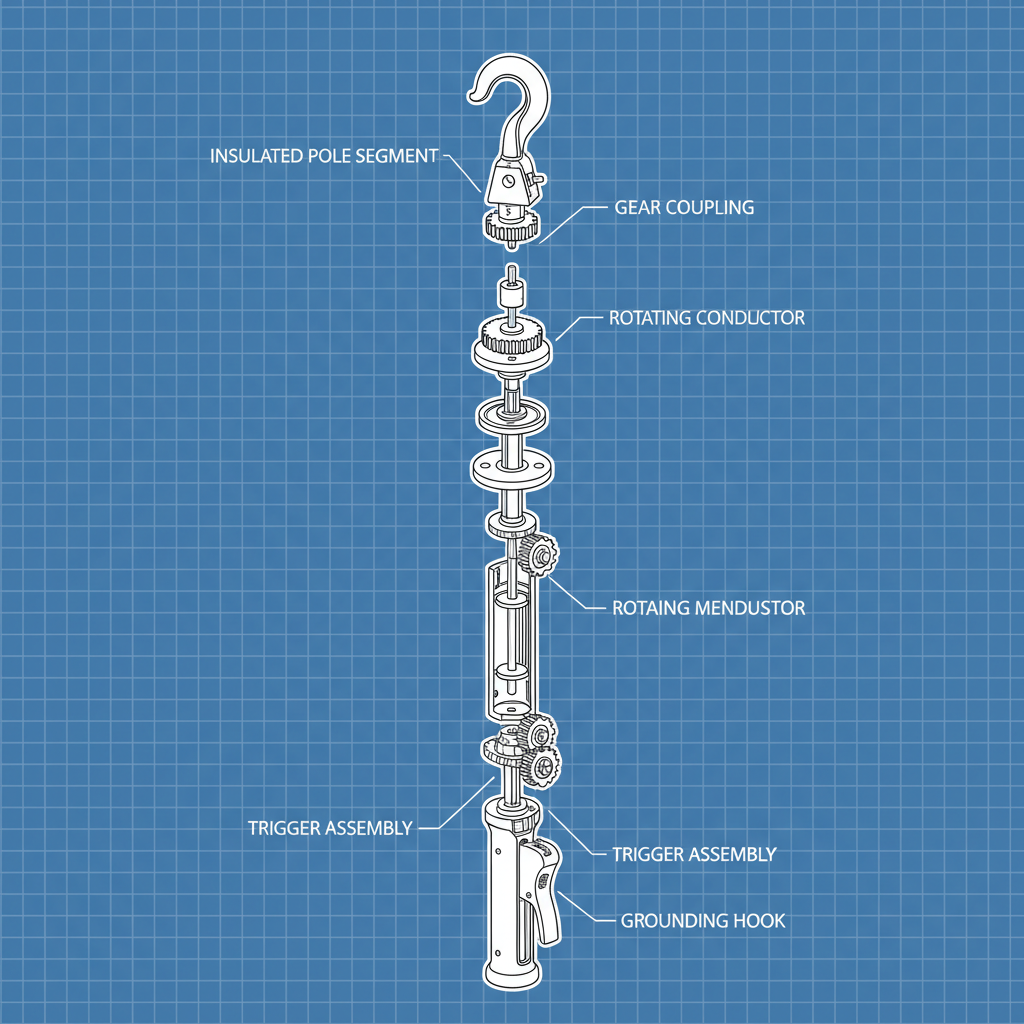
What is a High Voltage Link Stick?
A high voltage link stick, sometimes referred to as a hot stick, is a non-conductive tool used by electrical linemen and technicians to manipulate electrical equipment remotely. It’s designed to maintain a safe distance between the worker and energized components, preventing electrical shock. These sticks are typically made from fiberglass reinforced polymer (FRP) materials, providing excellent strength and electrical insulation. They are commonly used for tasks such as operating switches, connecting or disconnecting jumpers, and performing voltage testing. Choosing a link stick from a reputable manufacturer is vital to ensure safety and reliability.
Key Characteristics: Constructed from durable FRP materials, providing exceptional strength and electrical insulation. Designed for remote manipulation of electrical equipment, maintaining worker safety. Available in various lengths to accommodate different working heights and distances.
Key Features of High Voltage Link Sticks
Modern high voltage link sticks incorporate several key features designed to enhance safety and functionality. These include ergonomic grips for comfortable and secure handling, universal chucks to accommodate various attachments, and graduated markings for accurate positioning. Some sticks also feature built-in voltage indicators for enhanced situational awareness. Regular inspection and maintenance are crucial to ensure the continued effectiveness of these tools. Using a damaged or compromised link stick can pose a significant safety risk.
Applications of a High Voltage Link Stick
High voltage link sticks are versatile tools used in a variety of applications within the power industry. Common uses include: operating distribution and transmission line switches, installing and removing jumpers and grounds, performing voltage testing and phasing, and restoring power after outages. They are also utilized in substation maintenance and repair work. The appropriate length of the link stick is determined by the voltage level of the system being worked on and the required working distance.
Common Applications:
• Operating switches on distribution and transmission lines
• Installing and removing jumpers and grounds
• Performing voltage testing and phasing
• Substation maintenance and repair
High Voltage Link Stick Specifications & Comparison
Different applications require different specifications for high voltage link sticks. Factors such as voltage rating, length, and attachment type are crucial considerations. Here’s a comparison of common specifications:
Safety Considerations When Using High Voltage Link Sticks
Safety is paramount when working with high voltage link sticks. Always inspect the stick for any signs of damage before each use. Ensure the stick is clean and dry to maintain its insulating properties. Never use a link stick if it’s cracked, chipped, or otherwise compromised. Proper training and adherence to established safety procedures are essential. Workers should always wear appropriate personal protective equipment (PPE), including rubber gloves and sleeves, and maintain a safe working distance. Bilopowtel offers a range of safety training resources for proper link stick utilization.
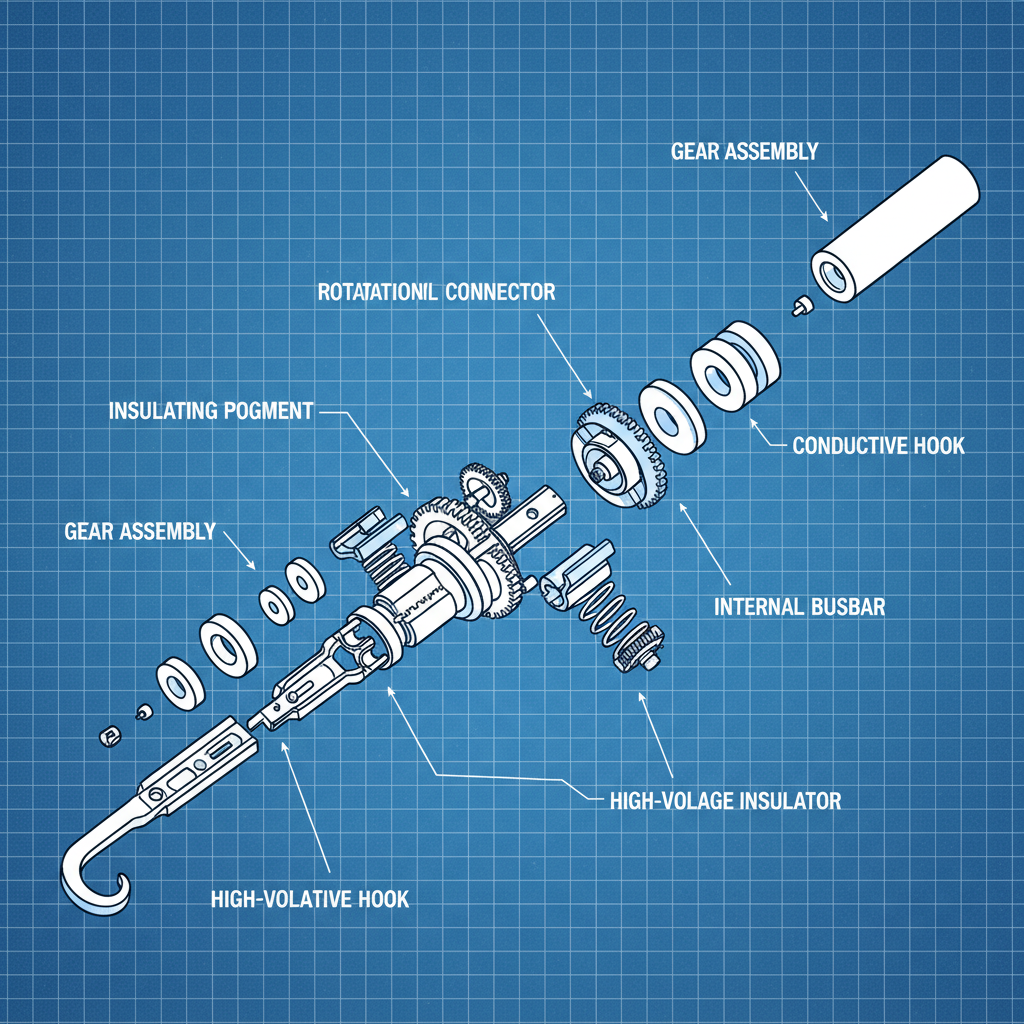
Conclusion: Ensuring Safe and Efficient Electrical Work
Investing in high-quality high voltage link sticks and providing comprehensive safety training is crucial for protecting electrical workers and maintaining the reliability of the power grid. By understanding the proper application, specifications, and safety considerations, you can ensure efficient and secure electrical work. Don’t compromise on safety – choose quality and prioritize training.
Frequently Asked Questions (FAQs)
What is the typical lifespan of a high voltage link stick?
The lifespan of a high voltage link stick varies depending on frequency of use, environmental conditions, and maintenance practices. Generally, a well-maintained stick can last for 5-10 years. However, it's crucial to conduct regular inspections for any signs of damage, such as cracks, chips, or delamination. Any visible damage warrants immediate replacement. UV exposure and prolonged exposure to harsh chemicals can also degrade the material, shortening the lifespan. Following the manufacturer's recommendations for storage and maintenance is vital.
What materials are high voltage link sticks typically made of?
The vast majority of high voltage link sticks are constructed from Fiberglass Reinforced Polymer (FRP) materials. FRP offers an exceptional combination of strength, lightweight properties, and superior electrical insulation. Some higher-end sticks may utilize advanced composite materials for increased durability and performance. The materials are carefully selected to withstand the stresses of operation and provide reliable protection against electrical hazards. The quality of the FRP directly impacts the safety and longevity of the tool.
How often should a high voltage link stick be inspected?
High voltage link sticks should be inspected before each use. This inspection should include a visual check for any cracks, chips, delamination, or other signs of damage. Additionally, a more thorough inspection should be conducted at least annually, or more frequently if the stick is used heavily. This annual inspection should be performed by a qualified individual and include testing of the stick's insulating properties. Proper documentation of inspections is recommended.
What are the key safety precautions when using a high voltage link stick?
Always wear appropriate PPE, including rubber gloves and sleeves. Ensure the stick is clean and dry. Never use a damaged stick. Maintain a safe working distance from energized components. Follow established safety procedures. Receive proper training on the correct usage of the stick. Be aware of your surroundings and potential hazards. Regularly review safety protocols and best practices.
Latest news
Precision Lifting and Pulling with the Lever Block 0.5 Ton Guide
NewsApr.16,2026
Precision Engineering Guide for High Performance Jet Lever
NewsApr.16,2026
Ultimate Guide to Choosing the Professional Industrial hoist lever
NewsApr.16,2026
Industrial Hoist Lever Chain Guide for Heavy Lifting and Rigging
NewsApr.16,2026
Industrial Lever Hoist Guide for Efficient Lifting and Pulling
NewsApr.16,2026
Ultimate Guide to Hand Ratchet Lift for Heavy Industrial Lifting
NewsApr.16,2026
- CONTACT
- ADDRESS: 188, Fengshou Road, Shijiazhuang. China
- EMAlL: info@bilopowtel.com
- PHONE: 0086-311-88862036
- WHATSAPP: 0086-152-26563165


