



Jan . 30, 2026 14:40 Back to list
Comprehensive Guide to High Voltage Hot Stick Tools for Linemen Safety
High Voltage Hot Stick Tools: A Comprehensive Guide
Working with high voltage electricity is inherently dangerous, and utilizing the right tools is paramount for ensuring the safety of linemen and technicians. High voltage hot stick tools are essential equipment for performing live-line maintenance and repairs. This article will provide a thorough overview of these crucial tools, covering their types, applications, safety considerations, and maintenance best practices. Understanding the proper use and care of these tools can significantly reduce the risk of electrical accidents and ensure a safe working environment. Bilo Powtel offers a range of these vital tools, designed for reliability and performance.
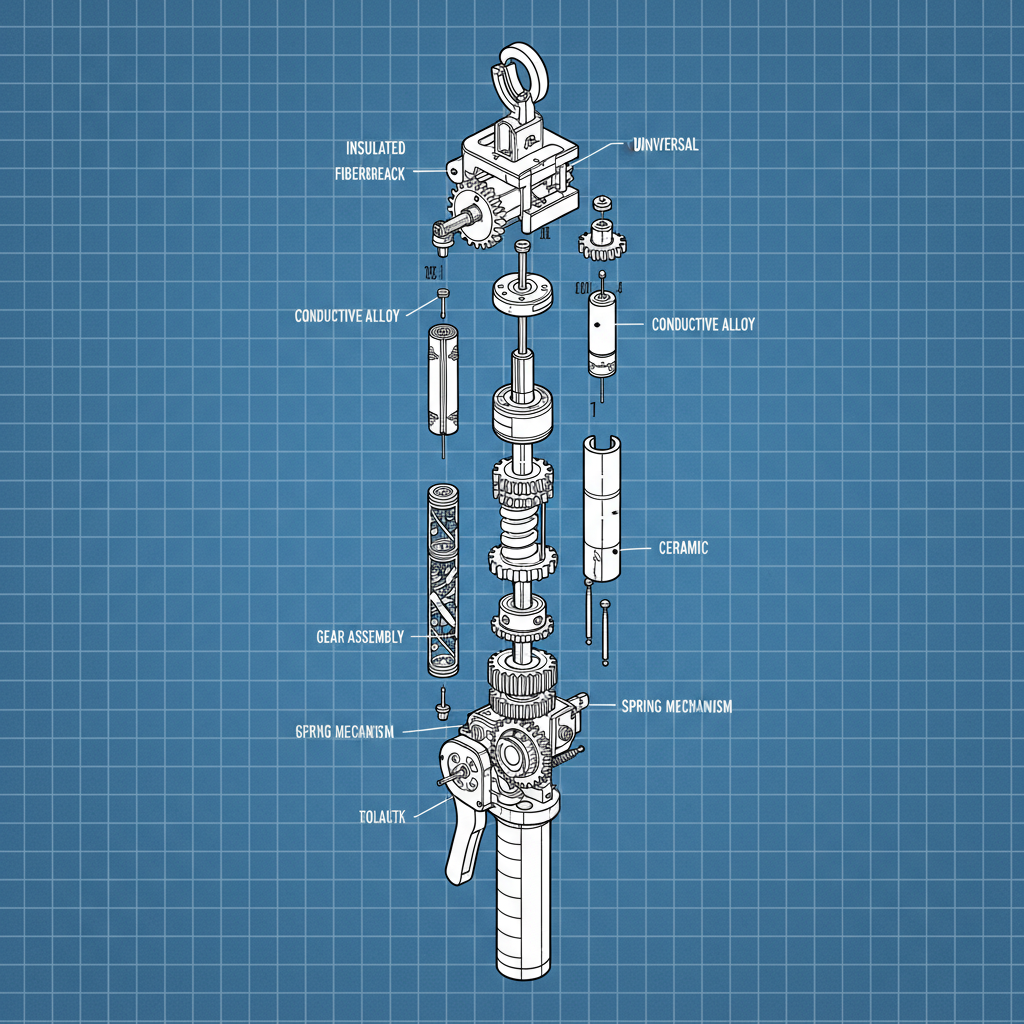
Understanding the Different Types of High Voltage Hot Sticks
High voltage hot stick tools aren't one-size-fits-all. Various types are designed for specific tasks. These include: stick extenders for reaching greater distances, voltage detectors for confirming circuit de-energization, grounding sticks for providing a safe path to ground, insulating links for connecting different tools together, and cutter sticks for safely cutting wires and cables. The choice of tool depends on the specific application and voltage level. Investing in a comprehensive set allows linemen to tackle a wider range of challenges safely and efficiently. Bilo Powtel offers a complete selection of hot stick tools to meet diverse operational needs.
Key Highlight: Hot stick tools are constructed with durable, non-conductive materials like fiberglass reinforced epoxy resin to ensure maximum safety and reliability.
Applications of High Voltage Hot Stick Tools
These tools are vital for a variety of applications, including live-line repair and maintenance, service drops, voltage testing, and fault finding. Linemen utilize hot sticks to install and remove covers, operate switches, and perform other tasks on energized lines. Proper training is crucial to ensure workers understand the correct procedures for each application and can utilize the tools safely and effectively. Bilo Powtel’s hot stick tools are engineered to withstand the rigors of demanding utility work.
Application Benefits:
• Reduced risk of electrical shock
• Enables safe work on energized lines
• Increases efficiency and productivity
• Minimizes downtime for repairs
High Voltage Hot Stick Tools Comparison
Choosing the right hot stick depends on the specific task and the voltage level. Different materials and construction techniques impact the tool’s performance and safety rating. The following table highlights a comparison of common hot stick materials:
Safety Considerations When Using High Voltage Hot Stick Tools
Safety is the top priority when working with high voltage electricity. Before each use, thoroughly inspect the hot stick for any signs of damage, such as cracks, splinters, or delamination. Always wear appropriate personal protective equipment (PPE), including rubber gloves and sleeves, and maintain a safe working distance. Never assume a circuit is de-energized – always verify with a reliable voltage detector. Regular training and refresher courses are essential to reinforce safe work practices. Bilo Powtel provides resources and guidelines to help ensure the safe use of our tools.
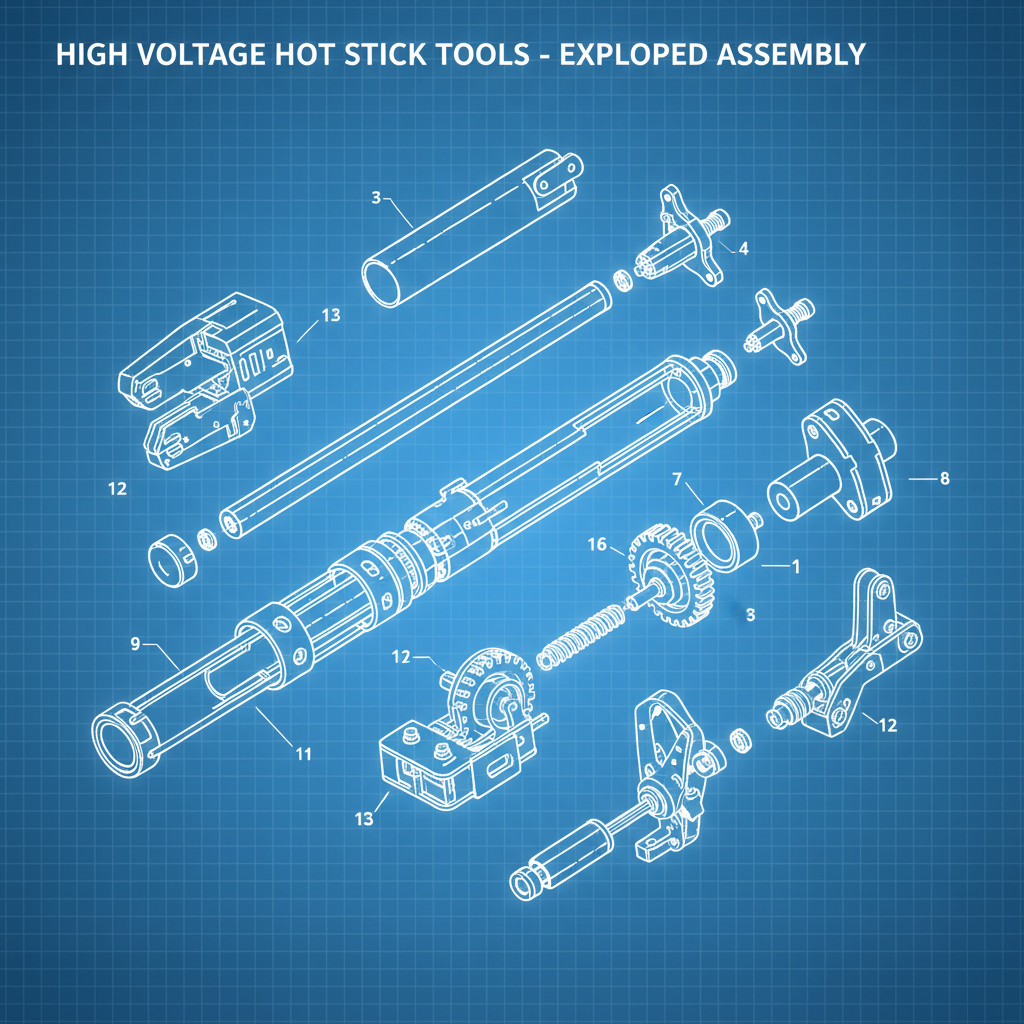
Maintenance and Storage of Hot Stick Tools
Proper maintenance is crucial for extending the lifespan and ensuring the reliability of hot stick tools. After each use, clean the tools with a damp cloth to remove any dirt or debris. Store the tools in a dry, protected environment away from direct sunlight, extreme temperatures, and corrosive substances. Regularly inspect the tools for any signs of wear and tear and replace them as needed. Adhering to a strict maintenance schedule will help prevent failures and ensure worker safety. Bilo Powtel recommends following the manufacturer’s guidelines for cleaning and storage.
Conclusion: Investing in Quality Hot Stick Tools
Investing in high-quality high voltage hot stick tools is not just about compliance; it's about protecting your most valuable asset – your workforce. By choosing durable, reliable tools like those offered by Bilo Powtel, and adhering to strict safety protocols, you can significantly reduce the risk of accidents and ensure a safe and productive work environment. Don’t compromise on safety – choose tools you can trust.
Frequently Asked Questions (FAQs)
What voltage rating should I choose for my hot stick tools?
The voltage rating of your hot stick tools must exceed the maximum potential voltage of the lines you’ll be working on. It’s crucial to select tools with an adequate safety margin to account for unforeseen circumstances and transient voltages. Consult with a qualified safety professional to determine the appropriate voltage rating for your specific application and local regulations. Using tools with insufficient voltage ratings can create a serious safety hazard.
How often should hot stick tools be inspected?
Hot stick tools should be inspected before each use, after each use, and periodically during use, especially if subjected to harsh conditions. Look for any signs of damage, such as cracks, splinters, delamination, or contamination. Maintain a detailed inspection log to track the condition of each tool. Any damaged tools should be immediately removed from service and either repaired or replaced.
What training is required for using high voltage hot stick tools?
Comprehensive training is absolutely essential before anyone uses high voltage hot stick tools. Training should cover proper tool selection, inspection procedures, safe work practices, emergency procedures, and applicable regulations. Training should be provided by a qualified instructor and include both classroom instruction and hands-on practice. Regular refresher courses are also recommended to maintain competency.
Latest news
Precision Lifting and Pulling with the Lever Block 0.5 Ton Guide
NewsApr.16,2026
Precision Engineering Guide for High Performance Jet Lever
NewsApr.16,2026
Ultimate Guide to Choosing the Professional Industrial hoist lever
NewsApr.16,2026
Industrial Hoist Lever Chain Guide for Heavy Lifting and Rigging
NewsApr.16,2026
Industrial Lever Hoist Guide for Efficient Lifting and Pulling
NewsApr.16,2026
Ultimate Guide to Hand Ratchet Lift for Heavy Industrial Lifting
NewsApr.16,2026
- CONTACT
- ADDRESS: 188, Fengshou Road, Shijiazhuang. China
- EMAlL: info@bilopowtel.com
- PHONE: 0086-311-88862036
- WHATSAPP: 0086-152-26563165


