



Mar . 26, 2026 01:45 Back to list
Comprehensive Guide to Types of Earthing Rod Selection and Applications
Types of Earthing Rod: A Comprehensive Guide
Earthing rods, also known as grounding rods, are crucial components in electrical safety systems. They provide a low-resistance path for fault currents to flow to the earth, minimizing the risk of electric shock and protecting equipment from damage. Choosing the right type of earthing rod is essential for optimal performance. This article explores the various types available, their applications, and key considerations for selection. Understanding the differences between these rods will ensure you select the most appropriate solution for your specific needs, guaranteeing a safe and reliable grounding system.
Copper Earthing Rods
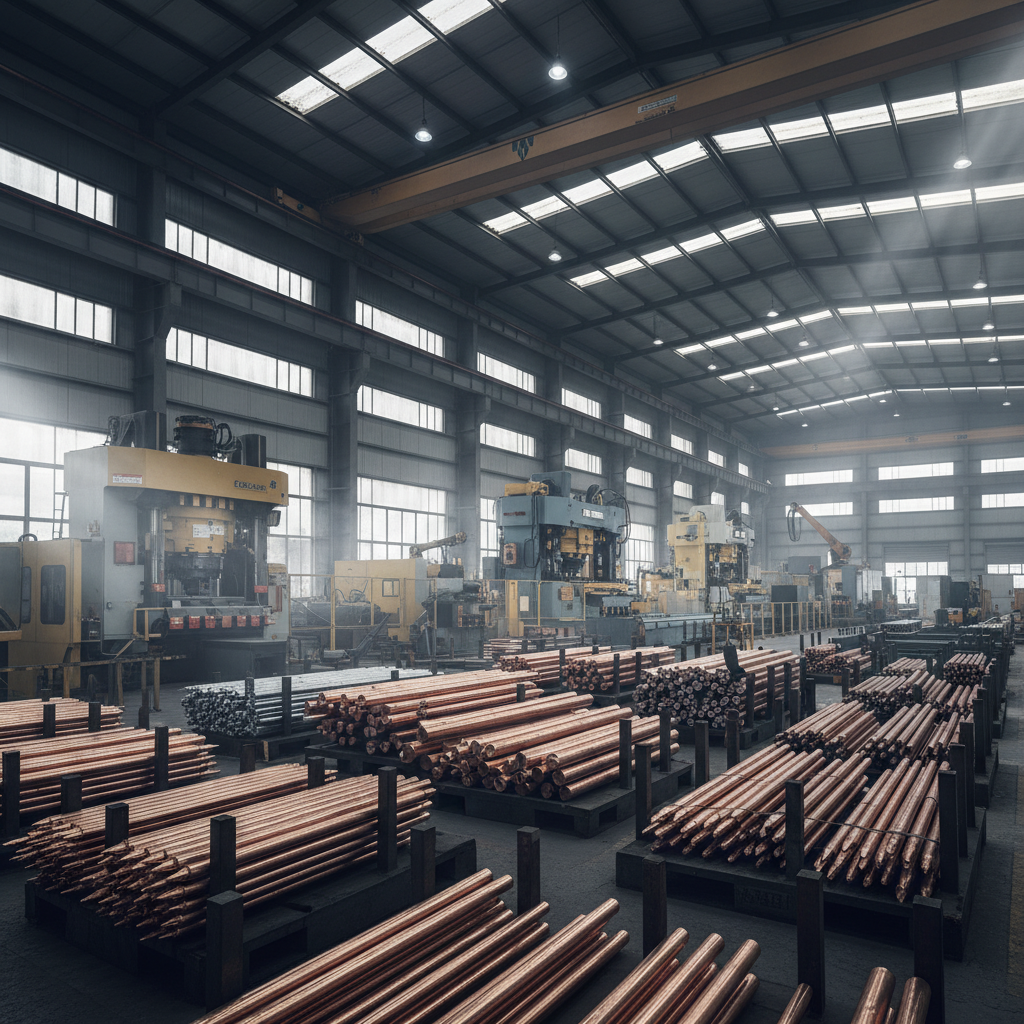
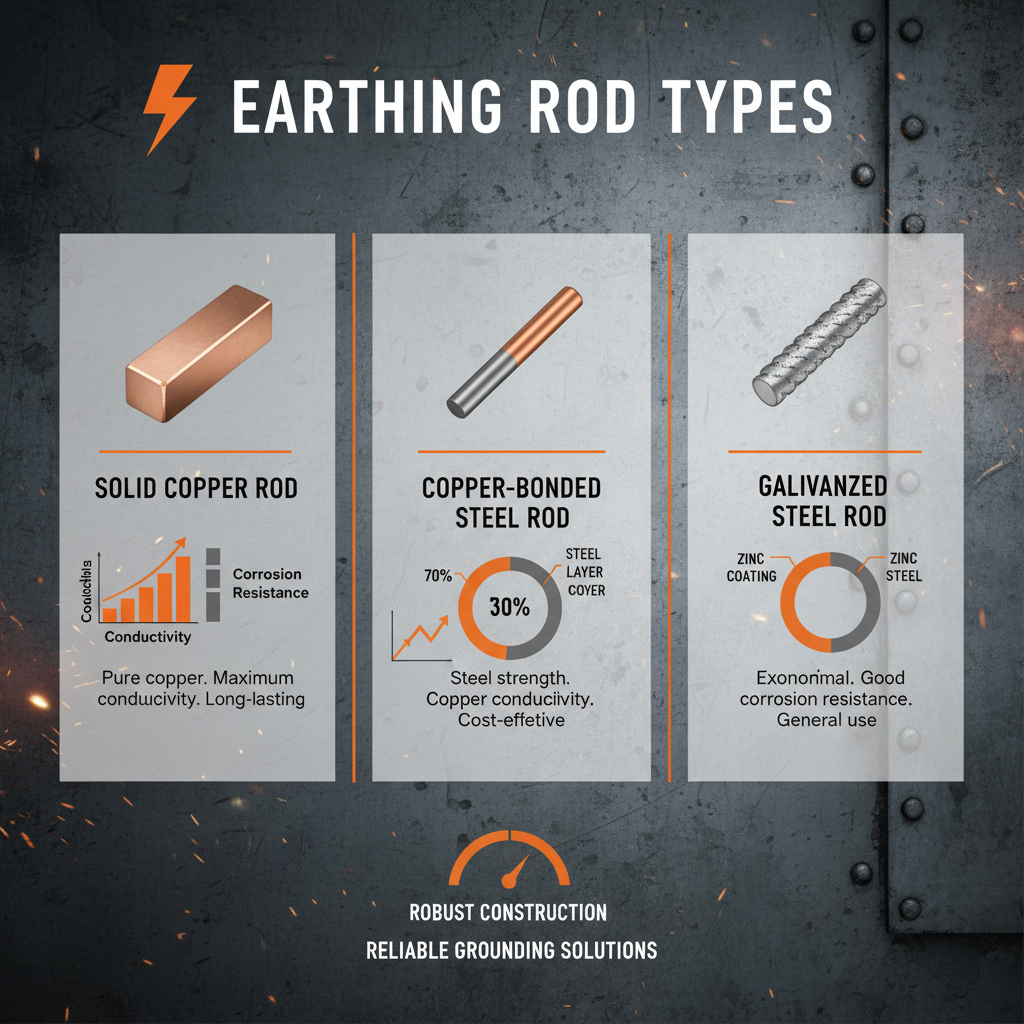
Copper earthing rods are highly conductive, offering excellent resistance to corrosion. They are frequently used in areas with corrosive soil conditions due to their inherent resistance to degradation. These rods are typically solid copper or copper-clad steel. Solid copper rods are the most conductive but are also the most expensive. Copper-clad steel rods offer a cost-effective alternative, providing good conductivity with added strength from the steel core. They're widely used in residential, commercial, and industrial applications where long-term reliability is paramount.
Galvanized Steel Earthing Rods
Galvanized steel earthing rods are a popular and economical choice. They consist of a steel core coated with a layer of zinc to protect against corrosion. While not as conductive as copper, galvanized steel rods provide adequate performance for many applications. The zinc coating sacrifices itself to protect the steel core, extending the rod’s lifespan, however, the protection is not indefinite, and the rods will eventually corrode, especially in highly acidic or saline soils. They are commonly used in general-purpose earthing systems.
Key Highlights: Galvanized steel rods offer a balance of cost-effectiveness and adequate performance, making them suitable for a wide range of grounding applications.
Stainless Steel Earthing Rods
Stainless steel earthing rods offer exceptional corrosion resistance, making them ideal for harsh environments, such as coastal areas or locations with highly acidic soil. They are more expensive than both copper and galvanized steel but provide the longest lifespan and require minimal maintenance. These rods are particularly well-suited for critical applications where grounding reliability is paramount, like telecommunications facilities and sensitive electronic equipment installations.
Stainless Steel Benefits:
• Exceptional corrosion resistance
• Long lifespan and minimal maintenance
• Ideal for harsh environments
• Suitable for critical applications
Understanding the Different Earthing Rod Materials: A Comparison
Choosing the right material for your earthing rod depends on several factors, including soil conditions, budget, and the criticality of the application. The following table provides a comparison of the key features of each material.
Hollow Earthing Rods vs. Solid Earthing Rods
Earthing rods also come in solid and hollow designs. Solid rods are typically made of copper or stainless steel and provide excellent conductivity. Hollow rods, often made of galvanized steel or copper-clad steel, are lighter and more cost-effective. However, they may be more susceptible to corrosion if the protective coating is damaged. Solid rods are preferred for applications requiring high current capacity and long-term reliability.
Selecting the Right Earthing Rod: Key Considerations
When selecting an earthing rod, consider the following factors: Soil resistivity (higher resistivity requires longer rods or multiple rods), corrosion potential (choose corrosion-resistant materials for harsh environments), fault current level (higher currents require larger diameter rods), budget constraints, and applicable standards and regulations. It's often recommended to consult with a qualified electrical engineer to ensure proper grounding system design and installation. Bilo Powtel offers a range of earthing rods and expert advice to help you choose the best solution for your needs.
Conclusion: Ensuring Safety with the Right Earthing Rod
Choosing the appropriate earthing rod is a critical aspect of electrical safety. By understanding the different types, materials, and considerations discussed in this article, you can ensure a reliable and effective grounding system. Investing in quality earthing rods and professional installation is an investment in safety and equipment protection. Don't compromise on safety – choose a solution that meets your specific needs and provides long-term reliability.
Frequently Asked Questions (FAQs)
What is the recommended depth for installing an earthing rod?
The recommended depth for installing an earthing rod varies depending on soil conditions and local regulations, but generally, a minimum depth of 2.4 meters (8 feet) is recommended. This ensures the rod reaches consistently moist soil, providing a reliable grounding connection. In areas with dry or rocky soil, deeper installation may be necessary. It's crucial to consult with local electrical codes and a qualified electrician to determine the optimal depth for your specific location.
How do I test the effectiveness of an earthing rod?
The effectiveness of an earthing rod can be tested using an earth resistance tester. This instrument measures the resistance between the earthing rod and a distant grounding point. A low resistance value (typically less than 5 ohms) indicates a good grounding connection. Regular testing, ideally annually, is recommended to ensure the grounding system remains effective. Proper testing requires specialized equipment and knowledge, so it's best performed by a qualified electrician.
Can multiple earthing rods be used together?
Yes, multiple earthing rods can be used in parallel to reduce the overall earth resistance. This is particularly beneficial in areas with high soil resistivity. The rods should be spaced at least 1.5 times their length apart to avoid interference. Connecting multiple rods together creates a more robust and reliable grounding system. A qualified electrician can determine the optimal number and arrangement of earthing rods for your application.
What is the purpose of a grounding conductor?
A grounding conductor connects the electrical system to the earthing rod. Its purpose is to provide a low-impedance path for fault currents to flow back to the source, tripping the circuit breaker or fuse and disconnecting the power supply. This prevents electrical shock and protects equipment from damage. The grounding conductor must be adequately sized to handle the maximum fault current expected in the system.
Latest news
Precision Lifting and Pulling with the Lever Block 0.5 Ton Guide
NewsApr.16,2026
Precision Engineering Guide for High Performance Jet Lever
NewsApr.16,2026
Ultimate Guide to Choosing the Professional Industrial hoist lever
NewsApr.16,2026
Industrial Hoist Lever Chain Guide for Heavy Lifting and Rigging
NewsApr.16,2026
Industrial Lever Hoist Guide for Efficient Lifting and Pulling
NewsApr.16,2026
Ultimate Guide to Hand Ratchet Lift for Heavy Industrial Lifting
NewsApr.16,2026
- CONTACT
- ADDRESS: 188, Fengshou Road, Shijiazhuang. China
- EMAlL: info@bilopowtel.com
- PHONE: 0086-311-88862036
- WHATSAPP: 0086-152-26563165


